Meaning
Radio frequency regulatory requirements define the maximum permitted power levels for unintended signals generated by an active transmitter outside its assigned operational band. Spurious emission limits protect adjacent spectral channels from harmful interference by constraining the energy levels of harmonics, intermodulation products, and frequency conversion components. Manufacturers must verify these metrics during the certification phase of wireless hardware development to ensure compliance with regional electromagnetic compatibility standards.
Any transmitter that produces outputs above these defined thresholds risks causing degradation in the performance of nearby communication equipment. Technical authorities maintain these values to preserve the integrity of the shared radio spectrum across diverse applications.
Regulatory Compliance
Authorities demand precise documentation of spectral purity during the initial qualification of a radio device. A test house verifies the attenuation of unintended energy by measuring signal leakage at specific intervals relative to the primary carrier frequency. Engineers perform these evaluations in an anechoic chamber to isolate the output of the antenna port from external environmental noise.
The process involves sweeping the frequency domain to identify peaks that exceed established noise floor mandates. Proper verification ensures that the hardware does not violate regional spectrum policies before reaching the commercial market. Consistent performance during these tests prevents heavy fines and mandatory product recalls that follow a regulatory violation.
Hardware Integration
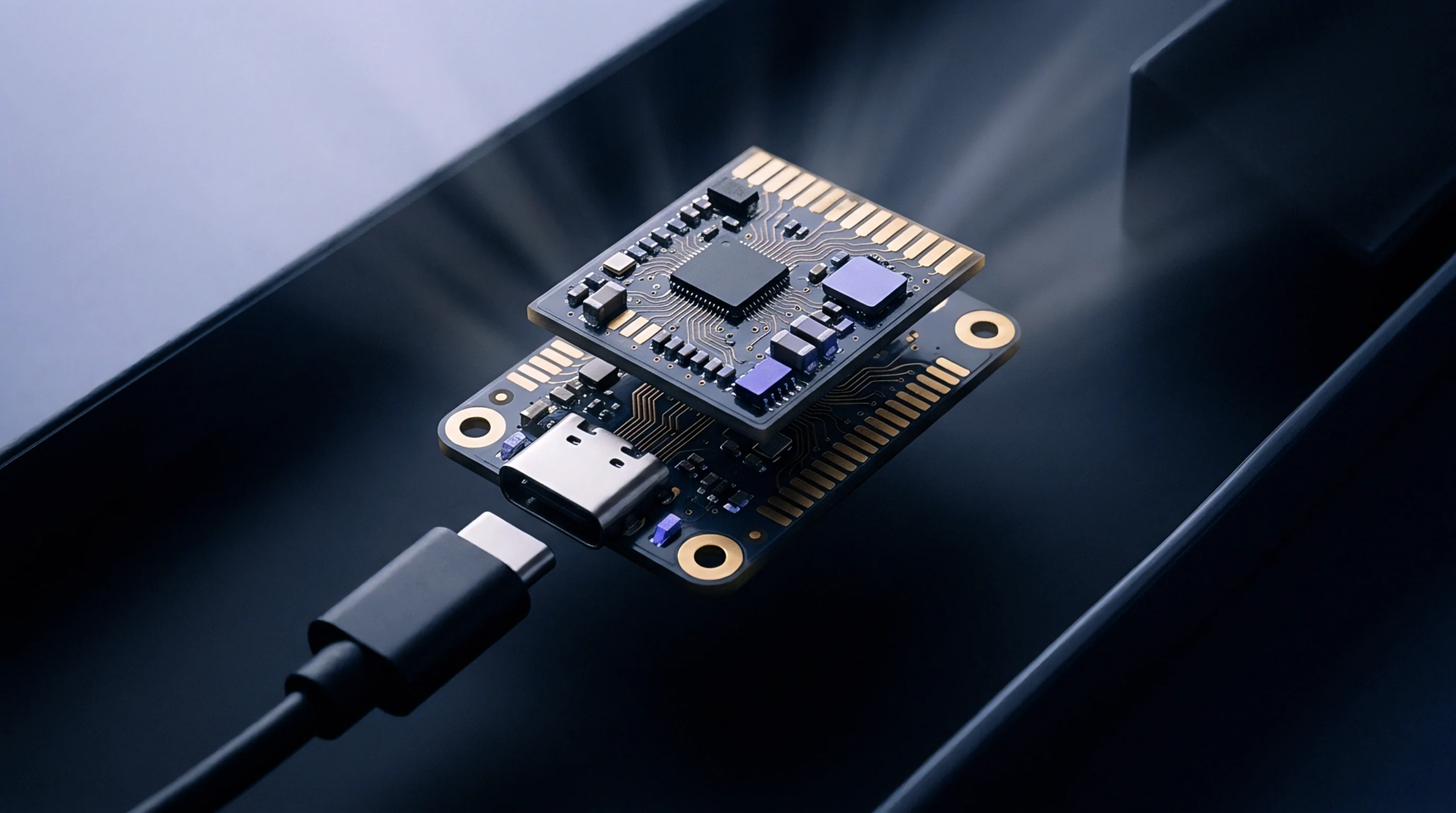
Physical design choices within a radio circuit board directly influence whether a device meets the strict constraints for spectral purity. Filtering techniques at the transmitter output stage strip away unwanted harmonics that arise from non-linearities in the power amplifier. Decoupling capacitors and shielding partitions reduce coupling between high speed digital logic and sensitive radio frequency paths to keep unintended signal paths quiet.
Ground plane impedance affects the return current loops that might otherwise turn enclosure features into unintentional radiators. Design teams balance the thermal requirements of the assembly against the need for additional shielding components that occupy internal volume. Precise mechanical assembly helps prevent the leakage of energy through chassis seams or connector gaps that often bypass internal filtering stages.
Performance Constraint
A system rating often diverges from the individual rating of a component due to the complex interaction between interconnected modules. Testing the entire assembly captures the cumulative impact of antenna efficiency and enclosure resonances that act upon the radio frequency signal. Designers adjust the hardware settings until the measured levels of unintended output fall well below the thresholds required for stable operation in a congested environment.
This validation process confirms that the final physical product functions within the acceptable parameters defined by its regional certification. Rigid adherence to these values guarantees that a device remains a transparent neighbor within the shared communication environment.