
FCC Class II Permissive Change Mechanics for Antenna Modifications in Modular Host Integrations
Modifying modular antennas triggers FCC Class II Permissive Changes whenever gain, radiator type, or host SAR conditions alter baseline RF compliance.
Modifying modular antennas triggers FCC Class II Permissive Changes whenever gain, radiator type, or host SAR conditions alter baseline RF compliance.

Multi-vendor radio module substitutions qualify for Class II Permissive Changes only when pin alignment, output power, and radiated emissions match baseline testing.

Co-located radio Class II Permissive Changes demand radiated intermodulation scans and exposure summation when transmitter antennas sit within 20 cm.

Unshielded limited transmitter grants bind host manufacturers to strict PCB layout, power rail, and chamber re-test protocols before compliance is recognized.

Dynamic time-averaged SAR evaluation balances multi-transmitter power budgets, cutting backoff penalties while securing compliance across global regulatory markets.
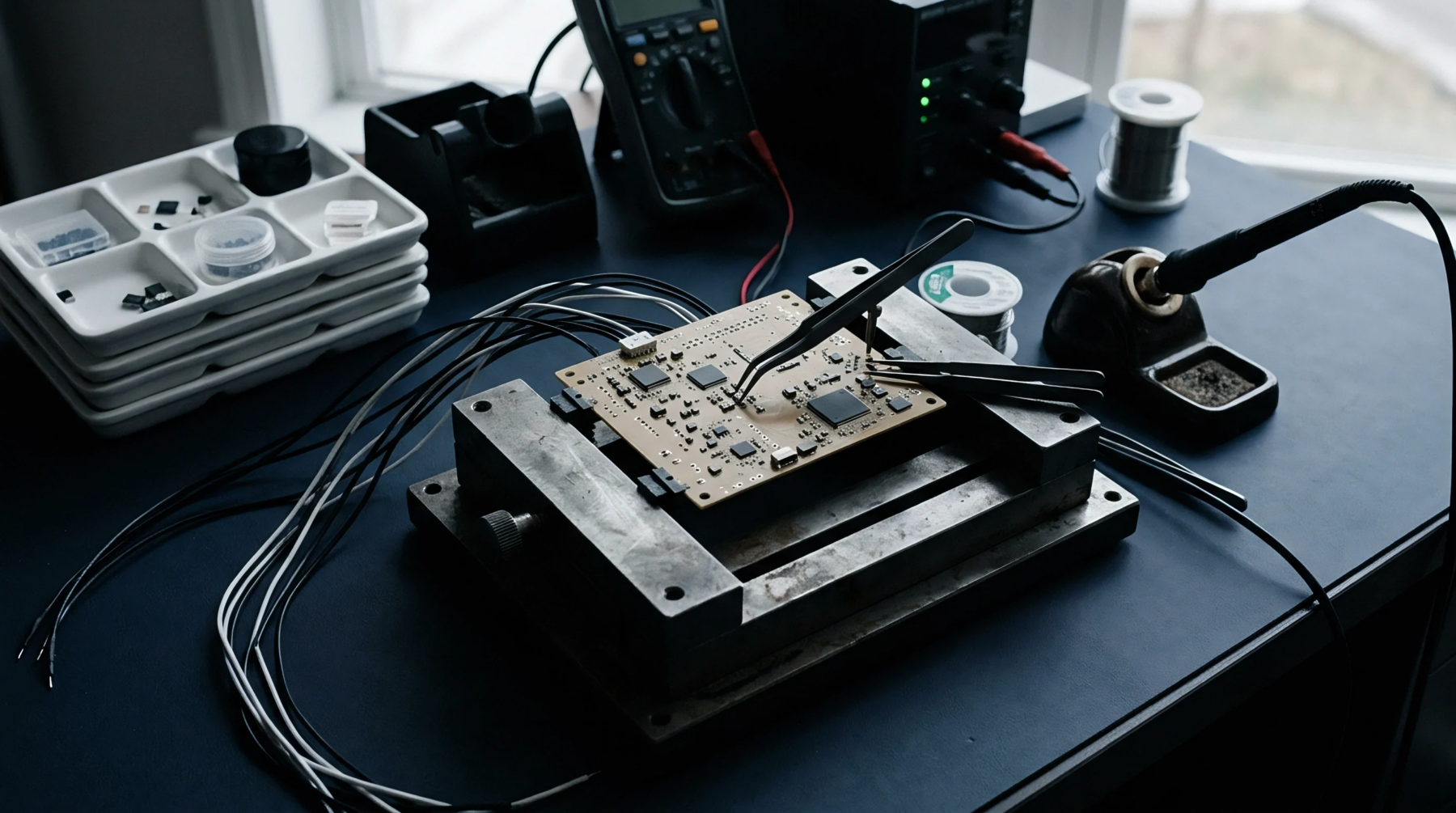
Transferring Korean KC radio registrations requires joint RRA filings, laboratory test report consent, and precise UNI-PASS importer matching to prevent border holds.

Radiated spurious scanning determines whether wireless host modifications qualify for Class I permissive status or demand Class II re-filing.

Modular host integration triggers a Class II Permissive Change whenever trace redesigns, antenna swaps, or co-location alter SAR or radiated emissions profile.
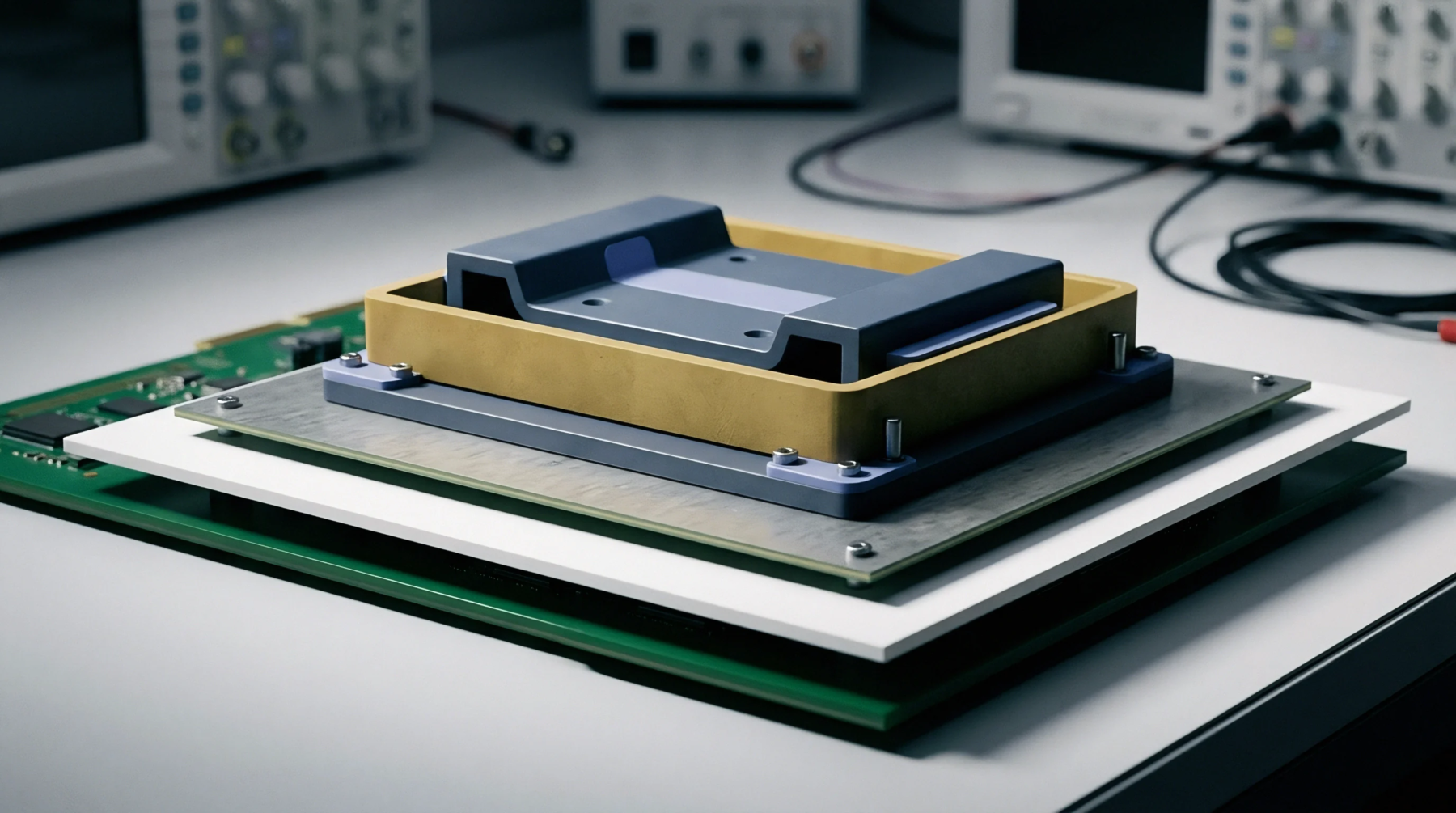
Verifying imported wireless device compliance requires cross-referencing grantee databases, matching host antenna gains, and auditing ISO 17025 test scope.

Integrating approved radio modules into custom host enclosures alters radiated spurious emissions, demanding targeted spot checks to preserve market compliance.
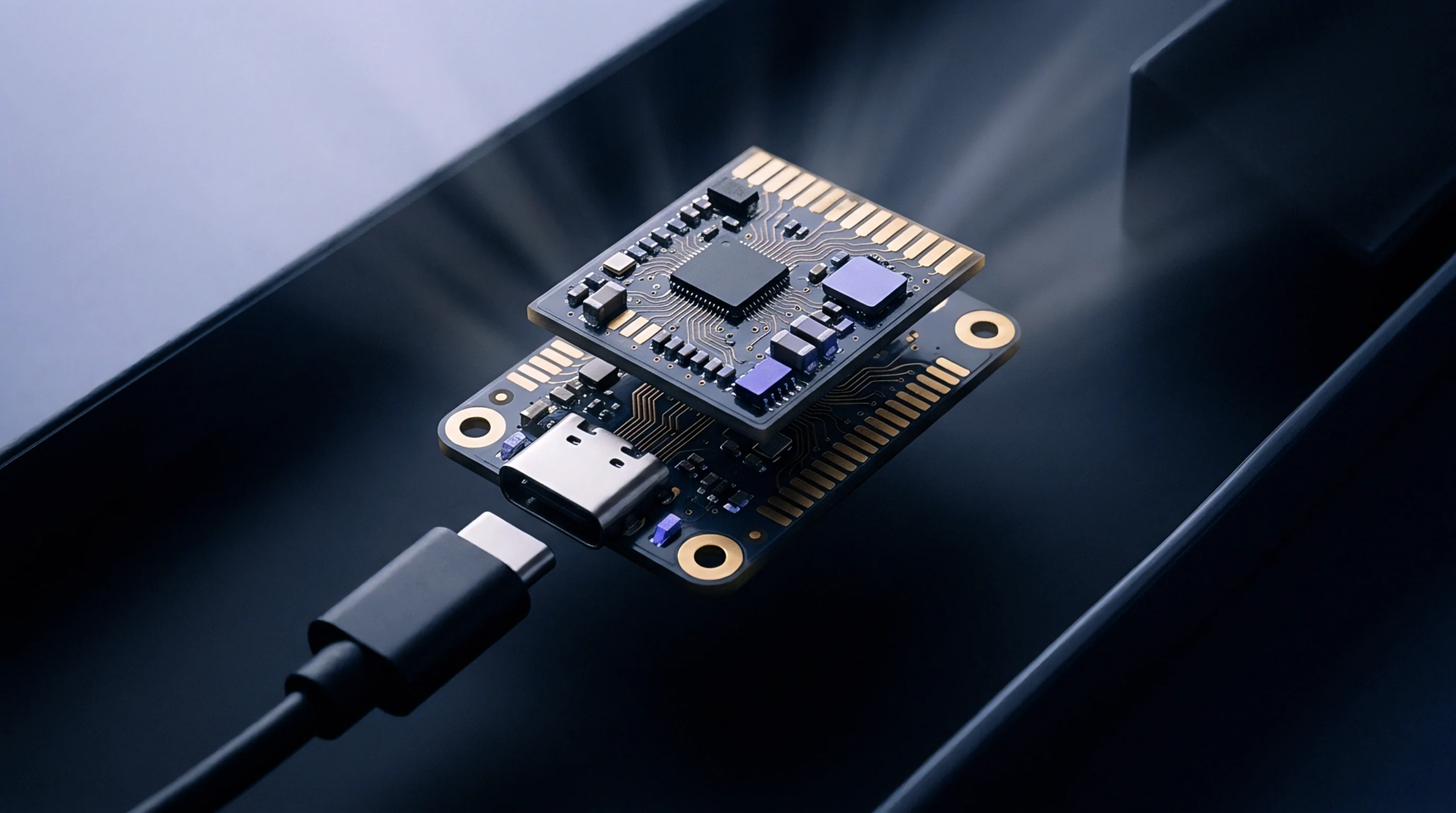
Dielectric loss tangent degradation in high-frequency fluoropolymer substrates accelerates insertion loss, reducing radiated EIRP and risking regulatory filings.

Standardizing RF front-end pad layouts allows single-PCB hardware deployments across distinct regional sub-GHz band plans without board respins.
Cross-border radio verification requires accredited laboratory scope validation, standard gap analysis, and cryptographic document provenance at customs.
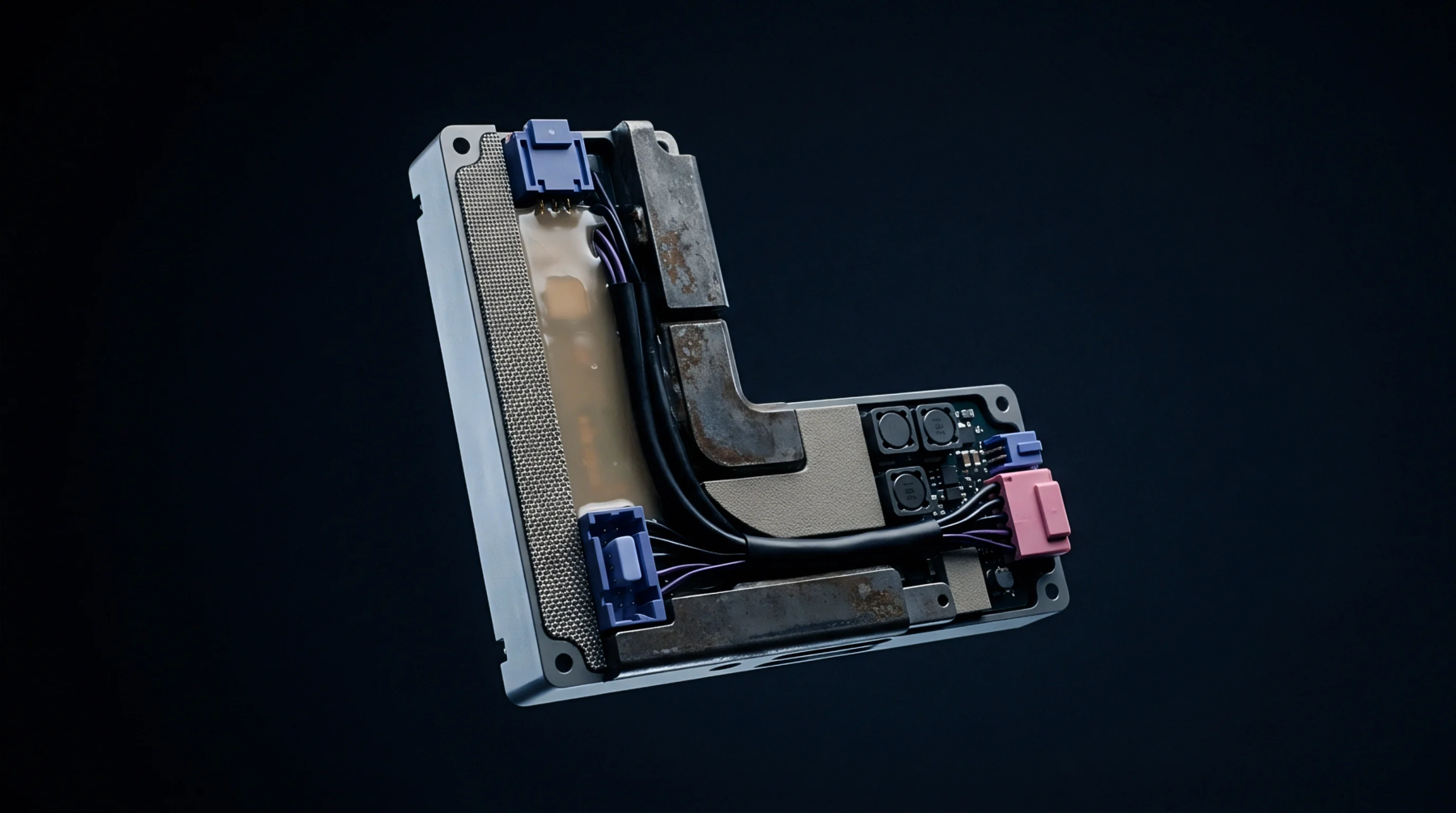
Free-space W-band polymer testing requires precise spot-focused optics, strict sample thickness tolerances, and validated TRL calibration to prevent radome detuning and costly regulatory re-certification delays.

Effective multi-market RF qualification requires pricing laboratory measurement variance and host integration failure risks directly into contingency budgets.

Temperature variations alter substrate dielectric constant at 77 GHz, causing phase velocity shifts, mainlobe beam squint, and spatial target dislocations.

Co-located portable host radios require simultaneous SAR ratio summation or dynamic backoff validation when separation distance drops below twenty centimeters.
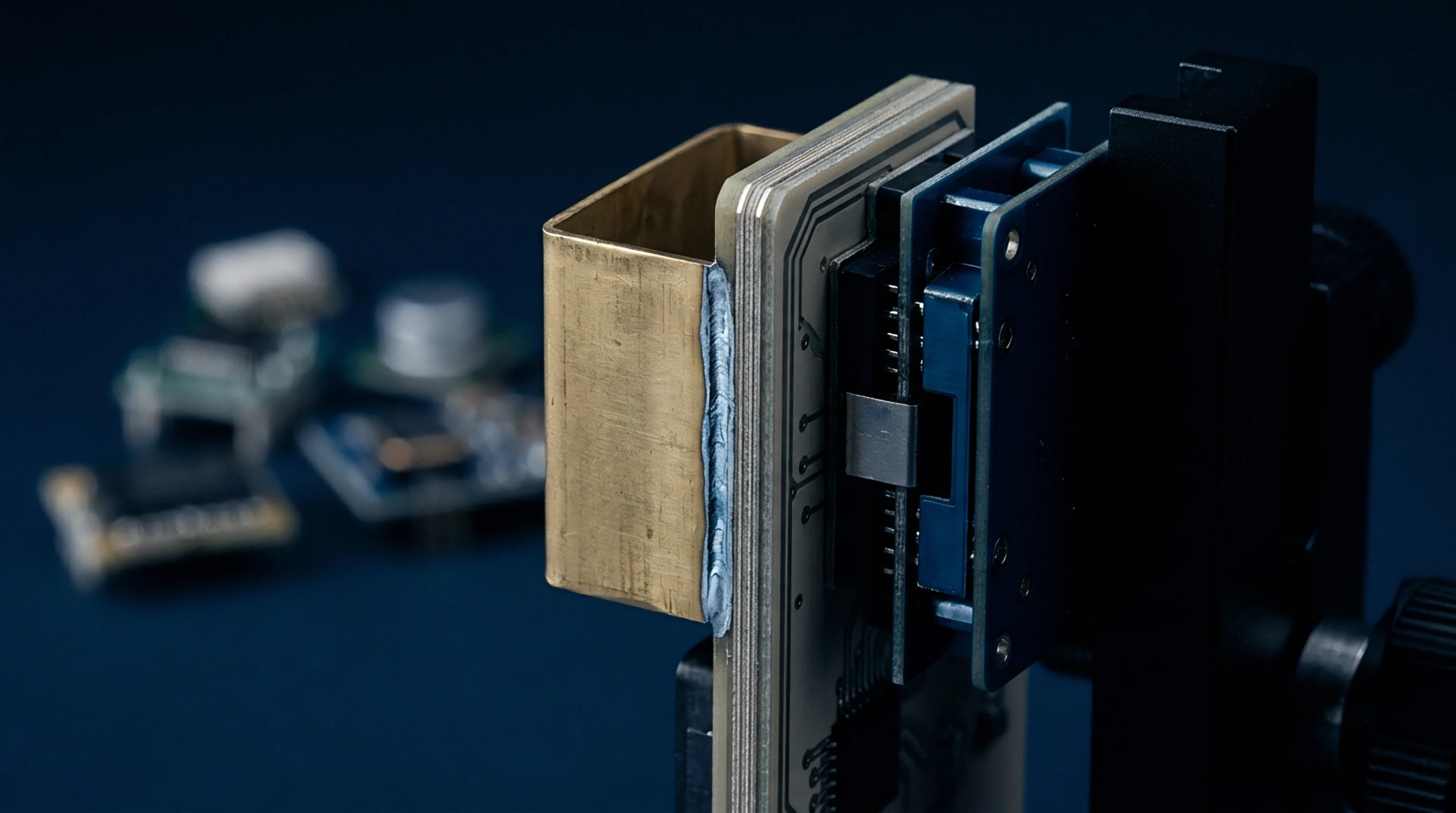
Evaluating supplier test reports against EU radio standards requires verifying ISO/IEC 17025 scopes, standard versions, and host power settings.

FCC rule changes governing modular radios demand precise classification of trace, antenna, and proximity shifts to prevent illegal radiated emissions.
Modular radio approvals transfer strict radiated compliance obligations to host builders, requiring rigorous change classification and trace stackup control.
SRRC radio type approval in China takes 8 to 16 weeks, requiring local agent representation, strict customs sample clearing, and accredited domestic lab scans.

Pre-shipment verification of FCC grants and CE documentation prevents costly port customs detentions and container freight storage demurrage fees.
Regional spectrum rules force sub-GHz IoT hardware into three distinct SKU builds to optimize front-end matching, maintain link budget, and pass certification.
Expertise is a utility, not a secret. sentiention™ publishes its working knowledge as open reference: intelligence layer covering the materials it sources, the markets it enters, and the reference that serves both.