Meaning
Radio frequency regulations govern the operation of intentional radiators, and fcc part 15 subpart c provides the specific technical limits for unlicensed low power transmitters. This regulatory framework defines allowable field strength levels, bandwidth requirements, and spurious emission thresholds for devices operating in designated frequency bands without an individual user license. Manufacturers must ensure that their equipment functions within these boundaries to prevent harmful interference with authorized communication services.
The rules apply to various consumer electronics, remote controls, and wireless data modules that generate electromagnetic energy. Compliance requires rigorous testing procedures during the product development phase before final market entry. Conformity with these standards confirms that a device behaves as a responsible participant in the crowded radio spectrum.
Radiated Emissions
Testing protocols for fcc part 15 subpart c focus on the quantification of unintended signal output outside the primary operating channel. Engineers measure peak and average field strength at a defined distance to verify that harmonics do not exceed the specified decibel microvolts per meter limits. Specialized chambers facilitate these measurements by isolating the device from ambient radio noise.
The process involves rotating the equipment through three axes while adjusting antenna height to capture the maximum radiated signal strength. Compliance failure often occurs at harmonic frequencies where the circuitry generates secondary signals that leak through poorly shielded enclosures. Designers mitigate these risks by using multilayer boards with solid ground planes and high performance decoupling capacitors.
Proper layout prevents current loops that act as miniature antennas for high frequency energy.
Compliance Verification
Documentation for fcc part 15 subpart c establishes the legal basis for equipment authorization through the declaration of conformity or the certification process. Test reports detailing the results from an accredited facility undergo review to ensure that the device meets every parameter defined in the code of federal regulations. Regulatory bodies require that the final production model matches the tested prototype in every hardware configuration and antenna selection.
Any modification to the radio frequency section of the hardware invalidates the original authorization and necessitates new testing. Companies manage this risk by freezing the component selection and software parameters once the lab validates the performance against the standard. The process confirms that the device maintains its interference profile across the full range of expected operating conditions.
System Integration
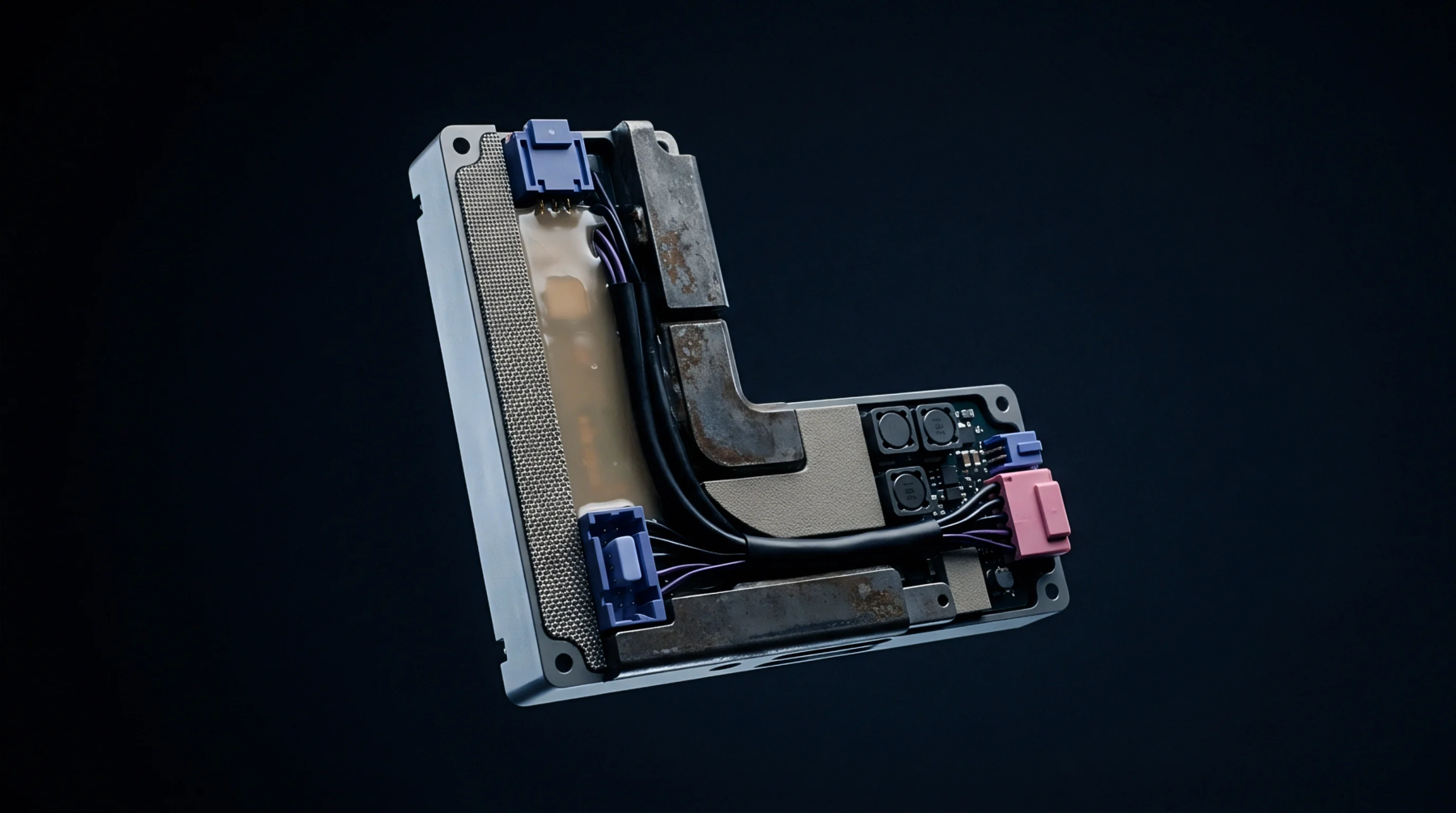
Mechanical design choices during the enclosure assembly phase influence the final outcome of fcc part 15 subpart c assessment for integrated wireless modules. Conductive gaskets and board level shielding shields help contain electromagnetic emissions that otherwise escape through seams or cable apertures. Thermal budget considerations force a trade off because heat sinks can sometimes inadvertently serve as unintentional radiators if they lack proper grounding paths to the chassis.
Designers must route high speed digital traces away from radio antennas to prevent the coupling of noise into the radiating element. Careful placement of bypass capacitors near sensitive power pins prevents the propagation of ripple currents onto internal cabling. Final assemblies undergo verification to ensure the system keeps the radio environment clean.
Certification of the completed device relies on the cumulative performance of these board level and enclosure level mitigation strategies.