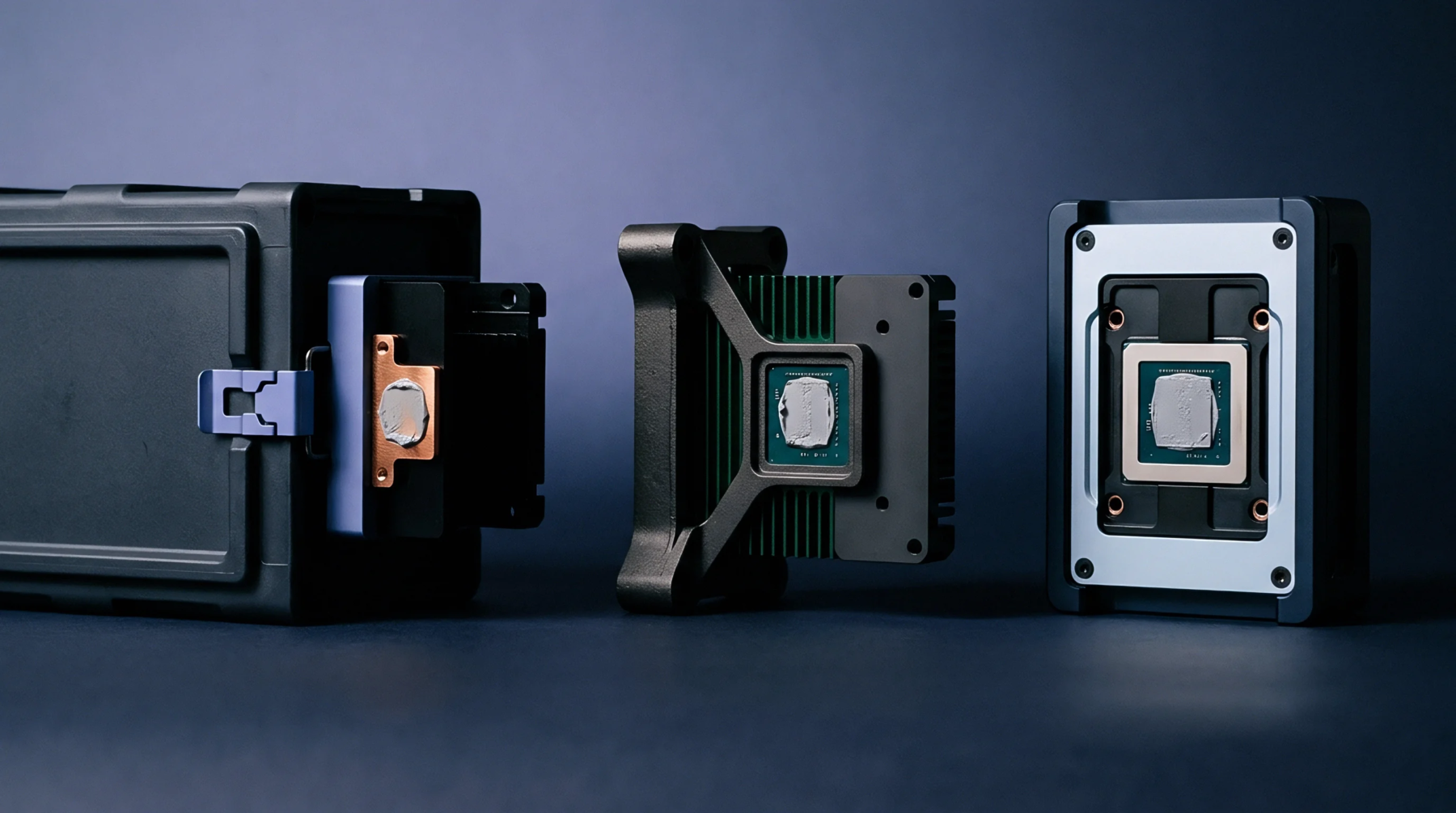
Cross Border Radio Module Approval Database Verification Methods
Cross-border radio module verification requires auditing public regulator databases to validate active grant status, power limits, and permissive change scopes.
Cross-border radio module verification requires auditing public regulator databases to validate active grant status, power limits, and permissive change scopes.

Secondary radio module sourcing demands either grantee authorization for a Class II change or a fresh equipment grant under an independent host FCC identifier.

Dual-sourcing radio modules requires radiated spurious verification and grantee-controlled permissive change filings before alternate hardware ships.

FCC Part 15 Subpart C module sourcing hinges on verifying full modular grants, honoring antenna trace geometries, and testing host unintentional emissions.

Silicon stepping updates require rigorous delta EMC testing to verify that altered die geometries do not trigger mandatory Class II filings or new FCC IDs.
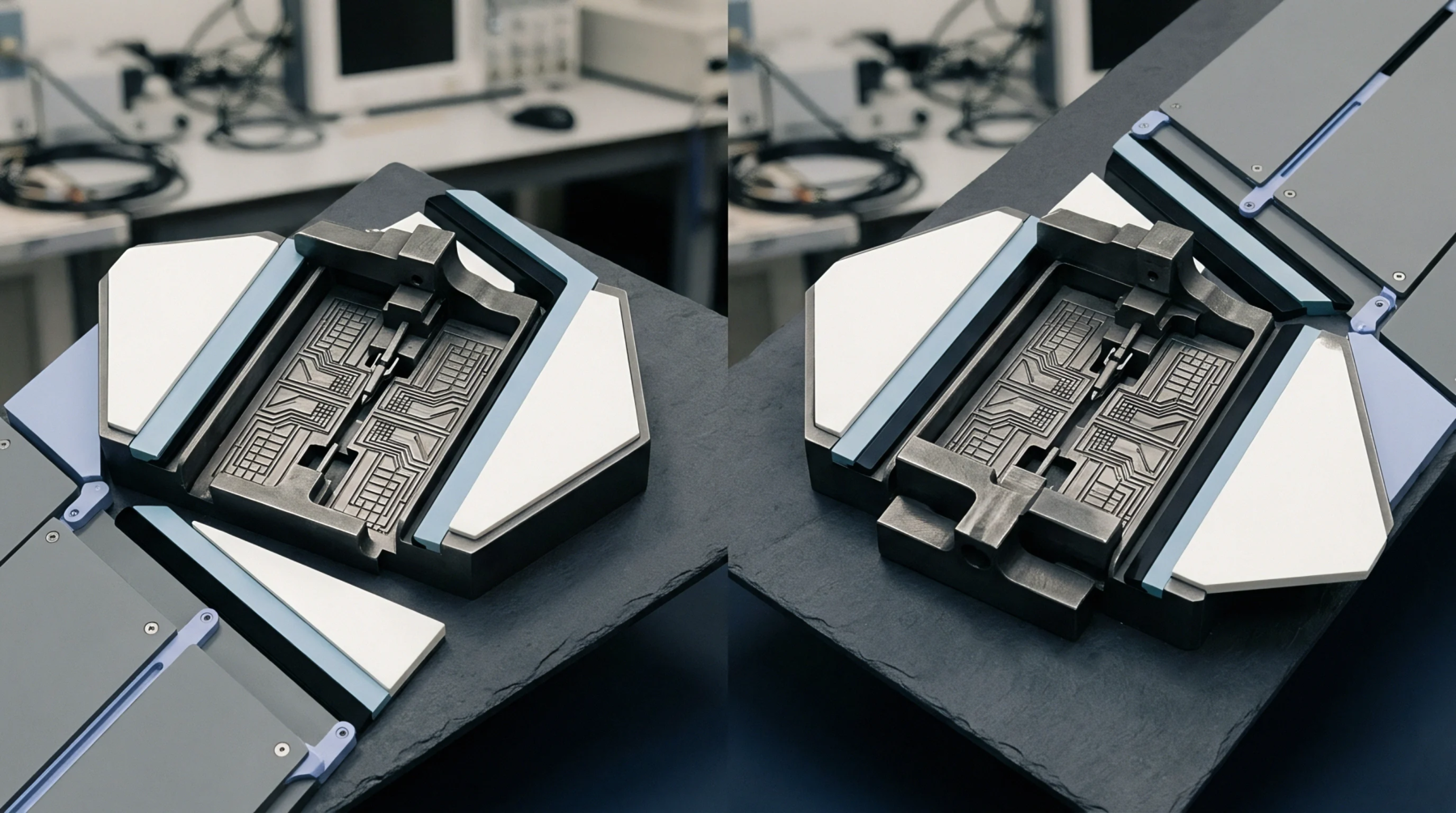
Firmware updates modifying transmitter power, duty cycle, or spurious emissions demand a Class II Permissive Change filing before deployment.

Co-located intermediate hosts trigger Class II Permissive Changes when combined antennas within twenty centimeters exceed total exposure ratio limits.
South Korean market entry demands local laboratory testing under Radio Waves Act standards, local applicant representation, and strict physical KC mark labeling.

Cross-border radio approvals require isolating regional gaps between European receiver-centric standards and North American transmitter-focused filing grants.
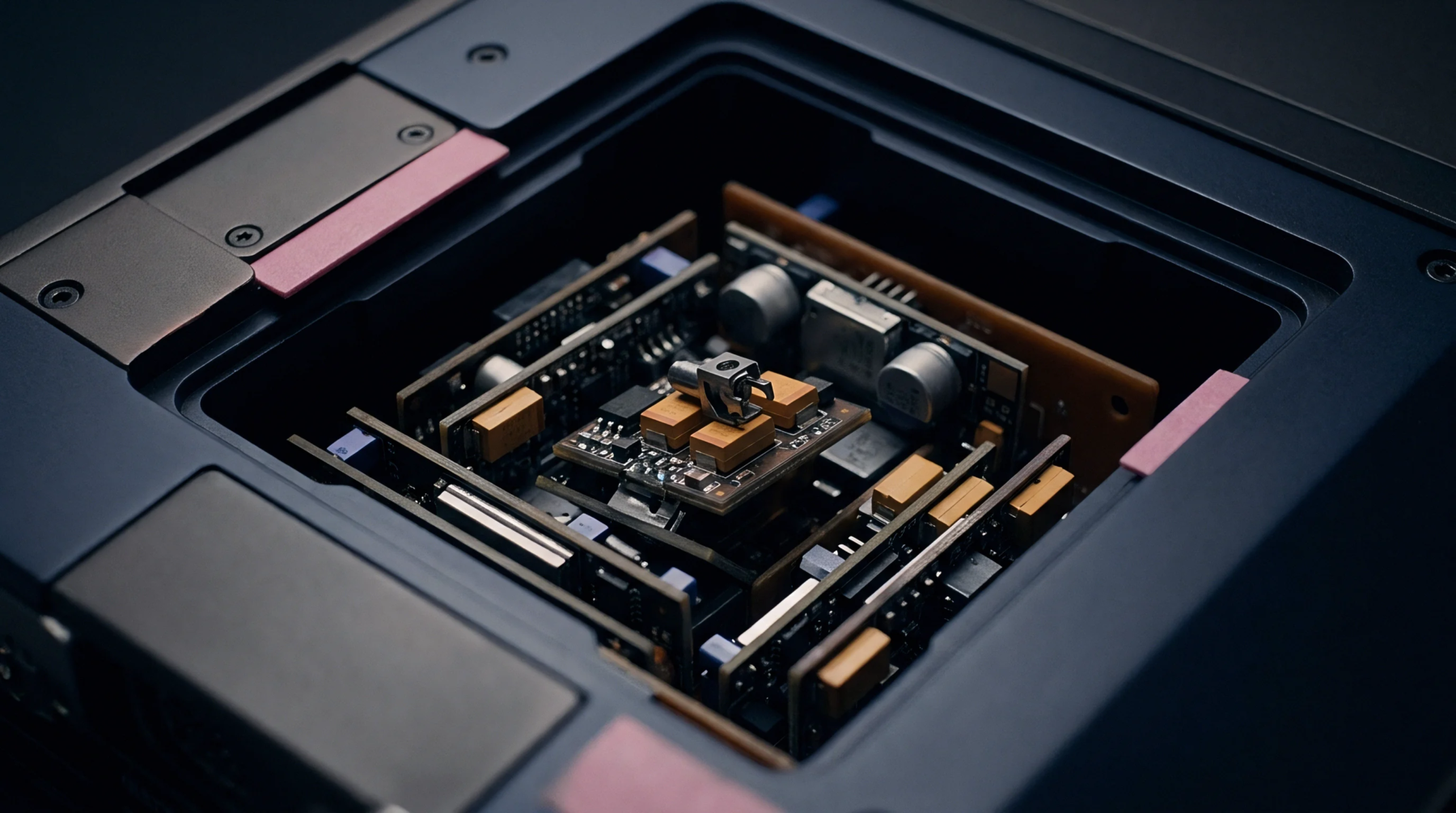
Modular radio approvals cover transmitter components alone, forcing host manufacturers to perform radiated testing and execute distinct country filings.

Transceiver assist values split along grant boundaries, apportioning RF engineering strictly to hosts adopting the certified trace or local modular filing.

Integrating pre-certified radio modules into host hardware requires layout audits, spurious emission pre-scans, and permissive change filings to secure market access.

Simultaneous SAR evaluations require summing standalone SAR or estimated values to prove combined exposure remains below regulatory limits.

Reconciling international MRA discrepancies in modular radio dossiers requires structured delta testing to satisfy regional radiated limits and CAB scopes.

Dual sourcing radio modules demands strict PCB trace impedance matching, rigorous Class II permissive change tracking, and dual technical documentation archives.

Co-located portable host radios require simultaneous SAR ratio summation or dynamic backoff validation when separation distance drops below twenty centimeters.

Multijurisdictional co-location SAR evaluation requires host-level total exposure ratio analysis and spatial decoupling to ensure global market clearance.

KC radio registration demands local testing, a domestic agent, accurate schematics, and strict adherence to National Radio Research Agency standards.
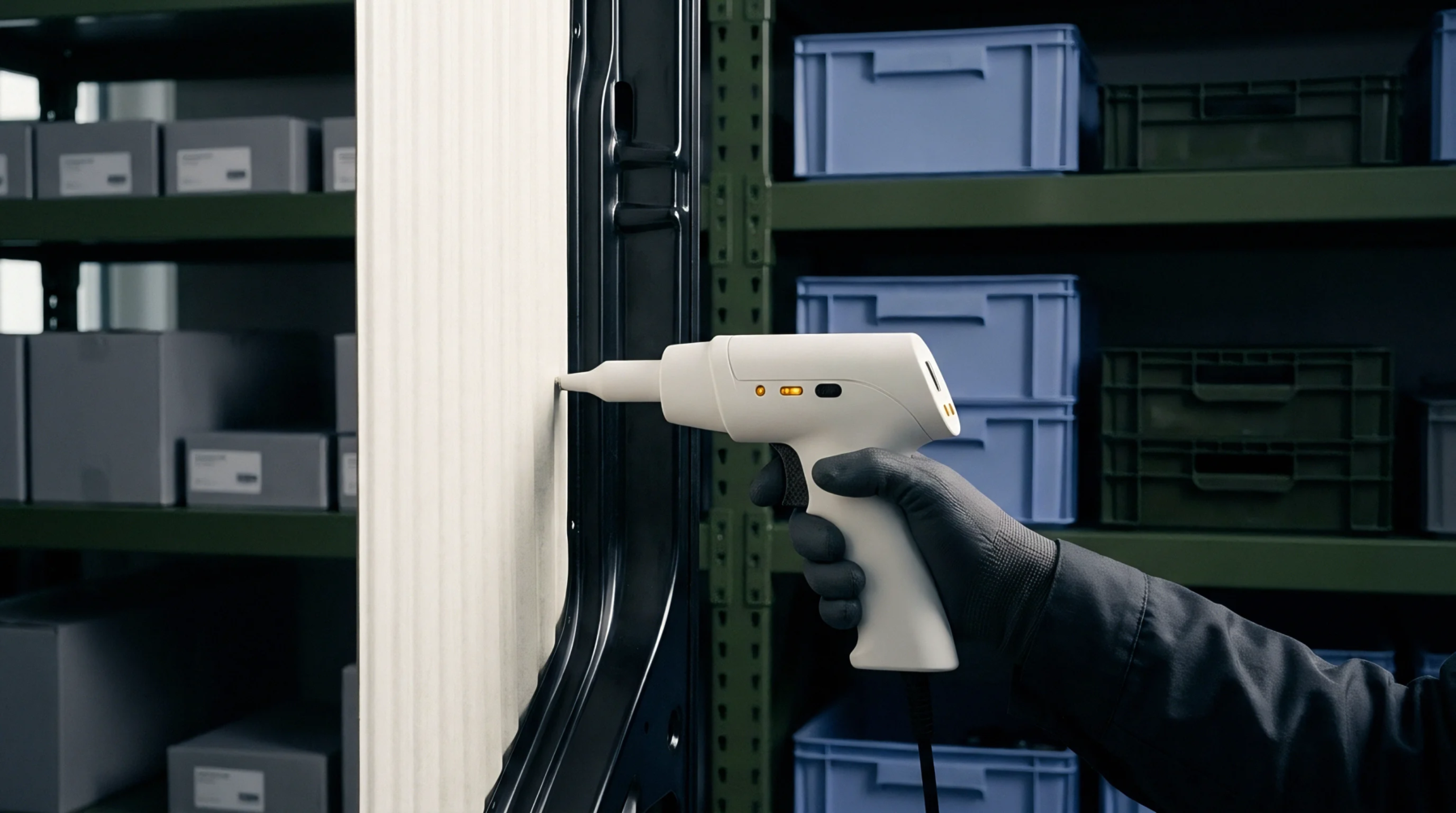
Customs holds on radio products stem from missing declarations of conformity, requiring aligned standard references and valid technical files for release.
Expertise is a utility, not a secret. sentiention™ publishes its working knowledge as open reference: intelligence layer covering the materials it sources, the markets it enters, and the reference that serves both.