
FCC Class II Permissive Change Mechanics for Antenna Modifications in Modular Host Integrations
Modifying modular antennas triggers FCC Class II Permissive Changes whenever gain, radiator type, or host SAR conditions alter baseline RF compliance.
Modifying modular antennas triggers FCC Class II Permissive Changes whenever gain, radiator type, or host SAR conditions alter baseline RF compliance.

Managing modular compliance requires maintaining strict reference trace layouts, securing firmware power tables, and contracting vendor liability for permissive changes.

Class Two Permissive Changes are triggered when physical, antenna, or firmware modifications alter RF emissions or RF exposure without exceeding original grant limits.

Modular radio updates split into minor Class I file updates and major Class II filings based on measured shifts in radiated power, emissions, and frequency bands.

Encapsulating transmitters alters dielectric loading, detuning antennas and shifting RF exposure boundaries, demanding re-evaluation of emissions and SAR compliance.

Integrating unshielded limited modules transfers regulatory compliance liability to host manufacturers, requiring Class II permissive changes and host chamber validation.
Host integrators holding third-party radio modules assume transmitter regulatory liability through trace compliance, filing maintenance, and localized testing.
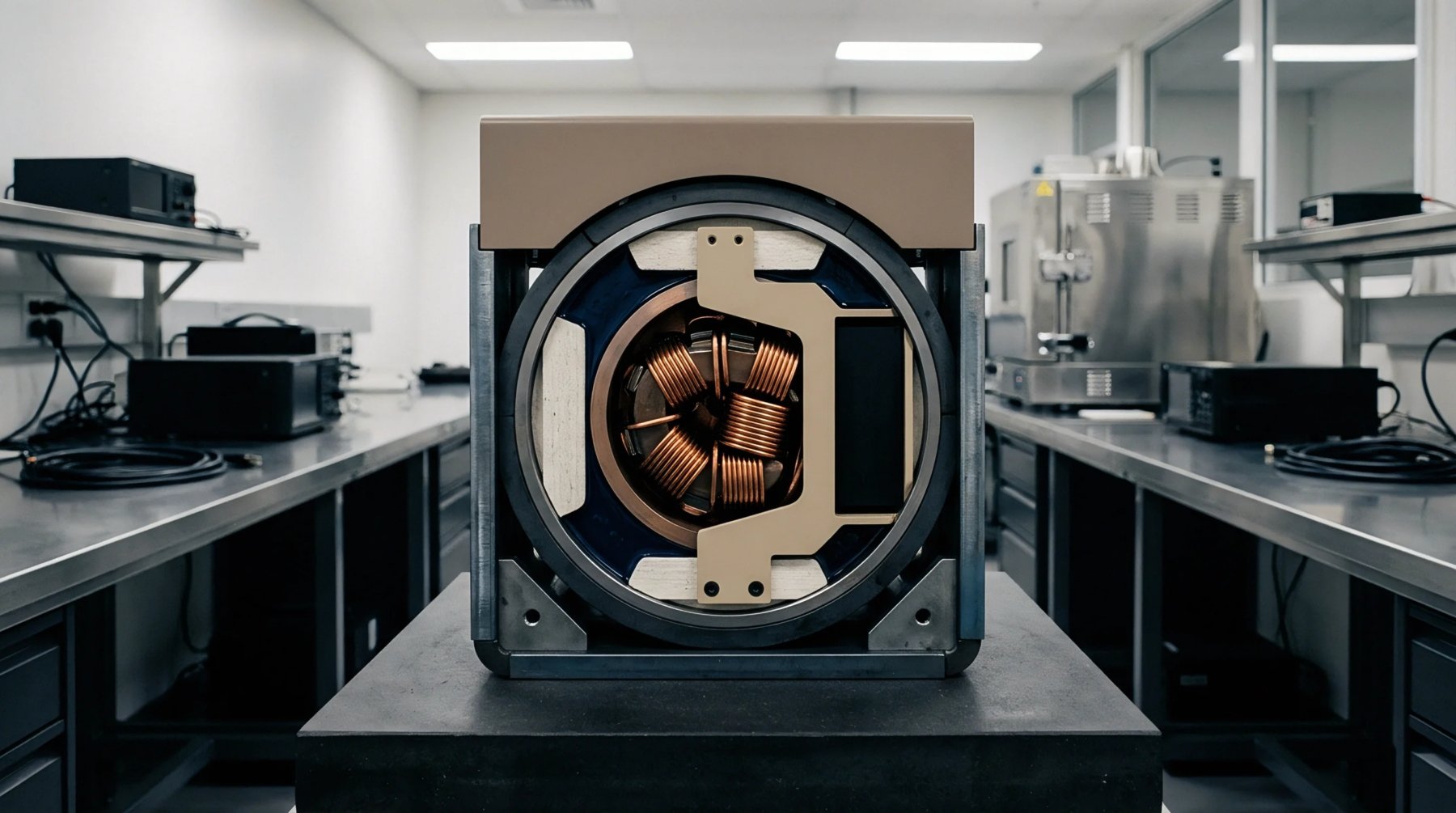
Metallic host enclosures alter RF emissions, turning module changes into Class II Permissive filings costing 6000 to 20000 USD over four to eight weeks.

Host hardware vendors retain ultimate legal liability for combined device compliance, requiring host verification despite module pre-certification.

Reconciling customs import valuations with radio type approval scopes requires aligning declared hardware assists and software royalties with granted technical limits.

Modifications to encapsulated radio modules require Class II permissive change filings whenever conducted power increases or radiated emissions degrade.
Modular approvals shorten filing lead times when host layouts preserve trace geometry, enforce shielding limits, and observe strict permissive change boundaries.

Host integrators must verify radiated emissions and RF exposure compliance for the complete assembly because modular radio grants do not cover host coupling.

Limited modular approvals legally bind host PCB layout, enclosure shielding, and power regulation to the exact conditions stated in the grantee's filing notes.

Modular radio grants only protect host products when integration documentation, antenna parameters, and Class II permissive change filings match final hardware.

Relying on a third-party FCC grant leaves host integrators exposed to vendor EOL and filing locks; owning the grantee code secures complete regulatory control.
Expertise is a utility, not a secret. sentiention™ publishes its working knowledge as open reference: intelligence layer covering the materials it sources, the markets it enters, and the reference that serves both.