
Dynamic Power Backoff Algorithm Validation for Array Exposure Compliance
Validate dynamic power backoff algorithms using sub-millisecond conducted power logging alongside spatial field scans to pass regulatory pre-approval audits.
Validate dynamic power backoff algorithms using sub-millisecond conducted power logging alongside spatial field scans to pass regulatory pre-approval audits.

Resolving host enclosure resonances relies on identifying cavity modes and sealing seam apertures before submitting embedded radios for regulatory scans.

Harmonizing wearable tissue absorption limits demands mapping lowest local SAR exclusions, validating capacitive proximity backoff, and staging regional filings.

Modular grant pass-through rights terminate when host enclosure proximity or antenna modifications alter tested RF safety separation boundaries.

Substituted host antennas qualify for Class II Permissive Changes only when peak gain stays below certified limits and radiative physical structure remains identical.

Exceeding simple SAR summation thresholds requires peak location separation ratios below 0.04 to avoid multi-thousand-dollar volumetric chamber testing.

Collocated industrial transmitters trigger permissive change retesting when radiated intermodulation or combined RF exposure exceeds standalone grant limits.

Evaluating modular wireless approvals requires verifying host PCB layout, co-location limits, permissive change filings, and regional certification timelines.

Multi-transmitter host permissive changes require vector SAR summation or spatial separation when combined 1g SAR exceeds 1.6 W/kg and SPLSR exceeds 0.04.

Radiated spurious scanning determines whether wireless host modifications qualify for Class I permissive status or demand Class II re-filing.

Modular host integration triggers a Class II Permissive Change whenever trace redesigns, antenna swaps, or co-location alter SAR or radiated emissions profile.

Host integrators holding third-party radio modules assume transmitter regulatory liability through trace compliance, filing maintenance, and localized testing.
Classifying firmware delta impact before deployment prevents regulatory clock delays across multi-jurisdictional radio type approvals.

Intermediate host integration requires Class II Permissive Changes when antenna gain, trace layout, or RF exposure separation distances change from original grant conditions.
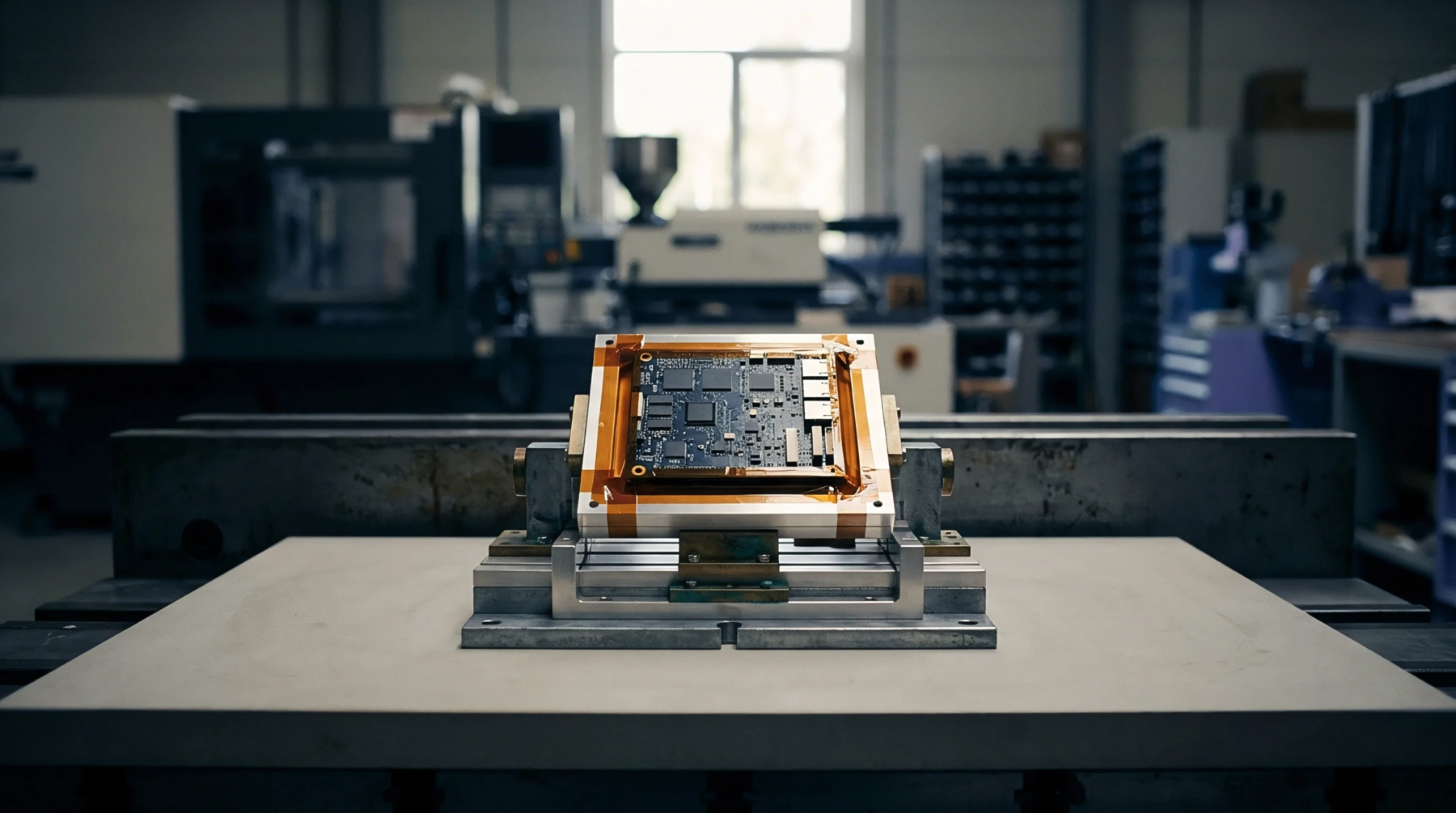
Host enclosure and trace modifications alter modular transmitter emissions, making radiated evaluation and permissive change filings mandatory for market entry.

Modular approval requires eight statutory hardware conditions; host integrators must perform spot checking and unintentional radiator evaluation before market entry.

Coordinating multi-radio permissive changes requires early intermodulation scanning, proactive grant transfers, and simultaneous SAR sum calculations before filing.

Limited modular approvals legally bind host PCB layout, enclosure shielding, and power regulation to the exact conditions stated in the grantee's filing notes.
Host level re-testing for multi-transmitter industrial embedded devices requires evaluating simultaneous transmission intermodulation products inside a semi-anechoic chamber whenever antenna separation drops below 20 cm.
FCC rule changes governing modular radios demand precise classification of trace, antenna, and proximity shifts to prevent illegal radiated emissions.

Firmware updates altering output power, channels, or DFS logic trigger mandatory permissive change filings or retests before distribution.
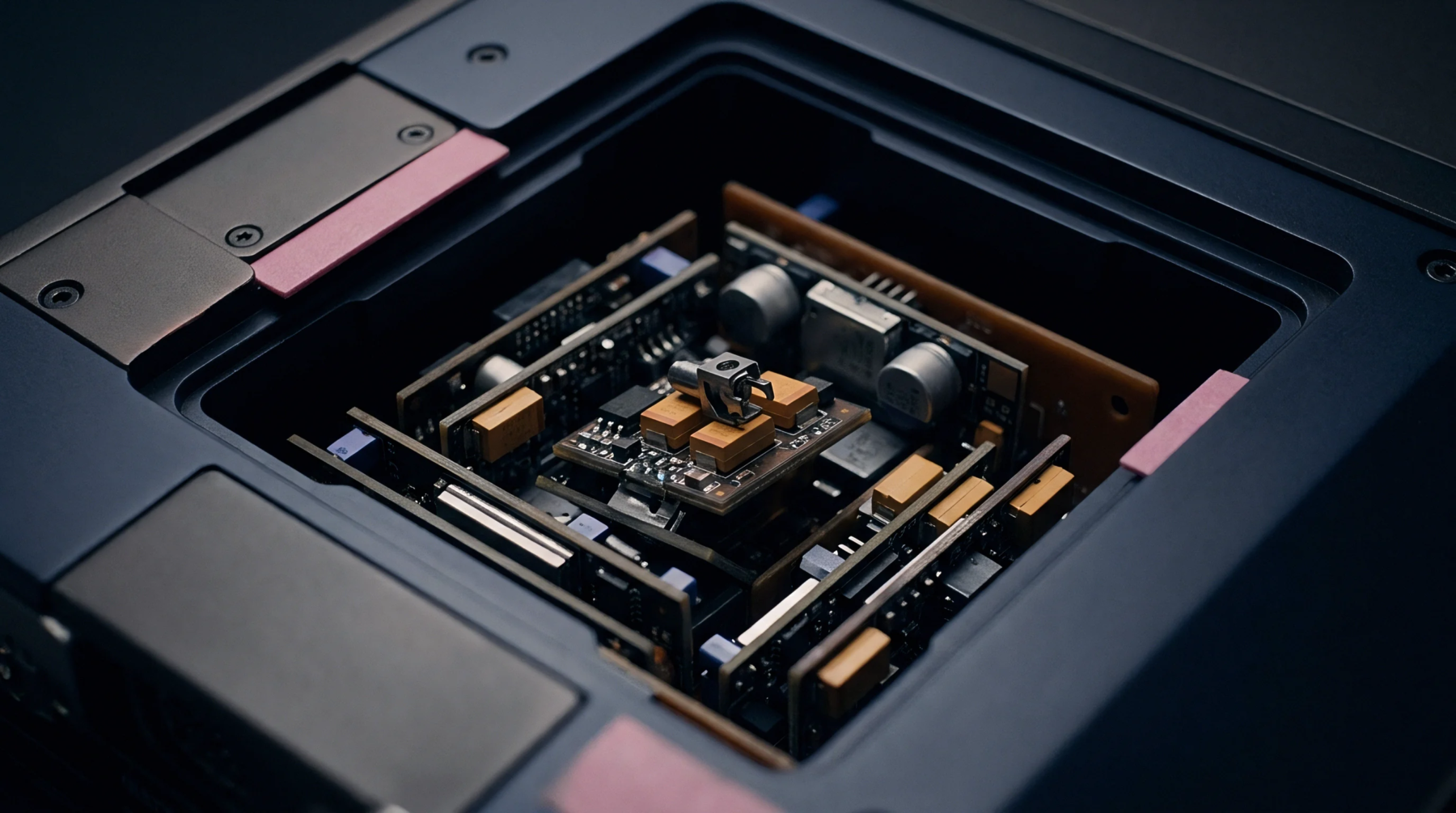
Unlicensed commercial radio access requires precise chamber testing, strict host integration boundaries, and regional type approval filings to prevent customs rejections.

Modular permissive change rules limit host modifications; crossing trace, antenna, or power boundaries forces costly multijurisdictional re-certification.
Expertise is a utility, not a secret. sentiention™ publishes its working knowledge as open reference: intelligence layer covering the materials it sources, the markets it enters, and the reference that serves both.