Meaning
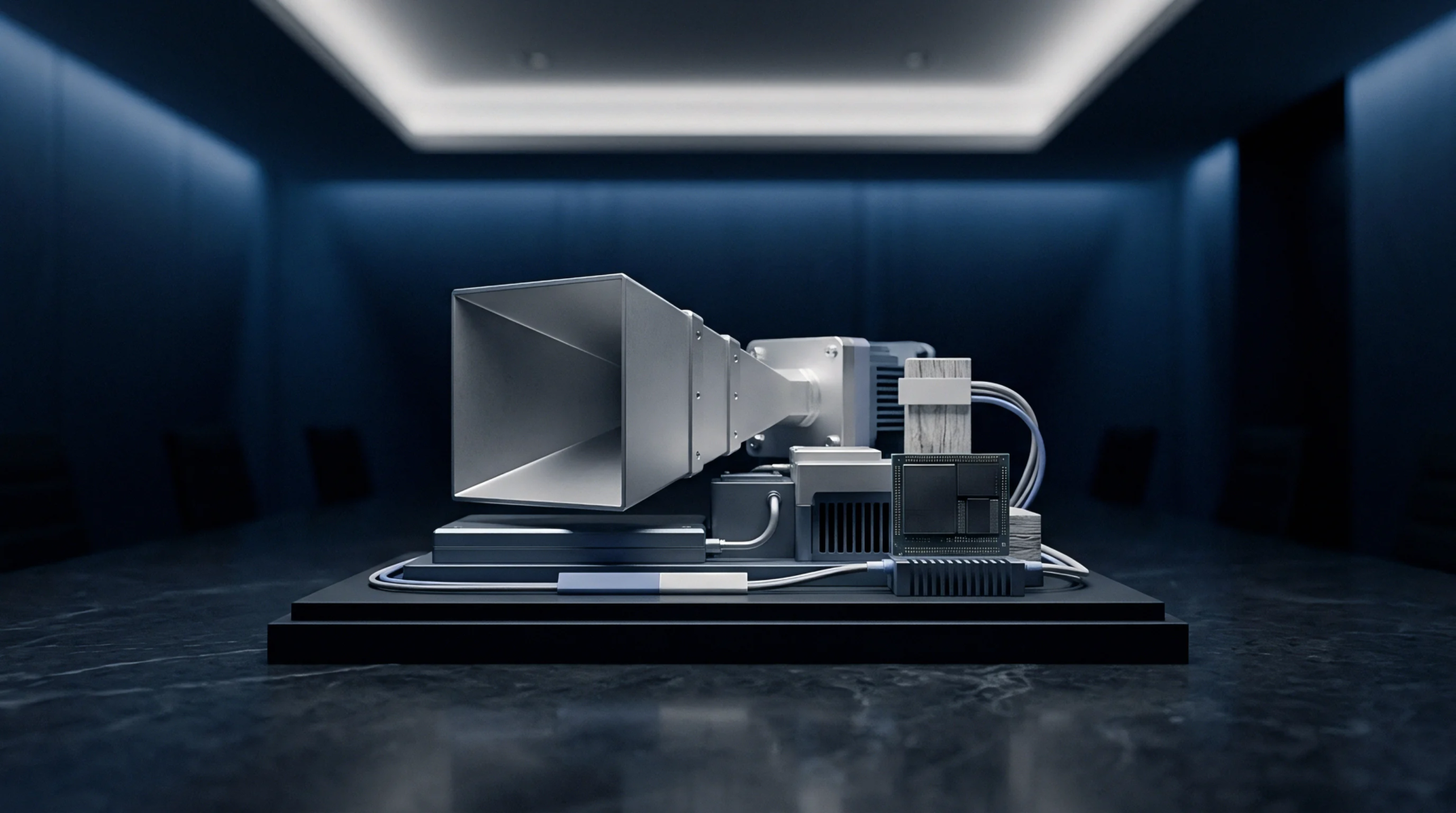
A Class II Permissive Change represents a technical modification to a certified radio transmitter that increases output power, changes the frequency, or alters the emission designator. The c2pc protocol mandates a fresh equipment authorization filing before the hardware ships with the updated specifications. Laboratory testing confirms the altered device continues to satisfy the original emission limits and radio frequency exposure standards established during the initial certification.
Technical Scope
Engineering teams apply this procedure when a design adjustment affects the fundamental operation of an approved modular radio. Hardware changes such as shifting an antenna gain value or modifying the power amplifier stage trigger the requirement for a new filing. These modifications stay within the boundaries of the original device type while adjusting specific performance metrics.
Minor board layout revisions that do not change these primary operating parameters avoid the process.
Compliance Workflow
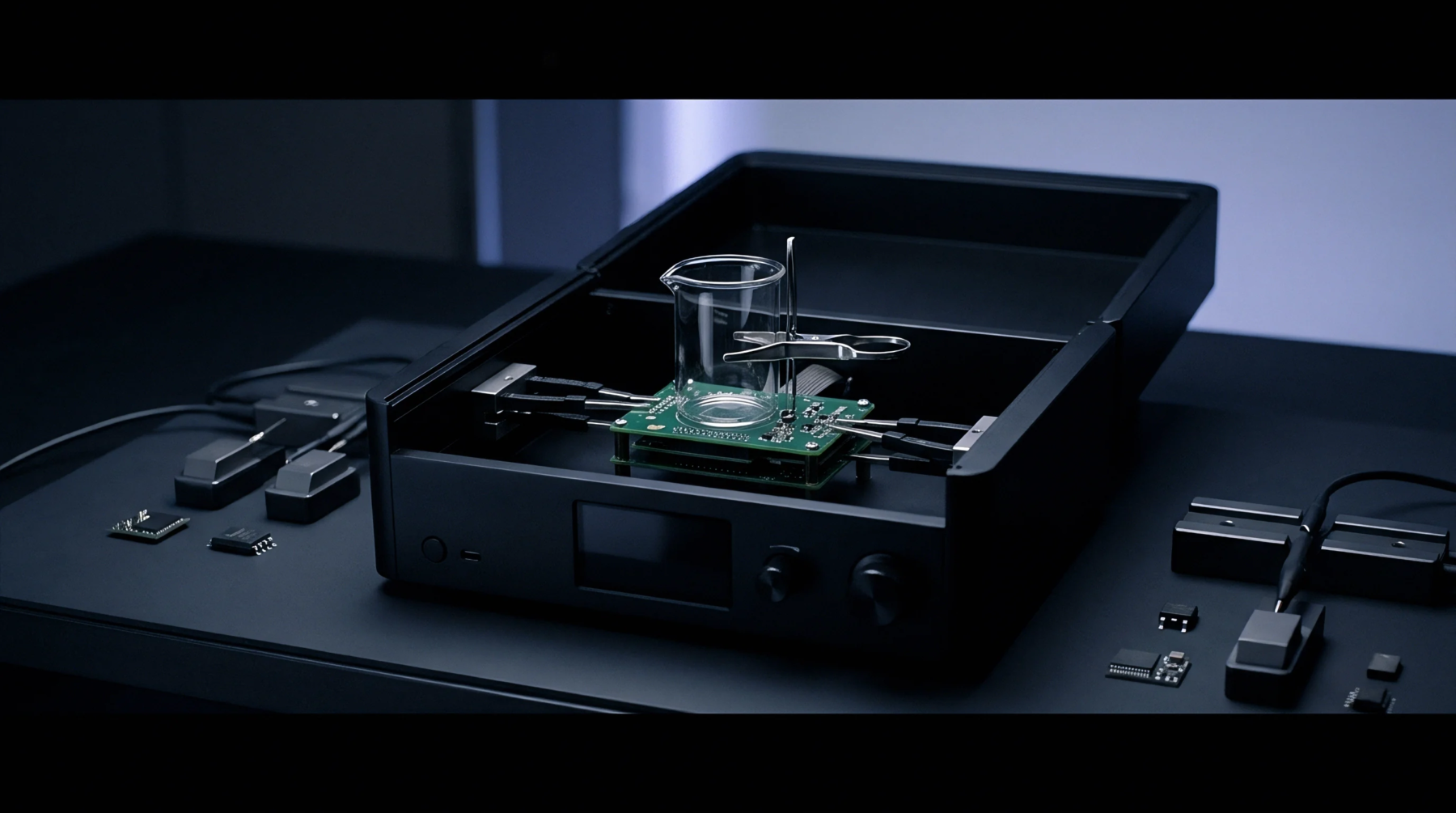
Regulatory bodies grant the authorization only after reviewing evidence that the c2pc retains the integrity of the previous approval. The manufacturer submits test reports documenting how the updated hardware behaves under the new configuration. This submission provides the data necessary for the agency to verify that the change introduces no noncompliance with existing rules.
Testing laboratories perform the necessary measurements to support this application.
Integration Constraint
System designers must verify that a c2pc certification allows for the intended use in a final product enclosure. The radio module retains the original identification number but now carries the updated test records under the permissive change status. Host device manufacturers use this documentation to confirm that the combined radio system complies with the legal requirements for market entry.
A c2pc establishes a clear path for hardware upgrades without necessitating a complete re-certification of the entire device.