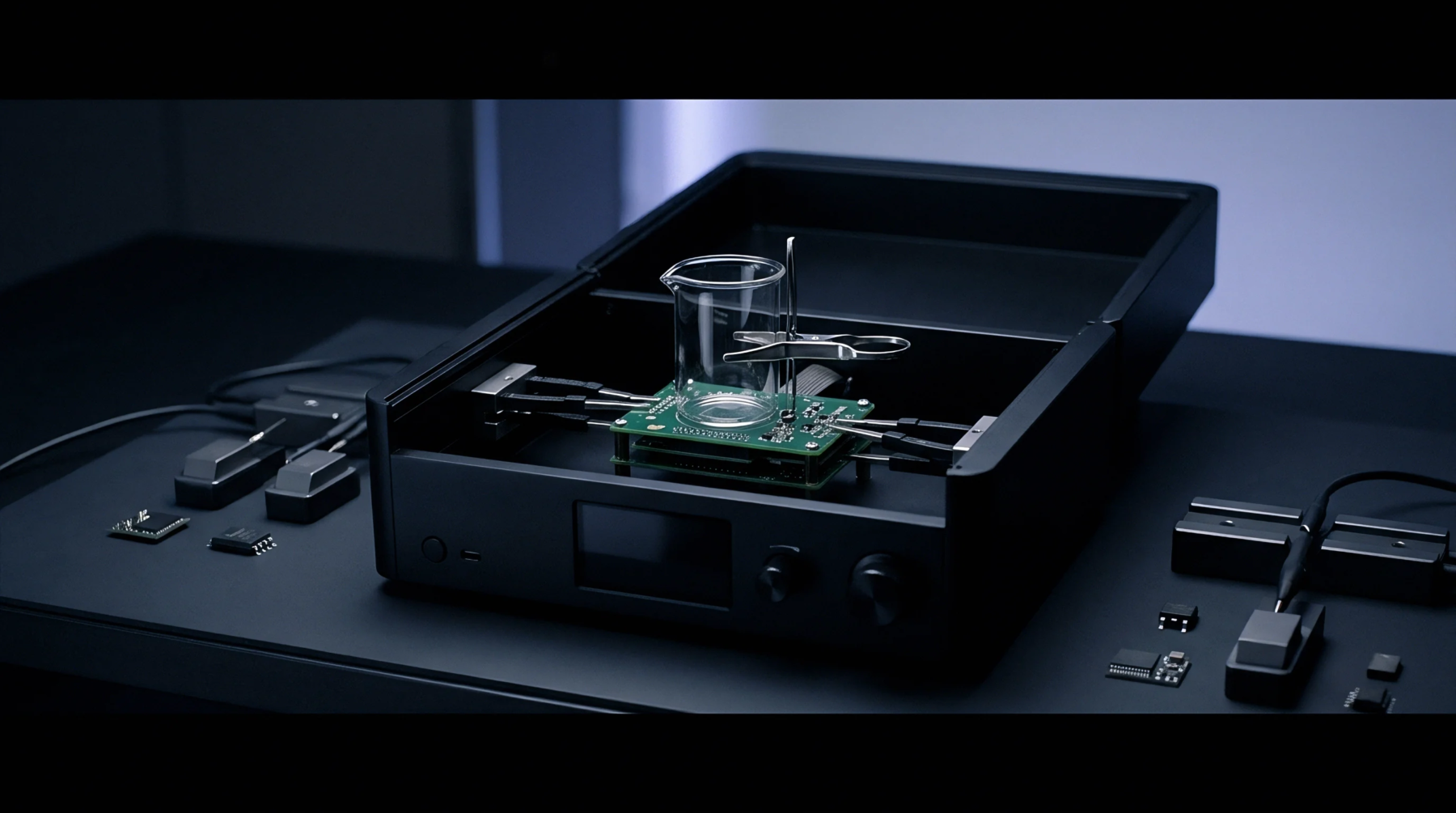
Resolving Host Enclosure Resonances and Spurious Discrepancies in Embedded Radios
Resolving host enclosure resonances relies on identifying cavity modes and sealing seam apertures before submitting embedded radios for regulatory scans.
Resolving host enclosure resonances relies on identifying cavity modes and sealing seam apertures before submitting embedded radios for regulatory scans.
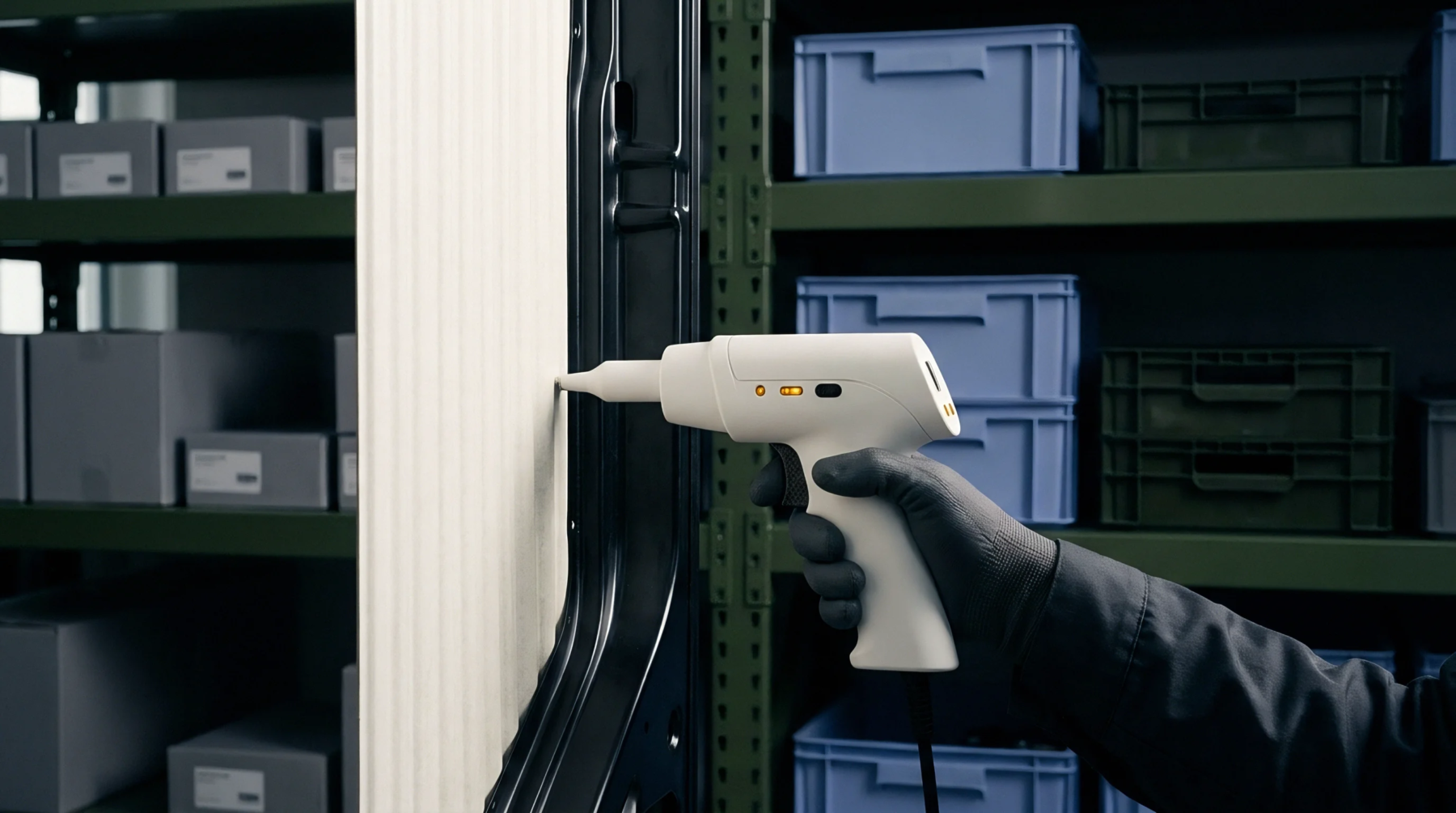
Diagnosing parasitic radiated emissions requires tracing clock harmonic return loops, suppressing cavity resonance, and validating simultaneous transmission grants.
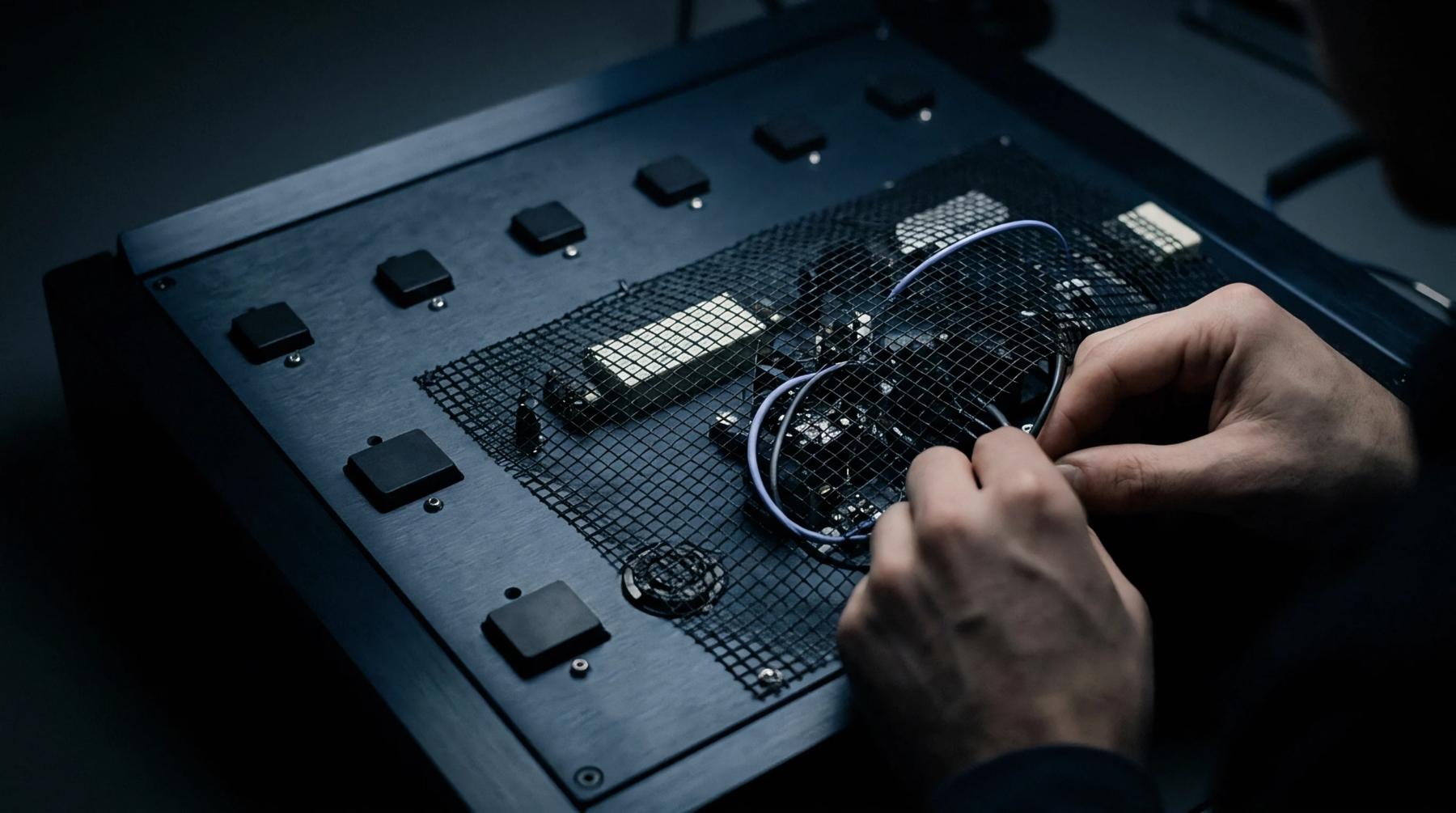
Establishing a verified pre-scan quiet zone baseline isolates host emissions from ambient noise, preventing costly formal accredited chamber retests.
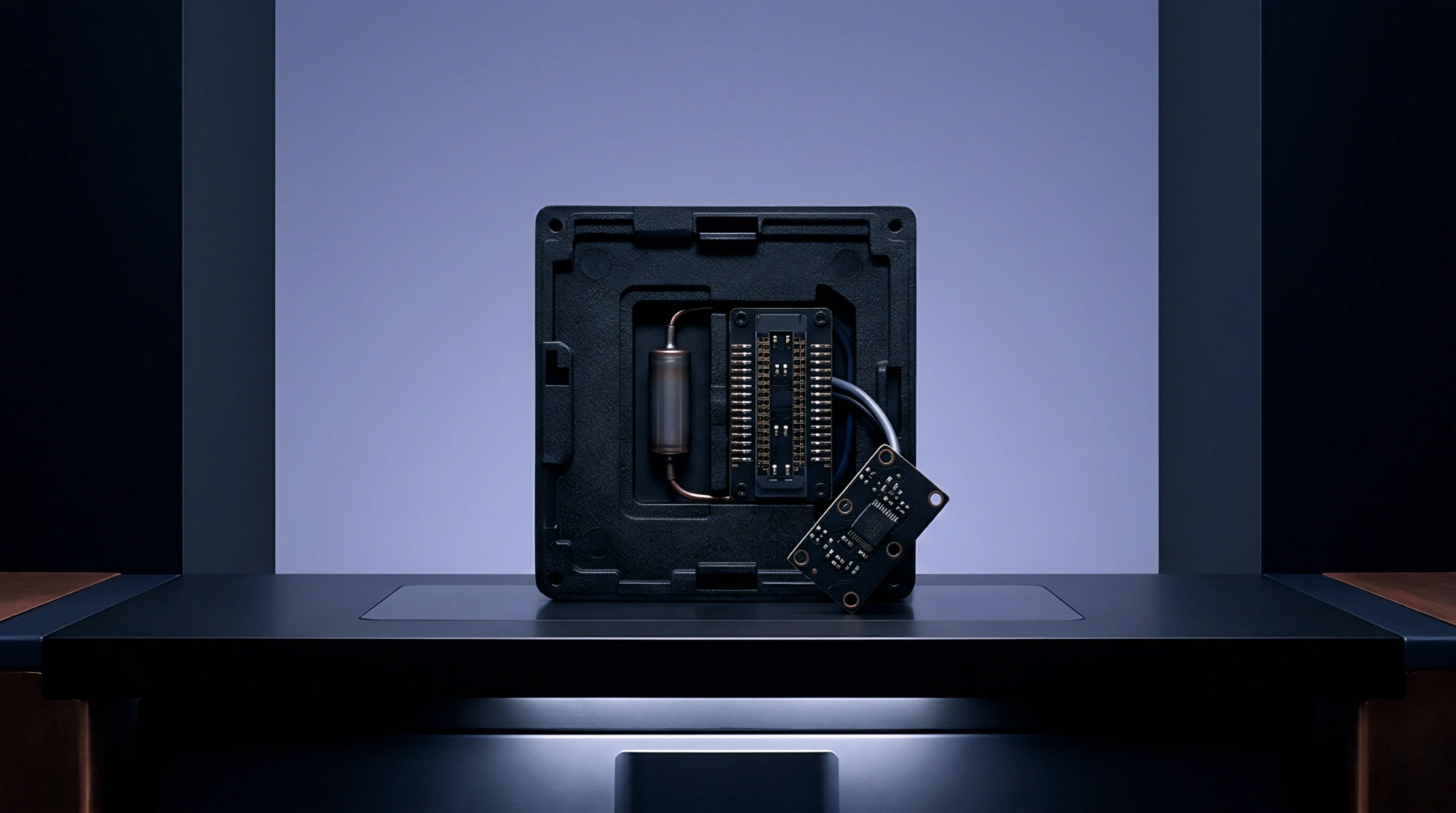
Resolving near field coupling demands tight ground via fencing, solid reference planes, shielded inductors, and continuous enclosure gasket compression.
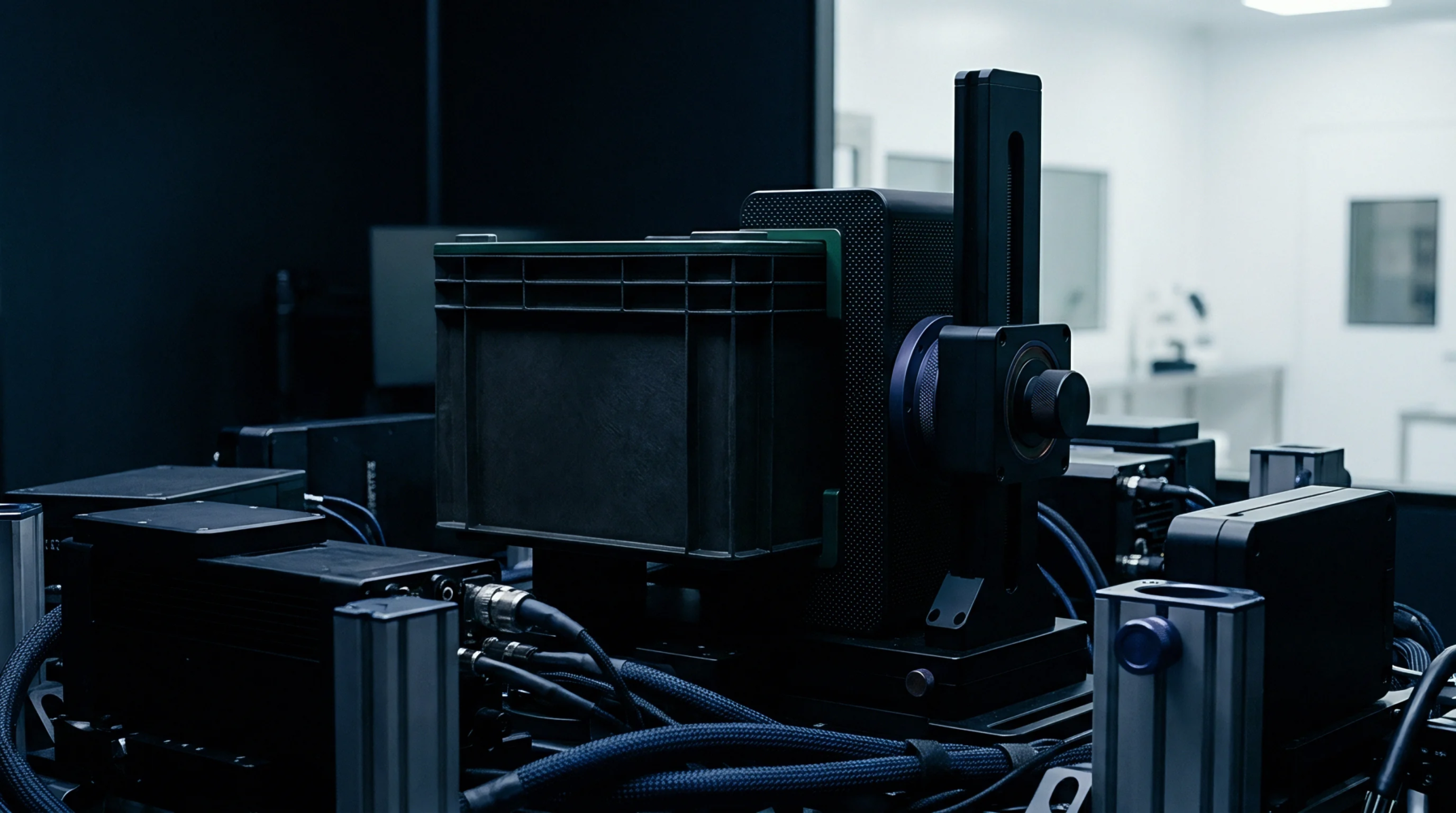
RF micro-coaxial insertion loss escalates through skin-depth resistance, dielectric loss tangent shifts, mechanical flex displacement, and atmospheric oxidation.

Modifying host enclosure materials demands FCC permissive change evaluation when dielectric properties or metallic proximity alter radiated emissions or SAR values.

Enclosure seams and apertures control radiated harmonic leakage through transfer impedance, dictating gasket specs needed for global radio grants.
Expertise is a utility, not a secret. sentiention™ publishes its working knowledge as open reference: intelligence layer covering the materials it sources, the markets it enters, and the reference that serves both.