Meaning
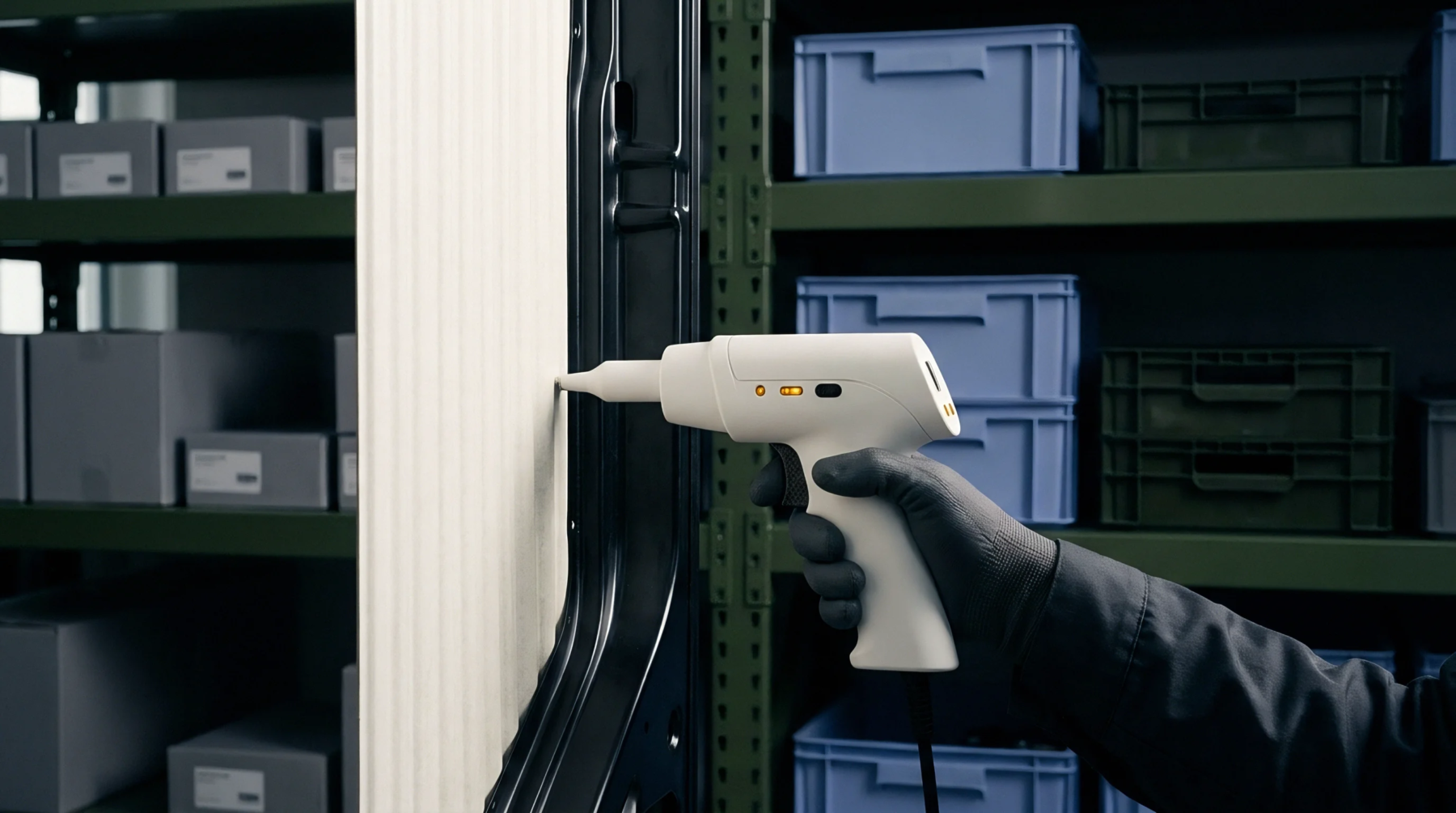
Near field sniffing is an investigative technique used during electromagnetic compatibility diagnostics to detect localized emissions from components on a printed circuit board. This process employs small hand-held probes to capture magnetic or electric fields in close proximity to a device surface. High resolution mapping of these signals allows an engineer to identify a specific source of radio frequency interference without the noise floor limitations of an anechoic chamber.
Diagnostic Workflow
A technician monitors the outputs from these probes on a spectrum analyzer while traversing the surface of the operating module. Careful positioning maintains consistent distance to prevent signal saturation or loss of spatial precision during the scan. By observing peaks on the display, one isolates problematic traces or semiconductor packages that violate emission limits.
This method converts invisible radiation patterns into actionable visual data for hardware modification.
Integration Risk
Proximity to high impedance circuitry alters the local field distribution due to capacitive loading from the probe tip itself. Small contact variations frequently produce disproportionate changes in the recorded amplitude during repetitive test runs. These deviations require strict stabilization of the probe angle and height to ensure that captured measurements remain comparable across different hardware iterations.
Mechanical jigs support these probes to reduce human variability and improve the reliability of the test data.
Performance Constraint
Precise isolation of a noise source remains dependent on the physical diameter of the probe aperture. Smaller loops improve spatial accuracy at the cost of reduced sensitivity at lower frequency bands. This trade off forces a choice between detecting faint harmonic emissions and locating a narrow source of high frequency interference on a dense board layout.
Successful implementation of the technique depends on the balance between magnetic field resolution and the signal to noise ratio of the measurement system.