Evaluating Class Two Permissive Change Triggers for Encapsulated Modules
Class Two Permissive Changes are triggered when physical, antenna, or firmware modifications alter RF emissions or RF exposure without exceeding original grant limits.
Class Two Permissive Changes are triggered when physical, antenna, or firmware modifications alter RF emissions or RF exposure without exceeding original grant limits.

Dense transceiver enclosures generate common-mode currents and dynamic intermodulation across metal seams, requiring early near-field scanning to prevent costly compliance retests.
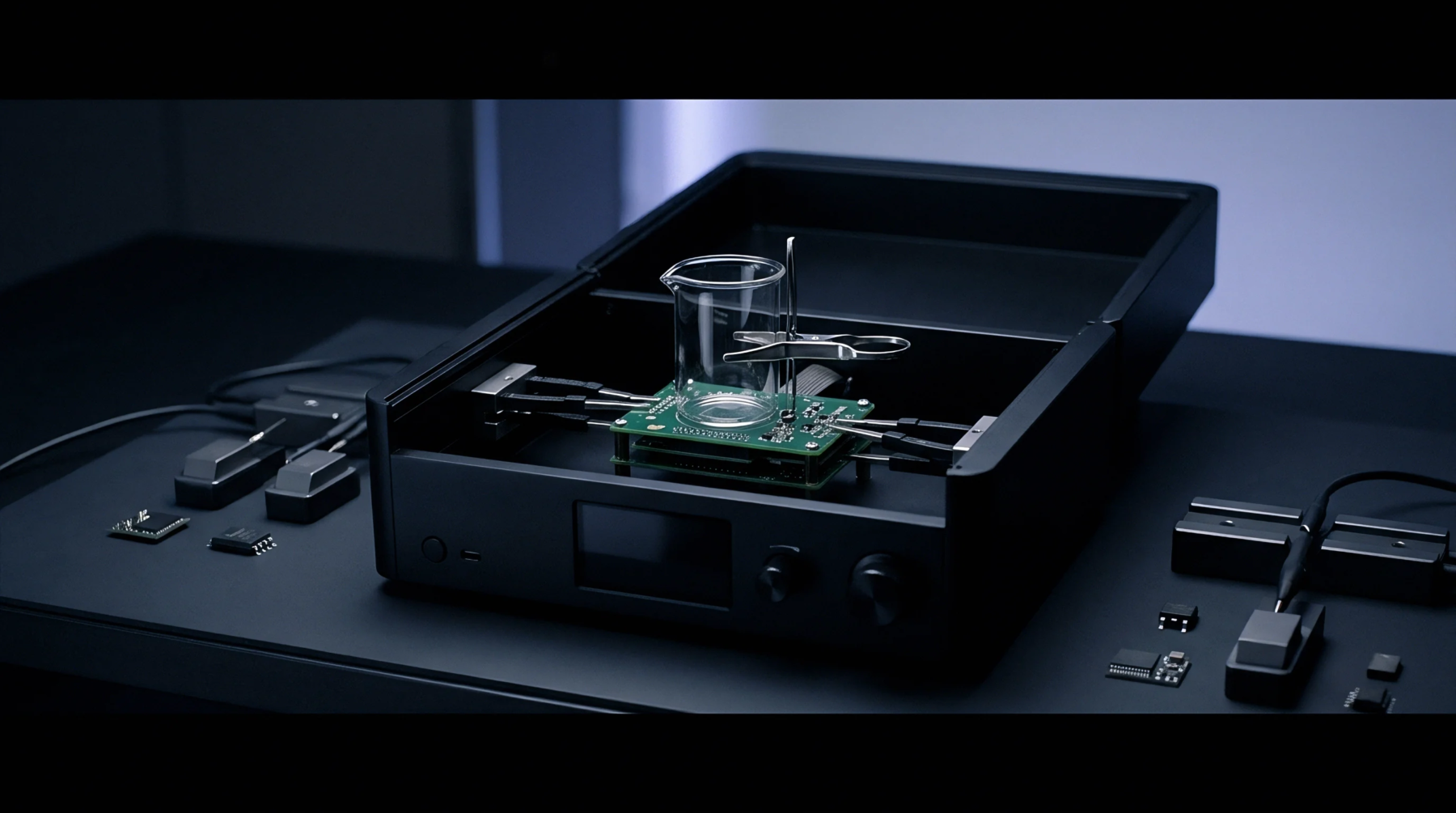
Resolving host enclosure resonances relies on identifying cavity modes and sealing seam apertures before submitting embedded radios for regulatory scans.

Dielectric alterations to certified radio modules alter antenna impedance and radiated emissions, triggering permissive change filings across major global jurisdictions.

Offline transponder signature validation relies on compact elliptic curve keys, efficient memory framing, and compliant reader radio power limits.

Carrier conformance testing demands strict optimization of radiated performance and protocol signaling to prevent costly hardware re-qualification delays.
Semicustom wireless module break-even hinges on offsetting upfront NRE and regulatory fees against unit BOM savings across yield-adjusted volume thresholds.

Host integrators assume full regulatory liability for non-compliant RF exposure and spurious emissions whenever physical host enclosure coupling, antenna substitutions, or co-located radios deviate from original modular grant conditions.
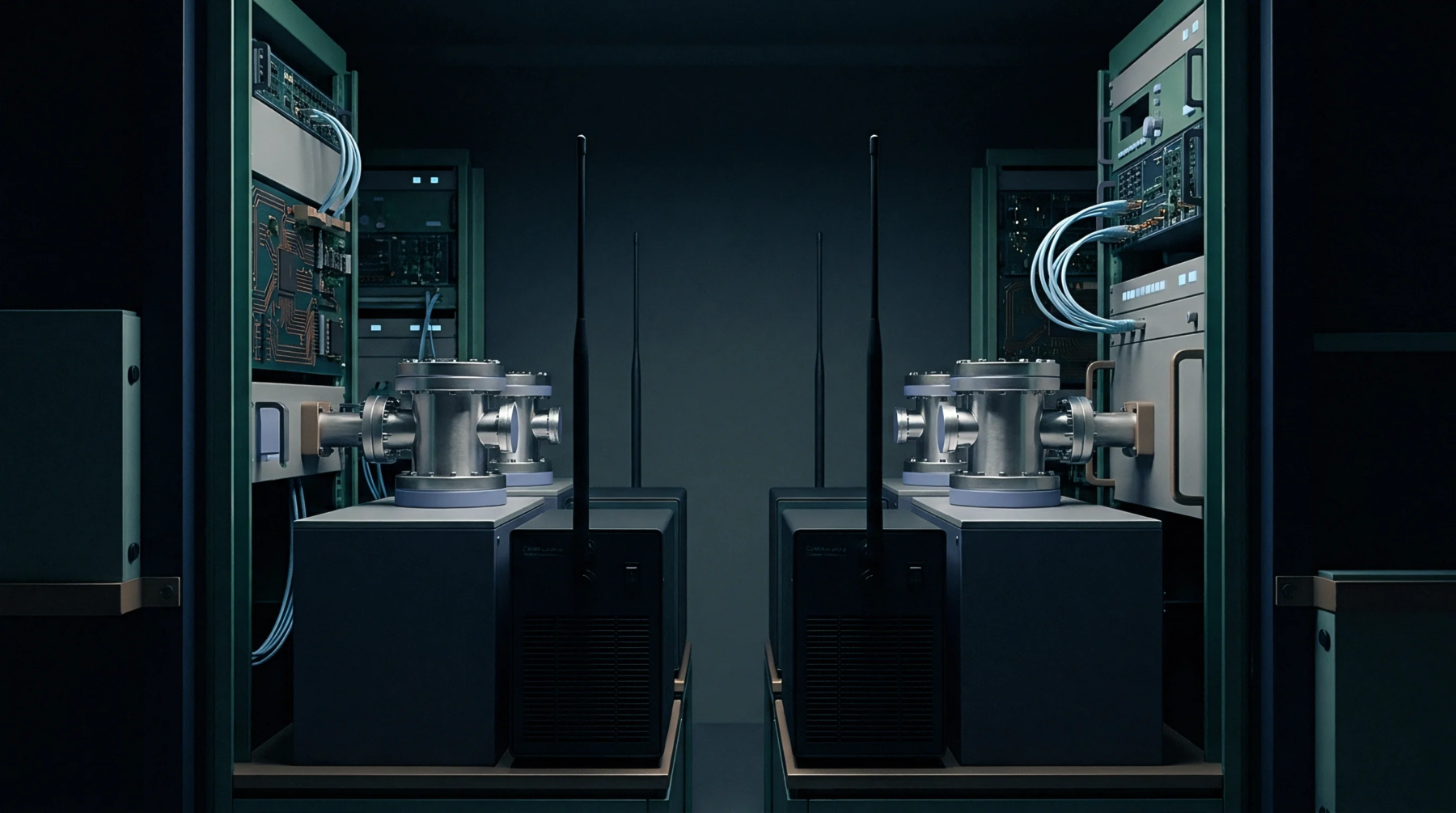
Integrating approved radio modules into custom host enclosures alters radiated spurious emissions, demanding targeted spot checks to preserve market compliance.

Laboratory radiated delta scans isolate RF emission changes caused by firmware updates to verify modular approval validity without full re-certification testing.
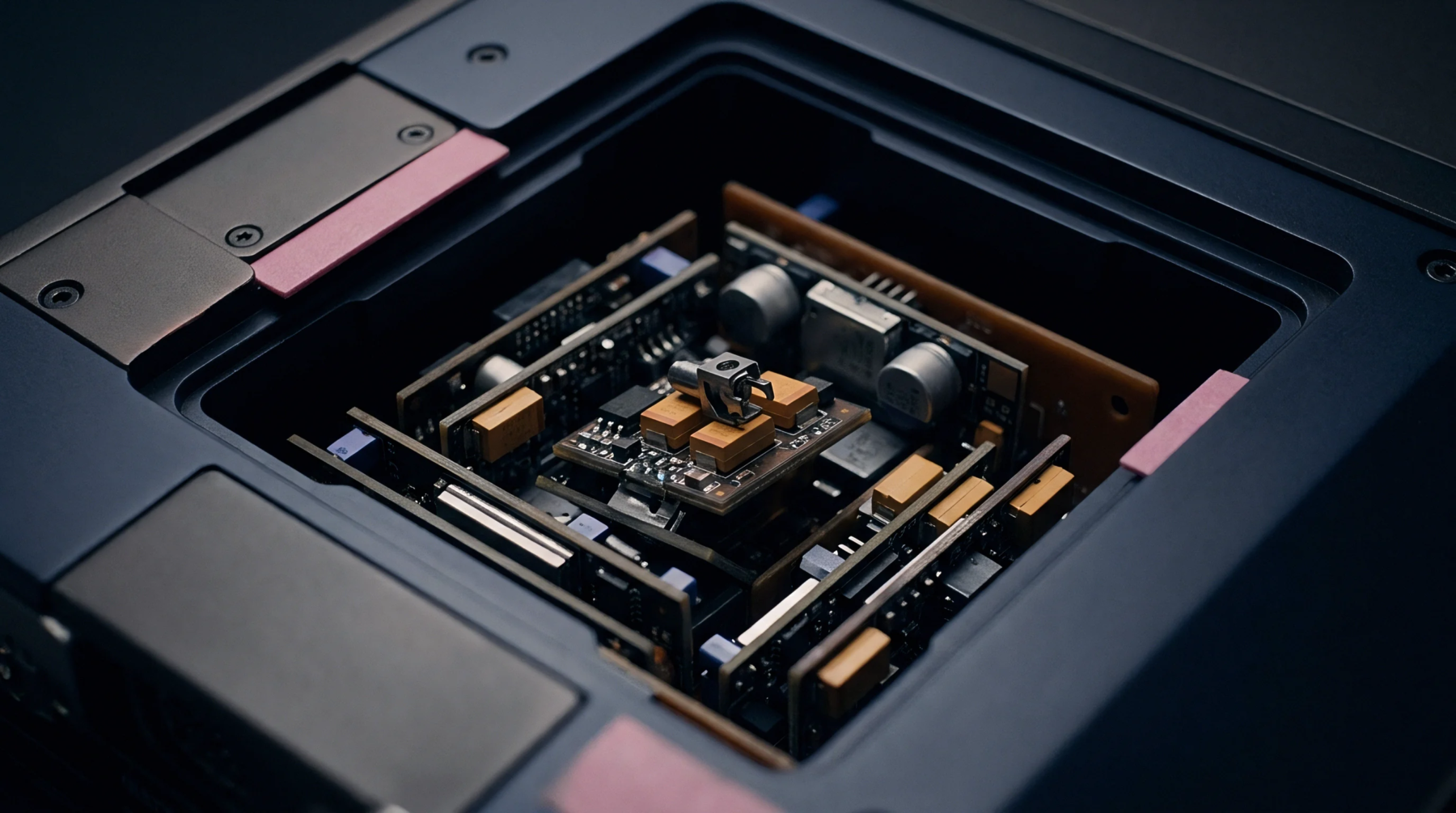
Obtaining SRRC type approval requires accredited domestic laboratory testing, valid in-country agency representation, and strict RF emission compliance.

Intermediate host integration requires Class II Permissive Changes when antenna gain, trace layout, or RF exposure separation distances change from original grant conditions.

Pre-certified FCC modular grants eliminate fundamental radio testing but require strict host trace adherence, exposure compliance, and Part 15B verification.
Early co-simulation of enclosure dielectric loading and counterpoise geometry prevents costly mold tooling revisions and regulatory recertification delays.

Total isotropic sensitivity verification requires spherical anechoic testing to capture housing detuning and active internal EMI desense missed by conducted tests.
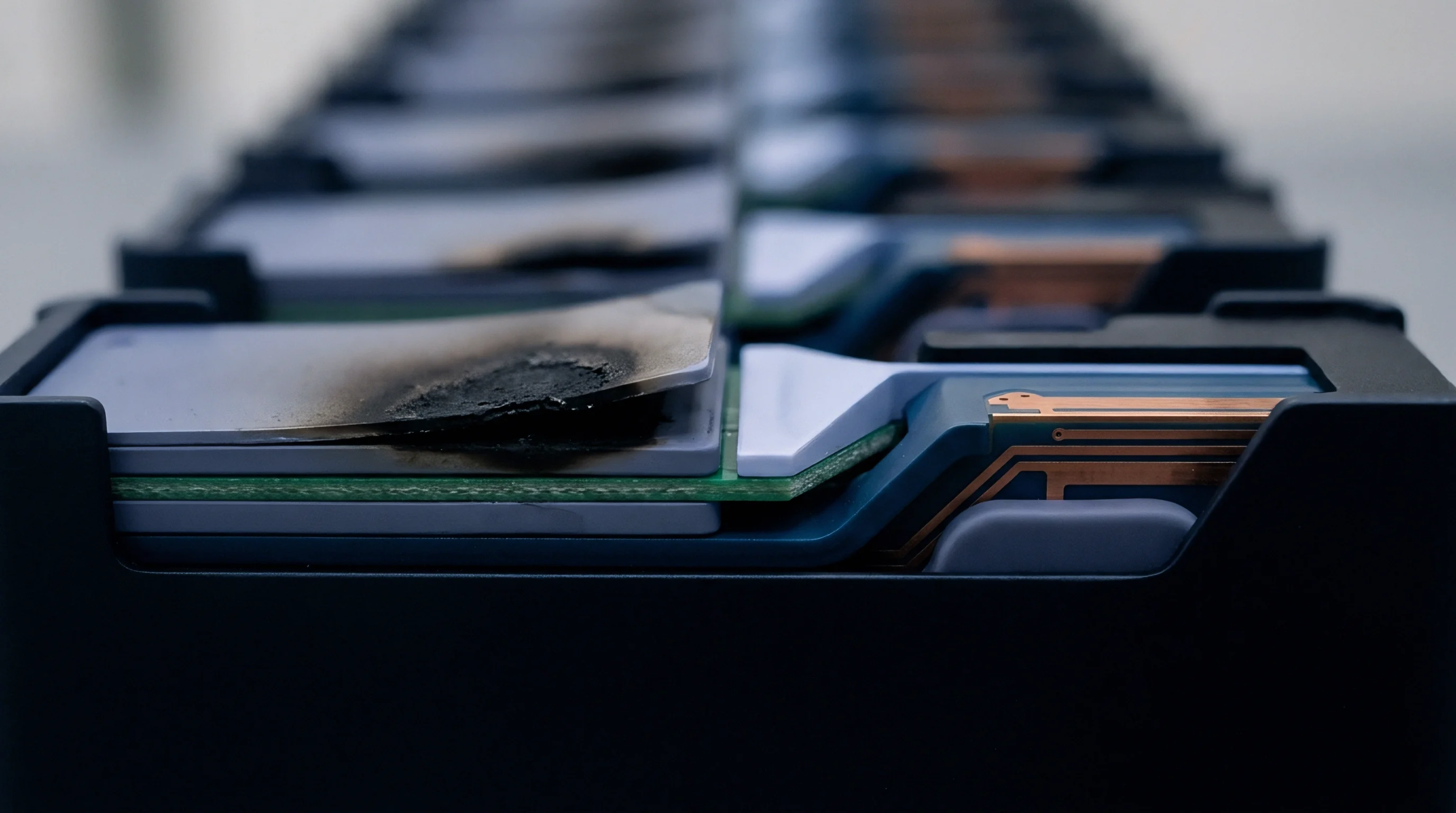
Resolving cellular hardware radiated margin loss requires isolating internal digital board noise and stabilizing multi-band antenna matching under real deployment conditions.

Auditing test laboratory scopes requires matching exact standard versions, frequency limits, and regulatory recognition before filing market entry applications.

Potting encapsulation shifts multi-band antenna resonance via dielectric loading, requiring precise trace tuning and Class II Permissive Change filings.

Characterizing polymer permittivity and loss tangent under free-space conditions ensures radar enclosure attenuation remains within strict type-approval limits.

Installing a certified radio module inside a metal enclosure alters RF radiation patterns, requiring host-level radiated spurious emission retesting and potential permissive change filings.
Expertise is a utility, not a secret. sentiention™ publishes its working knowledge as open reference: intelligence layer covering the materials it sources, the markets it enters, and the reference that serves both.