Meaning
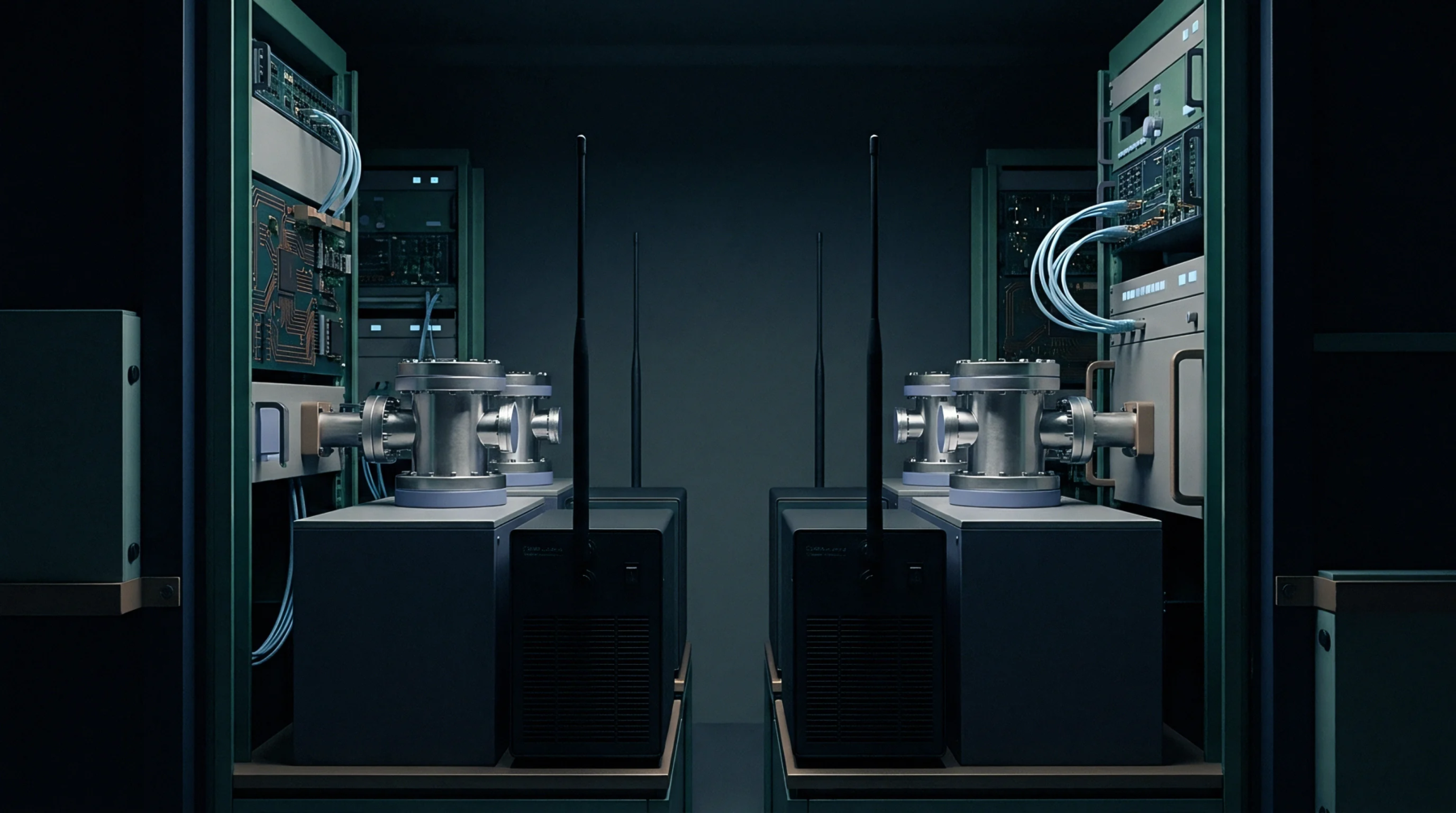
A specialized shielded enclosure designed to suppress internal acoustic reflections and absorb electromagnetic waves provides an isolated testing environment for wireless devices. This anechoic chamber creates free space conditions by lining interior walls with pyramid shaped foam wedges and ferrite tiles that attenuate signal bounce. Such isolation permits precise measurement of antenna radiation patterns and transmitter power without interference from ambient room noise or exterior cellular signals.
The boundary of this calibration space stops at the quiet zone where plane wave criteria hold true across the device under test.
Shielding Architecture
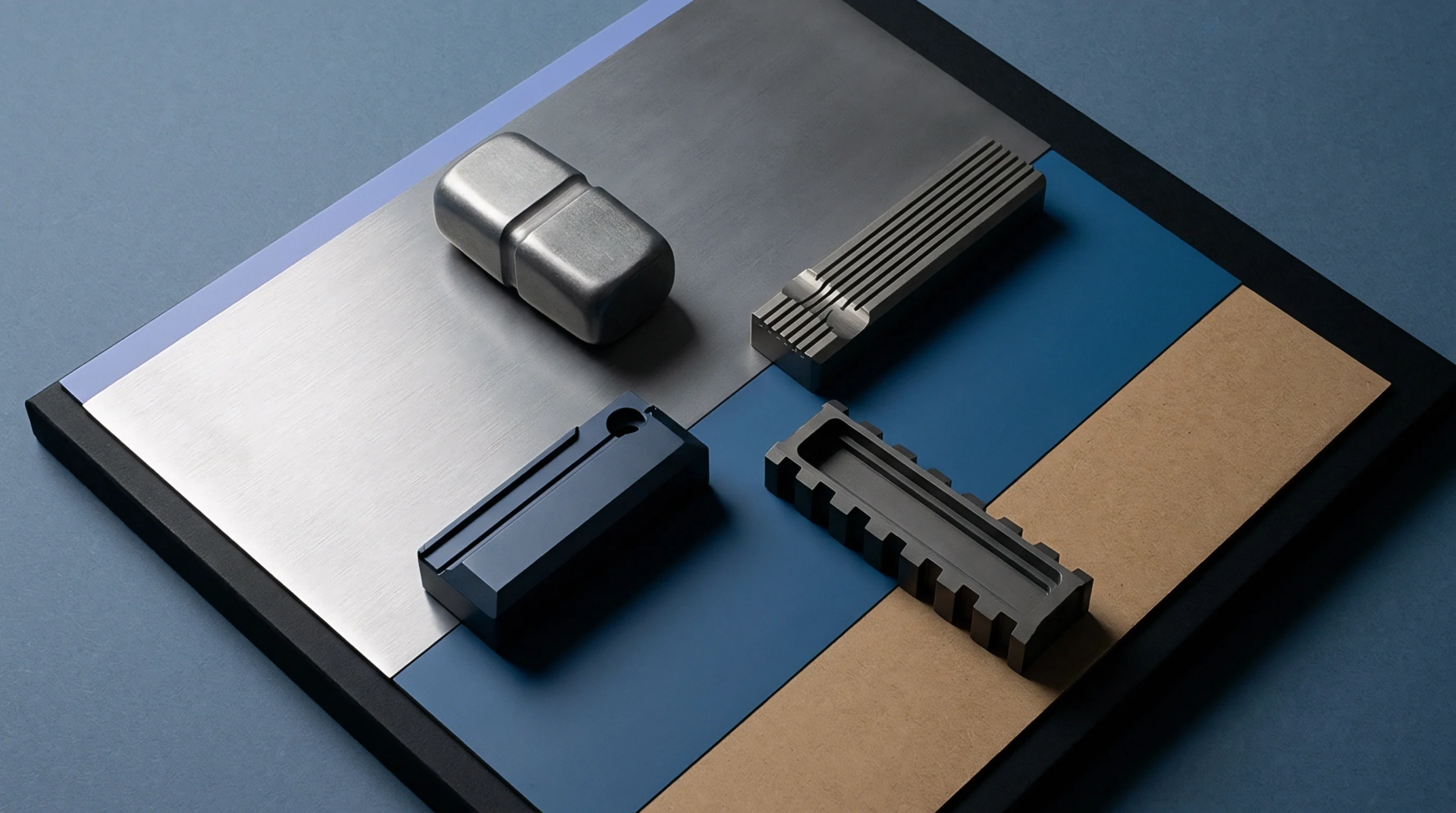
Radio frequency containment relies upon welded steel plate outer skins joined to copper gasketed door seals. This heavy mechanical construction blocks outside cellular interference from entering the quiet zone during active transmitter verification sequences. Galvanized structural framing supports both the heavy wall panels and the dense interior absorbing materials without transferring mechanical vibration into the internal testing volume.
Grounding grids tie directly to facility earth to prevent parasitic voltage loops from distorting low level receiver sensitivity measurements during compliance checks.
Thermal Load
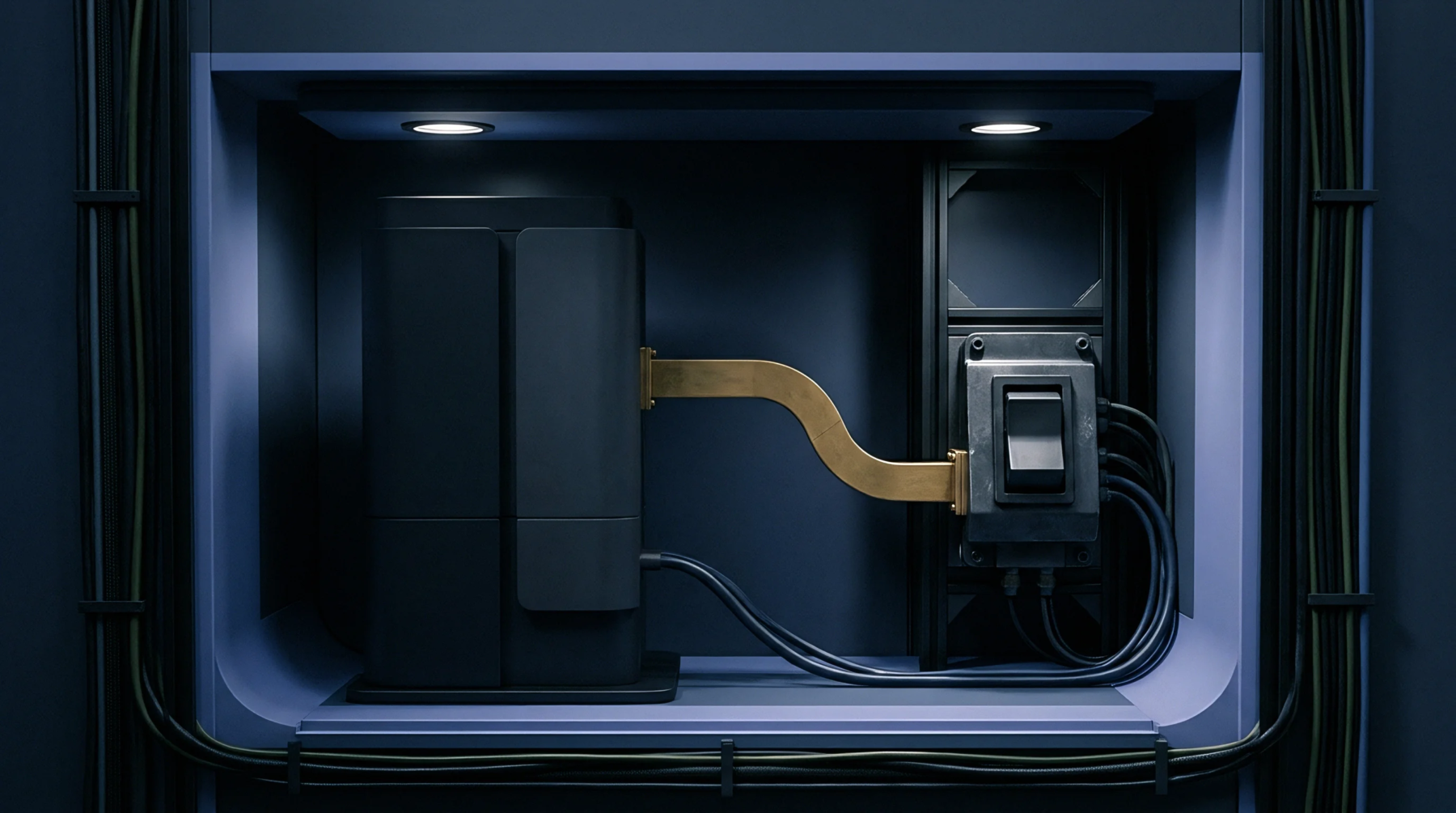
Internal heat dissipation from active cellular base stations creates significant temperature gradients inside closed enclosures. Heavy duty environmental control systems circulate conditioned air through microwave absorbing baffles that trap thermal energy while suppressing signal leakage through the ventilation ducts. High capacity cooling loops maintain stable ambient operating temperatures required for accurate semiconductor junction stress screening during long duration transmission tests.
Temperature sensors mounted near the positioning tower monitor local thermal expansion rates to prevent mechanical misalignment between the horn antenna and the target module.
Acoustic Absorption
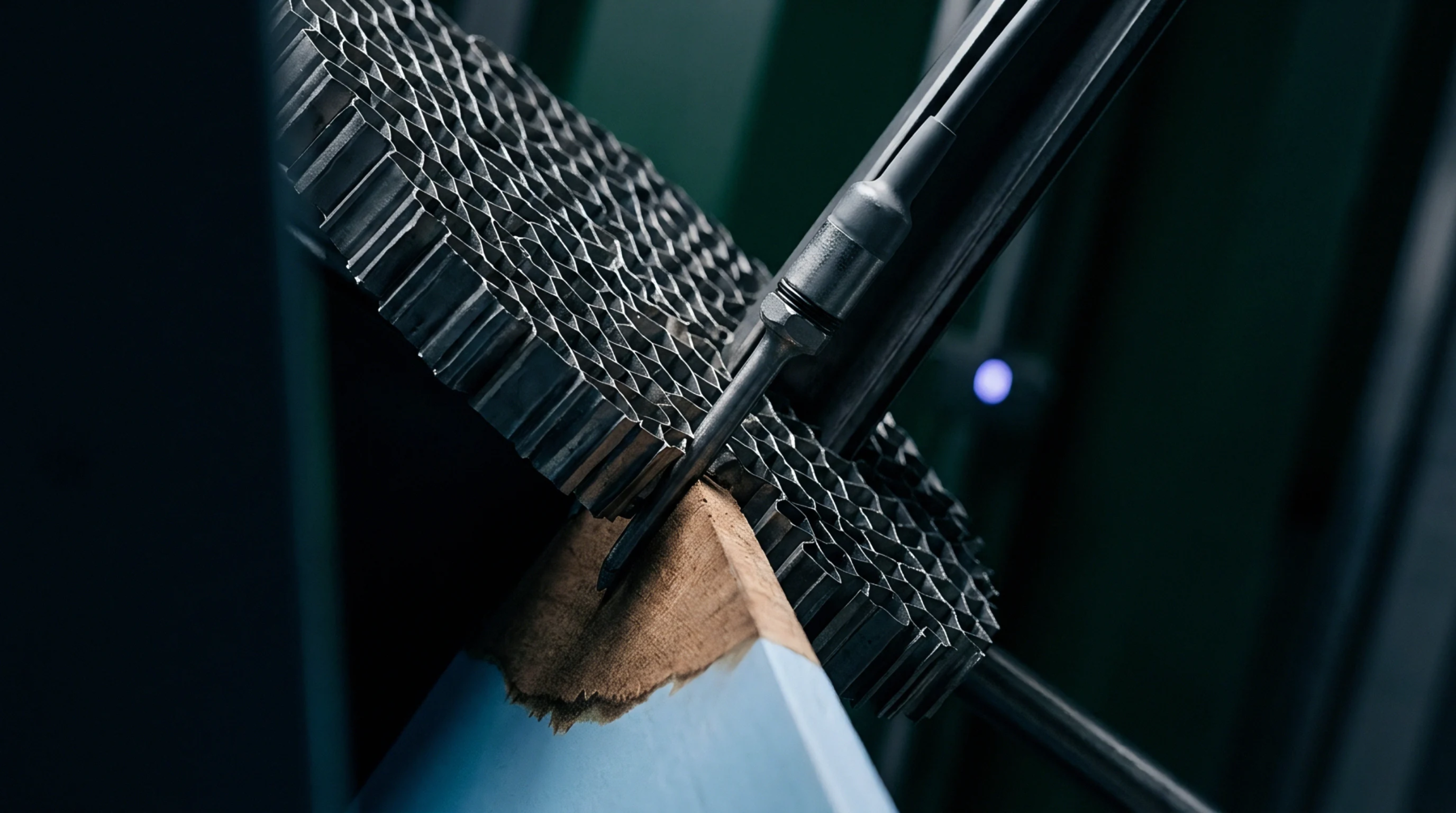
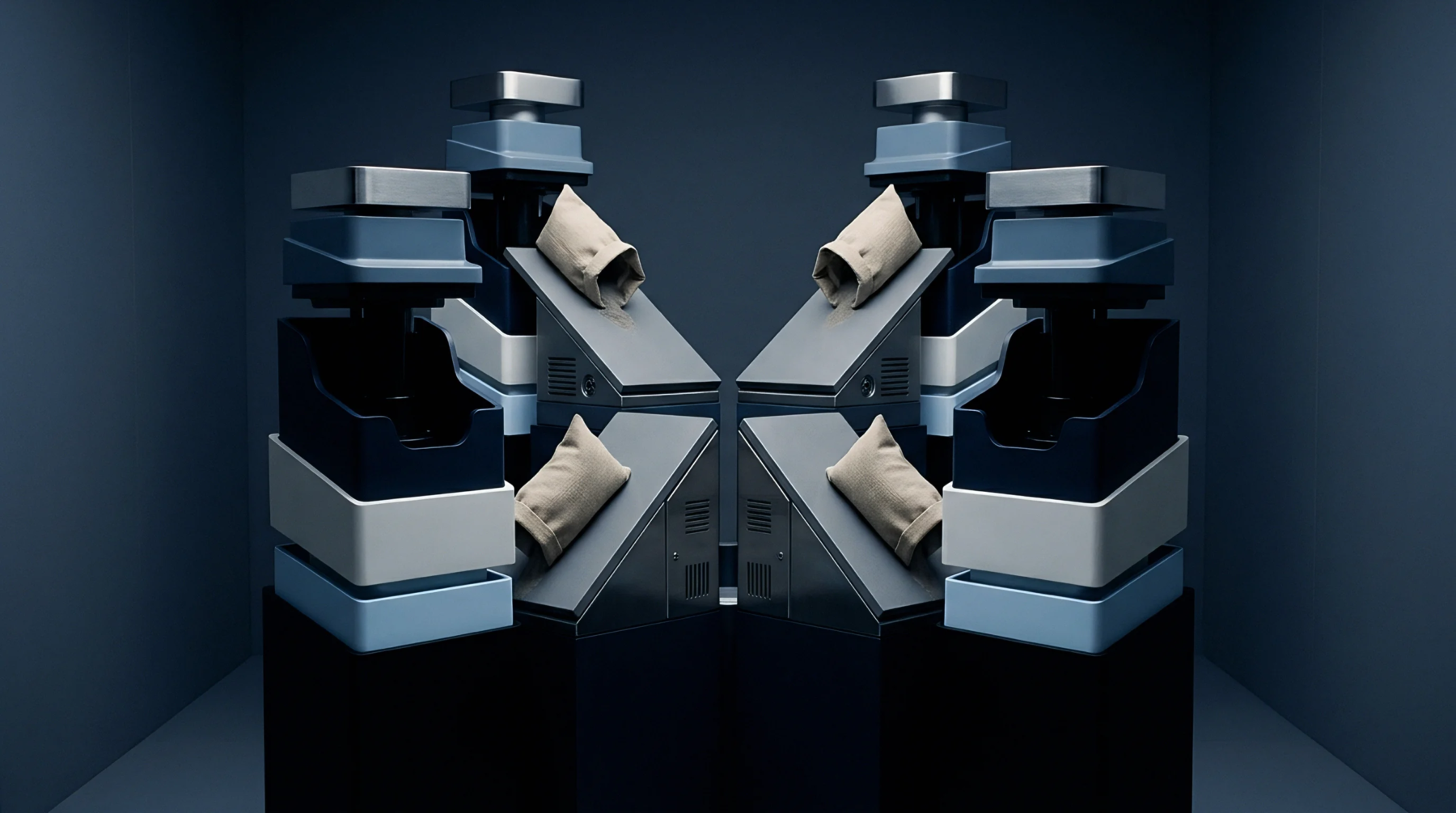
Wedge geometry determines the lower frequency cutoff limit where electromagnetic waves scatter rather than absorb into the resistive foam structure. Carbon loaded polyurethane pyramids trap incoming high frequency signals by guiding energy deeper into progressively denser lossy material until complete conversion into heat occurs. Foam density profiles vary according to specific wavelength absorption requirements specified in standard certification test plans defined by regulatory agencies.
Signal attenuation performance degrades rapidly below the designed frequency floor when wavelength dimensions exceed the physical height of the interior wall wedges.