
Standard RF Microstrip Impedance Verification on Multilayer Host Circuit Boards
Verify multilayer RF microstrip impedance using calibrated on-board TDR probing to reveal hidden etch and resin shifts that margin coupons routinely mask.
Verify multilayer RF microstrip impedance using calibrated on-board TDR probing to reveal hidden etch and resin shifts that margin coupons routinely mask.
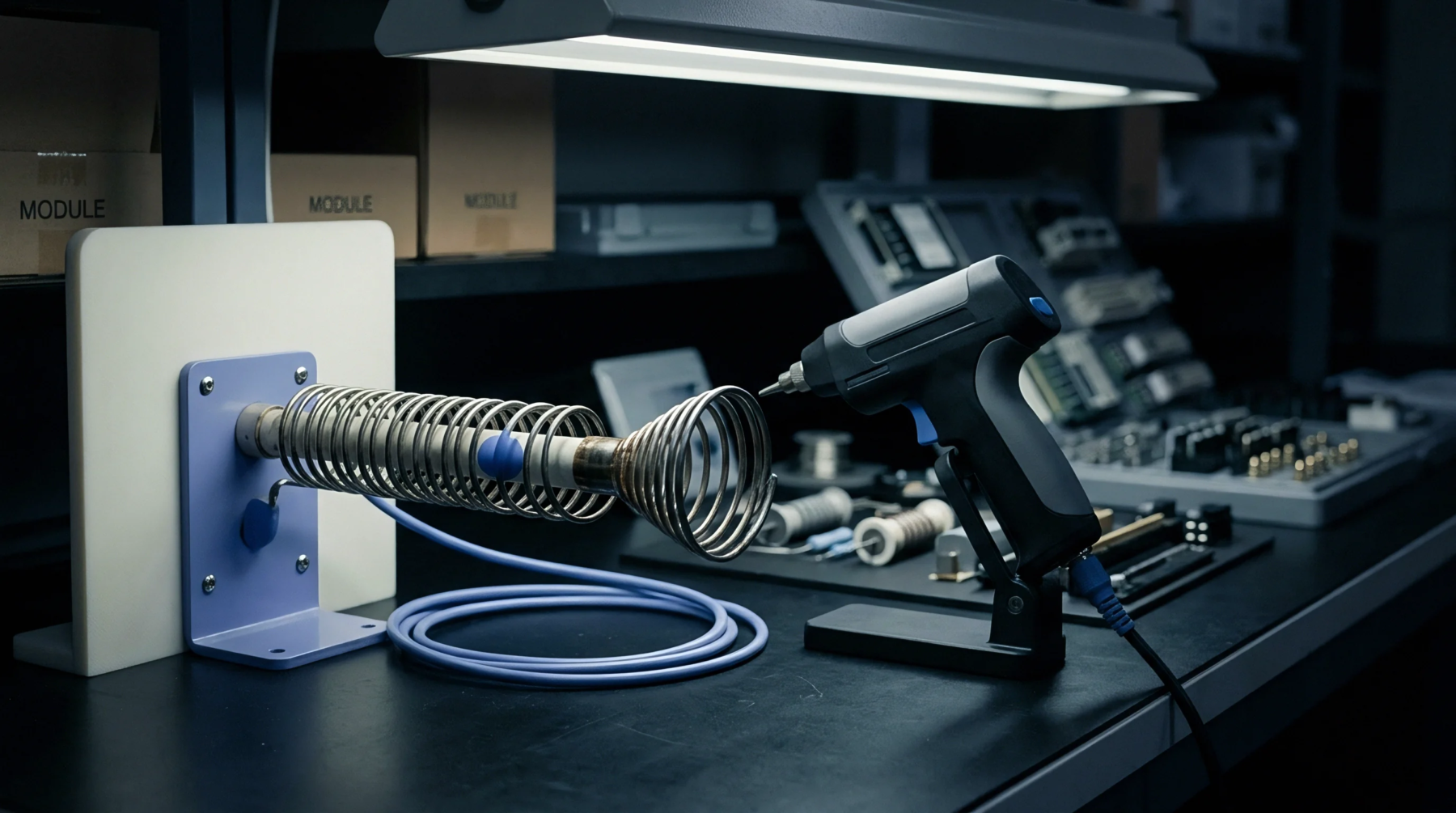
Micro coaxial insertion loss stems from skin-depth conductor resistance, polymer dielectric dissipation, braid leakage, and crimp-induced reflections.

Auditing microcontroller die shrinks requires measuring sub-nanosecond edge rates with active probes and enforcing contractual IBIS simulation transfer gates.

Antenna detuning shifts transmitter power amplifier load impedance away from nominal conjugate match, slashing power added efficiency and draining battery reserves.

Severe antenna detuning elevates power amplifier current and airtime during profile reselection, driving battery voltage below shutdown limits.
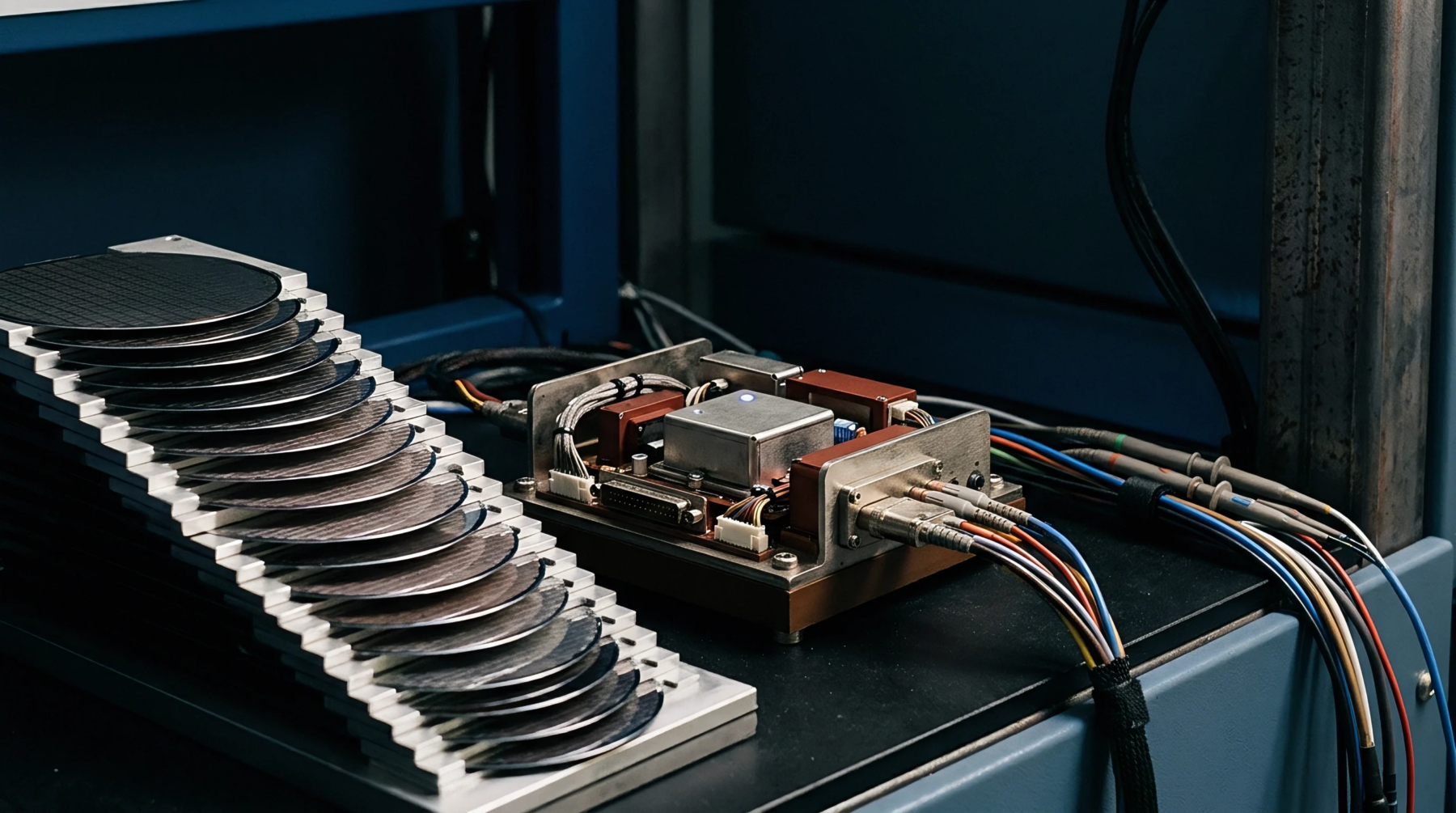
Dynamic impedance matching stabilizes RF power amplifier load lines during battery voltage droop to prevent signal distortion and premature device shutdown.

Precise W-band dielectric characterization suppresses radome reflection, preventing boresight errors and eliminating costly regulatory recertification cycles.
Expertise is a utility, not a secret. sentiention™ publishes its working knowledge as open reference: intelligence layer covering the materials it sources, the markets it enters, and the reference that serves both.