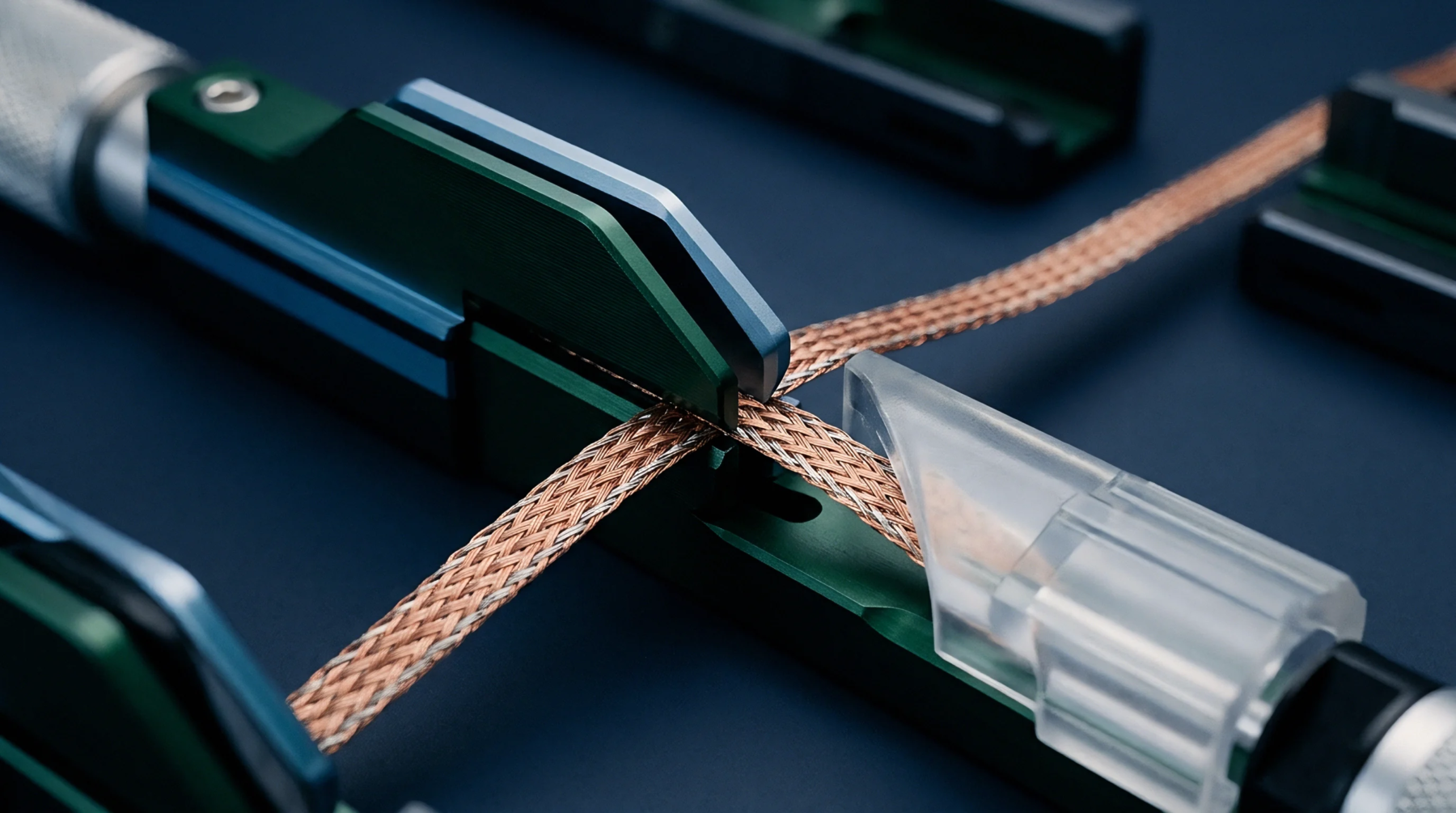
Pulsed Battery Drain Profiles under Sub-GHz Mismatched RF Loads
Sub-GHz antenna detuning increases transmit current over eighty percent, triggering severe battery voltage droop that demands hybrid capacitor buffering.
Sub-GHz antenna detuning increases transmit current over eighty percent, triggering severe battery voltage droop that demands hybrid capacitor buffering.

Antenna detuning shifts transmitter power amplifier load impedance away from nominal conjugate match, slashing power added efficiency and draining battery reserves.
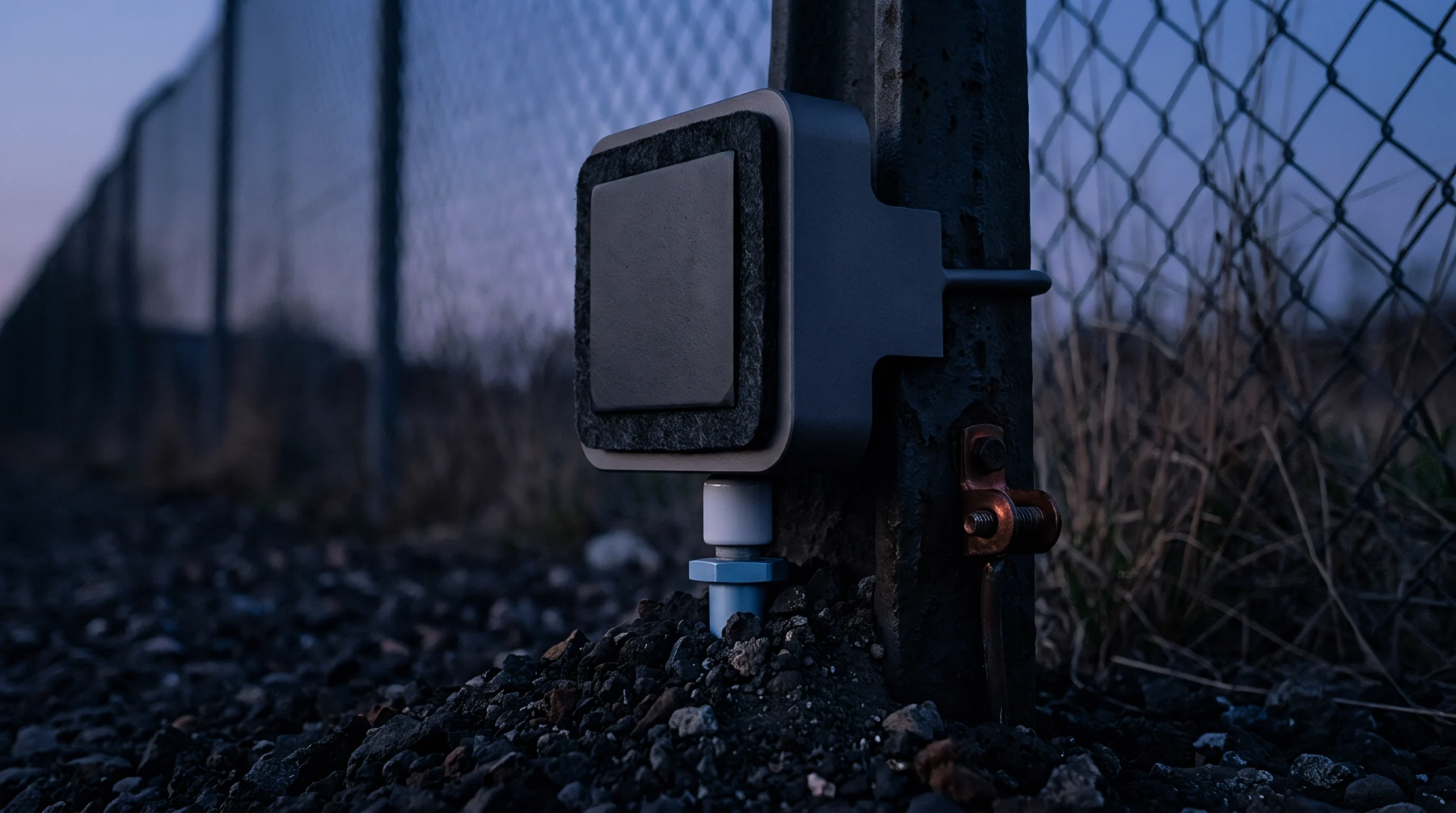
Subterranean RF attenuation forces high-power repetition modes that choke LiSOCl2 cathode pores with LiCl precipitate, demanding hybrid capacitor buffers.
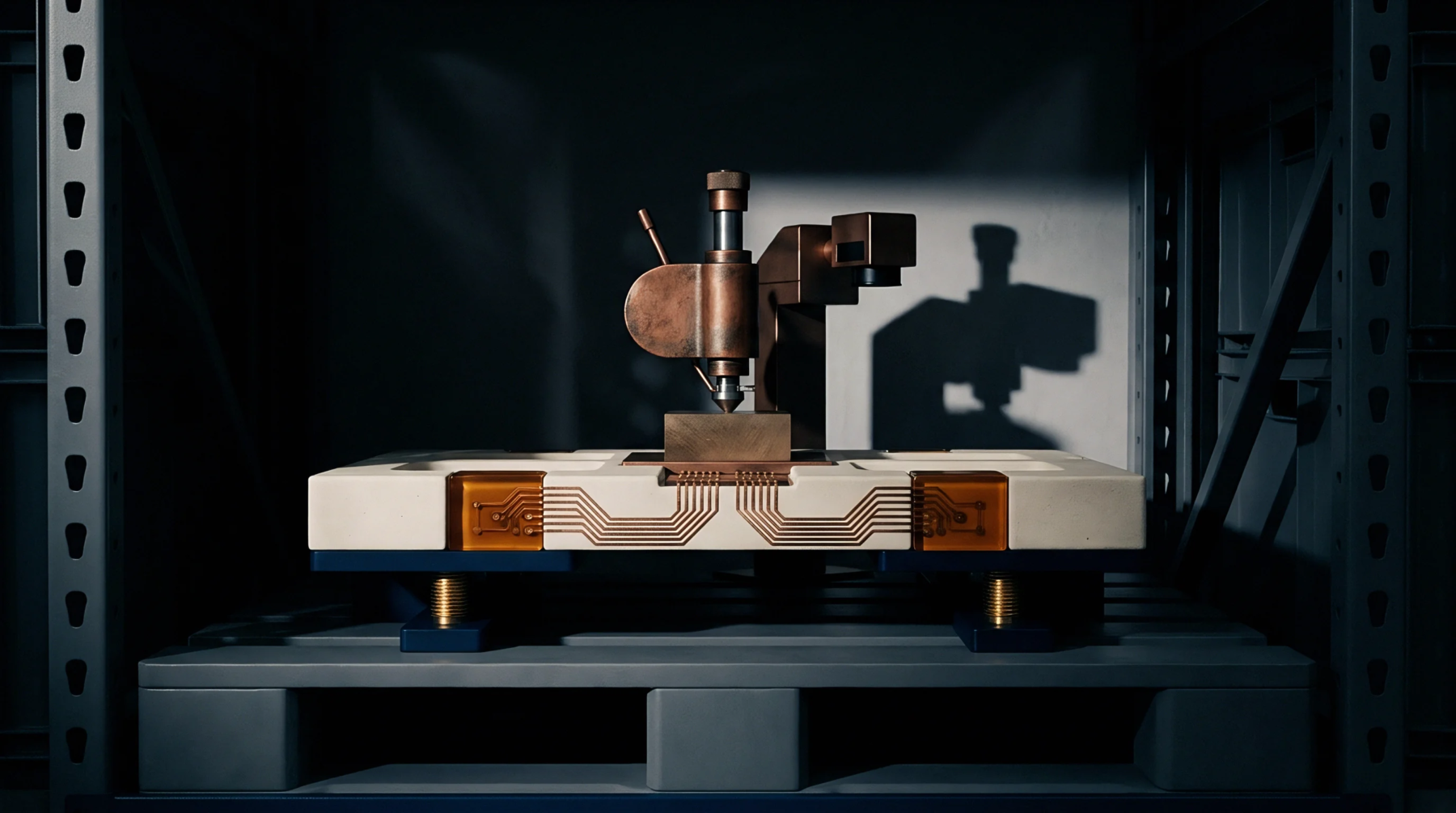
Sub-GHz PA power bursts generate micro-Kelvin crystal thermal gradients that shift carrier frequency, demanding thermal isolation and tight TCXO specification.
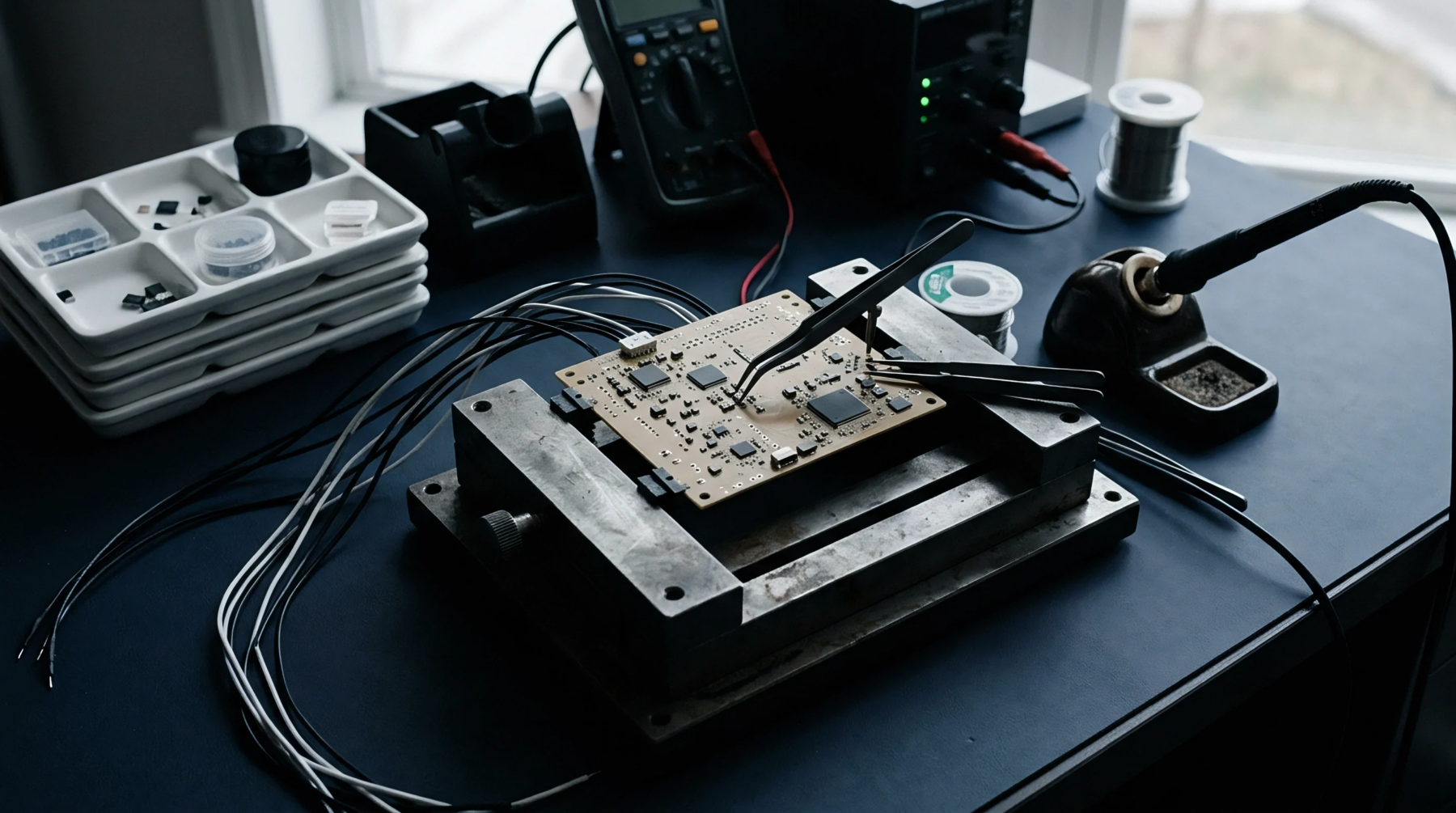
Transferring Korean KC radio registrations requires joint RRA filings, laboratory test report consent, and precise UNI-PASS importer matching to prevent border holds.
Sub-GHz protocols penetrate structural walls with 10 to 20 dB less attenuation than 2.4 GHz radios, securing long-range low-power indoor links.
RF micro-coaxial insertion loss escalates through skin-depth resistance, dielectric loss tangent shifts, mechanical flex displacement, and atmospheric oxidation.
Dynamic impedance matching mitigates RF power amplifier reflection losses, preserving battery voltage stability and operational lifespan in wideband radios.

Wireless protocol selection fixes physical range, payload boundaries, power draw profiles, regulatory approvals, and landed hardware costs across target markets.

LoRa duty cycle ceilings restrict packet frequency by limiting hourly transmission airtime, forcing trade-offs between spreading factor, payload size, and battery life.
Expertise is a utility, not a secret. sentiention™ publishes its working knowledge as open reference: intelligence layer covering the materials it sources, the markets it enters, and the reference that serves both.