Optimizing Cellular Baseband Backoff Timers against Carrier Steering Signaling Rejections
Optimizing cellular baseband backoff timers with randomized jitter prevents battery drain and SIM lockout during aggressive carrier steering rejections.
Optimizing cellular baseband backoff timers with randomized jitter prevents battery drain and SIM lockout during aggressive carrier steering rejections.

Optimize SGP.32 execution timers by capping handshakes to 35s on LTE-M and 75s on NB-IoT while enforcing immediate baseband deep sleep after transmission faults.

eUICC fallback timers for unsolicited detachments require hysteresis windows and backoff algorithms to prevent energy depletion and carrier SLA penalties.

Synchronizing gateway payload aggregation with cellular modem and carrier inactivity timers eliminates micro-bursts that trigger exponential overage billing.

PDP context session rounding inflates cellular IoT data charges by applying minimum billing floors upon link release, requiring persistent sockets or aggregated tariffs.

Sub-GHz antenna detuning increases transmit current over eighty percent, triggering severe battery voltage droop that demands hybrid capacitor buffering.

Antenna detuning shifts transmitter power amplifier load impedance away from nominal conjugate match, slashing power added efficiency and draining battery reserves.

Subterranean RF attenuation forces high-power repetition modes that choke LiSOCl2 cathode pores with LiCl precipitate, demanding hybrid capacitor buffers.
Continuous multi-second cellular repetition bursts pull battery voltage below brownout limits unless buffered by low-ESR capacitors.

Landed cost penalties in cellular deployments compound through regional certification surcharges, carrier profile fees, tariff codes and roaming airtime multipliers.

Carrier conformance testing demands strict optimization of radiated performance and protocol signaling to prevent costly hardware re-qualification delays.

Modem attach retries at peak RF output drain battery packs rapidly; firmware must enforce exponential backoff and PSM sleep to preserve battery life.
Cellular IoT power management matches PSM and eDRX timers to application frequency while decoupling peak pulse currents from battery internal resistance.

IMSI switching consumes fixed 1.5 to 18 Joules; executing switches becomes energy-efficient only when roaming timer backoffs exceed four attach retries.

Configuring T3412 and T3324 timers requires balancing network-assigned limits against terminal sleep current to ensure multi-year battery operational life.
Inter-carrier steering forces prolonged radio frequency scanning and timer renegotiations that accelerate battery passivation collapse and premature field failure.

Mitigate seven year eUICC fleet overages by pairing pooled dynamic tariffs with tight TCP socket controls to eliminate session rounding multiplication.
Select LTE Cat-M1 for balanced mobility and power, or Cat 1bis for universal global roaming at the cost of higher battery capacity.
Cellular IoT session rounding increments can multiply billable data volumes by twenty times, turning raw sensor updates into severe monthly carrier overage charges.
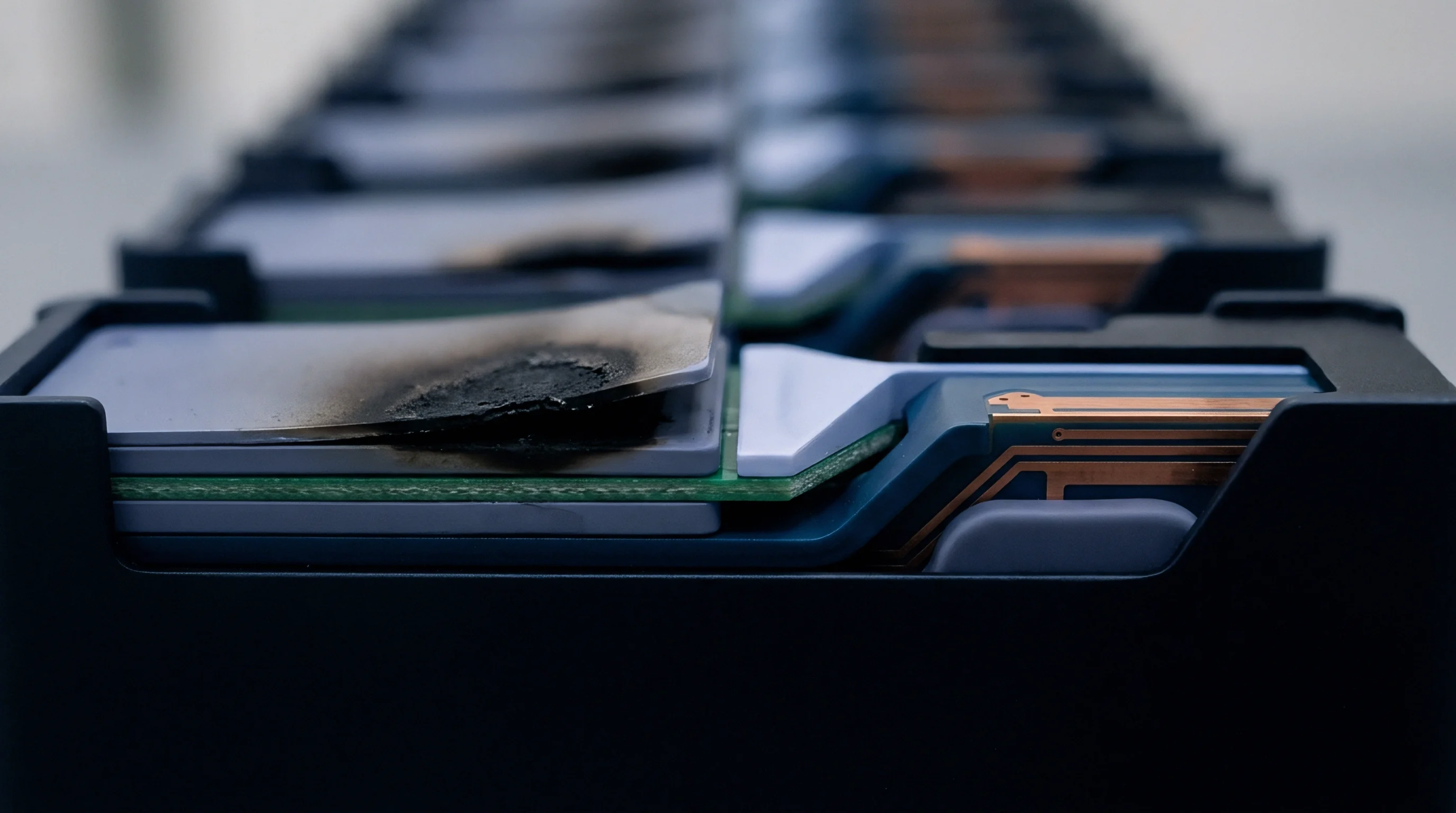
Resolving cellular hardware radiated margin loss requires isolating internal digital board noise and stabilizing multi-band antenna matching under real deployment conditions.

Dynamic impedance matching mitigates RF power amplifier reflection losses, preserving battery voltage stability and operational lifespan in wideband radios.

LoRaWAN Class A achieves 10-year life on single AA cells for hourly reporting; NB-IoT requires larger batteries or lower transmit frequencies due to network tail states.
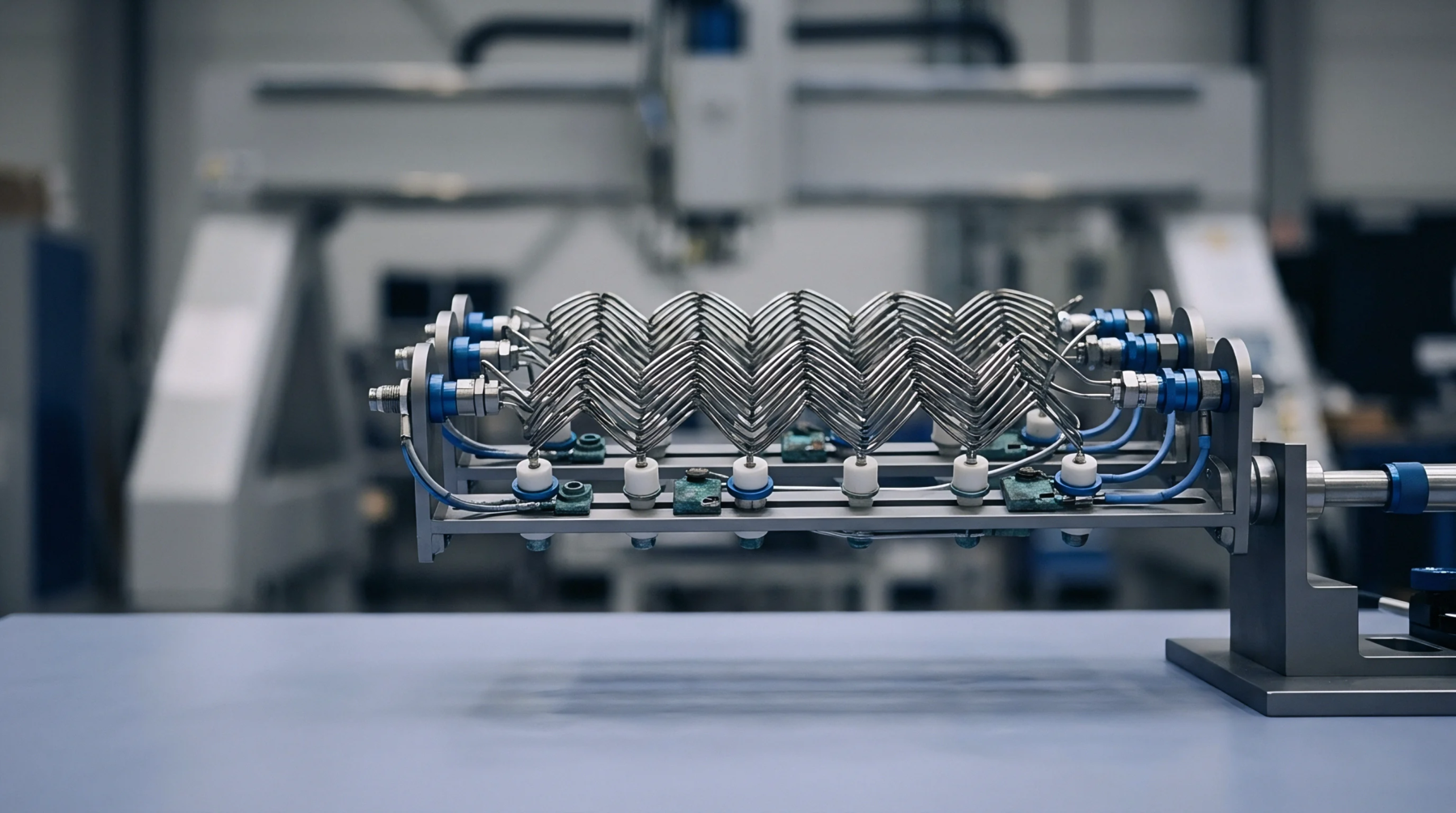
Subterranean cellular attachment triggers extreme 3GPP repetition modes that expand signaling duration from milliseconds to seconds, causing massive battery drain.

Cross-border cellular acquisition consumes up to 10 mAh per registration cycle due to carrier steering rejections and exhaustive full-band frequency scans.
Modem attach power scaling depends on coverage enhancement levels and raster pruning, where degraded signal paths elevate registration energy from 0.68 to 14.2 joules.
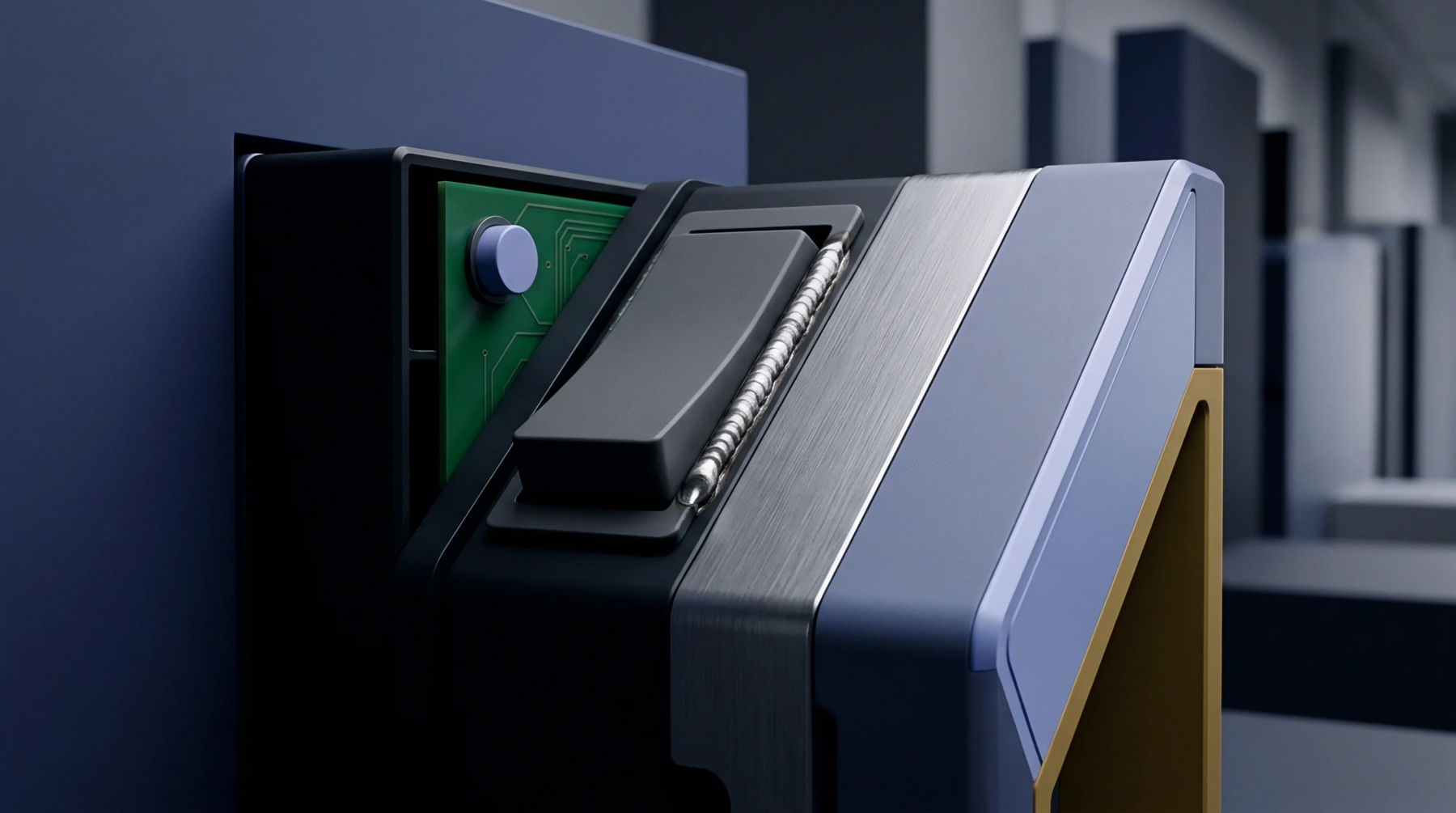
Optimize 3GPP T3324 and T3412 timer configurations to minimize battery drain caused by visited network overrides during cellular IoT roaming.
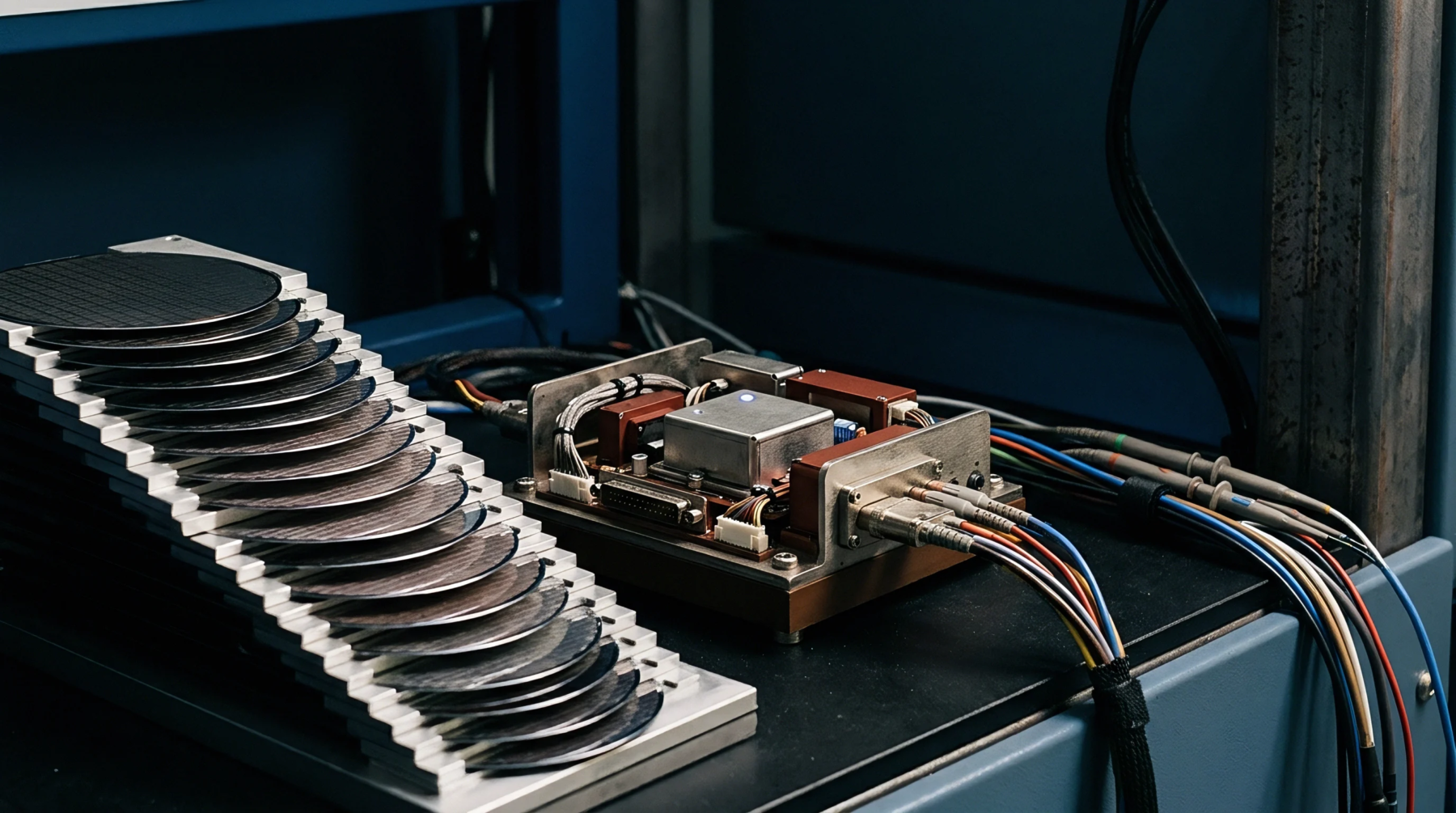
Inter-carrier cellular roaming power optimization depends on strictly controlled PLMN scan intervals, 3GPP timer negotiation, and payload retries.

Cellular IoT data plans over seven years require accounting for platform fees, payload overhead, and roaming surcharges beyond raw baseline megabyte costs.

Wireless protocol selection fixes physical range, payload boundaries, power draw profiles, regulatory approvals, and landed hardware costs across target markets.
Expertise is a utility, not a secret. sentiention™ publishes its working knowledge as open reference: intelligence layer covering the materials it sources, the markets it enters, and the reference that serves both.