Meaning
Cellular machine-type communication technology defines the wireless data standard known as LTE-M, operating within licensed mobile spectrum blocks to connect bandwidth-constrained remote hardware. Cellular base stations allocate specific resource blocks to the transmission protocol, maintaining backward compatibility with existing evolved node B infrastructure. Hardware designers deploy the protocol within battery-operated nodes requiring deep indoor penetration and multi-year operational lifespans without manual intervention.
Bandwidth scaling remains restricted to a nominal one point four megahertz, trading high-speed throughput for reduced receiver complexity and lower power draw.
Radio Profile
Spectral efficiency governs radio link establishment for LTE-M modules during initial network attachment procedures. Carrier frequencies undergo frequency hopping algorithms to mitigate multipath interference inside dense industrial environments containing large metallic enclosures. Antenna gain requirements stay modest because link budgets accommodate up to twenty decibels of additional coverage enhancement relative to standard cellular connections.
Transmission power classes adjust automatically based on received signal strength indicators measured at the base station antenna. Power amplifier efficiency drops when operating at maximum output levels, forcing designers to balance thermal dissipation against battery longevity limits during continuous uplink bursts.
Module Integration
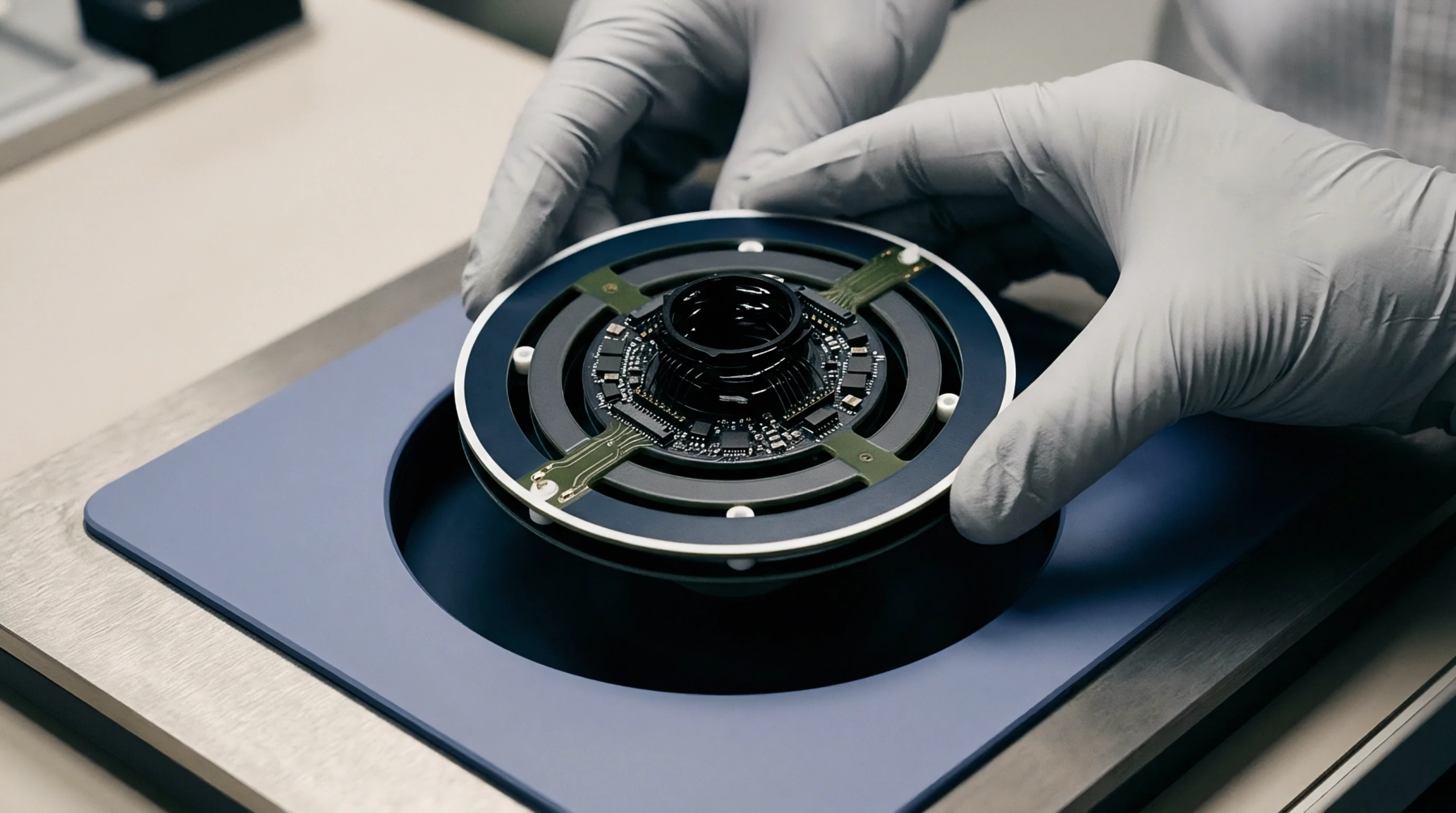
Surface mount assembly procedures dictate physical placement of the radio frequency transceiver onto the host Printed Circuit Board. Component thermal budgets restrict maximum ambient operating temperatures, forcing engineers to incorporate dedicated copper planes underneath the baseband processor to dissipate junction heat effectively. Shielding cans soldered directly over the radio frequency front end prevent electromagnetic interference from disrupting nearby analog sensors or microcontroller peripherals.
Supply voltage fluctuations during high-power transmission pulses trigger brownout resets unless bulk decoupling capacitors sit immediately adjacent to the power supply pins. Production lines verify board-level functionality through automated optical inspection and boundary scan testing before sealing the completed assembly inside its final weather-resistant enclosure.
Regulatory Certification
Compliance verification requires passing stringent spurious emission tests defined by international radio frequency regulatory authorities. Laboratories measure conducted and radiated emissions across designated frequency bands to ensure the transceiver does not interfere with adjacent spectrum users. Network operators mandate specific operator acceptance testing protocols before granting commercial device admission to cellular infrastructures.
Hardware manufacturers absorb compliance expenses during the final prototype iteration prior to mass manufacturing runs. Passing these evaluations permits the finished device to transmit telemetry data securely across global public networks without requiring further regulatory modifications.