
The Common Wireless Protocols and What Each Is Good For
Wireless protocol selection fixes physical range, payload boundaries, power draw profiles, regulatory approvals, and landed hardware costs across target markets.
Wireless protocol selection fixes physical range, payload boundaries, power draw profiles, regulatory approvals, and landed hardware costs across target markets.

Cellular IoT data plans over seven years require accounting for platform fees, payload overhead, and roaming surcharges beyond raw baseline megabyte costs.
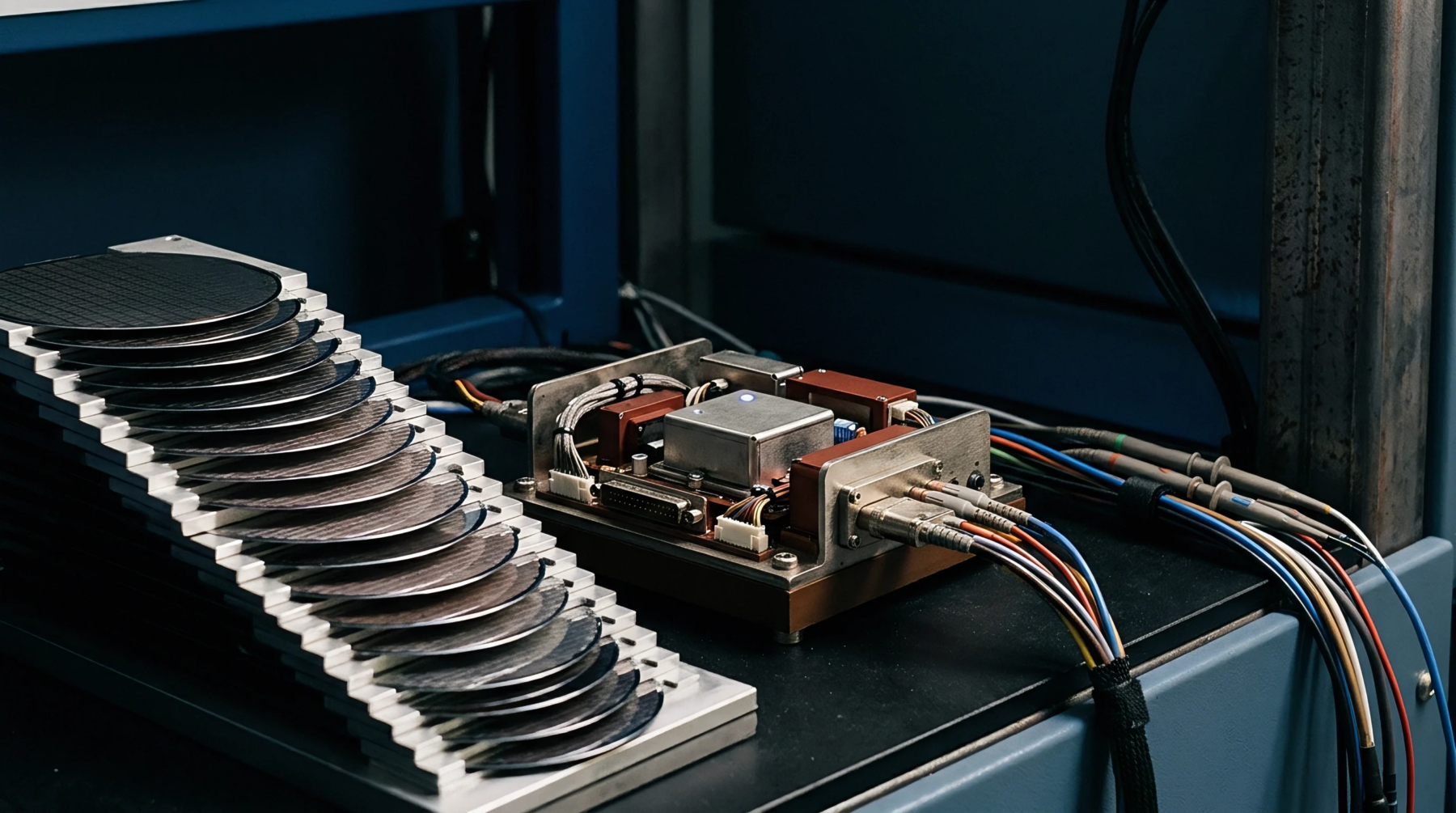
Inter-carrier cellular roaming power optimization depends on strictly controlled PLMN scan intervals, 3GPP timer negotiation, and payload retries.
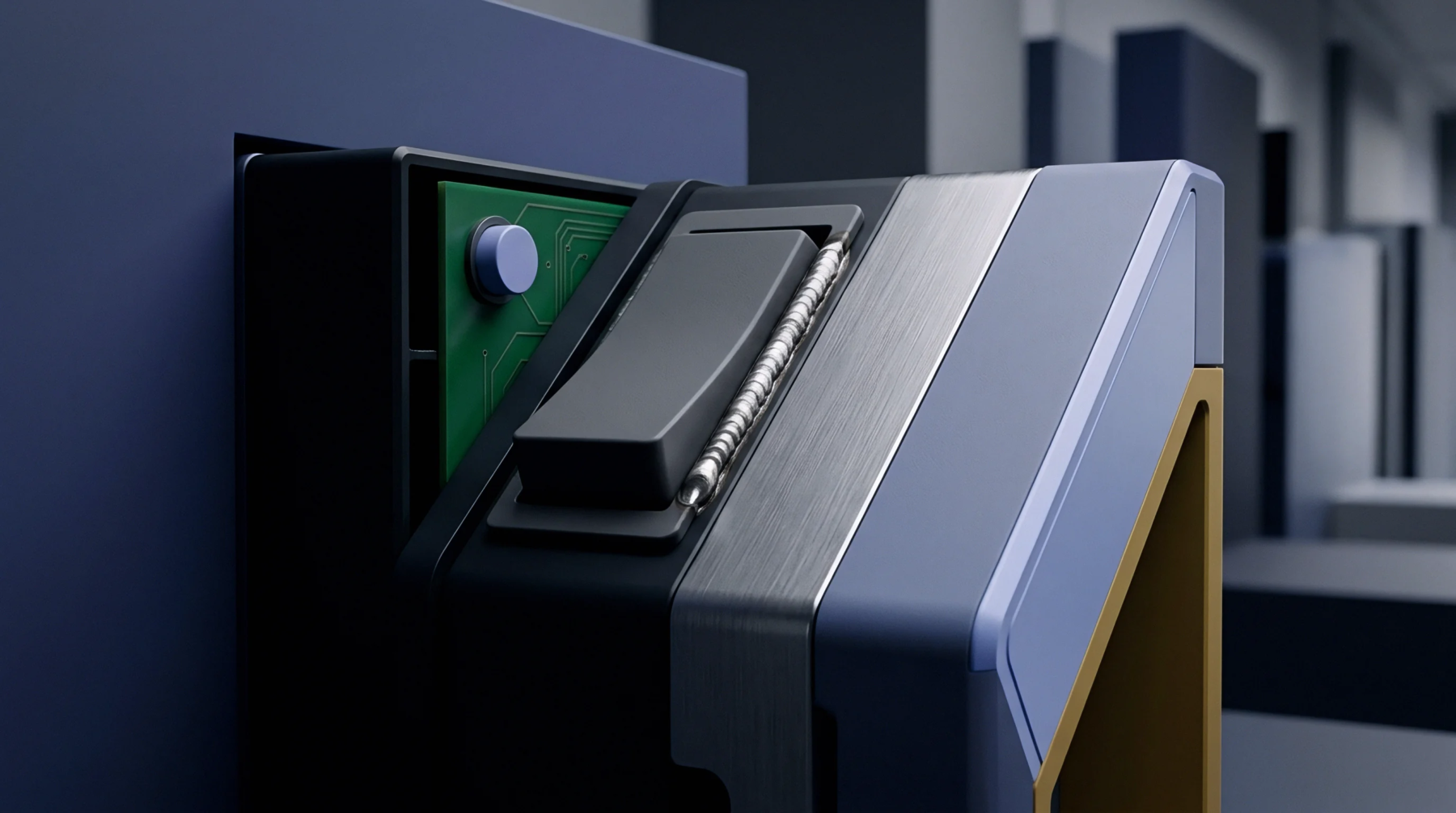
Optimize 3GPP T3324 and T3412 timer configurations to minimize battery drain caused by visited network overrides during cellular IoT roaming.
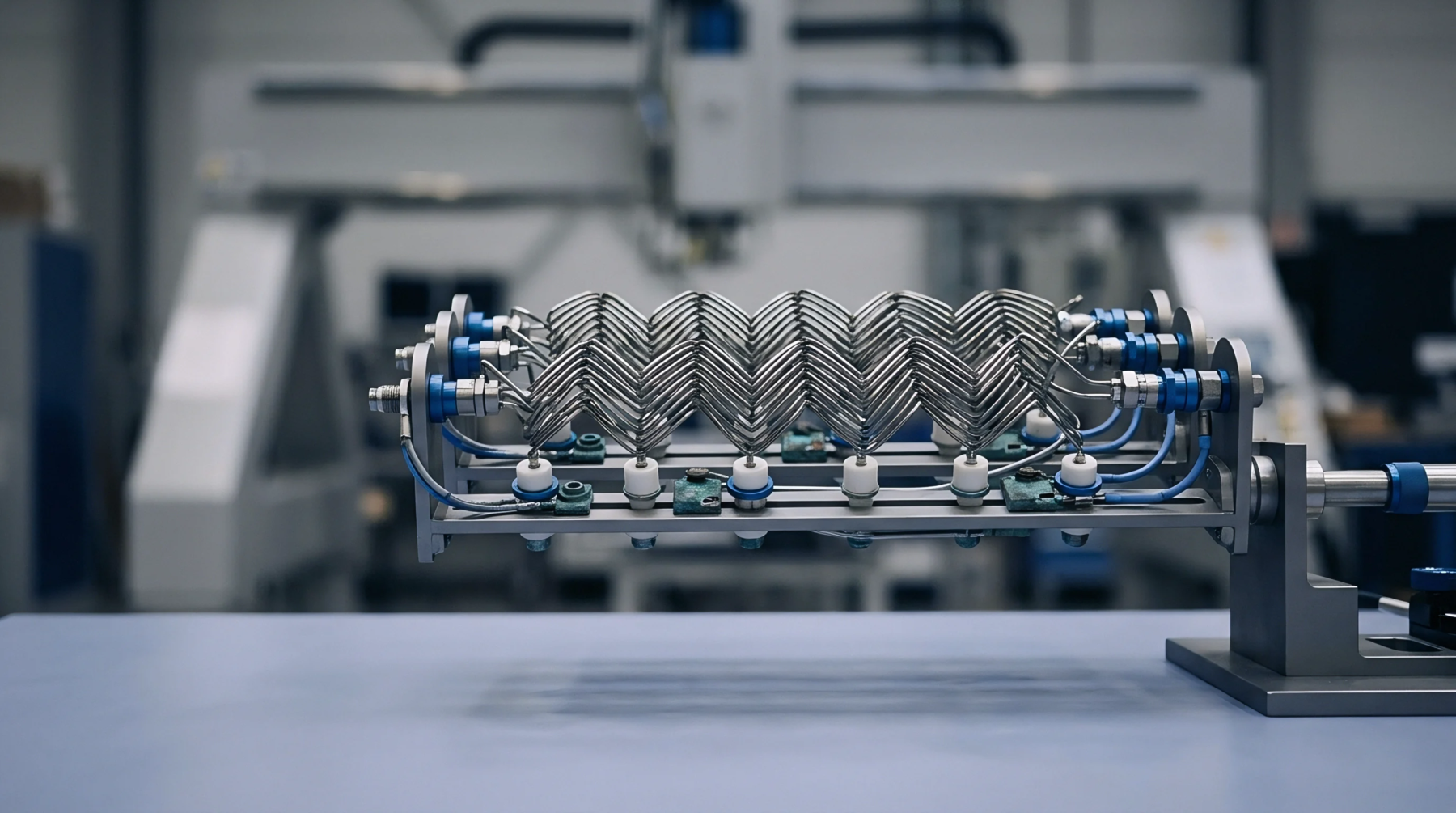
Subterranean cellular attachment triggers extreme 3GPP repetition modes that expand signaling duration from milliseconds to seconds, causing massive battery drain.
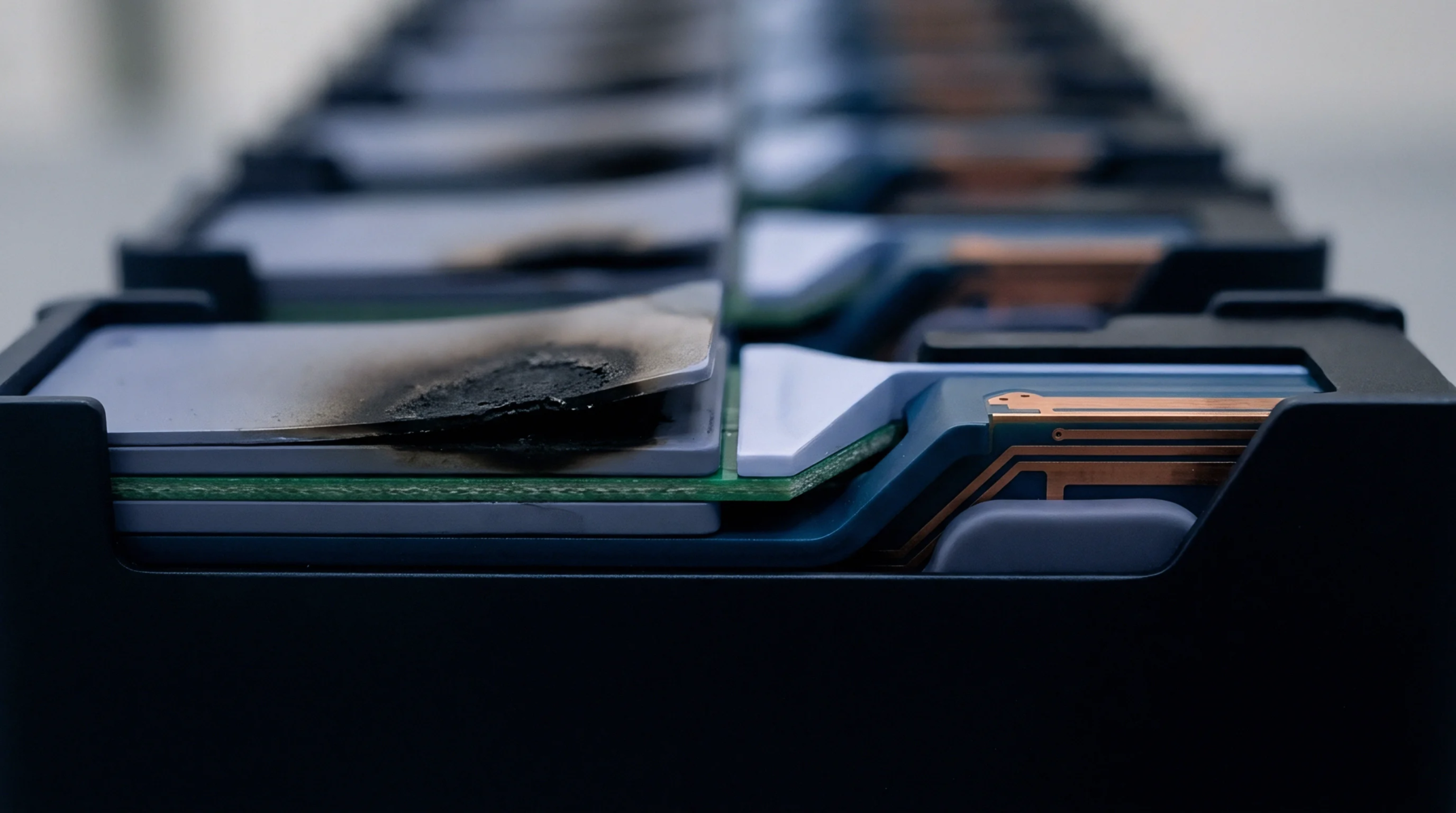
Resolving cellular hardware radiated margin loss requires isolating internal digital board noise and stabilizing multi-band antenna matching under real deployment conditions.
Cellular IoT session rounding increments can multiply billable data volumes by twenty times, turning raw sensor updates into severe monthly carrier overage charges.

Seven year LTE-M deployment costs depend primarily on battery self-discharge rates, base station reselection energy, and technician field dispatch expenses.

Mitigate seven year eUICC fleet overages by pairing pooled dynamic tariffs with tight TCP socket controls to eliminate session rounding multiplication.
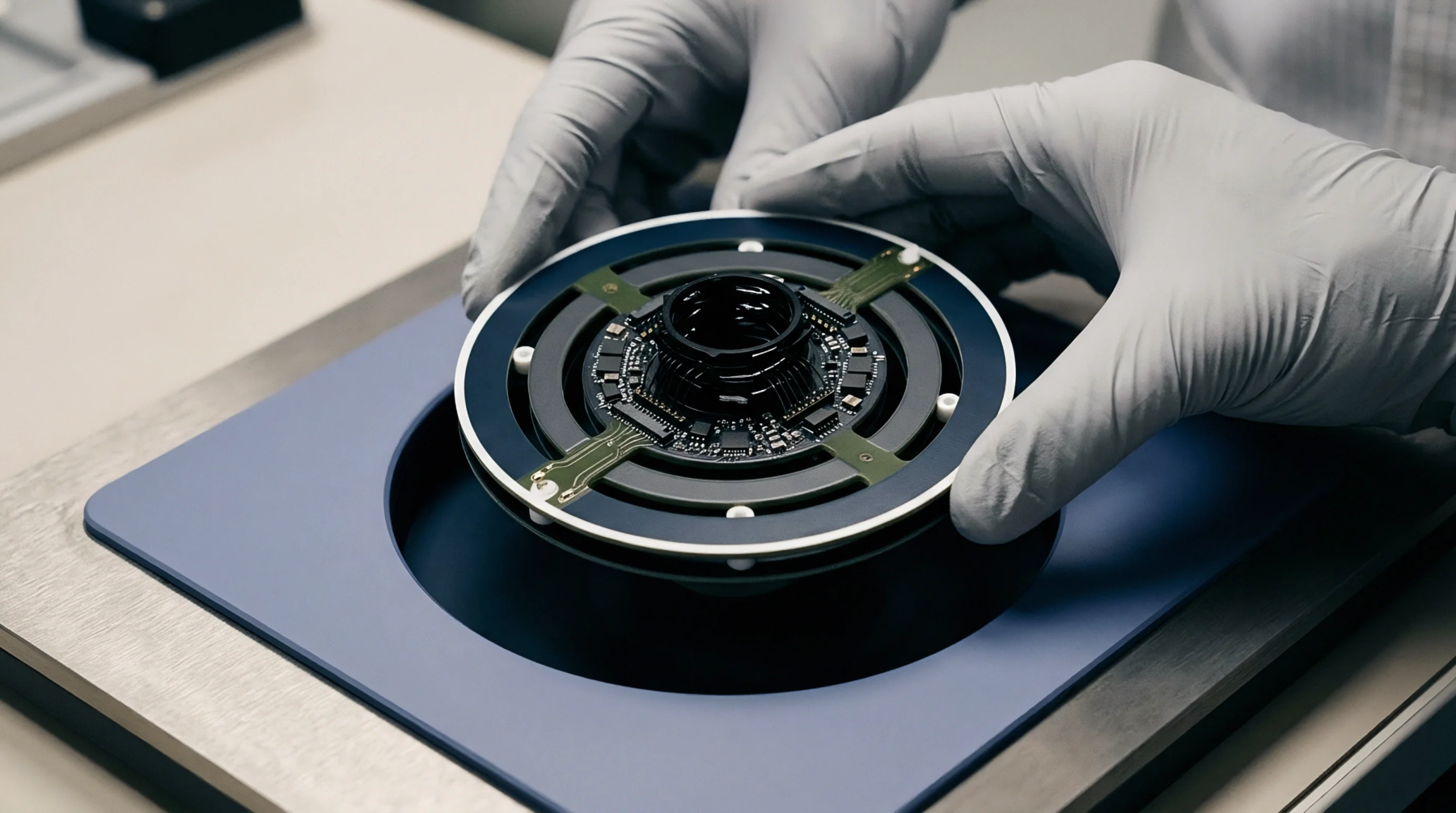
Inter-carrier steering forces prolonged radio frequency scanning and timer renegotiations that accelerate battery passivation collapse and premature field failure.

Configuring T3412 and T3324 timers requires balancing network-assigned limits against terminal sleep current to ensure multi-year battery operational life.

IMSI switching consumes fixed 1.5 to 18 Joules; executing switches becomes energy-efficient only when roaming timer backoffs exceed four attach retries.
Cellular IoT power management matches PSM and eDRX timers to application frequency while decoupling peak pulse currents from battery internal resistance.
Modem attach retries at peak RF output drain battery packs rapidly; firmware must enforce exponential backoff and PSM sleep to preserve battery life.

Carrier conformance testing demands strict optimization of radiated performance and protocol signaling to prevent costly hardware re-qualification delays.

Landed cost penalties in cellular deployments compound through regional certification surcharges, carrier profile fees, tariff codes and roaming airtime multipliers.

Continuous multi-second cellular repetition bursts pull battery voltage below brownout limits unless buffered by low-ESR capacitors.

Antenna detuning shifts transmitter power amplifier load impedance away from nominal conjugate match, slashing power added efficiency and draining battery reserves.

PDP context session rounding inflates cellular IoT data charges by applying minimum billing floors upon link release, requiring persistent sockets or aggregated tariffs.

eUICC fallback timers for unsolicited detachments require hysteresis windows and backoff algorithms to prevent energy depletion and carrier SLA penalties.
Optimize SGP.32 execution timers by capping handshakes to 35s on LTE-M and 75s on NB-IoT while enforcing immediate baseband deep sleep after transmission faults.

Configuring 3GPP PSM timers T3324 and T3412 Extended reduces quiescent draw to 1.8 µA, extending cellular IoT battery service life to over ten years.

Control Plane transport minimizes power for tiny payloads under 200 bytes, while User Plane transport provides superior efficiency for larger data transactions.

Radiated sensitivity verification requires Total Isotropic Sensitivity testing in anechoic chambers to uncover host desense and antenna losses.

Micro-coaxial attenuation climbs twelve to fifteen percent across eighty degrees Celsius of rise, eroding high-frequency link margins up to 0.2 dB per jumper.
Near-field potting loading shifts antenna resonance up to 40 MHz, demanding fully meshed 3D co-simulation to prevent catastrophic link budget collapse.

Cross-border cellular tracker protocol selection requires balancing sub-GHz link budget penetration against multi-region operator roaming agreements and deep-sleep energy limits.

Resolve SGP.32 roaming latency by enforcing client-side RSRP download gating, deploying DTLS session resumption, and truncating profile ASN.1 payload size.

Thermal shock increases primary cell internal resistance, requiring output power derating to prevent immediate cutoff voltage collapse during radio pulses.

Configure LTE-M Power Save Mode by auditing granted T3412 and T3401 timers on carrier networks to prevent active listening drain from exhausting batteries.
Expertise is a utility, not a secret. sentiention™ publishes its working knowledge as open reference: intelligence layer covering the materials it sources, the markets it enters, and the reference that serves both.