
Nanolaminate Atomic Layer Deposition Interfacial Shear Stress Kinetics under Transmit Cycling
Transmit cycling generates cyclic thermal shear stress in ALD nanolaminates, driving subcritical delamination and RF failure under high-duty-cycle loads.
Transmit cycling generates cyclic thermal shear stress in ALD nanolaminates, driving subcritical delamination and RF failure under high-duty-cycle loads.

Parallel hybrid pulse capacitors absorb high-current radio bursts at low temperatures, bypassing LiSOCl2 voltage delay to hold supply rails above reset limits.

Matching primary cell pulse discharge capabilities with hybrid capacitor buffers prevents cellular IoT modem brownout and maximizes field operating life.

Dynamic temperature ramps induce TCXO micro-jumps that degrade phase margin, demanding physical thermal shielding and strict phase-step RFQ caps.

eUICC architecture decouples hardware from carrier contracts, demanding careful audit of cryptographic current spikes, flash write endurance, and SGP.32 costs.

Batching telemetry to match path MTU and carrier rounding units minimizes invoiced cellular overage while preserving field battery capacity and flash memory life.

Ex-factory module quotes exclude mandatory carrier certification, moisture handling, and import tariff penalties that escalate effective unit costs.

Sub-zero cellular transmissions demand hybrid capacitor buffering to supply peak currents before primary battery passivation film breakdown occurs.

Extended Coverage repetitions convert transient RF pulses into multi-second draws, requiring hybrid capacitors sized for continuous coulombs, not just peak current.

Subterranean soil moisture spikes multiply cellular transmit energy by up to sixty-four times, requiring strict coverage enhancement limits to preserve battery life.

Cellular IoT registration recovery relies on deterministic 3GPP cause parsing, backoff timers, and EF_FPLMN management to prevent SIM battery exhaustion.

Dynamic PMIC rail switching combined with power amplifier back-off timers prevents lithium battery brownout during continuous cellular DoS jamming events.

Out-of-coverage attach retries force cellular modems into full-power RF scanning, increasing average power draw up to 100-fold without exponential timer backoffs.

Select spiral Li-MnO2 for unbuffered high pulses or pair bobbin Li-SOCl2 with hybrid capacitors to prevent fatal transceiver brownouts.

Physical layer repetition airtime in weak coverage must not exceed non-access stratum guard timers, or connection aborts will rapidly deplete battery reserves.

Unconstrained multi-band scanning rapidly exhausts primary batteries, making firmware-level band masking mandatory for multi-year cellular IoT operation.

Cellular IoT power budgets depend on minimizing base station airtime, optimizing deep sleep timers, and managing peak pulse voltage drops under path loss.
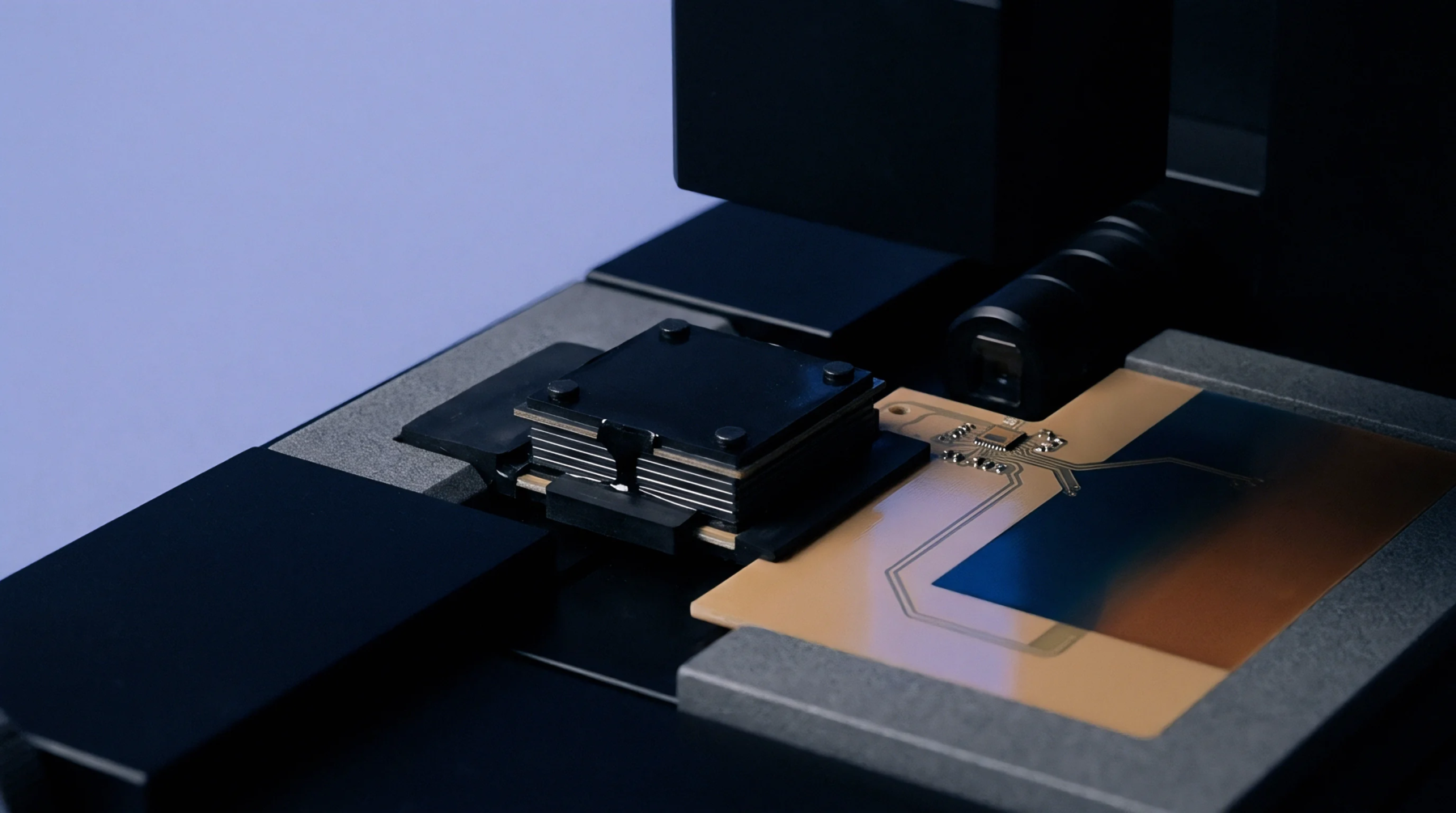
Automated radiated emission testing across stepped battery depletion levels isolates brownout regulator noise spikes before formal carrier and FCC approvals fail.
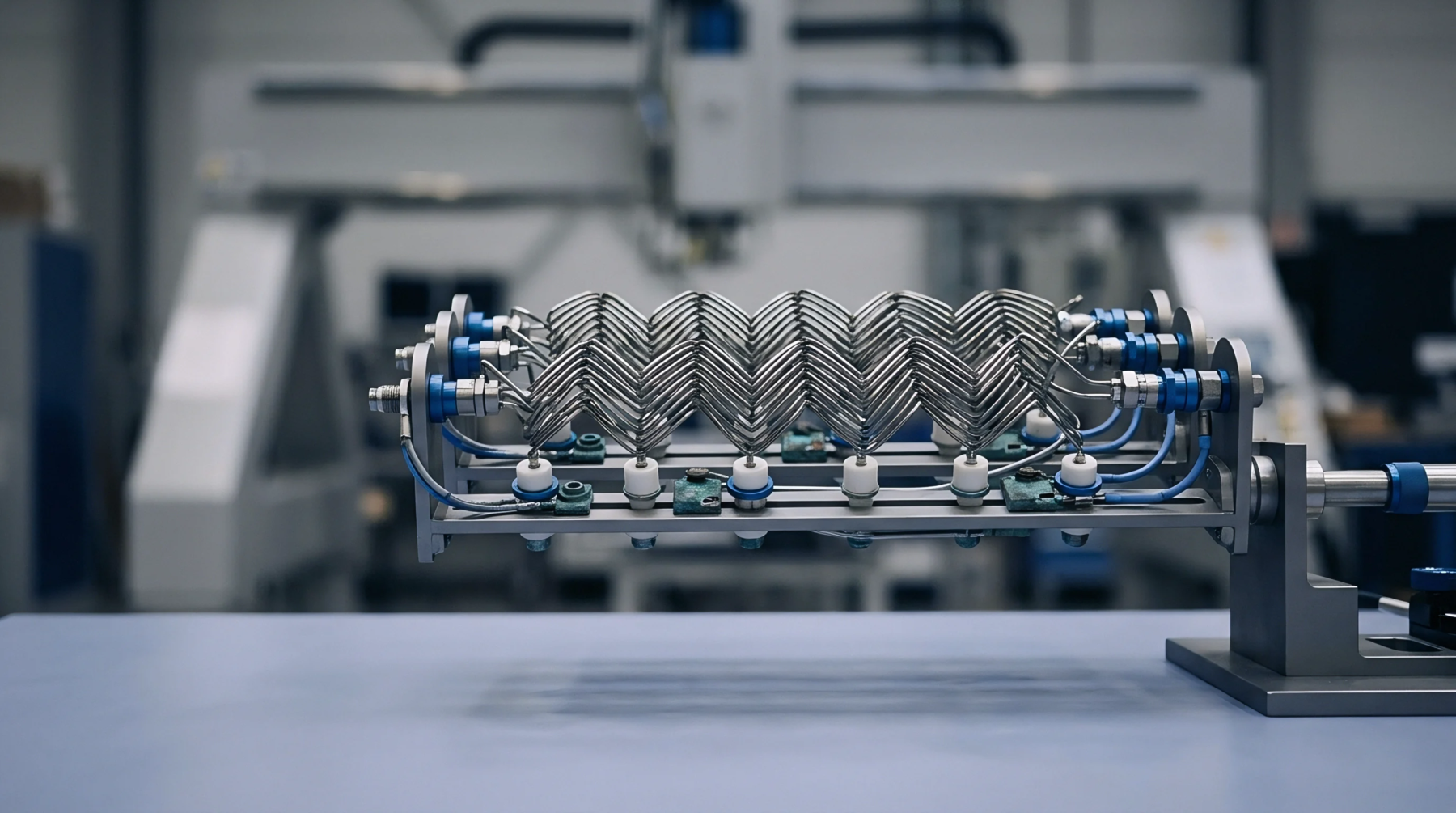
Baseband backoff timers mitigate power spikes by enforcing low-current standby states during carrier roaming rejection sequences.
Initial eUICC registration draws sustained peak current during crypto handshakes and band scans, demanding capacitive buffering and limited band search masks.

Non-Access Stratum signaling failures during roaming stem from core-level reject codes and timer overrides that deplete device batteries via continuous re-attaches.

Cross-border NAS throttling activates multi-hour back-off timers; blind firmware reset loops trigger catastrophic battery drain and field failure.

Calculate cellular PSM bitfields by packing a three-bit unit multiplier and five-bit value into 3GPP octets, verifying carrier grants against clamping.

Crystal-less cellular IoT saves bill of materials cost but risks severe open-loop frequency drift, destroying subcarrier orthogonality during extended bursts.

Constrain cellular carrier steering via strict baseband scan timers and band masks to prevent battery depletion during operator roaming changes.
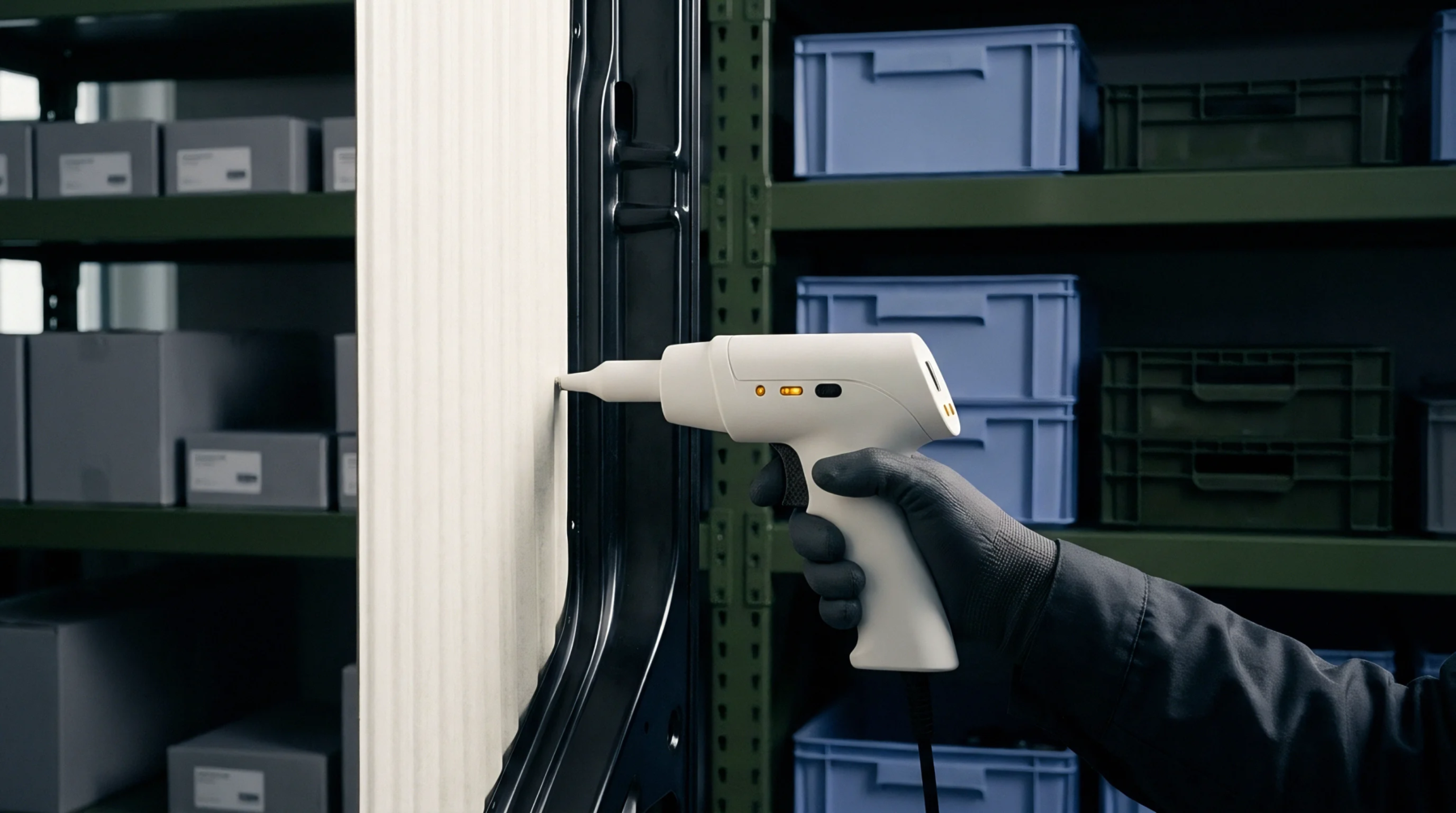
Dynamic recalibration and memory error correction prevent wireless SoC calibration loss from degrading RF link budgets across extreme operating temperatures.

Thin contact oxides introduce parallel capacitive bypass paths over constriction resistance, creating steep frequency-dependent loss shifts at gigahertz bands.
Initial contact resistance verification isolates test socket wear to prevent false radio parametric failures and secure accurate module production yields.

Enforce parametric indemnity clauses tied to dock-level register hash verification and dynamic current benchmarking to prevent silent cellular module failures.

Remote eSIM provisioning offsets truck roll expense when lifetime manual intervention probability exceeds twelve percent over ten-year operational spans.
Expertise is a utility, not a secret. sentiention™ publishes its working knowledge as open reference: intelligence layer covering the materials it sources, the markets it enters, and the reference that serves both.