
Intermodal Container Antenna Detuning and Radio Power Amplifier Battery Strain
Antenna detuning from container steel forces power amplifiers into low-efficiency load states, quadrupling peak current draw and collapsing primary battery voltage.
Antenna detuning from container steel forces power amplifiers into low-efficiency load states, quadrupling peak current draw and collapsing primary battery voltage.

Optimizing baseband search timers bounds frequency sweeps and extends exponential backoff to preserve primary battery cells during coverage outages.
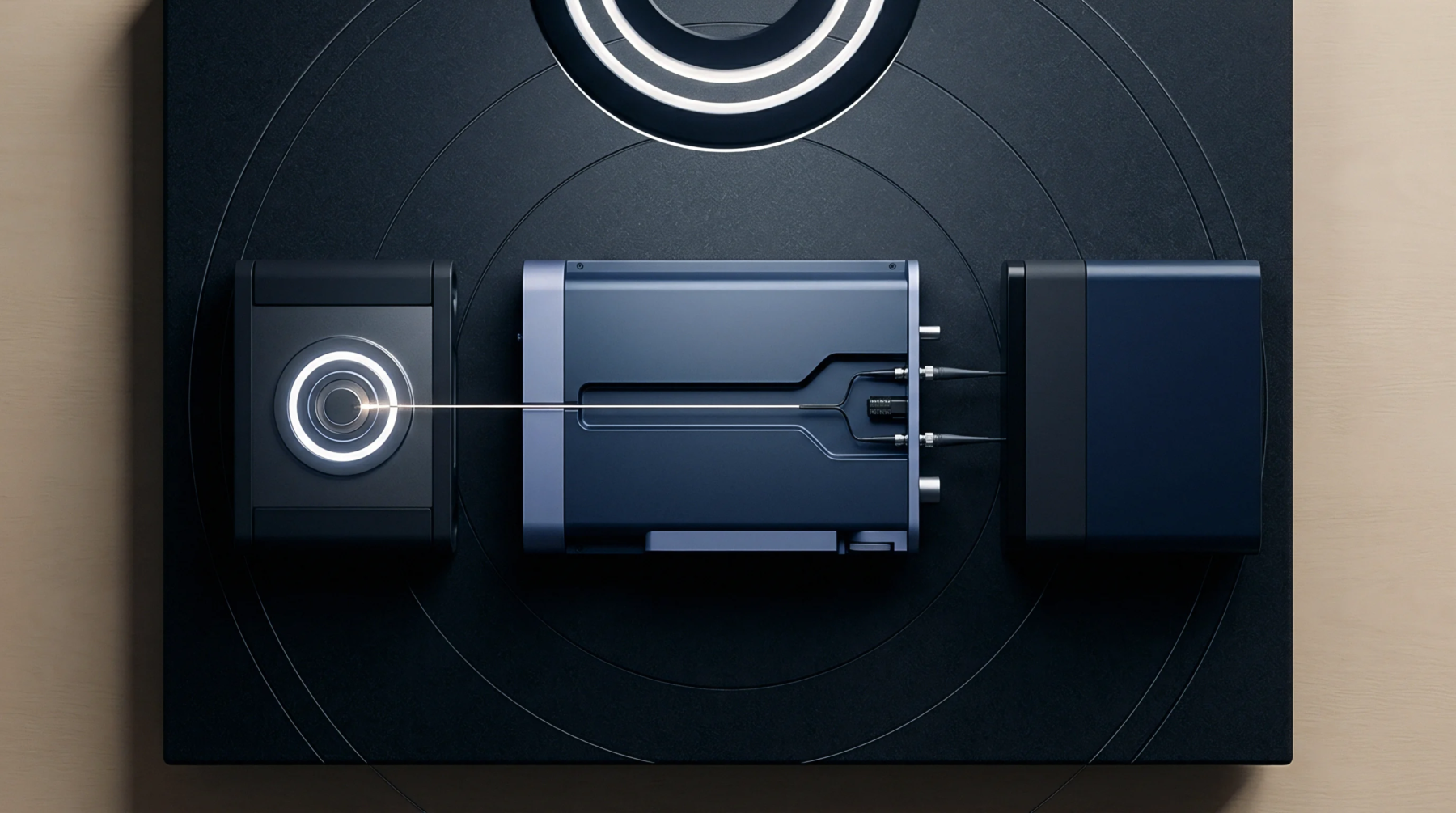
Calculating embedded radio memory limits requires summing static data segments, worst-case stack watermarks, driver DMA buffers, and peak packet reassembly queues.

Configure GSMA IoT Profile Assistant timers to exceed 3GPP network timers and transport layer retransmission windows under weak coverage to prevent profile corruption.

eUICC profile fallback requires tuned hysteresis timers and RSRP thresholds to prevent battery-draining carrier switching loops in low-coverage cellular deployments.

Aligning module application wake cycles with 3GPP T3412 extended timers prevents unannounced core network implicit detachments and redundant radio attaches.

eUICC fallback state machines require multi-layered signal diagnostic counters, APDU activation safeguards, and backoff timers to prevent battery drain.
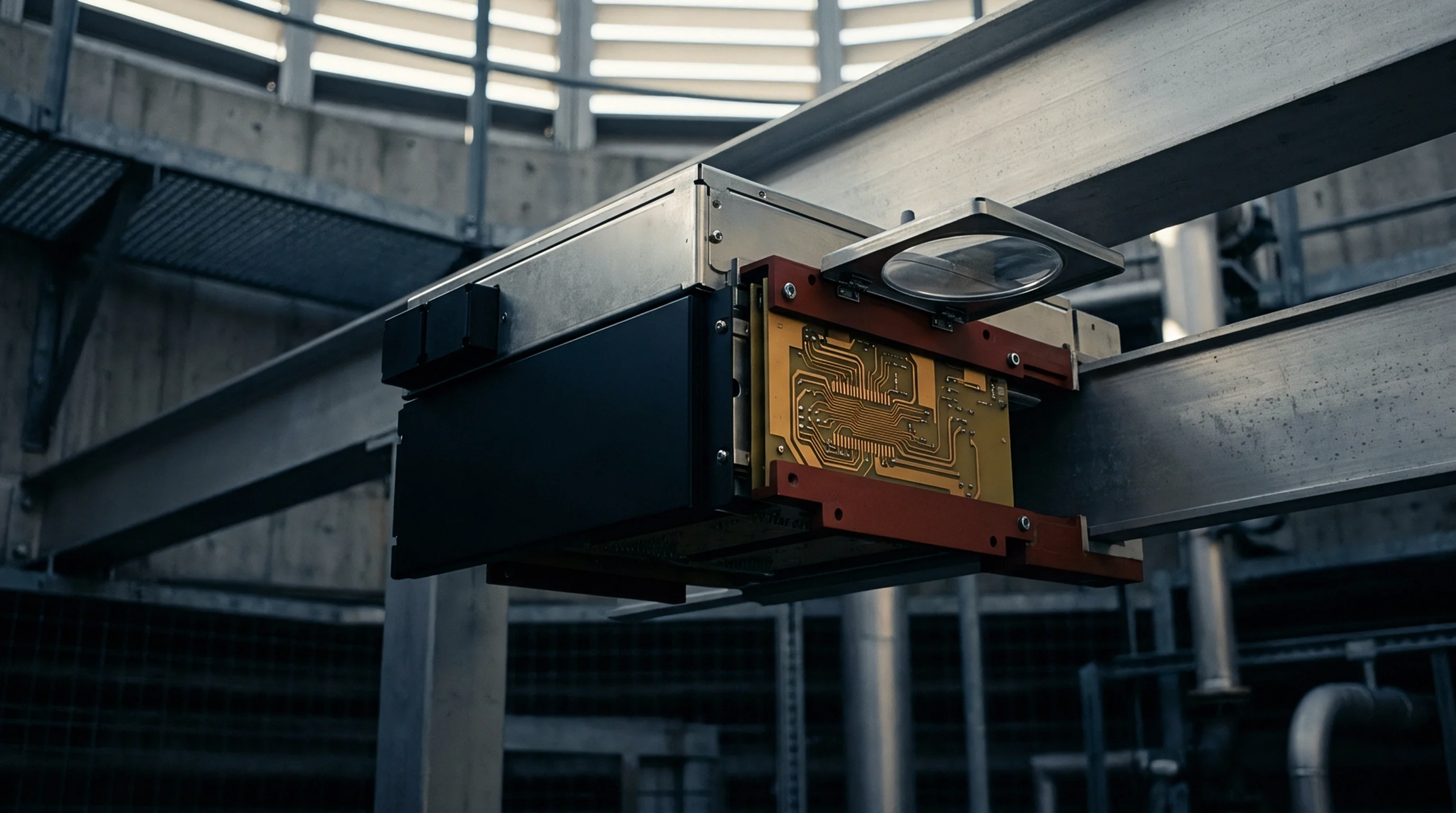
Configuring baseband timers T3412 and T3402 with exponential back-off prevents permanent SIM blacklist lockouts during cross-border roaming attaches.

Edge condition monitoring failover relies on SINR-driven triggers and SRAM buffer sizing to prevent packet loss during eSIM remote profile switches.

Edge vibration telemetry requires local DSP feature extraction to reduce raw sampling data by 99% before cellular offloading over low-power LTE-M or NB-IoT networks.

Baseband radio transmission logs differ from carrier billing gateways due to lower layer protocol overhead retransmissions and session quantization rules.
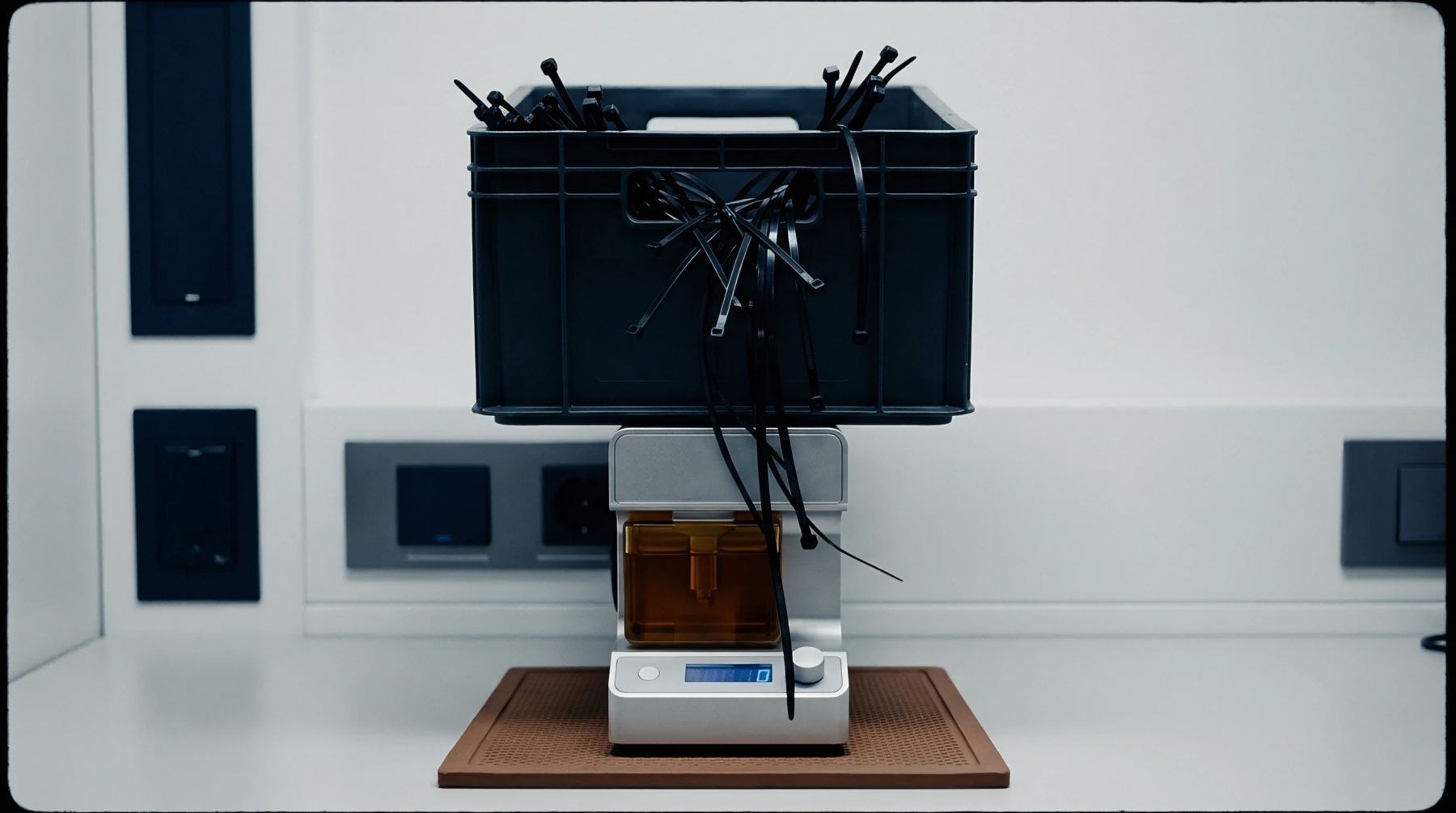
Front end antenna mismatch shifts power amplifiers into low-efficiency load pull states, spiking transmit current and causing early battery brownout reset.
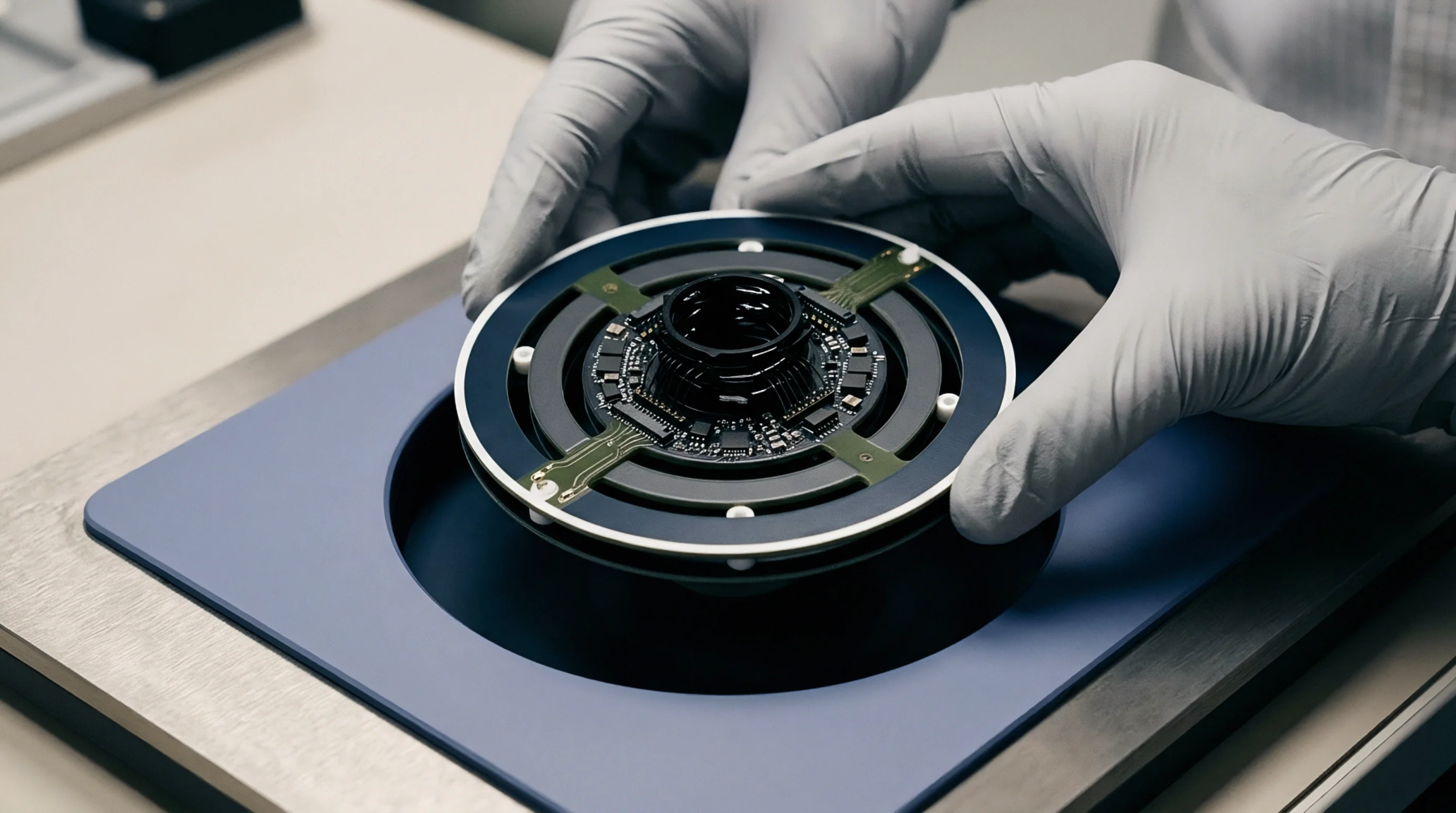
Dynamic link margin compensation prevents wasteful cellular profile reselection in reflective environments by adjusting target signal thresholds based on real-time multipath variance.

Antenna mismatch spikes cellular amplifier current, forcing battery voltage collapse and brownout during remote eSIM profile provisioning.
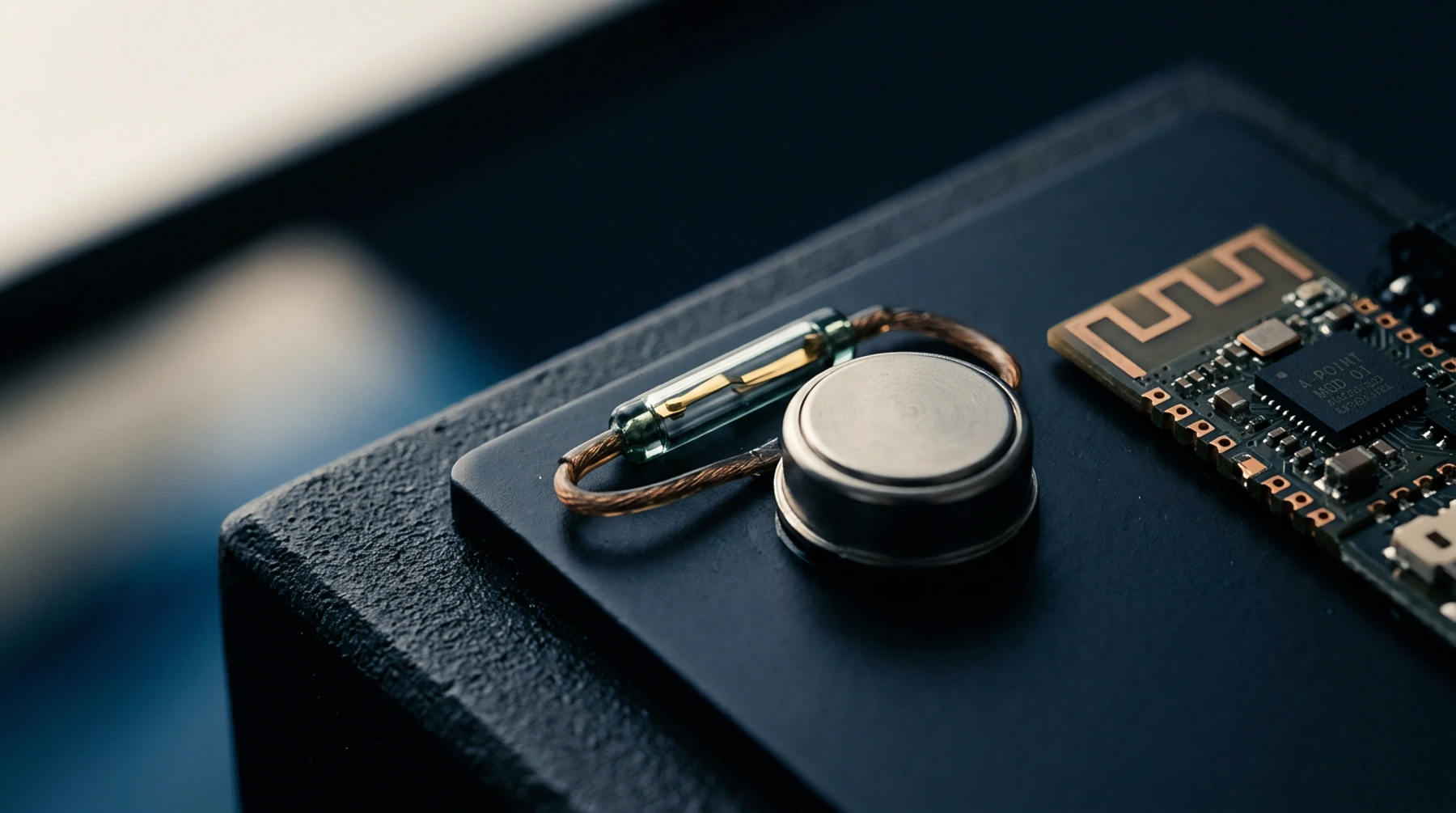
RF detuning degrades PA efficiency and triggers 3GPP power escalation, multiplying battery consumption through higher transmit current and HARQ airtime.
Expertise is a utility, not a secret. sentiention™ publishes its working knowledge as open reference: intelligence layer covering the materials it sources, the markets it enters, and the reference that serves both.