
Antenna Detuning Effects on Transmitter Power Amplifier Efficiency
Antenna detuning shifts transmitter power amplifier load impedance away from nominal conjugate match, slashing power added efficiency and draining battery reserves.
Antenna detuning shifts transmitter power amplifier load impedance away from nominal conjugate match, slashing power added efficiency and draining battery reserves.

Sub-GHz PA power bursts generate micro-Kelvin crystal thermal gradients that shift carrier frequency, demanding thermal isolation and tight TCXO specification.

Silicon stepping qualification requires register-level ID verification, driver patch synchronization, RF harmonic re-testing, and contractually defined NRE cost allocation.
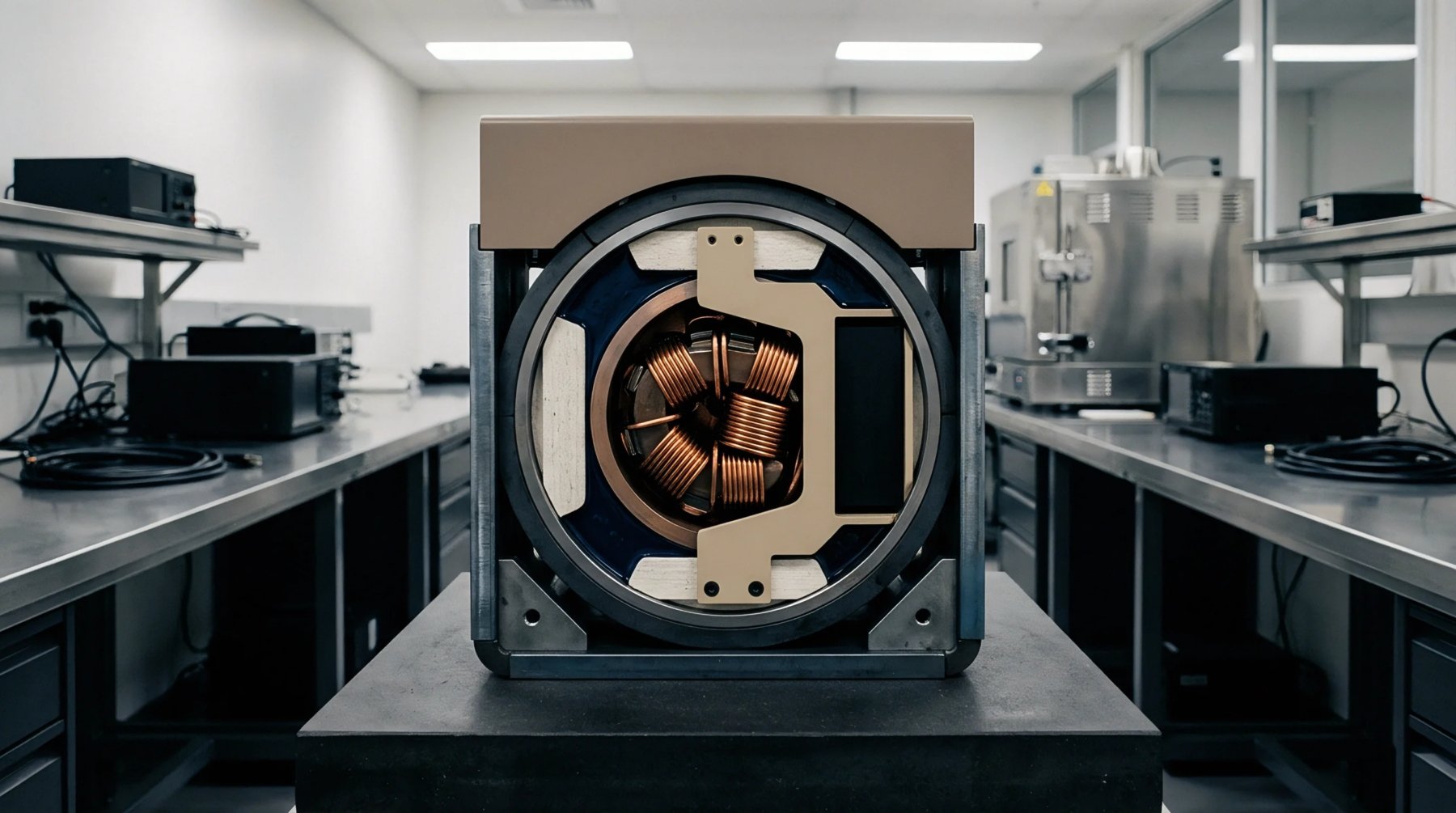
Metallic host enclosures alter RF emissions, turning module changes into Class II Permissive filings costing 6000 to 20000 USD over four to eight weeks.

Antenna detuning alters PA load impedance, degrading efficiency and thermal headroom across wideband transceivers during high-VSWR operational shifts.
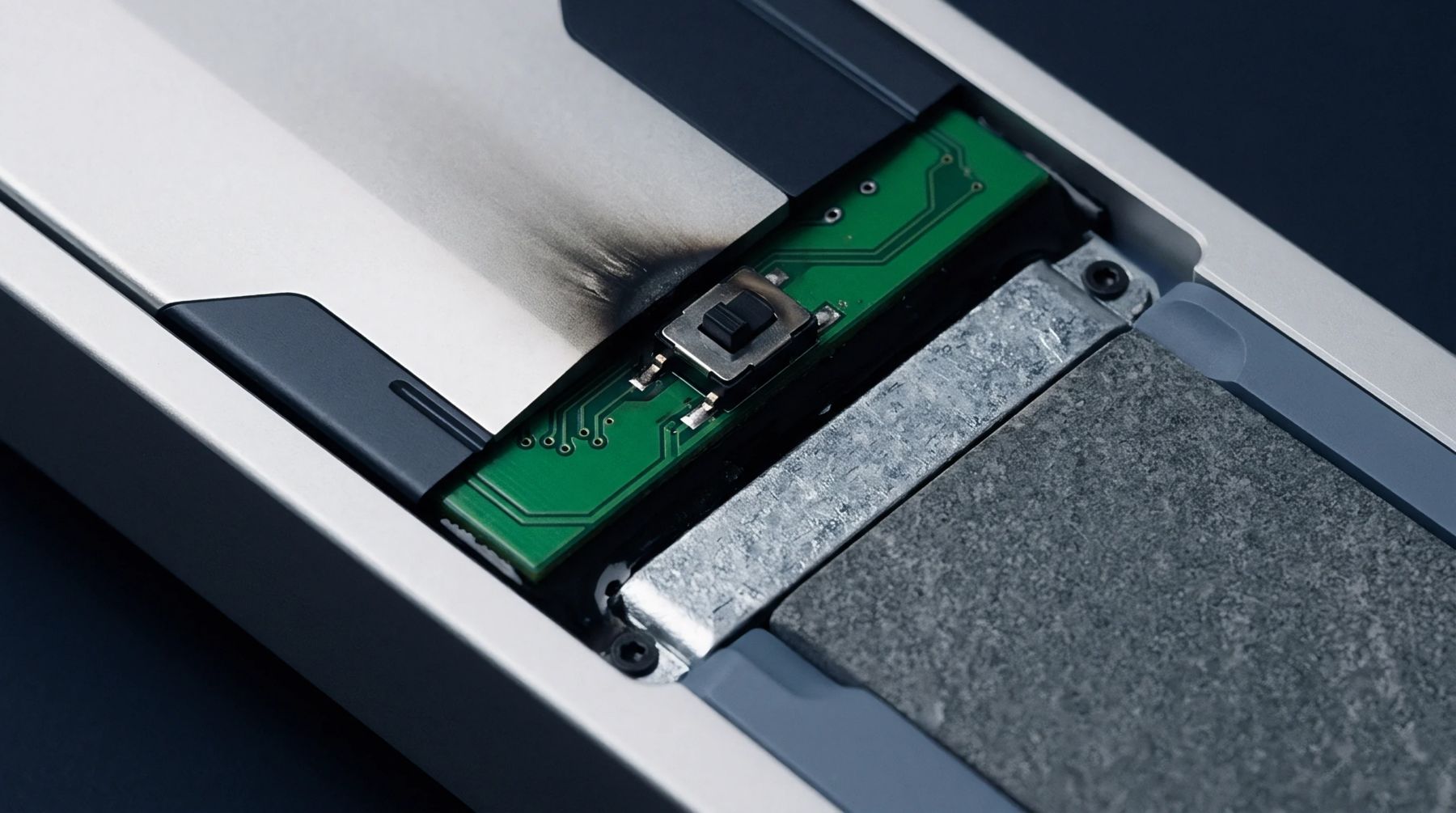
Dynamic impedance matching losses double RF current draw and accelerate battery internal resistance growth, cutting endpoint service life by over fifty percent.
Expertise is a utility, not a secret. sentiention™ publishes its working knowledge as open reference: intelligence layer covering the materials it sources, the markets it enters, and the reference that serves both.