Meaning
Formal supplier communication documents provide detailed technical information regarding changes to the manufacturing process or material composition of a component that might affect its performance. This product change notification governs the flow of information from a semiconductor or component manufacturer to the engineers who use those parts in their designs. It identifies the boundary of a change and provides a timeline for when the current version of the part will no longer be available.
The term measures the transparency of the supply chain and allows companies to assess the risk of a new part before it arrives on the production line. No major change to a qualified part is allowed without this formal document being sent to all registered customers.
Lifecycle Status
Tracking the availability of a component over several years requires a systematic way of identifying when a part is approaching its end of life. A product change notification is often the first sign that a supplier is planning to discontinue a part or move it to a different manufacturing facility. The document includes a last time buy date which is the final opportunity for the customer to order the original version of the part.
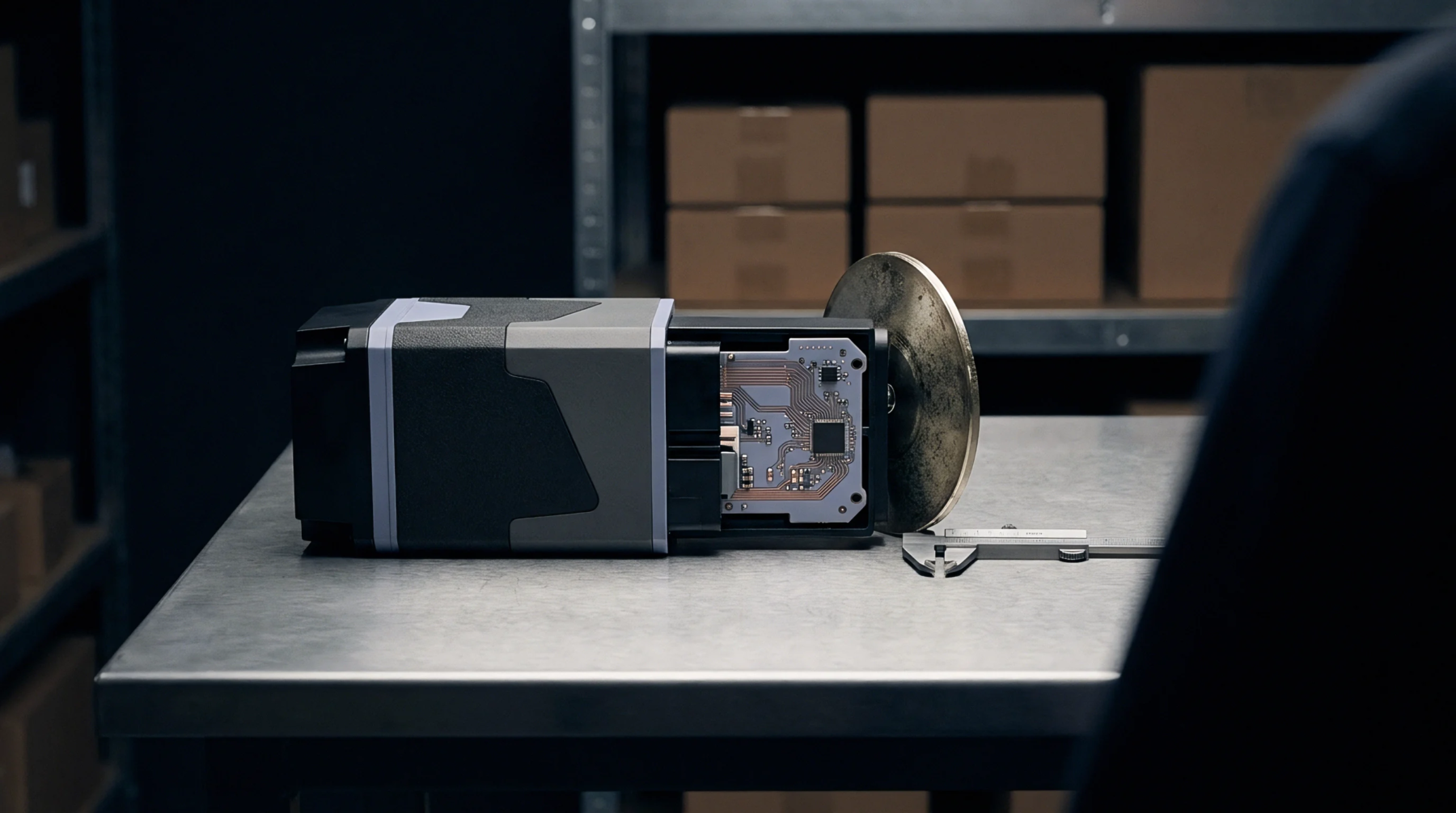
This date is critical for products with long production lives such as medical devices or industrial controllers that cannot be easily redesigned. If the procurement team misses this window, they may be forced to buy expensive stock from secondary brokers or halt production entirely. The notification also lists the recommended replacement part and any known differences in its performance or physical footprint.
Technical Detail
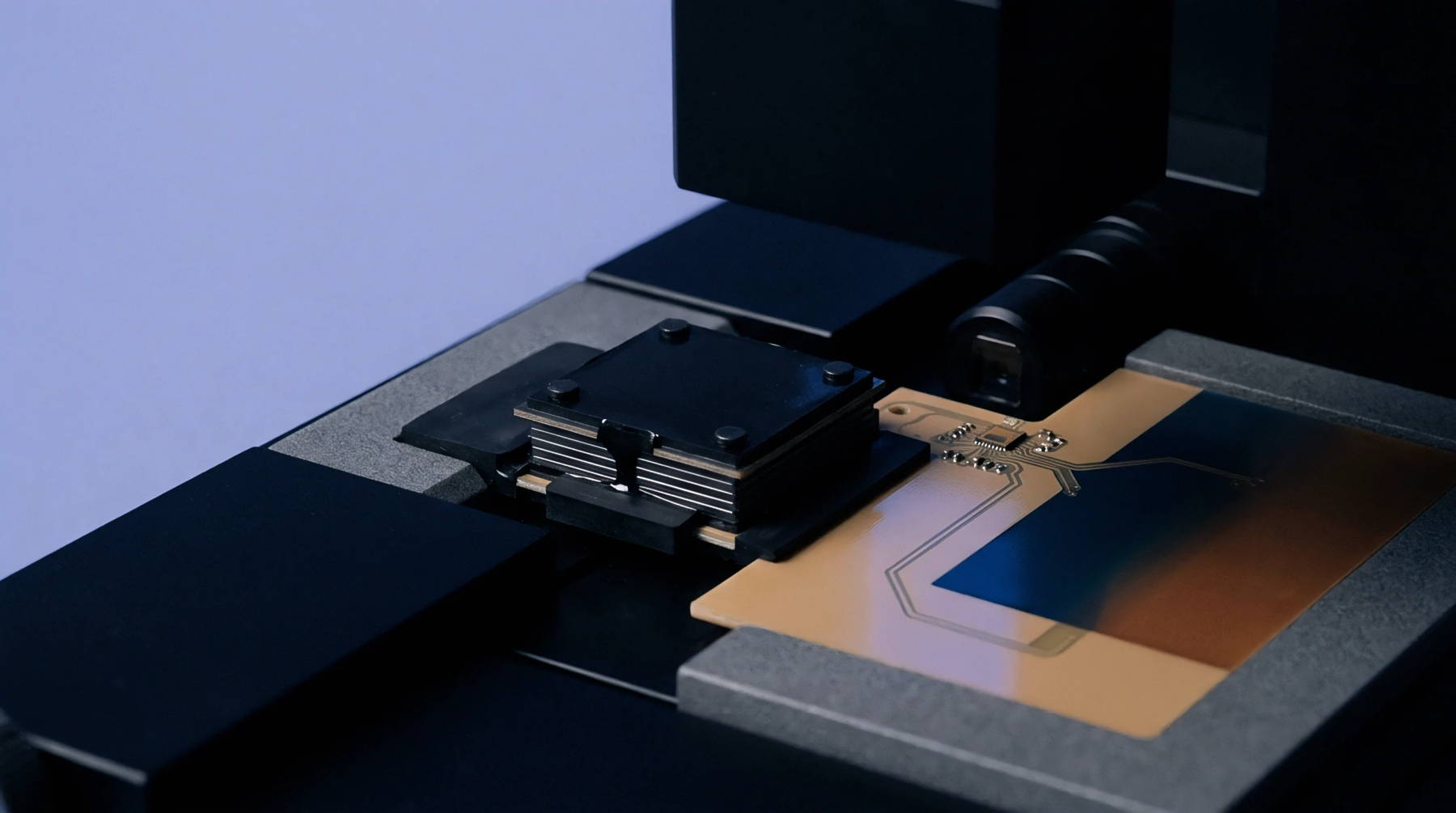
Understanding the impact of a change requires a deep dive into the specific modifications described in the document. The product change notification provides a side by side comparison of the old and new specifications, including any changes to the electrical ratings or the material of the packaging. If the supplier is changing the internal wire bonding from gold to copper, the notification must include the results of reliability tests that prove the new design is equivalent.
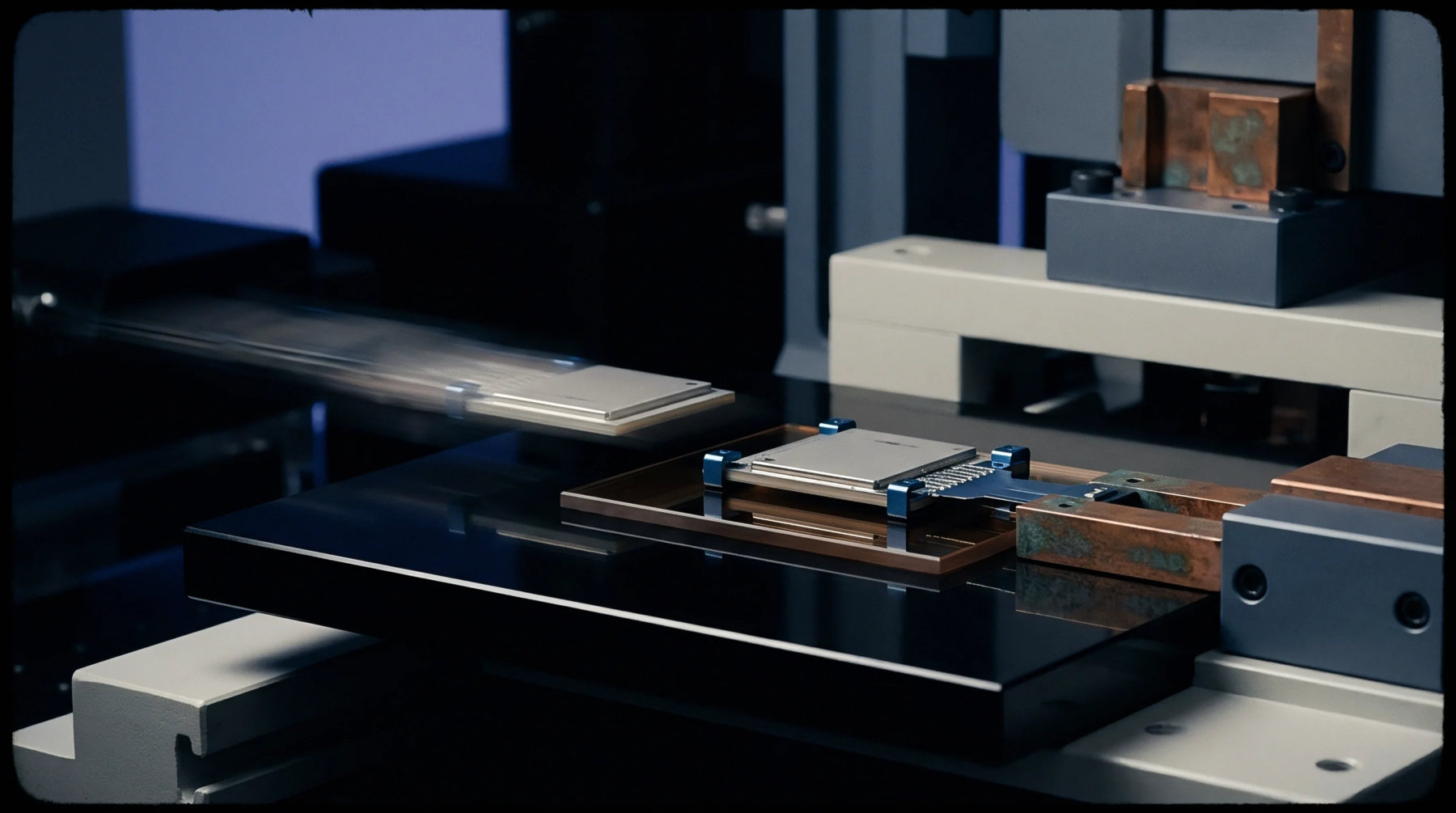
Engineers use this information to decide if the change is a drop-in replacement or if they need to perform their own validation. Sometimes a change that seems minor to the supplier can have a major impact on the customer’s manufacturing process. For example, a change in the tape and reel packaging could require an adjustment to the pick and place machines on the assembly line.
Implementation Window
Managing the transition from the old part to the new one involves a coordinated effort between the procurement and quality teams. The product change notification defines the date when the first shipments of the new version will begin. Companies use this implementation window to update their internal part numbers and ensure that the quality team is ready to inspect the new incoming material.
This preparation prevents the accidental mixing of different versions of the same part in the warehouse, which could lead to inconsistent product performance. The final step is to update the master bill of materials to reflect the new version of the part and its associated documentation. This record ensures that the company always knows exactly what is inside every product it builds.