Cross Border Sub Tier Semiconductor Material Change Liability Allocation and Contractual Enforcement Mechanics
Enforcing pass-through liability for sub-tier material changes requires BOM freezes, 180-day PCN triggers, uncapped recall indemnities, and offshore arbitration.


Variance
Unannounced material changes in sub-tier semiconductor components routinely degrade product reliability long before incoming screening catches physical anomalies. When a Tier 2 packaging house or Tier 3 silicon foundry modifies substrate resins, leadframe plating, or wire bonding metallurgy without downstream disclosure, the integrated module integrator bears the operational fallout. Sourcing teams often lock top-tier bill of materials line items while leaving sub-tier chemical and structural formulations unmonitored, allowing unseen variations to create structural exposure across international supply lines.

Downstream Risk Exposure in Sub Tier Packaging
Integrated circuit packaging facilities often alter raw substrate formulations or bond wire alloys to offset chemical raw material inflation. Moving from gold wire bonding to palladium-coated copper wire, for example, alters intermetallic growth rates at the die pad interface, creating brittle joints vulnerable to solder reflow fractures. While initial electrical continuity tests on automated test equipment pass factory gates, long-term thermomechanical fatigue resistance degrades under operational field conditions.
Sub-tier vendors often treat these shifts as routine internal manufacturing optimizations. Because packaging subcontractors work under separate commercial contracts with silicon vendors, original equipment manufacturers have no direct audit access to the assembly line. When mold compound alterations push moisture sensitivity levels from MSL 1 to MSL 3, unbaked components can popcorn during surface-mount assembly, allowing moisture ingress to corrode internal metallization.
A six-week delay in detecting a substrate dielectric resin shift increases downstream recall exposure by 4.2 million dollars on a 100000 unit production run.

Upstream Bill of Material Blind Spots
Procurement teams reviewing module documentation generally see finished part numbers rather than constituent material specifications. The approved vendor list identifies the primary semiconductor vendor while obscuring the secondary and tertiary packaging facilities assembling the final leadframe. Sourcing agreements that fail to mandate lower-tier material visibility leave buyers unaware of packaging site transfers, substrate dielectric swaps, and silicon revisions that alter signal timing.
Without clear contractual pass-through obligations, the module integrator shoulders full financial responsibility for field recalls triggered by sub-tier component substitutions.


Resin
Chemical adjustments in encapsulation materials introduce silent failure modes that emerge only under environmental stress testing. Epoxy mold compounds rely on epoxy resins, hardeners, silica fillers, and flame retardants carefully balanced to match the thermal expansion coefficients of the silicon die and copper leadframe. Adjusting resin viscosities or filler particle size distributions shifts stress vectors across the die surface, generating microcracks during thermal cycling that breach passivation layers and admit moisture and halide ions to corrode internal aluminum traces.

Physical Degradation Mechanics from Material Alteration
Thermal expansion mismatches between silicon dies and mold compounds create internal voids and stress die bonds during solder reflow. When packaging facilities replace brominated flame retardants with green halide-free resin formulations, copper leadframe adhesion strength deteriorates. The resulting delamination during surface-mount assembly opens physical pathways for moisture migration, requiring continuous bench testing to requalify the package.
The table below details physical material change thresholds, resulting degradation modes, and corresponding industry qualification test standards.
| Sub Tier Material Shift | Physical Failure Mechanism | Parametric Consequence | Industry Test Standard |
|---|---|---|---|
| Halogen-Free Resin Transition | Interfacial Delamination | Impedance Shift and Moisture Ingress | IPC J-STD-020 MSL |
| Gold to Copper Wire Bonding | Intermetallic Voiding | Increased Contact Resistance | AEC-Q100-001 Wire Bond |
| Substrate Tg Resin Reduction | Warpage During Reflow | BGA Solder Joint Bridging | JESD22-B112 Thermal Warpage |
| Pure Tin Plating Substitution | Whiskering Short Circuits | Electrical Trace Bridging | JESD201 Tin Whisker |
Encapsulation adjustments easily disturb thermomechanical equilibrium. The following failure modes represent primary physical risks triggered by sub-tier chemical alterations:
- Interfacial Delamination occurs when altered mold compound adhesion properties break bond integrity across the die attach paddle during high-temperature reflow cycles.
- Galvanic Wire Corrosion develops as alternative flame retardant chemistries leach free chlorine or bromine ions under elevated ambient operational humidity.
- Dielectric Breakdown results from lower-grade resin substrate dielectrics failing to sustain baseline insulation resistance values under voltage bias stress.
- Coefficient Thermal Mismatch manifests when lowered glass transition temperatures cause severe package warpage and surface-mount joint failure.
Unannounced epoxy chemical adjustments always shorten operational lifetime before functional electrical failure appears on automated test equipment.
Substituting halide-free mold compounds is frequently treated as a minor internal process change requiring no customer sign-off.


Disclosure
Standard industry notification protocols defined by JEDEC JESD46 mandate advance warning for process changes, yet compliance routinely breaks down across sub-tier relationships. Primary component vendors frequently receive Part Change Notifications from sub-tier packaging plants but fail to pass them downstream to module integrators. Sourcing contracts must turn voluntary guidelines into binding triggers tied directly to commercial remedies.
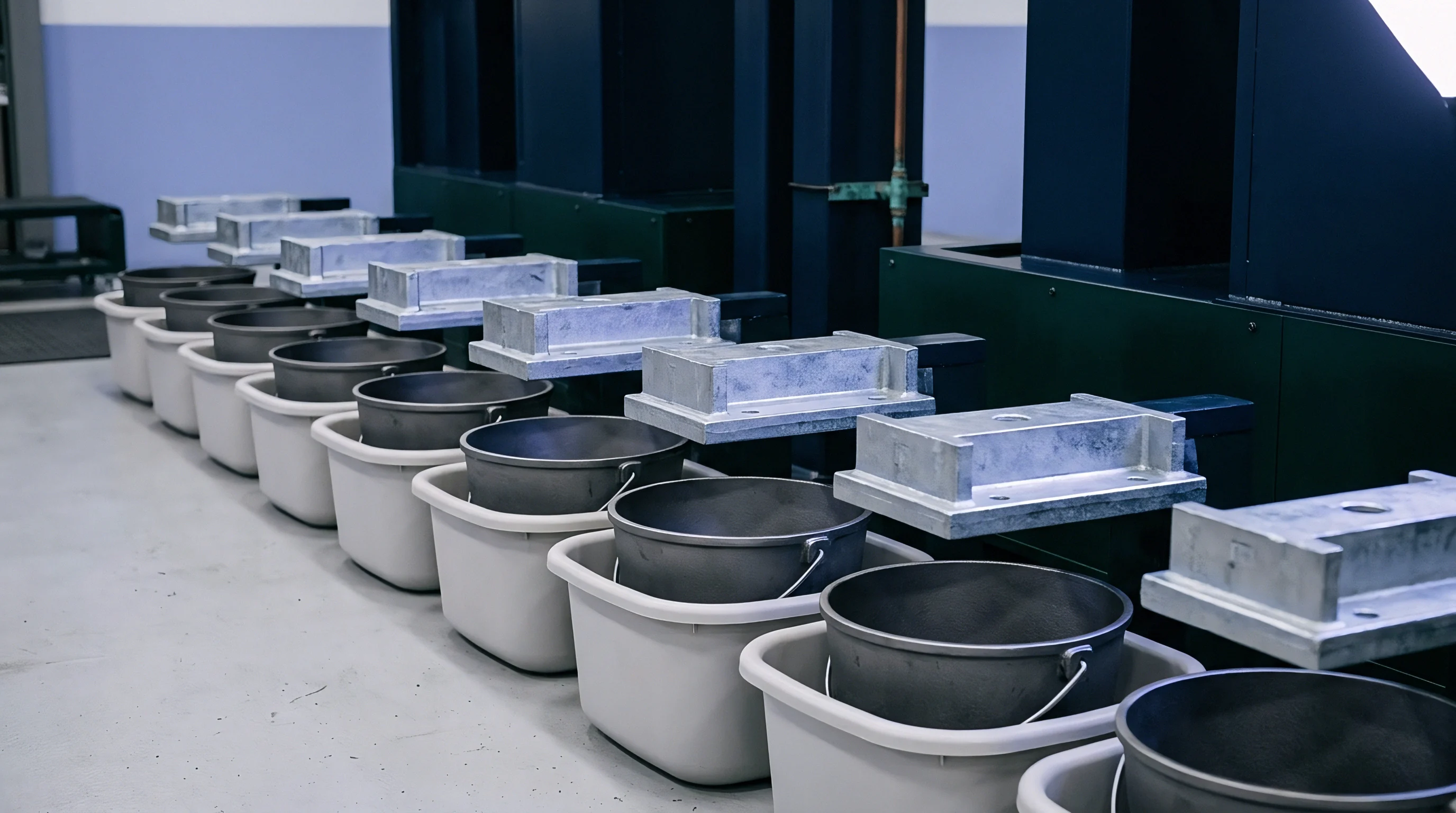
How Far down the Supply Chain Does Notification Reach?
Contractual terms between OEMs and Tier 1 suppliers rarely bind Tier 2 packaging plants or Tier 3 chemical suppliers. Without explicit pass-through terms, sub-tier vendors alter substrate formulations and move production across assembly sites without issuing formal PCN documentation. The Tier 1 vendor processes the finished component through standard functional testing, masking lower-tier alterations until field failures surface.

Requalification Windows and Buffer Stock Arithmetic
Standard notification windows fall short when full AEC-Q100 automotive qualification runs require six months of continuous thermal stress. A standard 90-day PCN window leaves buyers without enough time to validate parts before existing inventory is exhausted. When a Tier 2 packaging plant changes substrate resin systems, the buyer must execute comprehensive stress testing, including Temperature Cycling (TM 1010), Biased HAST (JESD22-A110), and High Temperature Operating Life (JESD22-A108).
Evaluating buffer stock arithmetic highlights the financial gap between standard notice periods and actual requalification lead times. For a program using 50000 integrated circuits per month at a unit price of $12.00, completing a 180 calendar days qualification cycle under a 90-day PCN window leaves a 90-day supply deficit. Bridging that gap requires purchasing 150000 units of buffer stock for $1,800,000, while non-recurring engineering (NRE) charges for lab testing, failure analysis, and board redesign add another $350,000.
Incorporating JEDEC JESD46 section 4.2 into sub-tier purchase contracts shifts qualification testing expenses directly to the component vendor upon unannounced material substitution.
Inserting section 4.2 of JEDEC JESD46 into Tier 1 procurement contracts converts voluntary change disclosures into mandatory conditions of product acceptance.


Clawback
Recovering losses from field failures caused by sub-tier component changes requires clear indemnity language that bypasses traditional liability limits. Standard purchase order terms generally cap vendor liability at the unit price of the defective component, rendering component refunds negligible when replacing a $5.00 integrated circuit soldered onto a $450.00 automotive assembly. Effective contracts treat unannounced sub-tier material changes as strict breaches of warranty to remove liability caps entirely.

Commercial Allocation of Requalification and Scrap Costs
Failure analysis costs alone often outstrip the purchase price of the defective integrated circuits. When field failures prompt a recall, the financial exposure encompasses scrapped assemblies, line downtime charges, rework labor, expedited freight, and customer-imposed penalties. Contractual clawback provisions must establish liquidated damage schedules that address unannounced sub-tier material modifications directly.
| Clause Structure | Liability Limit | Requalification Cost Coverage | Field Recall Liability |
|---|---|---|---|
| Standard Commercial Terms | 1x Unit Purchase Price | Excluded | Excluded |
| Capped Master Agreement | 1x Annual Order Value | Capped at NRE Direct Cost | Excluded |
| Material Change Breach Clause | Uncapped Direct Damages | Full Vendor Assumption | Included via Liquidated Schedule |
| Pass-Through Sub Tier Security | Backed by Offshore Escrow | Full Vendor Assumption | Direct Settlement from Bond |
Enforcing financial recovery requires a systematic contractual setup executed prior to issuing production purchase orders:
- Audit sub-tier supplier Part Change Notification procedures during vendor qualification phases.
- Insert strict bill of materials freeze language with mandatory 180-day advance PCN triggers into master supply agreements.
- Establish explicit liquidated damage schedules for line stoppages caused by non-conforming sub-tier materials.
- Require sub-tier material certificates with lot-level traceability for every incoming component shipment.
- Demand parent company guarantees or offshore escrow funds from foreign packaging foundries.
Conventional liability limitation clauses in standard master service agreements restrict financial recovery to component purchase price refund while excluding field replacement labor costs.
Whether courts will enforce unlimited consequential damage recovery against foreign sub-tier vendors without explicit local asset backing remains uncertain.


Forum
Cross-border contract enforcement runs into severe practical obstacles when pursuing foreign packaging foundries through local court systems. Litigating in the domestic courts where foreign packaging facilities operate risks jurisdictional bias, protracted delays, and difficulty enforcing judgments. Contracting parties need a defined international arbitration framework backed by multilateral enforcement treaties.

Cross Border Enforcement and Jurisdictional Choice
Selecting recognized international arbitration seats prevents suppliers from seeking shelter in national courts. Designating institutions like the Singapore International Arbitration Centre (SIAC) or the Hong Kong International Arbitration Centre (HKIAC) ensures technical disputes are heard by experienced commercial tribunals. Contracts should also explicitly exclude the United Nations Convention on Contracts for the International Sale of Goods (CISG) to prevent non-standard interpretations of material conformity.
The following checklist outlines key legal mechanisms required to secure enforceability across cross-border semiconductor supply chains:
- Arbitral Seat Selection mandates neutral jurisdictions like Singapore or London possessing developed commercial technology jurisprudence and clear enforcement mechanisms.
- CISG Exclusion Clause removes ambiguous default sales laws and grounds rights under specific commercial statutes such as English Commercial Law.
- Parent Guarantee Requirement binds foreign parent entities, preventing sub-tier operating subsidiaries from shifting assets during active litigation.
- Offshore Escrow Accounts lock financial assets in accessible bank accounts, ensuring immediate liquidity upon issuance of arbitral awards.
Opting for international arbitration in neutral legal jurisdictions remains the most effective defense against unannounced sub-tier component alterations.