Contractual Risk Allocation and Source Schematic Escrow Strategies for High-Reliability Custom Module Engineering Transfers
Escrow strategies for custom modules require verified native EDA files, clear IP boundaries, and explicit release covenants to mitigate supply lock-in.


Boundary
Engineering transfers for high-reliability electronics demand clear demarcations of responsibility. Custom module procurement frequently blurs the distinction between proprietary component supply and outsourced contract engineering. Primary suppliers often deliver functional modules while retaining underlying design source files, establishing operational lock-in under the guise of intellectual property protection.
Prime integrators face substantial risk when single-sourced custom modules encounter component obsolescence, vendor financial instability, or unannounced design revisions. Securing functional modules without obtaining native schematic files leaves the purchasing entity dependent on a single manufacturing source for long-term product maintenance.
The integration scope dictates which technical assets move across company boundaries during procurement. Standard reference designs provide baseline schematics, yet turning a demonstration board into an industrial module involves proprietary modifications. Vendors often claim these modifications represent protected background intellectual property.
Contracting custom hardware without explicit deliverable schedules for source files results in incomplete design custody. The interface fails.
Defining deliverable rights prior to contract signature separates routine module purchasing from true design transfer agreements. When an integrator funds non-recurring engineering, contract clauses dictate whether the resulting schematics belong to the buyer or remain proprietary to the vendor. Partial ownership arrangements, where buyers receive compiled Gerber outputs rather than native CAD databases, present significant long-term risk.
Without native files, minor component changes force costly complete hardware re-engineering.
| Integration Level | Native EDA Schematics | Gerber Fabrication Files | Firmware Source Code | Automated Test Rig Schematics |
|---|---|---|---|---|
| Turnkey Custom Module | Vendor Retained | Vendor Retained | Object Code Only | Vendor Proprietary |
| Semi-Custom Adaptation | Escrow Deposit Only | Shared Access | Board Support Package Source | Functional Test Specs Provided |
| Full Custom Engineering Transfer | Buyer Owned | Buyer Owned | Full Source Repository | Complete Hardware Schematics Provided |

Demarcation of Design Custody
High-reliability module procurement separates ownership into foreground rights, background IP, and manufacturing output files. Foreground IP encompasses custom schematic revisions, specialized component selection, and board interconnect layouts created specifically under the paid scope of work. Background IP covers pre-existing vendor blocks, internal power supply architectures, or reusable microcontroller sub-circuits.
Contracts that fail to isolate foreground modifications allow vendors to assert full ownership over customized modules.
Tooling costs remain non-refundable.
Legal ownership of engineering assets means little without physical possession of design archives. Vendors often fulfill contractual design transfers by providing static document formats like PDF schematics or flat Gerber files. These formats allow board fabrication but prohibit practical engineering maintenance.
Modifying a trace on a four-layer board using Gerber files alone demands painstaking, error-prone manual vector editing. Complete design custody requires native CAD databases containing active component libraries, schematic netlists, board stackup constraints, and simulation models.

Source Schematic Delivery Limits
Original equipment manufacturers frequently encounter vendor resistance when demanding native CAD files. Vendors cite trade secret protection, competitive sensitivity, and loss of future manufacturing margin as justification for withholding source files. Purchasing practices must weigh these supplier concerns against long-term operational exposure.
Custom firmware locks the interface.
Where direct transfer of native files proves commercially unviable, structured escrow arrangements provide an intermediate risk mitigation path. The deposit structure holds native files in secure custody, releasing them only upon specified operational failures or corporate transitions. This approach balances vendor intellectual property preservation with the buyer long-term operational continuity needs.
Re-spin costs double without native schematics.
Failing to delineate design assets at contract execution leaves prime integrators exposed to complete redesign costs during vendor supply disruptions.


Vault
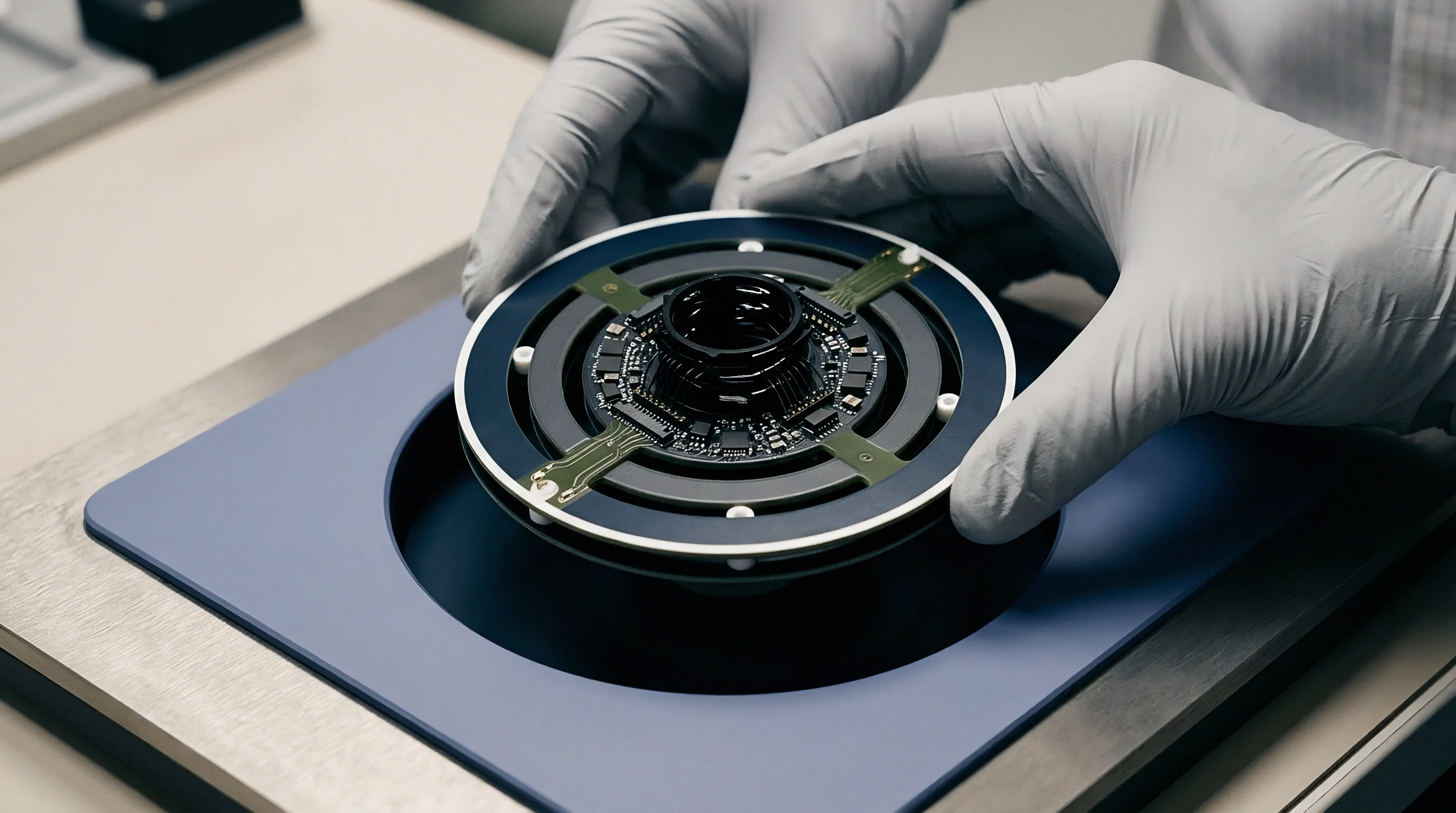
Escrow mechanisms preserve operational continuity when custom module suppliers encounter financial or technical insolvency. A source code and schematic deposit framework places critical design packages into independent legal custody. Third-party escrow agents hold these digital archives, releasing material to the buyer only when strictly defined contract covenants trigger.
Effective escrow arrangements avoid passive storage, establishing active verification schedules to maintain archive viability over extended product lifecycles.
Selecting an escrow agent involves assessing technical competence alongside financial stability. Generic software escrow services often lack the specialized infrastructure necessary to handle hardware design archives, multi-layer EDA databases, and complex build environment containers. Hardware escrow demands verification that stored files contain all assets necessary to recreate printed circuit assemblies without vendor intervention.
An escrow deposit containing only Gerber files leaves the buyer dependent on the original vendor for schematic modifications.
Deposit schedules correlate directly with engineering release milestones. Initial deposits occur upon complete functional prototype acceptance, followed by mandatory updates whenever engineering change orders modify board revisions, bill of materials components, or embedded software branches. A stagnant deposit archive loses utility within months of active production tuning.
Deposit Architecture and Tripartite Structures
A tripartite escrow agreement connects the module purchaser, the primary design vendor, and an independent repository host. This instrument establishes legal obligations, fee allocations, verification rights, and absolute release conditions. The primary factory retains native files.
Escrow agents charge annual maintenance fees.
The contract structure must define the physical and digital security parameters governing deposit storage. Digital repositories store encrypted source archives across geographically distributed data centers, while physical assets, such as programmed microcontrollers or specialized test jigs, occupy secure storage vaults. Access controls prevent unauthorized modification while allowing scheduled validation audits by accredited third-party engineers.
- Commercial Insolvency occurs when the vendor files for liquidation, enters receivership, or ceases active business operations without transferring production contracts.
- Sustained Technical Breach occurs when the vendor fails to remedy critical design defects within agreed contractual cure windows, threatening system field operation.
- Product Obsolescence Declaration happens when the vendor issues a formal end-of-life notice while refusing to transfer manufacturing tooling to the customer.
- Unauthorized Assignment occurs when the vendor transfers core manufacturing obligations to an unapproved subcontractor without prior written customer consent.
Release Triggers and Legal Execution
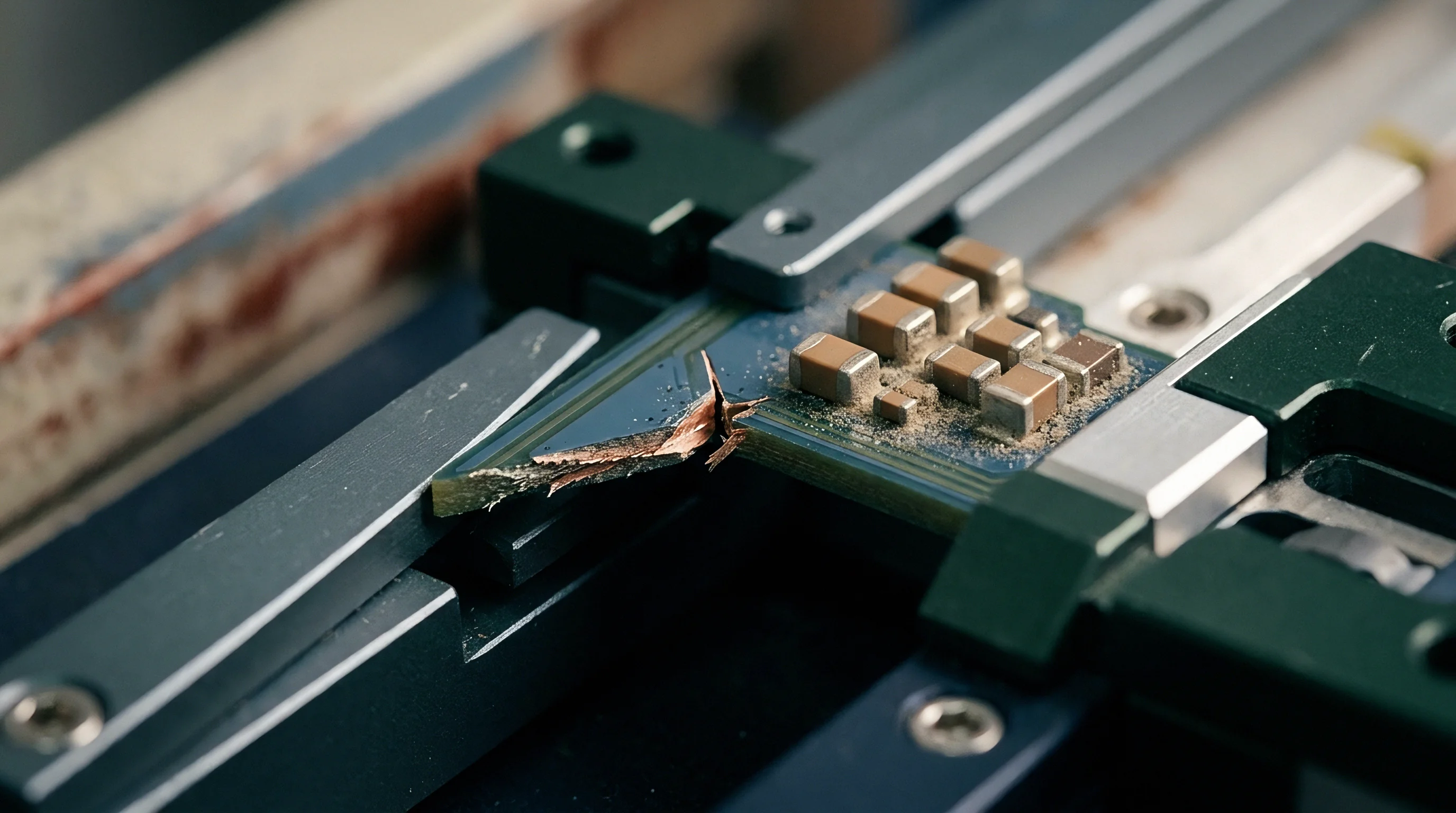
Contractual release covenants specify conditions under which locked engineering vaults open to the module purchaser. Release conditions must rely on objective, verifiable events rather than subjective performance disputes. Objective criteria include legal bankruptcy filings, documented delivery failure exceeding ninety days, or formal written notifications of product line discontinuation.
Dispute resolution clauses prevent vendors from blocking escrow releases through frivolous legal challenges. When a release trigger occurs, the buyer submits sworn affidavits and supporting proof to the escrow agent. The vendor receives a limited timeframe to demonstrate cure.
If the vendor fails to submit valid proof of performance within this window, the escrow agent releases the full archive package directly to the buyer.
Incorporating an explicit escrow release clause into the master services agreement converts passive source code deposits into enforceable manufacturing assets.


Proof
Deposited engineering assets require physical and algorithmic validation before an escrow agent accepts a filing. Unverified zip files placed into escrow often prove incomplete or corrupted when released years later. Technical verification verifies that deposited CAD databases compile cleanly, firmware builds generate matching checksums, and manufacturing documentation produces identical bare boards.
Verification halts at layer four.
Comprehensive proof protocols involve independent build testing within isolated virtual computing instances. Third-party engineers attempt to compile firmware from source files without using pre-installed vendor libraries or proprietary environment variables. Similarly, schematic netlists are exported from deposited CAD archives and compared against board layout connectivity matrices to reveal unrecorded manual jump wires or dynamic ECO modifications.
Unverified software releases fail compilation tests in seventy-four percent of escrow deposits due to missing build scripts or missing library dependencies.
| Asset Classification | Deposited Archive Format | Independent Build Verification Criteria | Deposit Rejection Condition |
|---|---|---|---|
| Schematic Source | Native CAD Project (Altium / Allegro) | Netlist generation matches fabrication artwork netlist identically | Missing symbol libraries or unlinked hierarchical sheets |
| Board Layout | Native Layout File plus IPC-2581 XML | DRC clean run using manufacturer design rule files | Unrouted copper nets or orphan shape pour boundaries |
| Firmware Source | Git Repository with Toolchain Scripts | Clean compilation produces bit-for-bit identical production binary | Hardcoded local paths or uncommitted external library dependencies |
| Automated Test Suites | LabVIEW Source or Python Test Scripts | Execution against golden module produces passing diagnostic logs | Missing instrument drivers or undocumented calibration parameters |
Native File Validation Mechanics
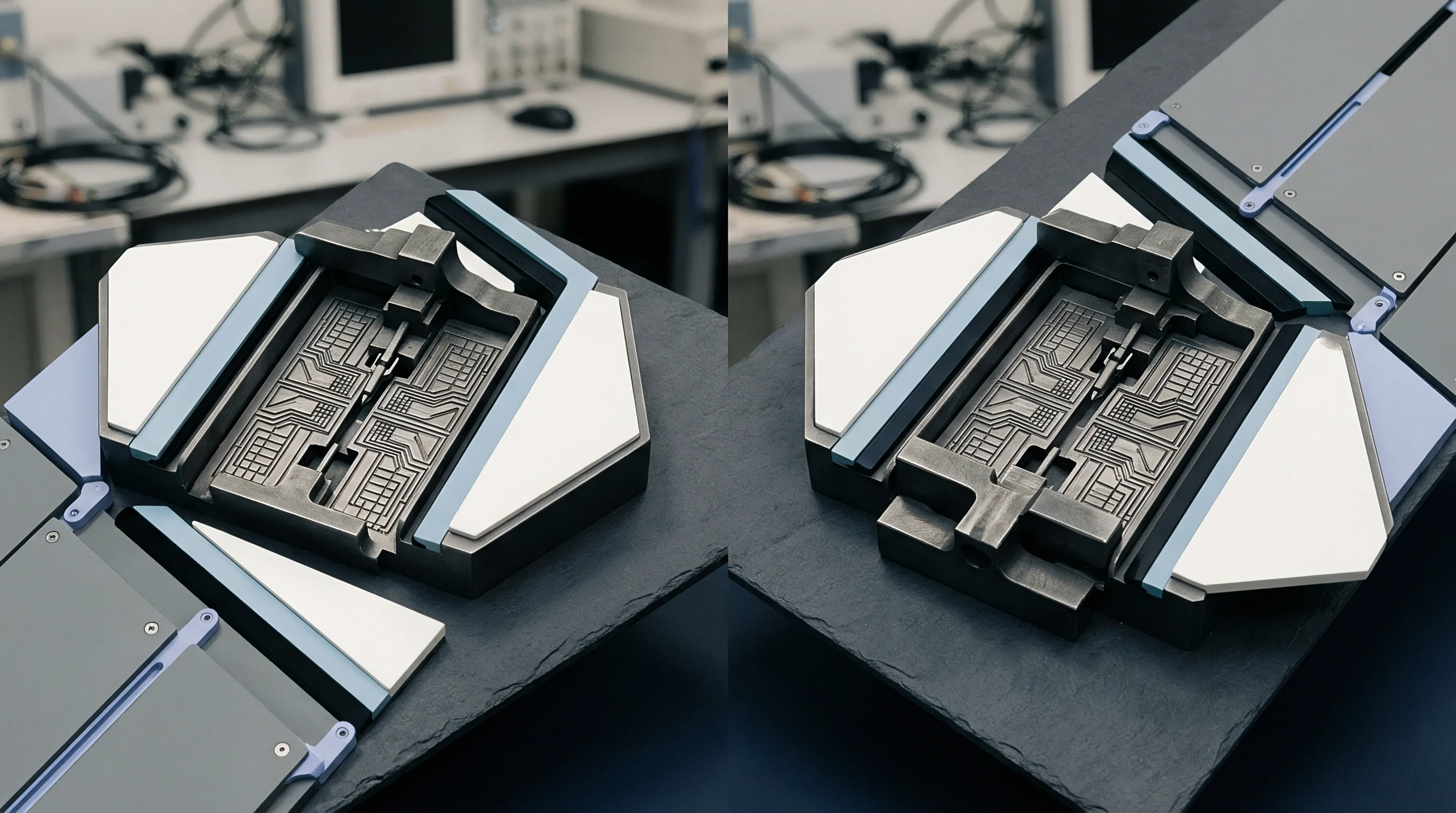
Validating an escrow package begins with unpacking raw schematic databases and printed circuit layout files inside isolated virtual environments. Testing relies on native design software versions specified in vendor documentation. Engineers check component library linkage, verifying that integrated circuit footprint models retain correct pin mappings, thermal pad parameters, and 3D step files.
Layout databases undergo automated Design Rule Checks (DRC) using fabricator constraints. Unresolved DRC errors indicate incomplete layout optimization or unrecorded manual adjustments. Netlists generated directly from native schematics must match the netlist extracted from production Gerber artwork files.
Any mismatch signals uncommitted engineering modifications that compromise second-source manufacturing bring-up.
Cleanroom audits reveal hidden layout modifications.

Test Rig and Calibration Dossiers
Production hardware cannot be fabricated or checked without complete manufacturing documentation and automated test script repositories. Functional module testing uses specialized fixtures, bed-of-nails pin blocks, and automated measurement scripts. An escrow package lacking test fixture schematics, wiring harness pinouts, or measurement software source code prevents incoming inspection by secondary manufacturing sites.
The secondary build fails completely.
Calibration procedures require exact mathematical constants, test signal limits, and environmental chamber profiles. Depositing static test software executables without underlying source scripts prevents modification when test instrumentation changes. Deposit standards demand full access to test scripts, calibration routine source code, and hardware interconnect drawings.
- Extract the compressed design archive into a clean virtual machine disconnected from external network access.
- Execute the schematic netlist generation tool using original vendor script parameters to match layout outputs.
- Compile firmware binaries directly from source code repositories without pre-compiled object linking.
- Verify Gerber X2 artwork layers against copper etch tolerances specified in fabrication drawings.
- Flash compiled binaries onto golden sample modules and run complete functional test suite sequences.
Suppliers frequently claim that native engineering CAD databases contain trade secret routing topology that cannot be released to third parties.

Draft
Contract terms establish how technical liabilities transition between custom module vendors and prime integrators. Formal agreements balance risk allocations through precise terms for background intellectual property, manufacturing change authority, and field defect indemnification. Ambiguity in development contracts shifting component lifecycle risks inevitably produces dispute when part shortages occur.
Custom module contracts incorporate Part Change Notification (PCN) standards to control unannounced component substitutions. Vendors substituting passive components, microcontroller sub-variants, or flash memory dies alter circuit timing, thermal characteristics, or electromagnetic compliance. Explicit PCN covenants force suppliers to provide written notice prior to implementing board revisions, granting buyers right-of-rejection and mandatory qualification windows.
IPC-2581 XML transfers preserve intelligent board stackup metadata, preventing fabrication errors during vendor migrations.
Uncompiled code halts production transfers.
Liability limitation clauses govern financial compensation when modules cause system failure. Custom module suppliers attempt to cap liability at unit purchase price or total contract value, while buyers seek indemnification covering downstream field recall expenses. Negotiated outcomes establish tiered caps tied to fault categories, distinguishing simple warranty defects from gross negligence or intentional contract breaches.

Part Change Notifications and Lifetime Support
Engineering change notices regulate component substitutions throughout a module production lifecycle. Class 1 modifications, altering physical form, fit, function, or safety approvals, demand formal buyer sign-off before manufacturing delivery. Class 2 minor modifications require written notification prior to factory implementation.
Component substitutions made without notification trigger mandatory financial penalties and void supplier liability limits.
Production yields drop six percent.
Long operational lifecycles demand multi-year component availability commitments. High-reliability applications, including aerospace, industrial automation, and energy infrastructure, outlive commercial electronics component life spans. Contracts enforce minimum notification windows for component end-of-life declarations, obligating suppliers to secure last-time-buy quantities or fund redesign adaptations.

Risk Allocations and Liability Caps
Warranty structures for custom hardware specify maximum commercial exposure when field defects occur. Standard product warranties cover material defects and workmanship for twelve to twenty-four months, limited to module repair or replacement. Custom high-reliability applications demand extended warranty windows backed by clear root-cause analysis procedures.
Toolchains drift over long operational lifecycles.
The standard warranty lapses immediately.
- Background Intellectual Property remains with the originating party while granting irrevocable, non-exclusive manufacturing licenses to the customer upon escrow release trigger events.
- Foreground Modification Rights transfer to the purchasing entity upon final payment of non-recurring engineering milestone fees.
- Component Change Covenants mandate a minimum ninety-day advance written notice prior to implementing form, fit, or functional sub-assembly modifications.
- Warranty Exposure Caps limit the primary supplier liability for secondary recall costs except in documented cases of gross negligence or intentional breach.
A robust part change notification clause provides more security against field failure than extensive post-facto warranty indemnities.

Invoice
Financial models governing engineering transfers balance non-recurring charges against unit production margins. Vendors frequently offer reduced initial development fees to win high-volume manufacturing agreements, absorbing initial engineering costs into piece-part prices. This commercial structure obscures actual development expense, creating financial friction when buyers attempt to transfer production to secondary facilities.
Unbundling non-recurring engineering fees from unit prices exposes true manufacturing economics. Itemized quotations separate initial schematic design, PCB layout, prototype fabrication, compliance certification, and test fixture development into distinct financial deliverables. Paying full commercial value for non-recurring engineering strengthens buyer ownership claims over foreground design files.
Unit price amortisation of development fees creates financial lock-in before production volumes reach break-even thresholds.
Tooling amortisation structures require careful accounting tracking. Vendors spreading tooling expenses across projected unit volumes expose buyers to sudden retroactive billing if unit volume commitments fall short. Transparent contracts isolate capital expenditure for tooling, test fixtures, and molding dies, establishing clear buyout schedules tied to production milestones.
| Cost Element | Primary Turnkey Production | Second-Source Escrow Re-build | Financial Variance Mechanism |
|---|---|---|---|
| Non-Recurring Engineering | 250,000 USD (Amortised) | 85,000 USD (Verification / Bring-up) | Direct asset ownership eliminates re-design costs |
| Unit Production Price | 145 USD per Unit | 122 USD per Unit | Open-market contract manufacturing pricing competitive bidding |
| Manufacturing Setup | Included in NRE | 35,000 USD (Secondary Factory Setup) | Tooling recreation and line qualification expenses |
| Tooling & Test Rig Asset Amortisation | 4.50 USD per Unit | Direct Asset Transfer (Zero Amortisation) | Physical test rig ownership rights enforced under escrow |

Engineering Cost Breakdown and Amortisation
Non-recurring development fees compensate vendor engineers for schematic creation, board layout, and initial firmware creation. A fully burdened engineering hour calculation incorporates specialized EDA tool licensing, cleanroom workspace overhead, and laboratory measurement equipment depreciation. Contracts must map engineering milestone payments directly to complete deliverable packages rather than calendar duration.
Escrow maintenance costs present an ongoing commercial commitment. Third-party agents charge annual administration fees alongside per-deposit verification charges. Integrating verification costs into annual operational budgets prevents escrow coverage lapses during long product production runs.
The deposit expires.

Financial Impact of Escrow Release Events
Deploying second-source manufacturing from escrow deposits involves distinct secondary setup expenses. Re-establishing production at an alternate facility incurs tooling replication, stencil fabrication, line setup, and regulatory re-certification fees. Accessing verified source files reduces secondary bring-up timelines by seventy percent compared to full hardware re-engineering.
Evaluating total landed costs requires factoring second-source bring-up expenses into early sourcing risk calculations. While maintaining escrow arrangements increases annual operating overhead, the financial protection provided against production line shutdown balances the expenditure.
The remaining commercial uncertainty centers on whether rising escrow maintenance fees outweigh the long-term risk of complete hardware re-engineering.