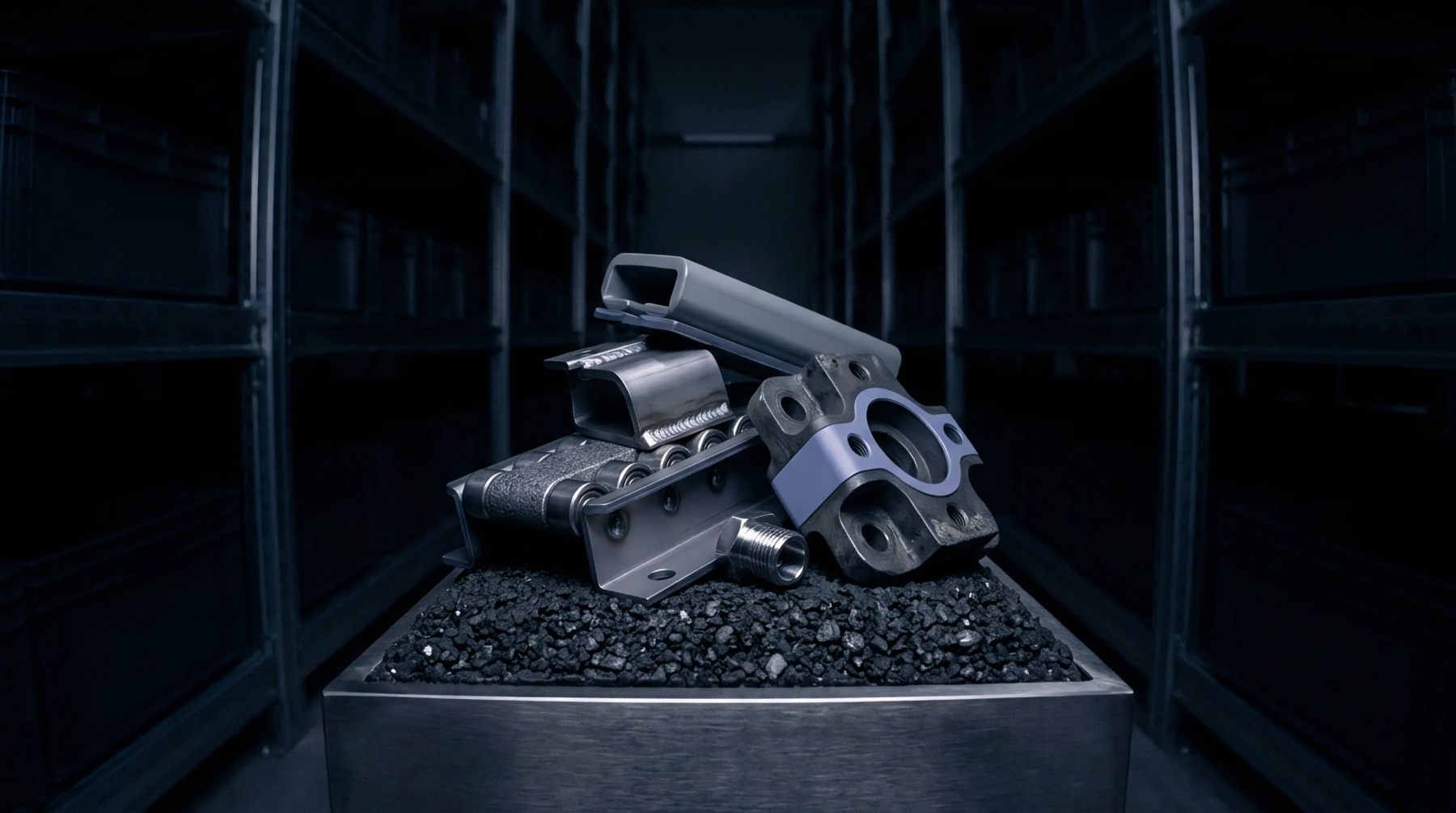
Sub-GHz Node Real Time Clock Thermal Drift Basics
Sub-GHz real-time clock drift stems from tuning fork parabolic frequency shifts, forcing widened radio receive guard windows that drain battery reserves.
Sub-GHz real-time clock drift stems from tuning fork parabolic frequency shifts, forcing widened radio receive guard windows that drain battery reserves.
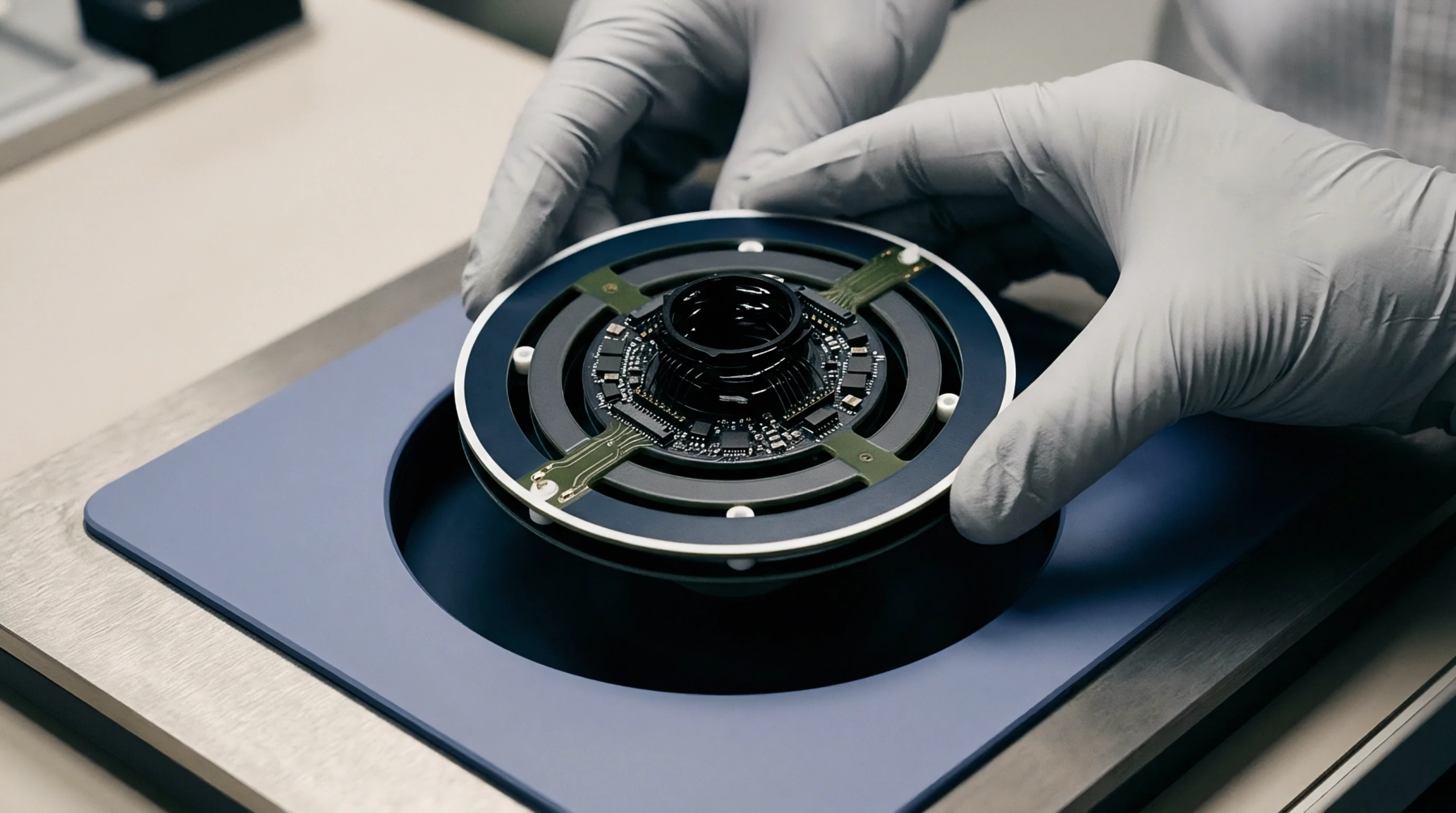
Polynomial compensation reduces sub-GHz receiver preamble listen windows by converting crystal thermal drift into predictable fixed-point timer corrections.
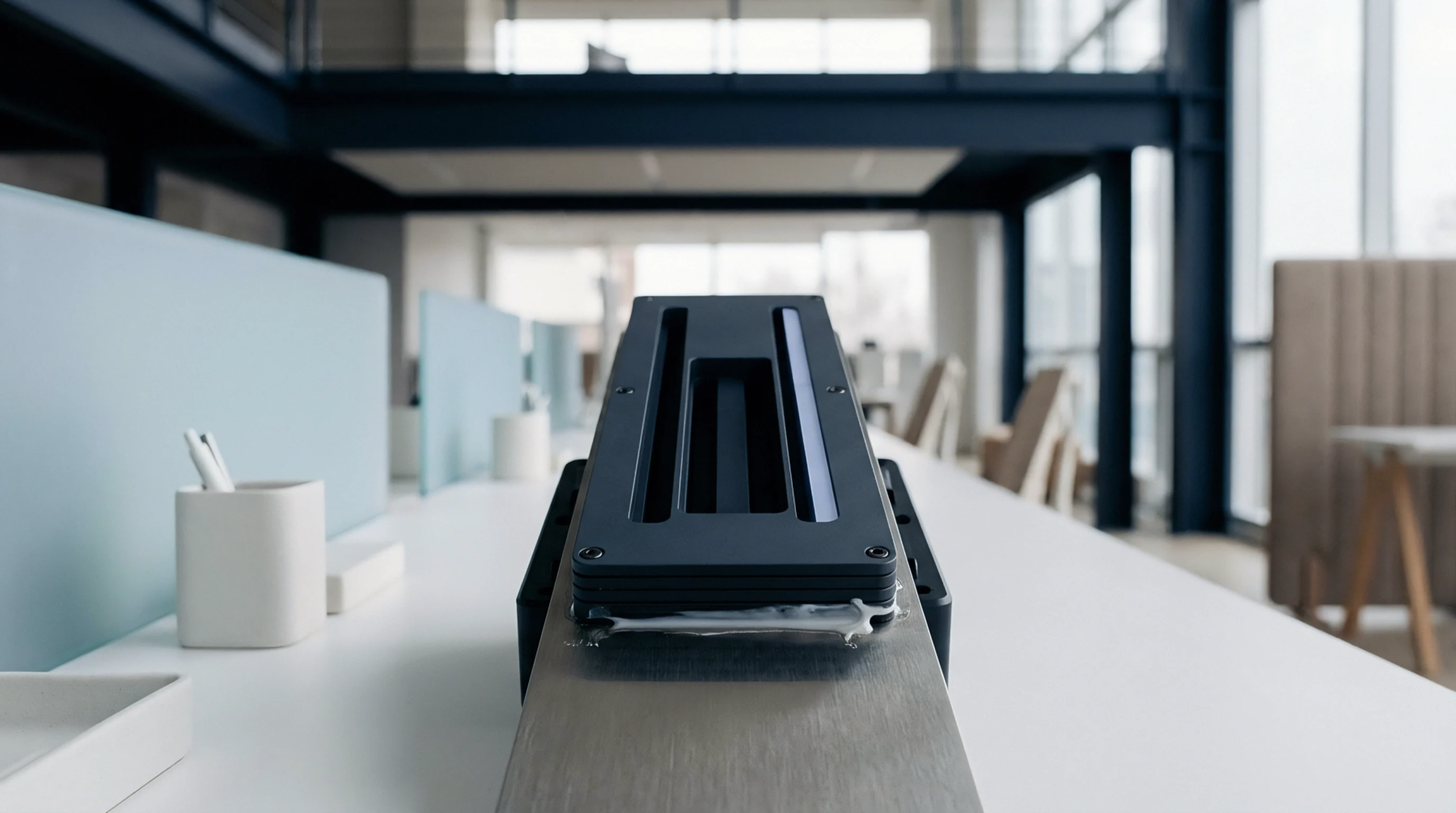
Subterranean cellular operation trades battery lifespan for reach through coverage enhancement modes that overcome soil attenuation and aperture slot coupling loss.
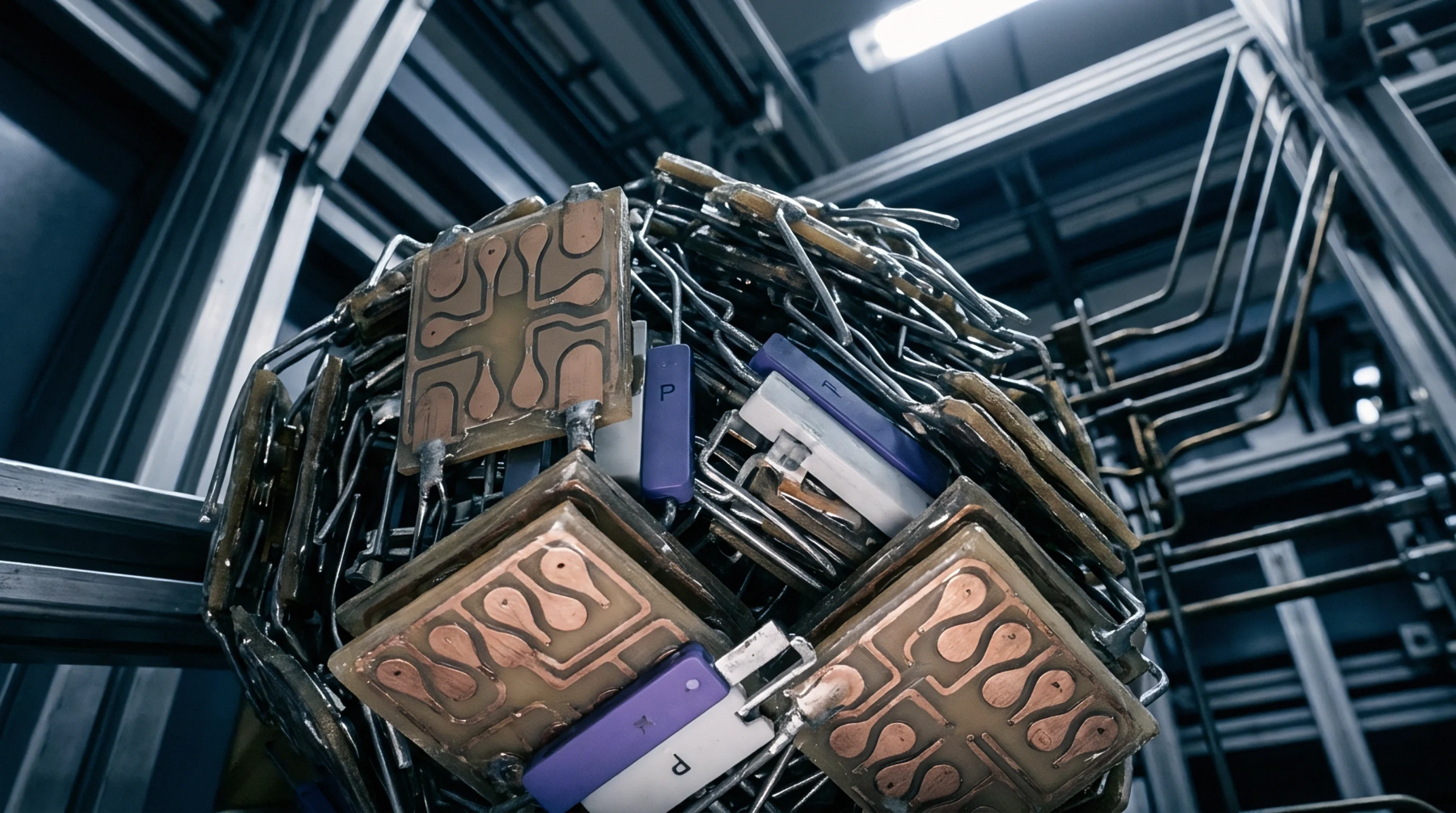
Optimizing unattached transceiver backoff timers prevents severe passivation voltage dips and extends primary lithium battery service life past ten years.
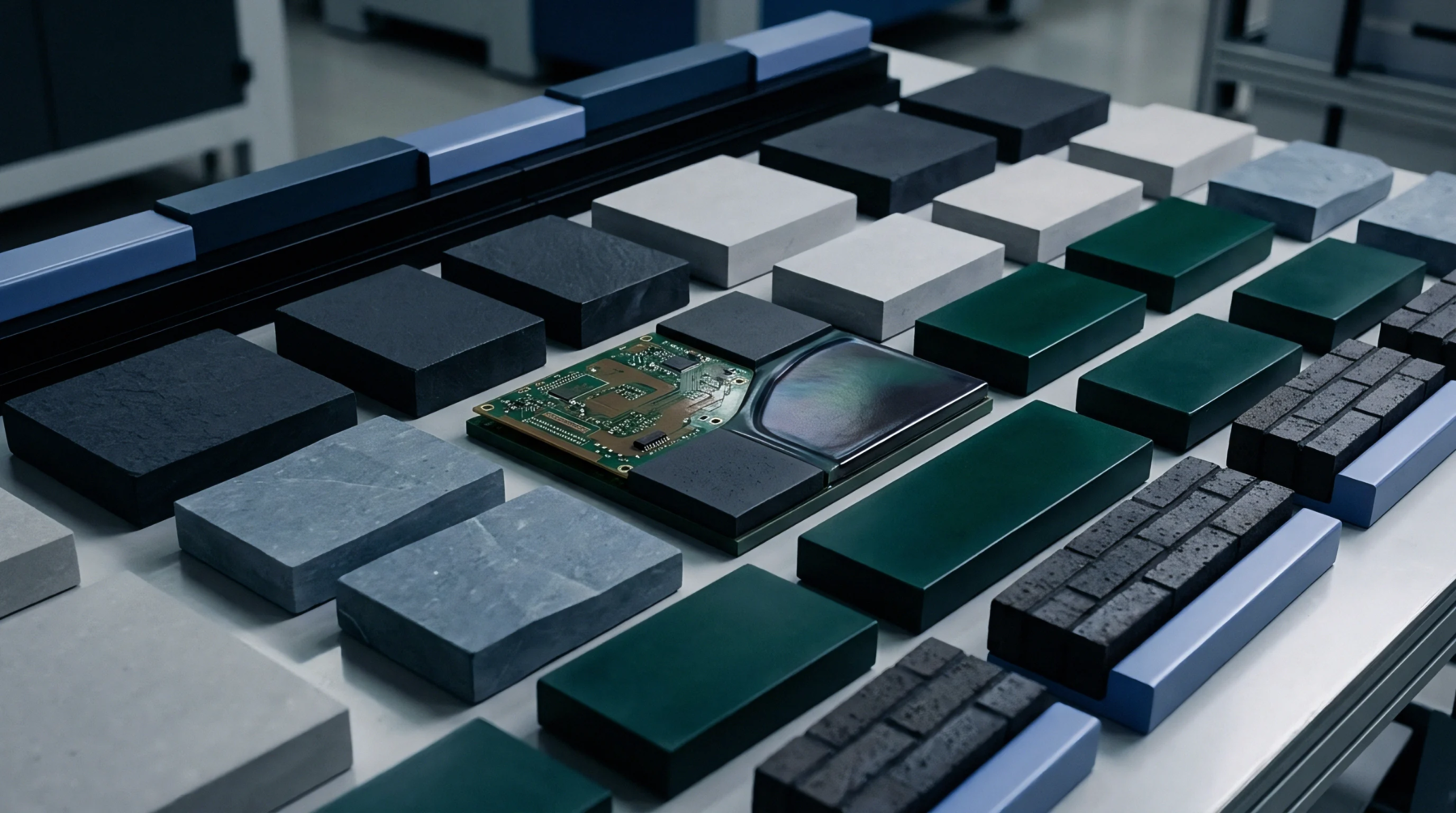
Dynamic guard window sizing calculates clock offset history to shrink receiver listen windows and extend low-power sub-GHz battery life
Expertise is a utility, not a secret. sentiention™ publishes its working knowledge as open reference: intelligence layer covering the materials it sources, the markets it enters, and the reference that serves both.