Characterizing Real Time Clock Drift under Low Power Conditions
Characterizing real-time clock drift under low power conditions demands measuring negative parabolic thermal curvature, ESR climbs, and guard-time airtime penalties.
Characterizing real-time clock drift under low power conditions demands measuring negative parabolic thermal curvature, ESR climbs, and guard-time airtime penalties.
Oscillator drift forces wider receiver listen windows in low duty cycle radios, multiplying active energy consumption and degrading battery lifespan.
Thermal compensation curve failure stems from quartz aging, solder strain, and thermal gradient tracking lag, widening LPWAN receive windows and draining batteries.
Sub-GHz PA power bursts generate micro-Kelvin crystal thermal gradients that shift carrier frequency, demanding thermal isolation and tight TCXO specification.
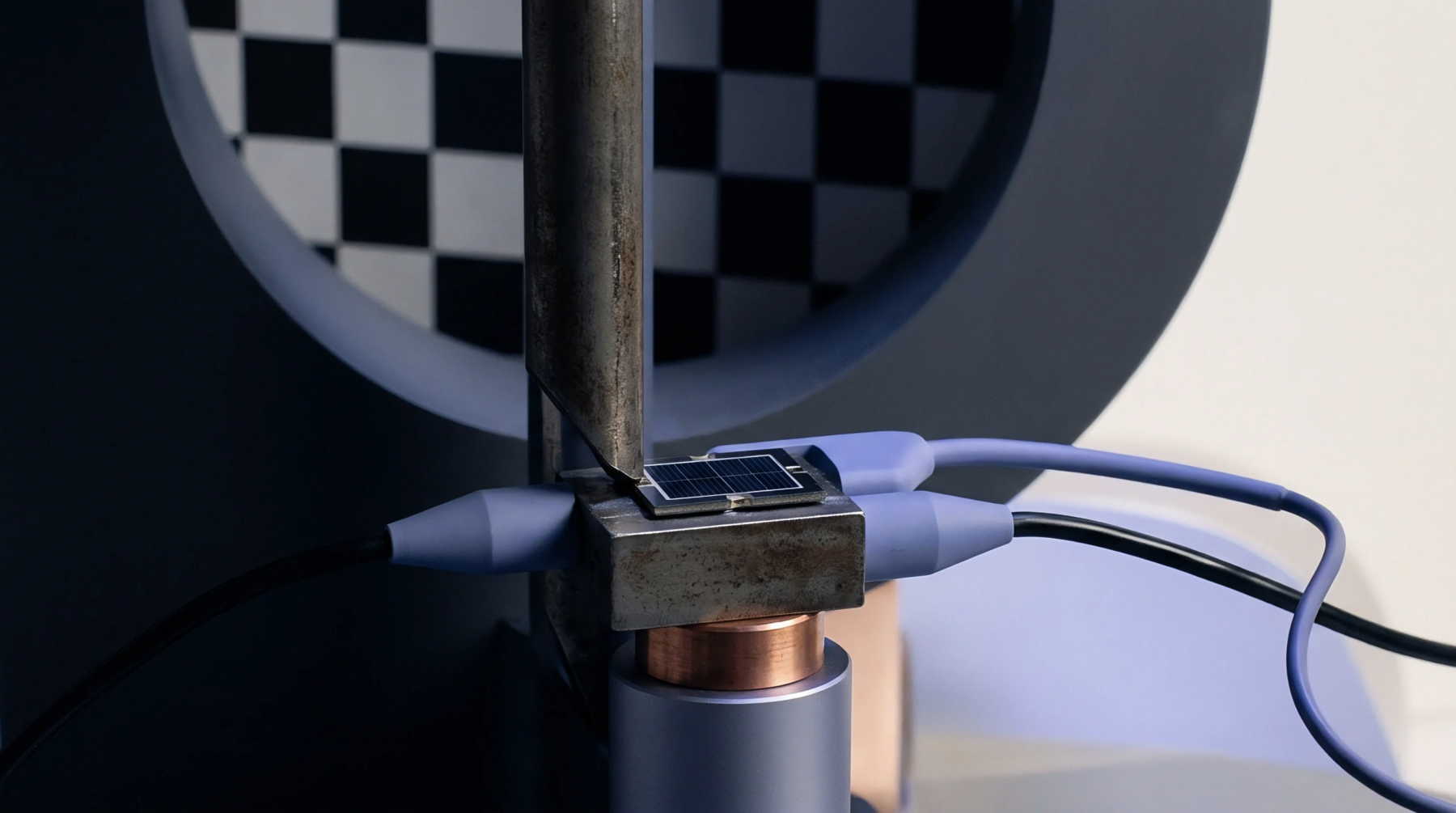
Sizing receiver guardbands to worst-case crystal thermal drift prevents slot collisions and preserves battery endurance in dense sub-gigahertz networks.
Thermal drift in crystal resonators forces wider MAC guardband windows, multiplying receiver active listen times and accelerating battery depletion.
Integrating instantaneous frequency offset polynomials over sleep intervals expands receiver guard windows accurately without wasting battery capacity in low power nodes.
Regional sub-GHz regulatory splits force strict hardware tradeoffs between single wideband BOMs and optimized regional RF front-end variants.
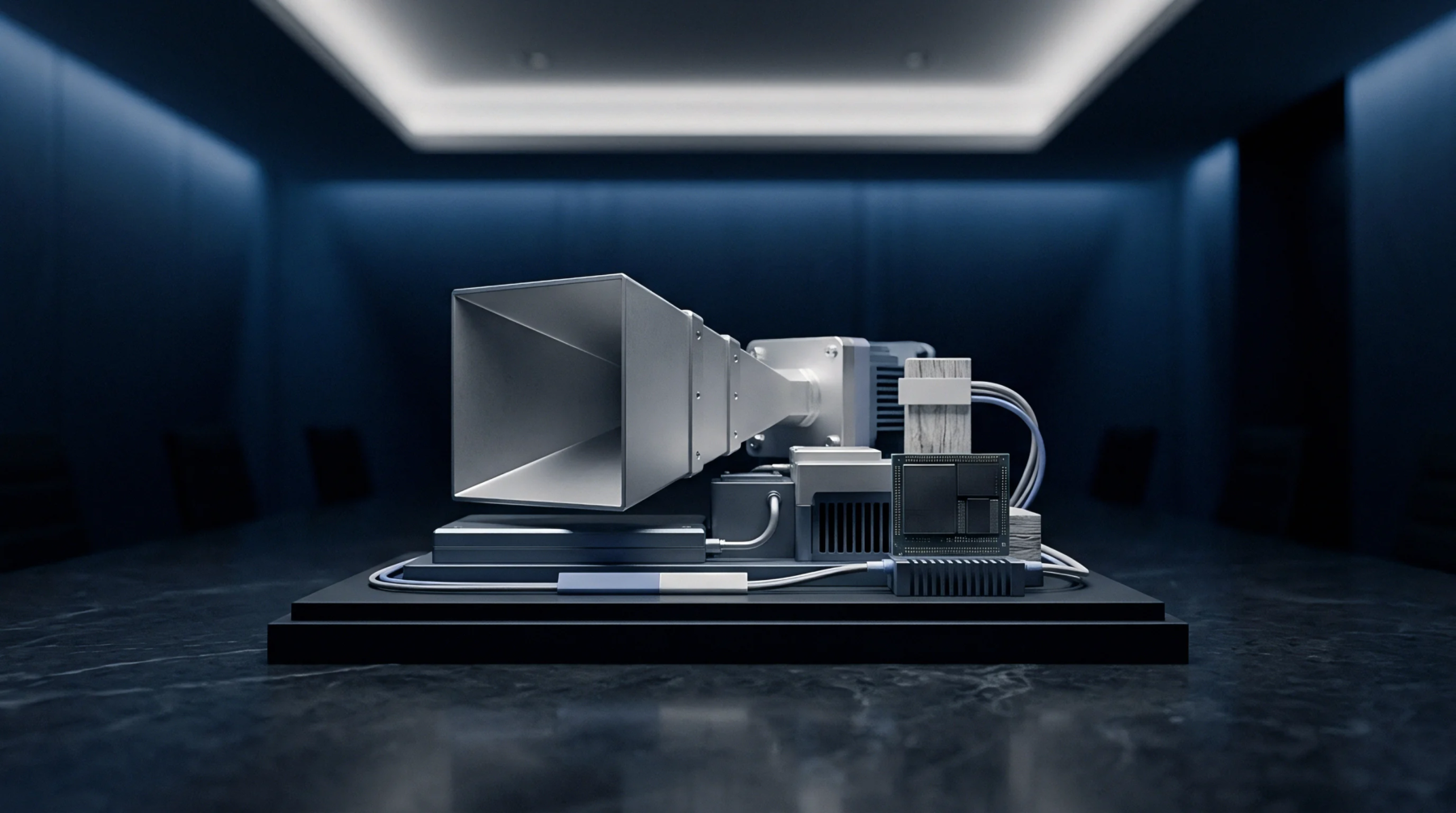
Drift-compensated guard windows reduce active receiver wake duration by narrowing timing margin based on tracked phase offset and thermal variance.
Expertise is a utility, not a secret. sentiention™ publishes its working knowledge as open reference: intelligence layer covering the materials it sources, the markets it enters, and the reference that serves both.