Temperature Dependent Parabolic Frequency Drift Analysis in Quartz Crystal Resonators
Parabolic crystal drift shifts 32.768 kHz sleep clocks by -148 ppm at -40°C, expanding receiver listening windows and draining battery capacity.
Parabolic crystal drift shifts 32.768 kHz sleep clocks by -148 ppm at -40°C, expanding receiver listening windows and draining battery capacity.
Industrial radio quartz crystals drift parabolically over temperature, demanding dynamic register-based capacitance tuning or TCXOs to prevent link loss.
Drive level dependency arises from interfacial micro-slip and acoustic nonlinearity, spiking crystal resistance at low drive power and stalling radio oscillators.
Excessive crystal drive level induces non-linear frequency drift, phase noise degradation, and blank fracture, demanding precise drive calculation.
Dynamic thermal gradients pull quartz oscillator frequencies beyond tracking loop limits, inducing packet preamble synchronization failures in low-power links.
Characterizing real-time clock drift under low power conditions demands measuring negative parabolic thermal curvature, ESR climbs, and guard-time airtime penalties.
Atomic layer oxide passivation on sub-GHz transceiver crystals eliminates low-drive resistance spikes, preventing oscillator startup stalls and link margin loss.
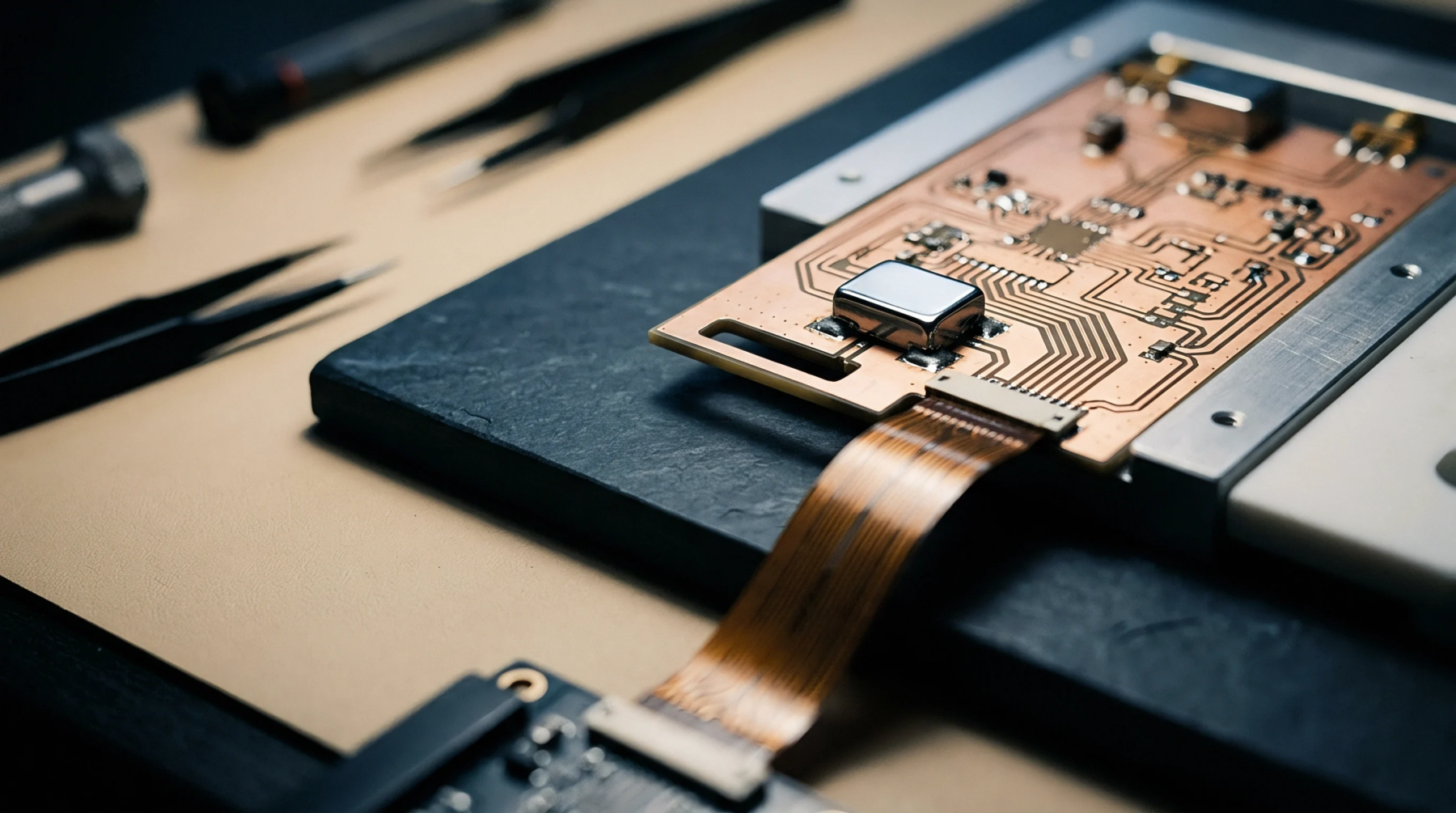
High transmit current bursts shift crystal drive levels, causing motional resistance jumps and frequency pulling that degrade wireless packet transmission.
Expertise is a utility, not a secret. sentiention™ publishes its working knowledge as open reference: intelligence layer covering the materials it sources, the markets it enters, and the reference that serves both.