Sub-GHz Transceiver Pierce Oscillator Gain Margin Optimization under Low-Power Drive
Maintaining a Pierce oscillator gain margin above five under minimum transconductance bias prevents cold-temperature startup failures in sub-GHz IoT transceivers.
Maintaining a Pierce oscillator gain margin above five under minimum transconductance bias prevents cold-temperature startup failures in sub-GHz IoT transceivers.
Dynamic temperature ramps induce TCXO micro-jumps that degrade phase margin, demanding physical thermal shielding and strict phase-step RFQ caps.
Cyclic power amplifier thermal pulses induce quartz lattice microcracking, driving carrier frequency drift beyond radio regulatory limits over time.
Excessive crystal drive level induces non-linear frequency drift, phase noise degradation, and blank fracture, demanding precise drive calculation.
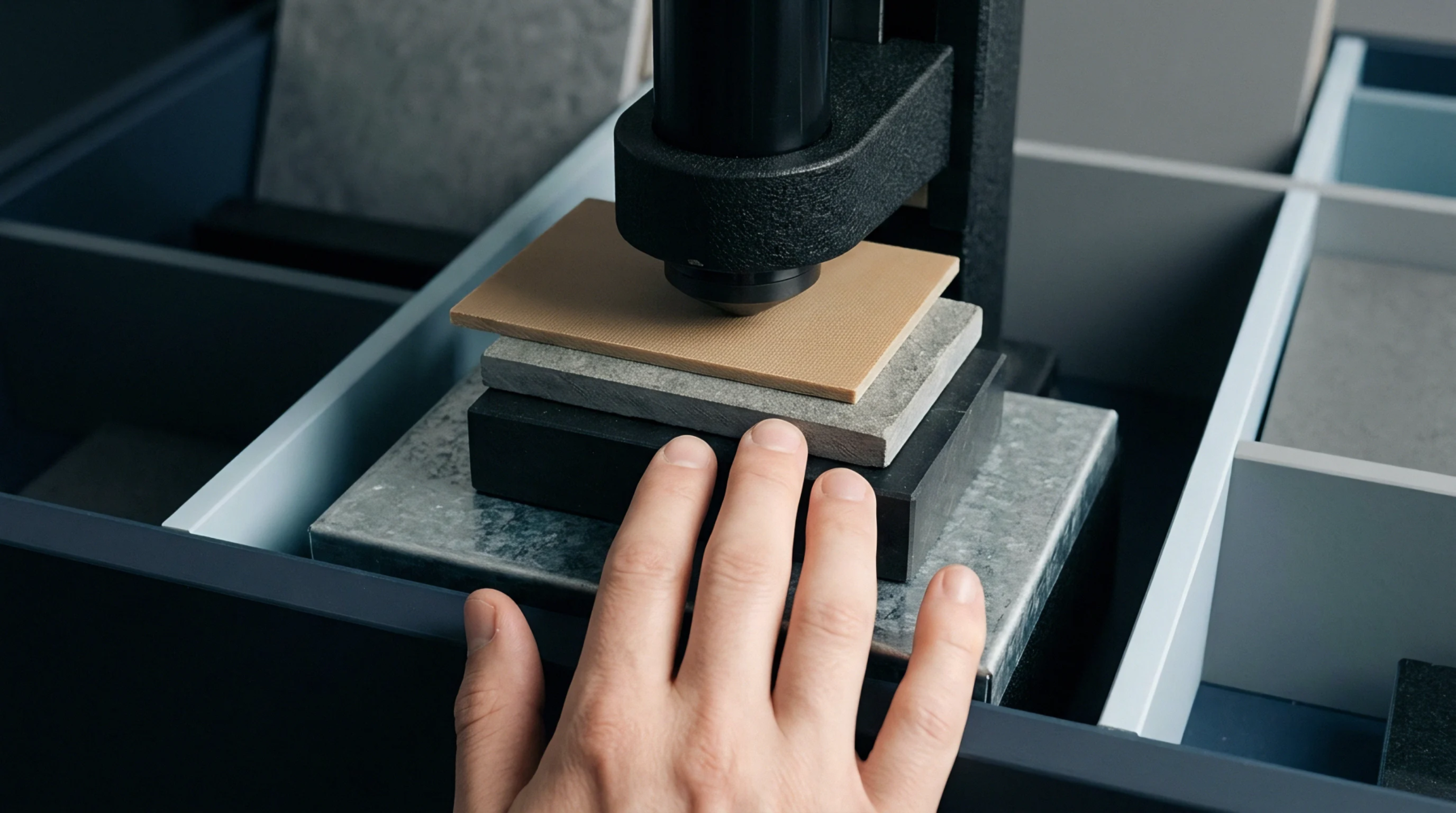
Thermal isolation slots and added board thermal mass dampen local power amplifier heating rates, keeping TCXO transient drift within narrow sub-GHz channel limits.
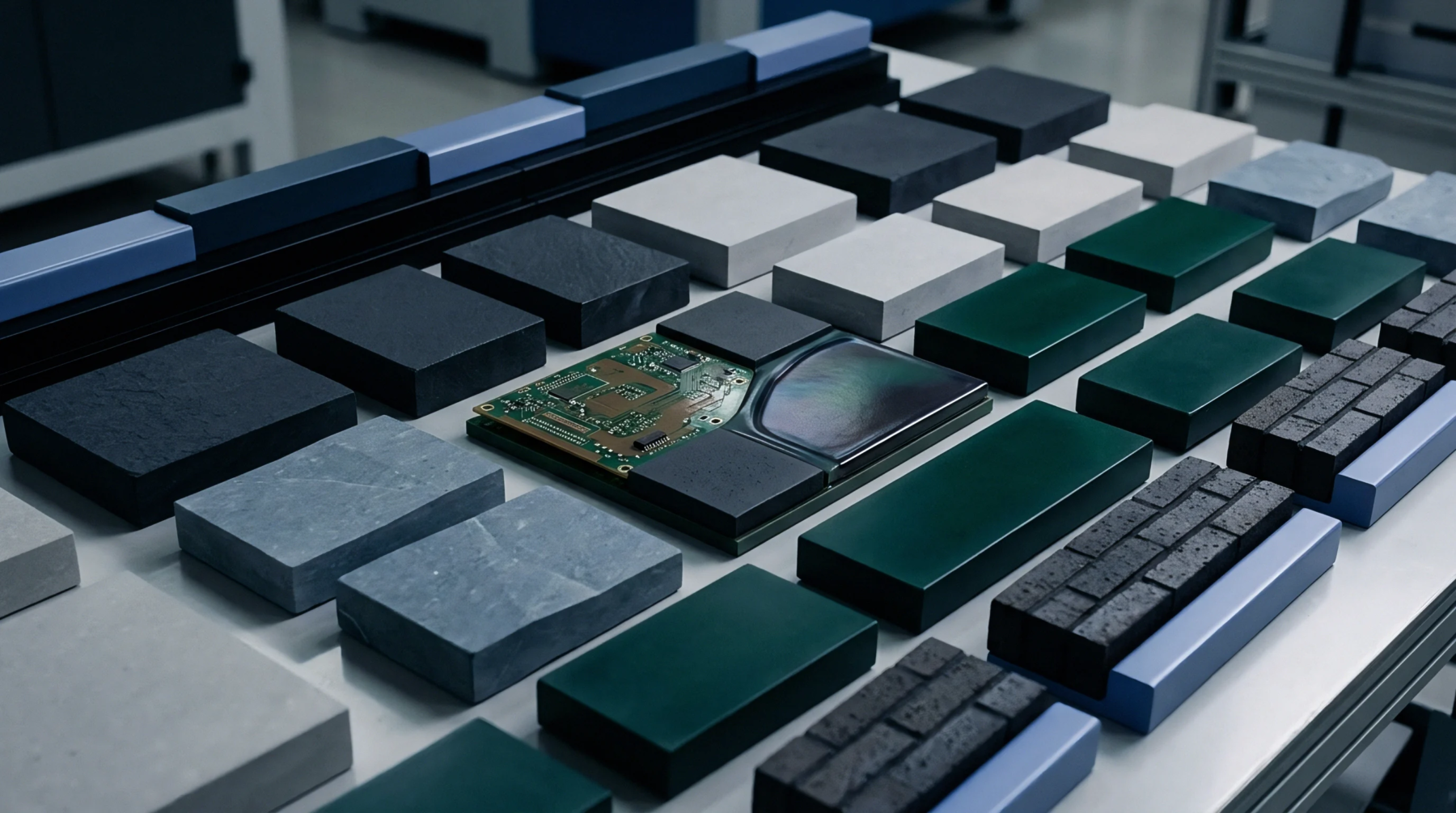
Post-transfer administrative liability for KC radio approvals rests exclusively on the newly registered holder upon RRA registration confirmation.
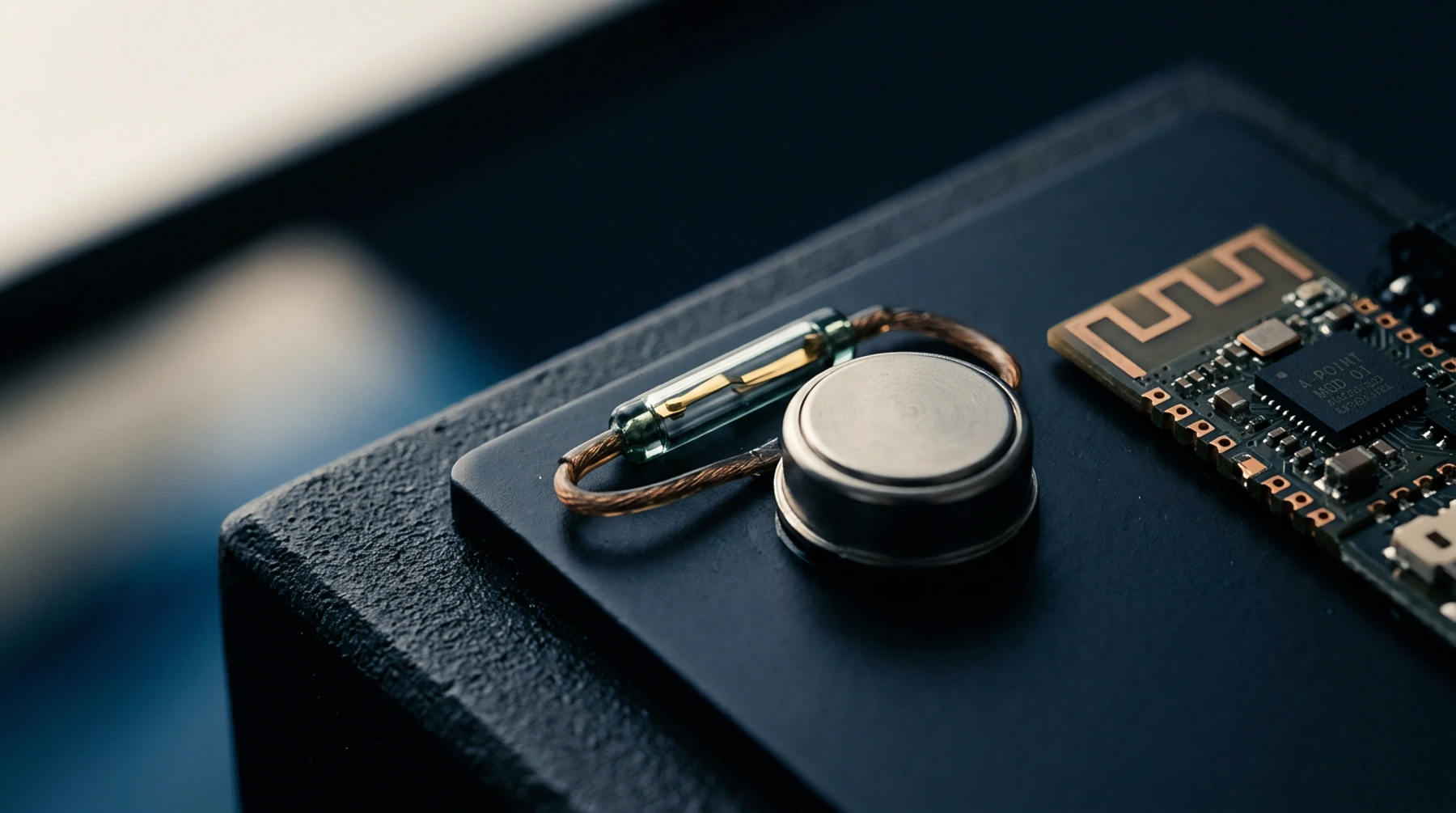
Thermal gradients from RF transmit bursts cause RTC crystal frequency drift, requiring copper plane isolation slots to maintain LPWAN sleep-wake timing precision.
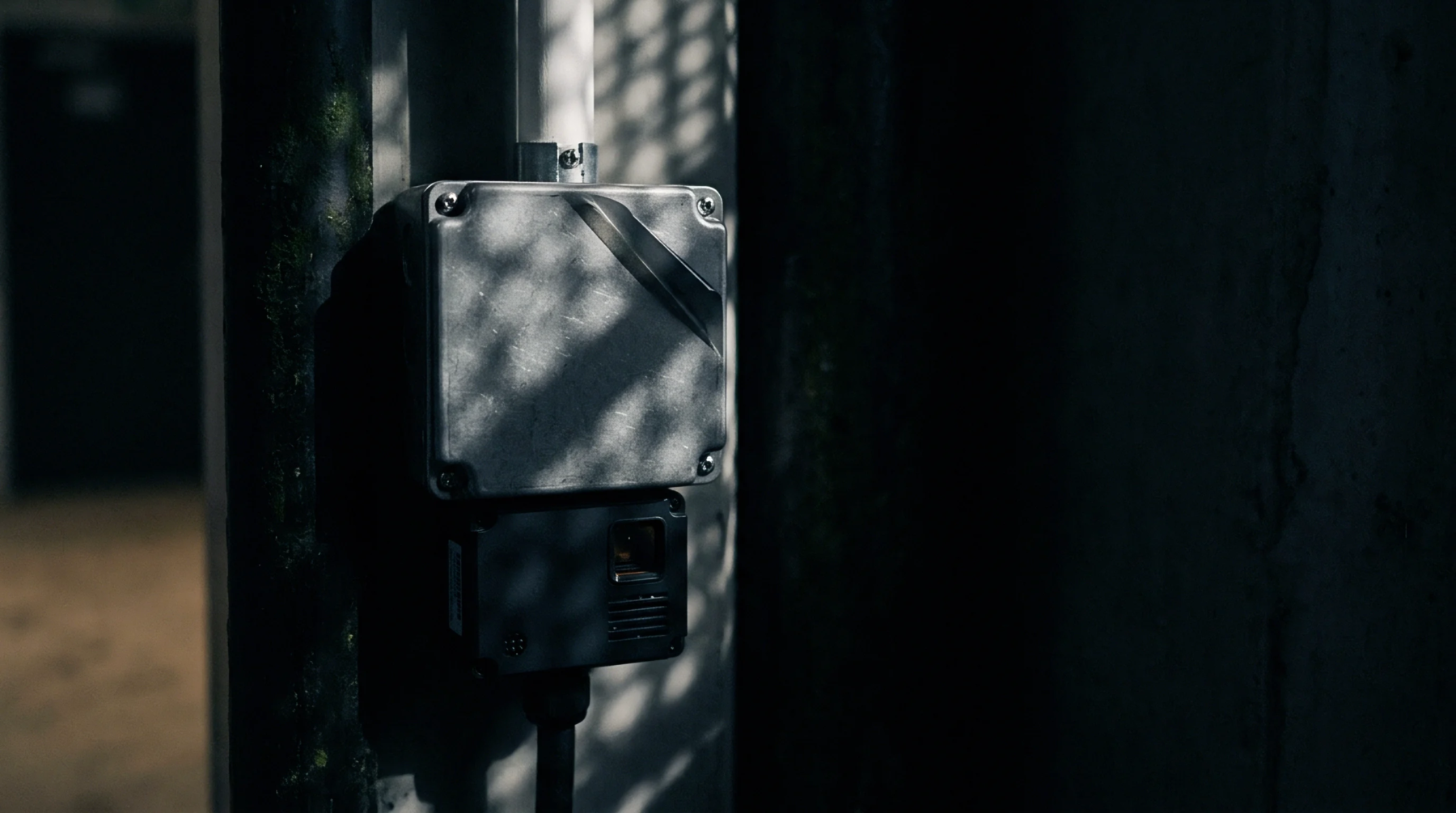
Sub-GHz real-time clock drift stems from tuning fork parabolic frequency shifts, forcing widened radio receive guard windows that drain battery reserves.
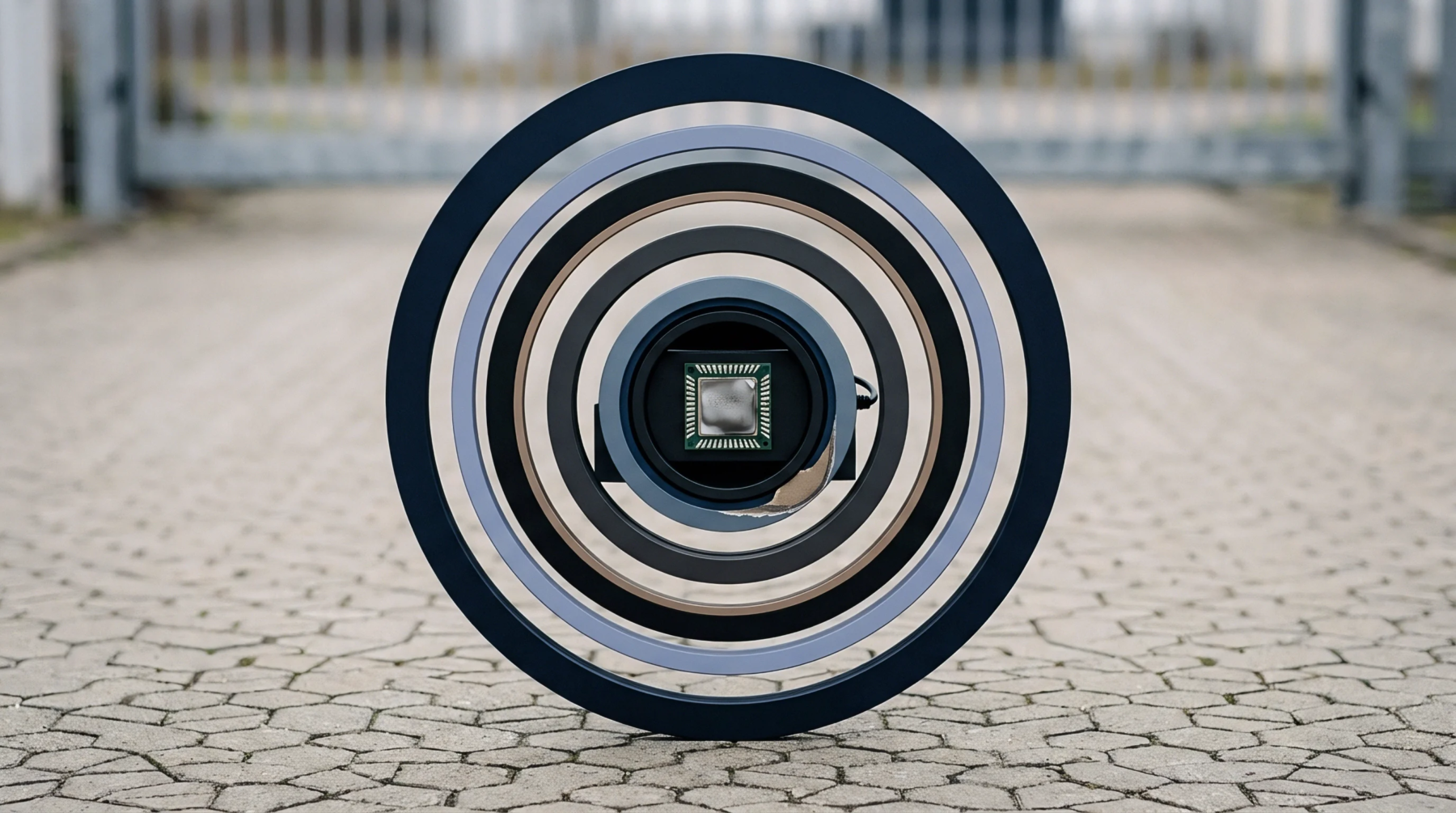
Thermal compensation curve failure stems from quartz aging, solder strain, and thermal gradient tracking lag, widening LPWAN receive windows and draining batteries.
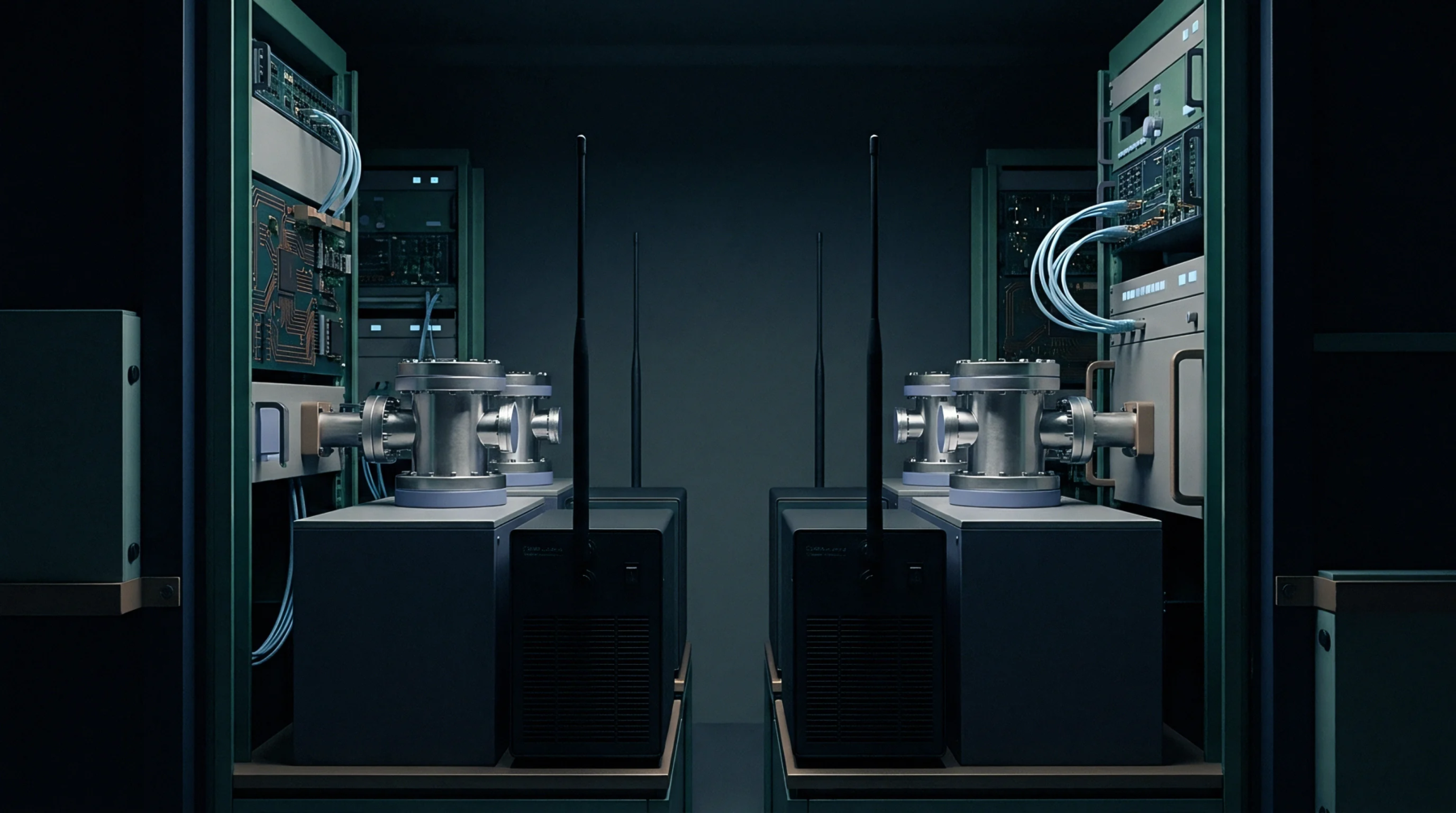
KC radio registration demands local testing, a domestic agent, accurate schematics, and strict adherence to National Radio Research Agency standards.
Expertise is a utility, not a secret. sentiention™ publishes its working knowledge as open reference: intelligence layer covering the materials it sources, the markets it enters, and the reference that serves both.