
Guard Window Energy Calculations for Phase Tracked Duty Cyclen Receivers
Phase tracked guard windows shrink receiver active listen time to tens of microseconds, cutting wakeup energy by eighty percent.
Phase tracked guard windows shrink receiver active listen time to tens of microseconds, cutting wakeup energy by eighty percent.

IEEE 802.11ax OBSS-PD threshold scaling elevates preamble detection up to -62 dBm while mandating a proportional 1:1 transmit power back-off to balance reuse.
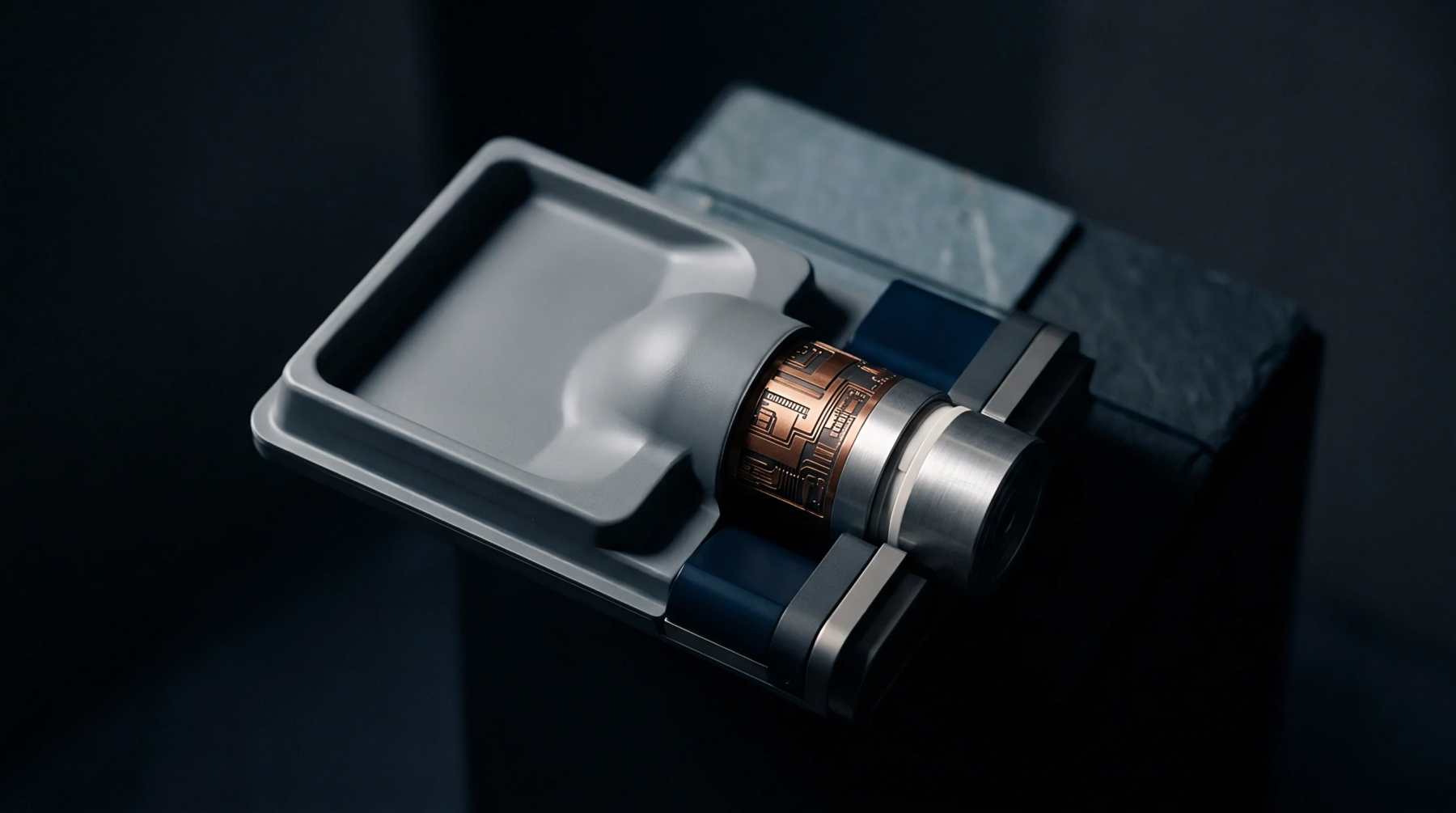
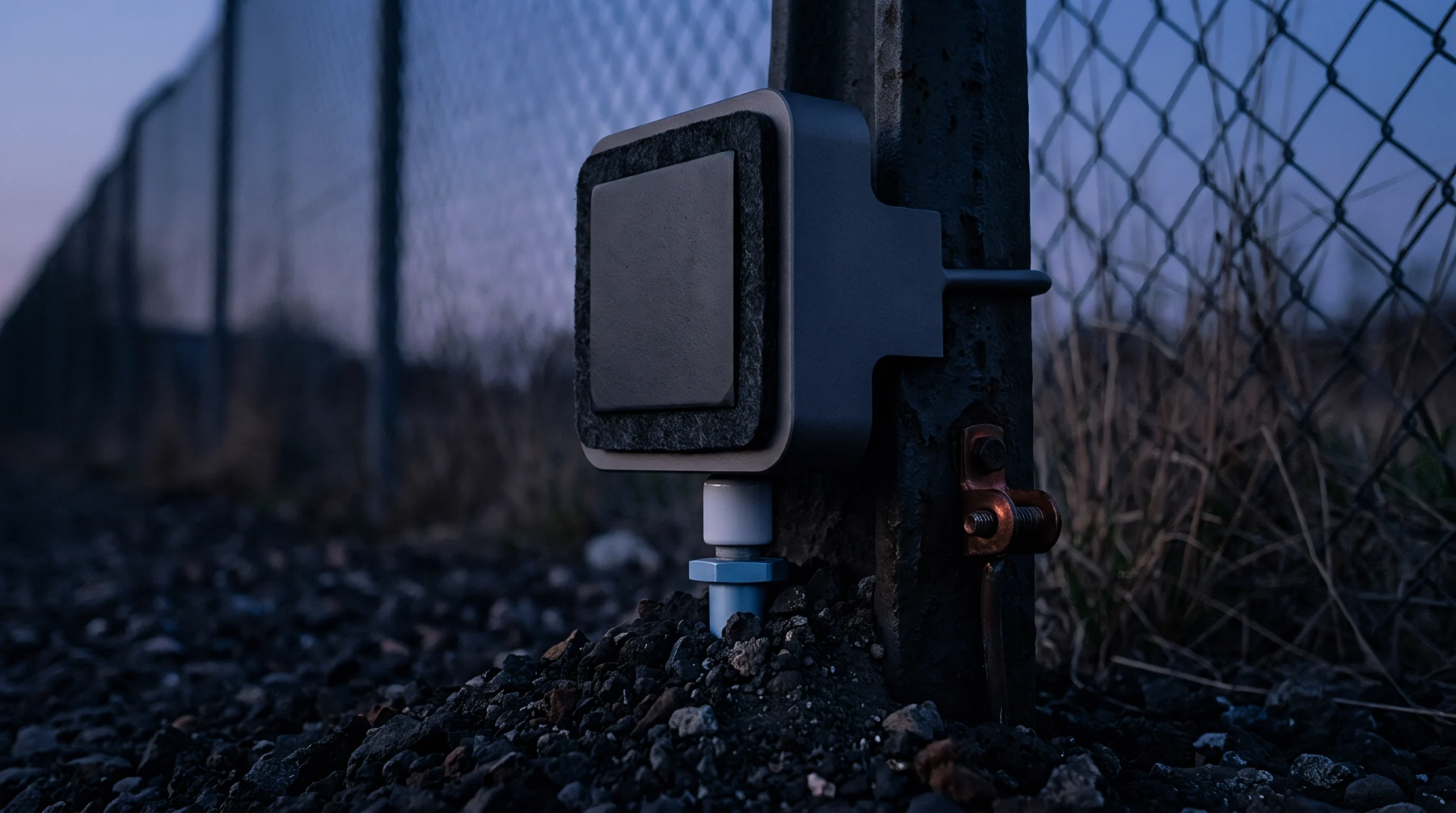
Sub-nanometer ALD alumina passivation prevents quartz electrode oxidation and surface adsorption, capping decade frequency drift below two parts per million.
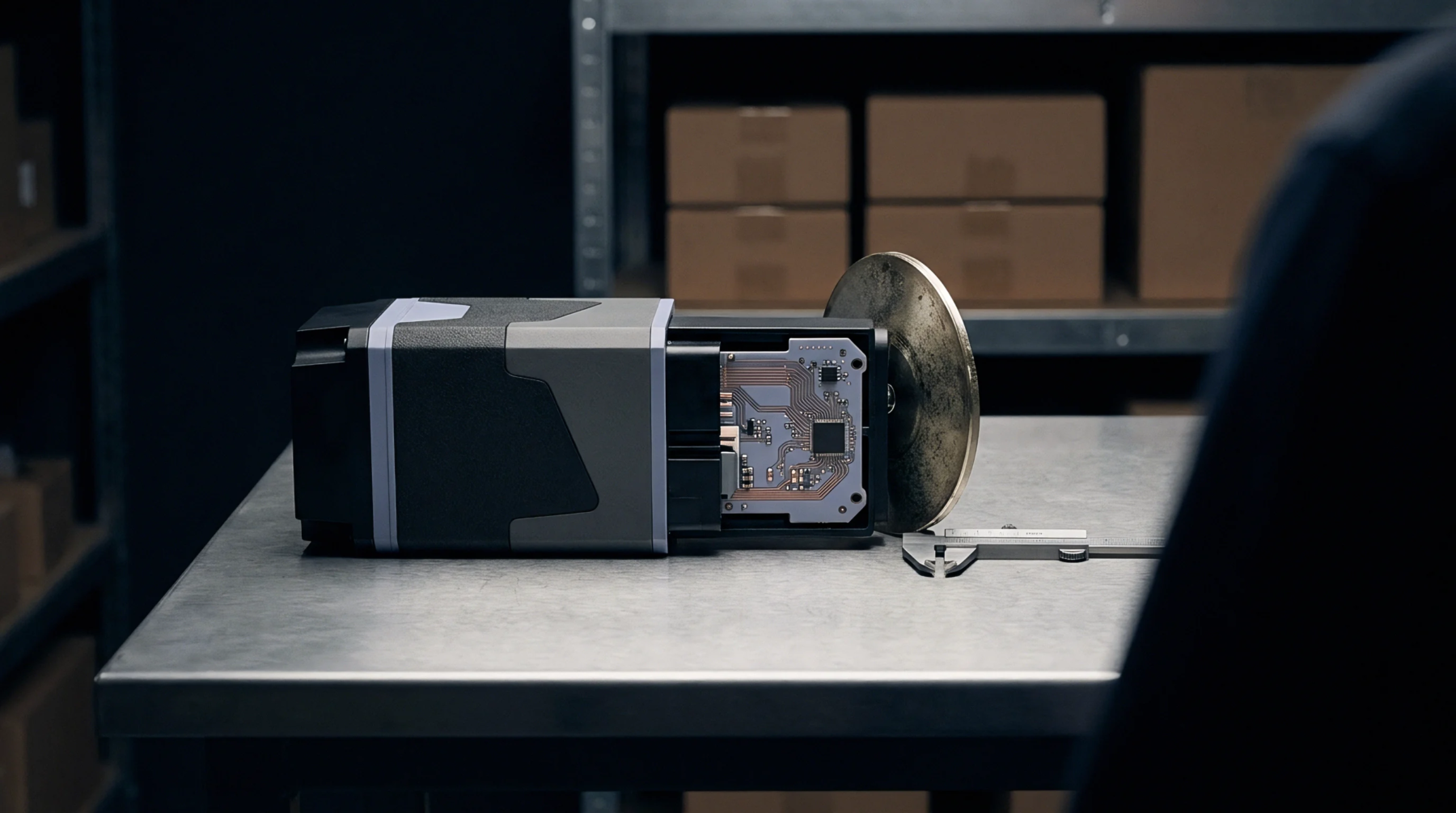
Raising default clear channel assessment thresholds boosts aggregate Wi-Fi network throughput in high-density deployments by trading client SINR for spatial reuse.
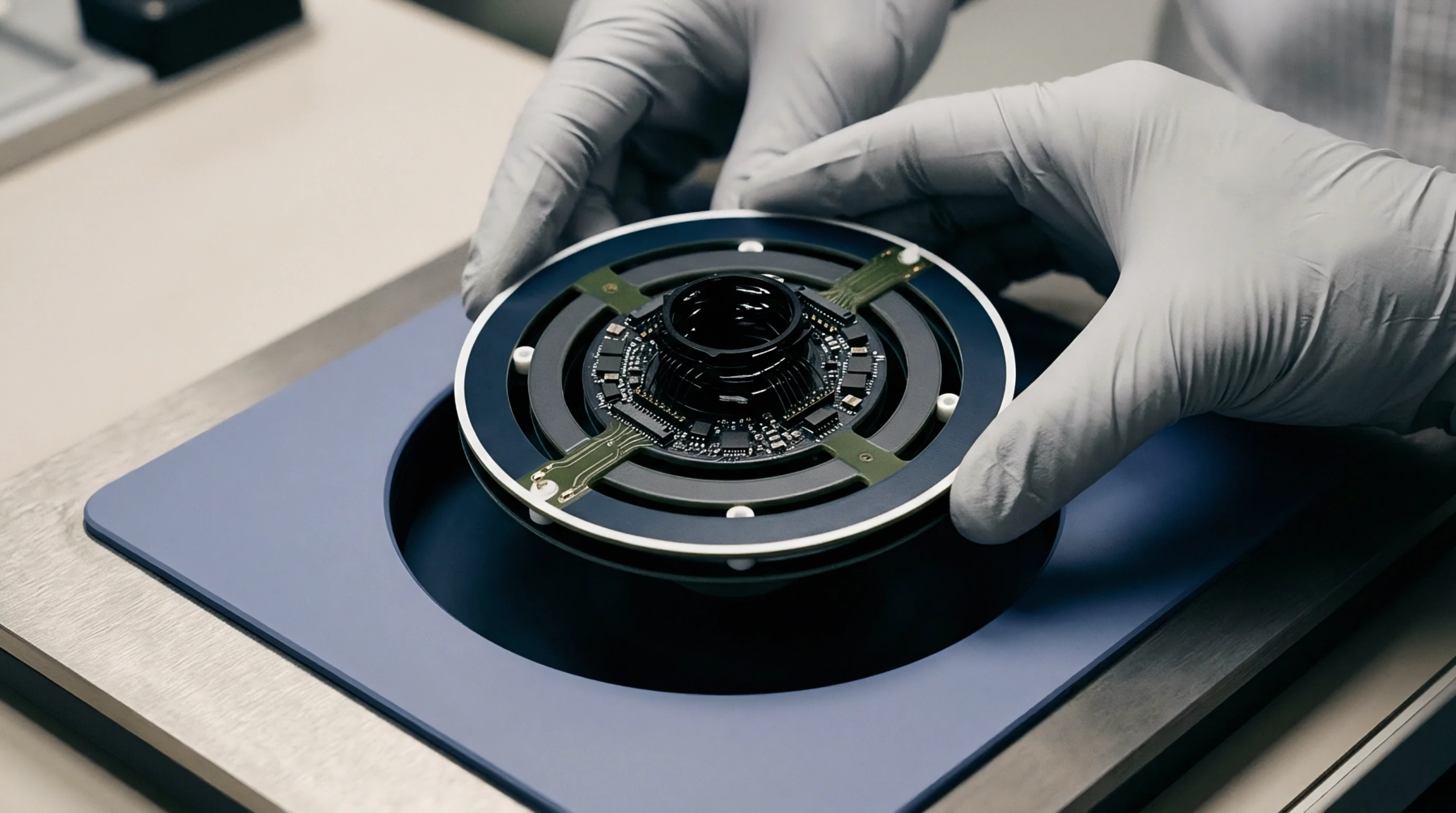
Polynomial compensation reduces sub-GHz receiver preamble listen windows by converting crystal thermal drift into predictable fixed-point timer corrections.

Heavy RF reflection forces extended guard intervals and capped spatial streams matched to channel rank, preventing throughput collapse from inter-symbol interference.

Seven year LTE-M deployment costs depend primarily on battery self-discharge rates, base station reselection energy, and technician field dispatch expenses.
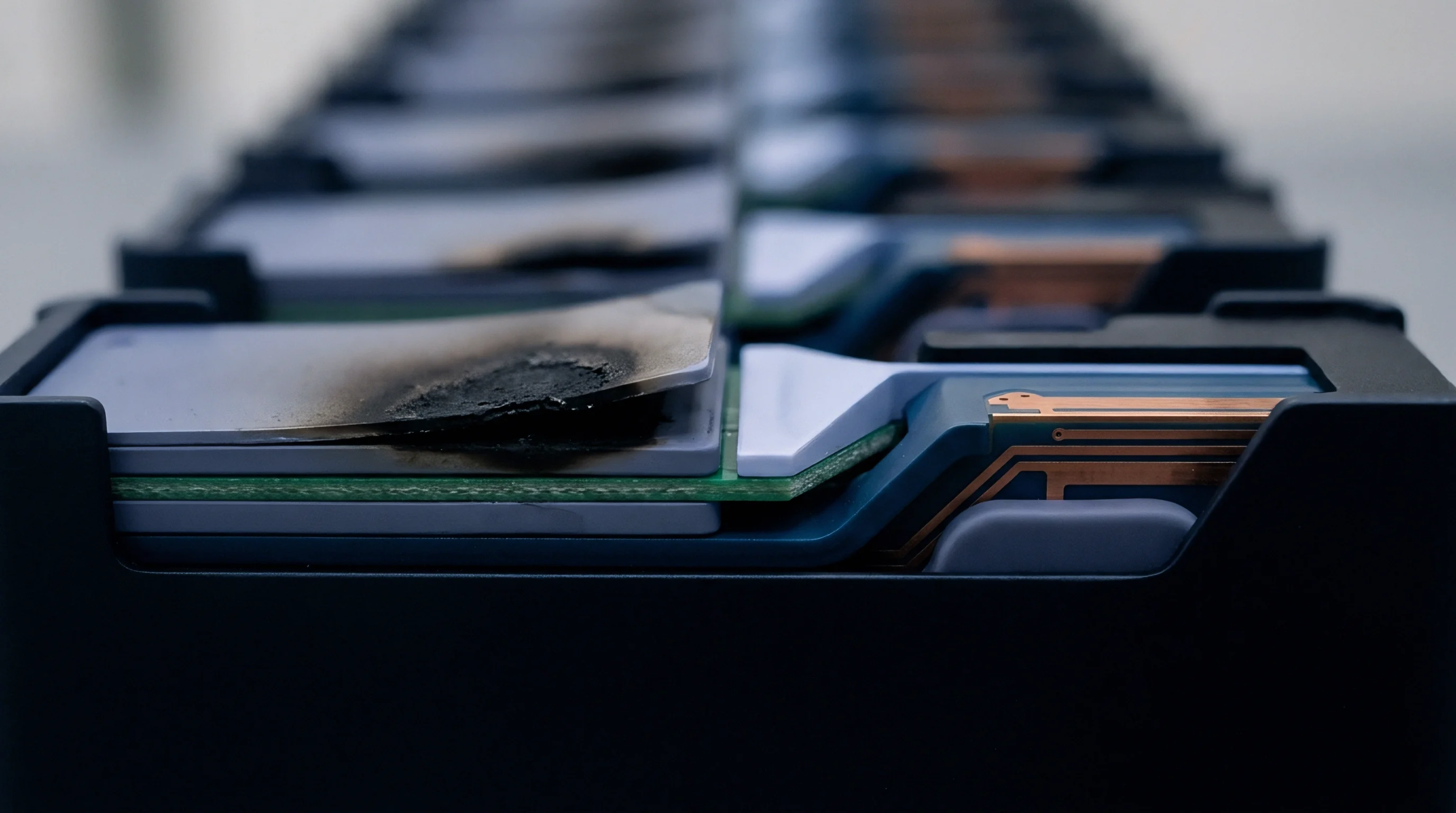
Dynamic rejoining loops drain primary lithium cells via passivation failure and brownout cycles; firmware must enforce passive orphan sleep and backoff limits.

Sub-GHz protocols penetrate structural walls with 10 to 20 dB less attenuation than 2.4 GHz radios, securing long-range low-power indoor links.

Choosing between radio modules and discrete layouts balances upfront NRE fees and compliance testing against per-unit BOM costs and production volume thresholds.
Real Bluetooth range requires subtracting antenna detuning, body loss, and indoor path loss exponents from marketing budgets before ordering silicon.

A complete wireless design transfer requires native CAD databases, test fixture software, and clear grant ownership to prevent dual-source failure.

Dynamic preamble tracking and thermal mass matched hardware RTC compensation recover 6 dB sensitivity and align sleep windows under extreme thermal shock.

Dynamic clear channel assessment optimizes Wi-Fi spatial reuse by elevating OBSS preamble thresholds while proportionally scaling transmit power to isolate co-channel cells.

Cross-border cellular acquisition consumes up to 10 mAh per registration cycle due to carrier steering rejections and exhaustive full-band frequency scans.

Zigbee mesh commissioning hides heavy battery current spikes and technician labor costs behind oversimplified radio datasheet duration claims.

Turnkey module scope contracts must explicitly mandate native CAD schematic delivery, environmental verification limits, and test log escrow gates before initial deposits transfer.

Wireless protocol selection fixes physical range, payload boundaries, power draw profiles, regulatory approvals, and landed hardware costs across target markets.

A silicon end-of-life notice demands an immediate audit of last-time-buy volumes against redesign lead times to prevent production gaps during recertification.

LoRa duty cycle ceilings restrict packet frequency by limiting hourly transmission airtime, forcing trade-offs between spreading factor, payload size, and battery life.
Expertise is a utility, not a secret. sentiention™ publishes its working knowledge as open reference: intelligence layer covering the materials it sources, the markets it enters, and the reference that serves both.