Dynamic Clear Channel Assessment Basics for Wi-Fi High Density Networks
Dynamic Clear Channel Assessment adjusts signal detection thresholds to suppress deferral and restore airtime in high-density Wi-Fi networks.
Dynamic Clear Channel Assessment adjusts signal detection thresholds to suppress deferral and restore airtime in high-density Wi-Fi networks.
Sub-nanometer ALD alumina passivation prevents quartz electrode oxidation and surface adsorption, capping decade frequency drift below two parts per million.

Dynamic preamble threshold calibration balances OBSS spatial reuse against transmit power backoff to prevent packet collisions and retransmission spikes.
Raising default clear channel assessment thresholds boosts aggregate Wi-Fi network throughput in high-density deployments by trading client SINR for spatial reuse.
Sizing receiver guardbands to worst-case crystal thermal drift prevents slot collisions and preserves battery endurance in dense sub-gigahertz networks.

Heavy RF reflection forces extended guard intervals and capped spatial streams matched to channel rank, preventing throughput collapse from inter-symbol interference.
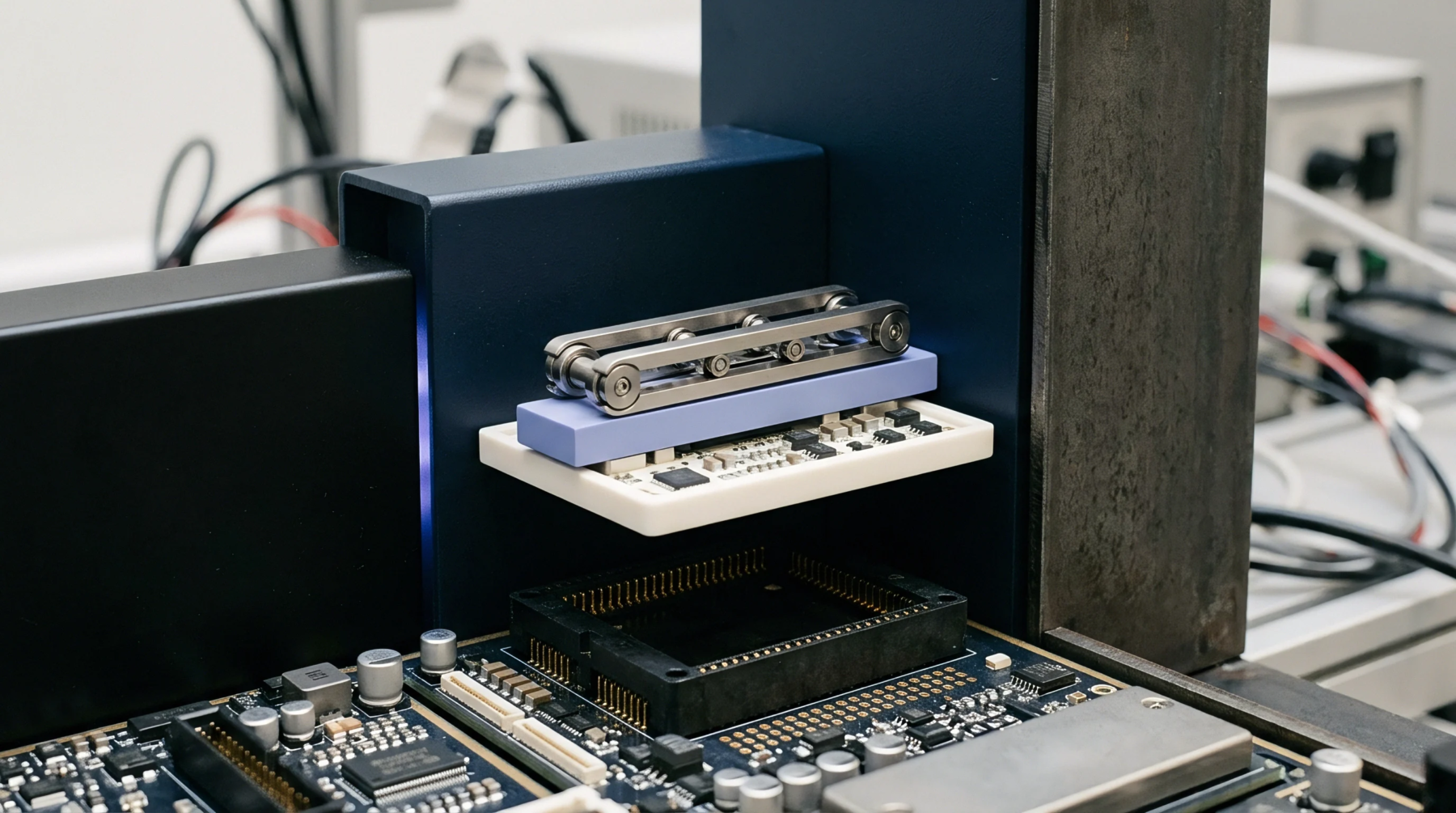
Contact oxide growth adds up to 3 dB insertion loss in RF interconnects, degrading link margin and driving retransmissions unless wiping force exceeds 0.3 N.
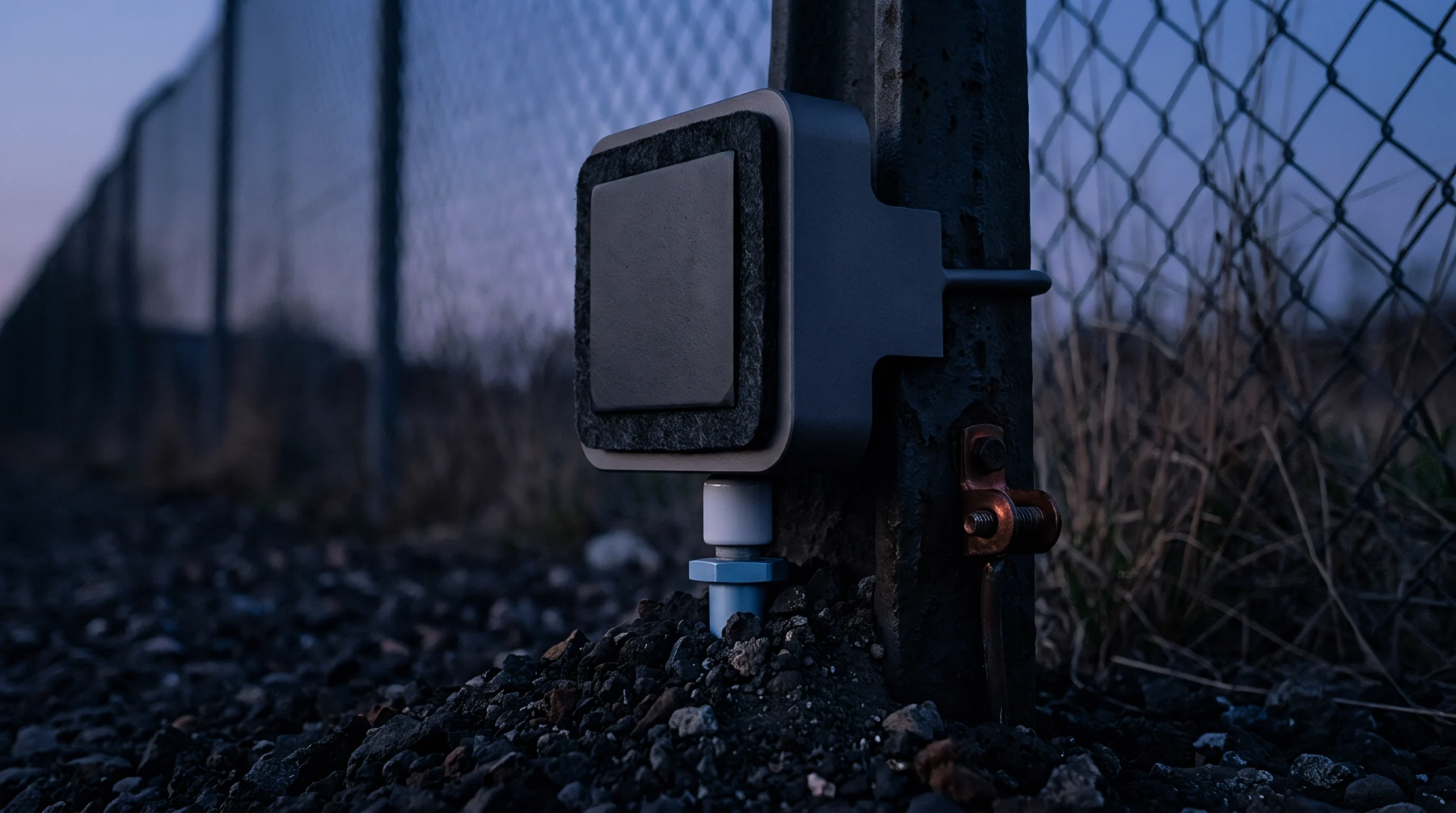
Real Bluetooth range requires subtracting antenna detuning, body loss, and indoor path loss exponents from marketing budgets before ordering silicon.

Early co-simulation of enclosure dielectric loading and counterpoise geometry prevents costly mold tooling revisions and regulatory recertification delays.

Dynamic preamble tracking and thermal mass matched hardware RTC compensation recover 6 dB sensitivity and align sleep windows under extreme thermal shock.

Dynamic clear channel assessment optimizes Wi-Fi spatial reuse by elevating OBSS preamble thresholds while proportionally scaling transmit power to isolate co-channel cells.
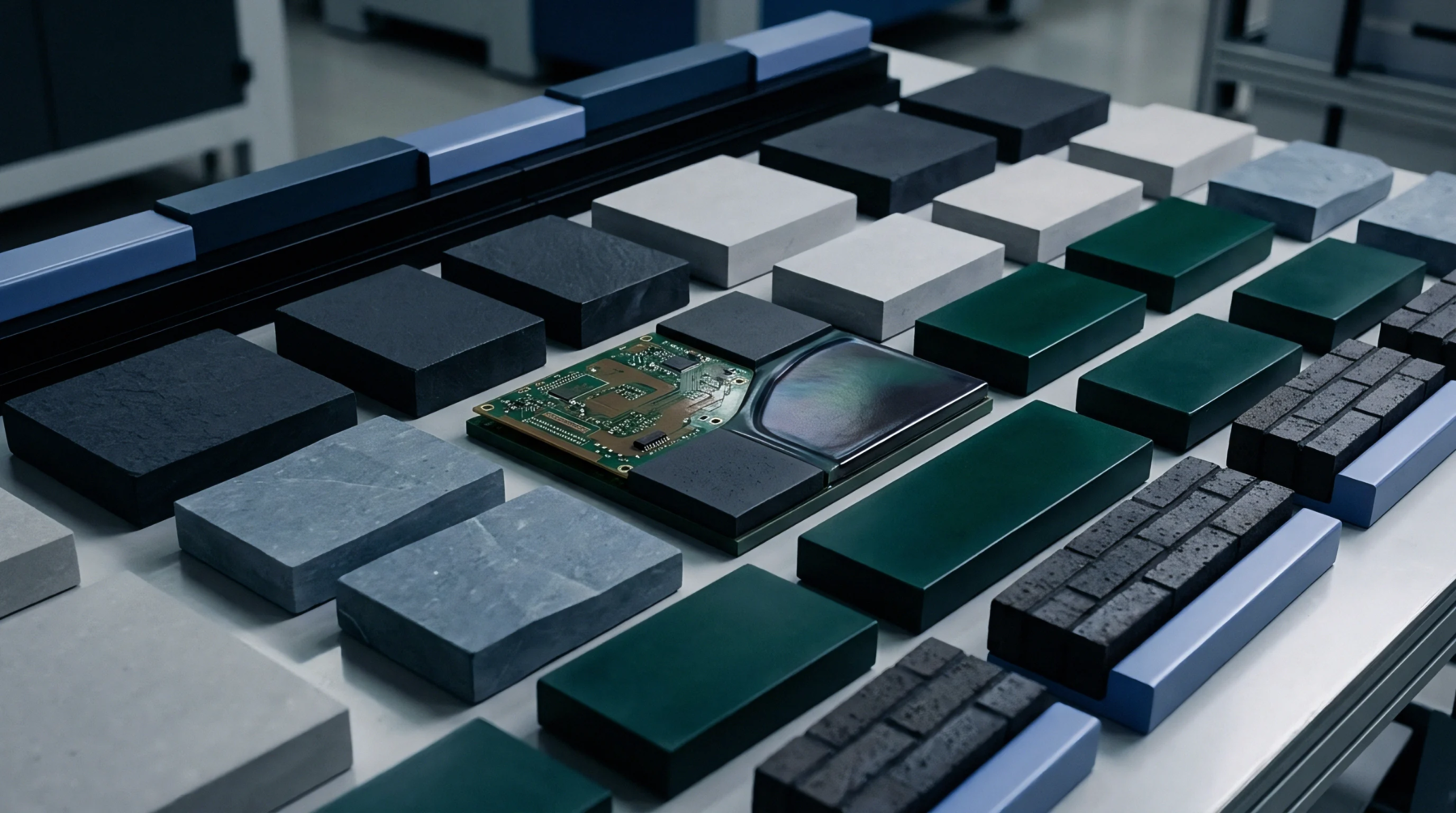
Dynamic guard window sizing calculates clock offset history to shrink receiver listen windows and extend low-power sub-GHz battery life

Industrial Wi-Fi module selection demands matching OFDM guard intervals to measured hall delay spread while isolating 5 GHz spatial streams from local noise.

LoRa duty cycle ceilings restrict packet frequency by limiting hourly transmission airtime, forcing trade-offs between spreading factor, payload size, and battery life.
Expertise is a utility, not a secret. sentiention™ publishes its working knowledge as open reference: intelligence layer covering the materials it sources, the markets it enters, and the reference that serves both.