
Determining Residual Crystal Frequency Drift in Low Power Wide Area System Design
LPWAN crystal drift requires combining thermal curves, aging, and loading offsets to size receiver bandwidth and prevent catastrophic link loss.
LPWAN crystal drift requires combining thermal curves, aging, and loading offsets to size receiver bandwidth and prevent catastrophic link loss.

Radio channel service times dictate edge queue depths, requiring non-exponential arrival modeling and client-side jitter to prevent gateway buffer exhaustion.
Closed-loop digitally tunable capacitor networks restore power amplifier load matching, preventing voltage collapse and extending degraded battery life.

Dynamic load line compensation prevents RF power amplifier saturation, spectral regrowth, and system resets during severe battery voltage collapse.
Multipath fading causes dynamic capture ratios to drift up to 12 dB from static bench figures, requiring dedicated fading margins in high density topologies.
ETSI adaptivity rules enforce energy detect thresholds that force radios into transmission backoff when local unlicensed noise floors exceed regulatory ceilings.

Non-terrestrial protocol conformance increases embedded wake energy up to fifteenfold through pre-RACH GNSS synchronization and Doppler compensation.

Adaptive data rate algorithms trade extended airtime for link margin, where 3 dB path loss increases battery energy consumption per packet by up to 200 percent.
Dynamic thermal stress from sub-GHz bursts shifts quartz frequency via strain gradients, demanding thermal relief slots and perpendicular package placement.
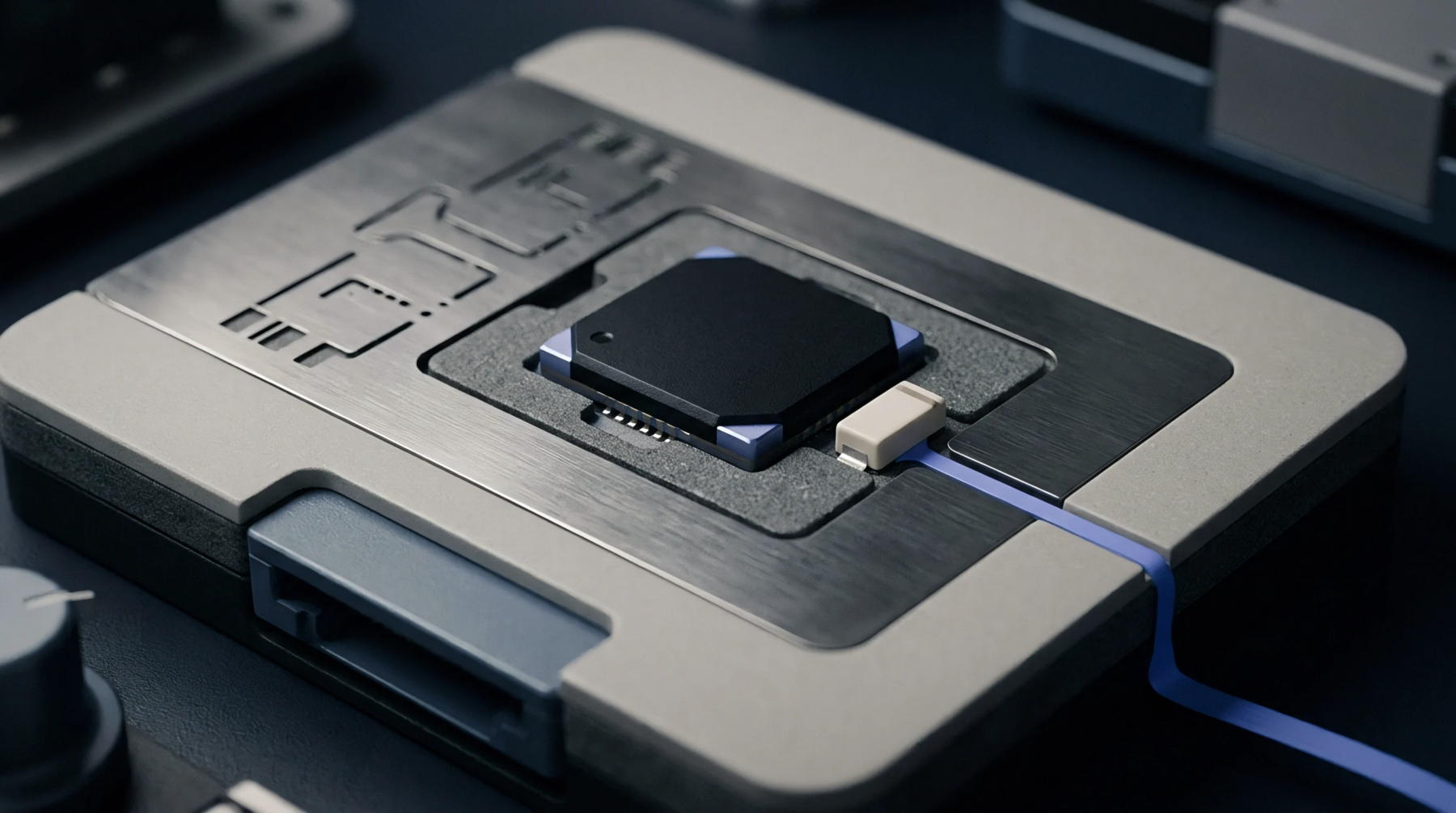
Mitigate sub-GHz transmitter frequency offset by isolating reference crystals from amplifier heat and buffering synthesizer tanks against antenna load pulling.
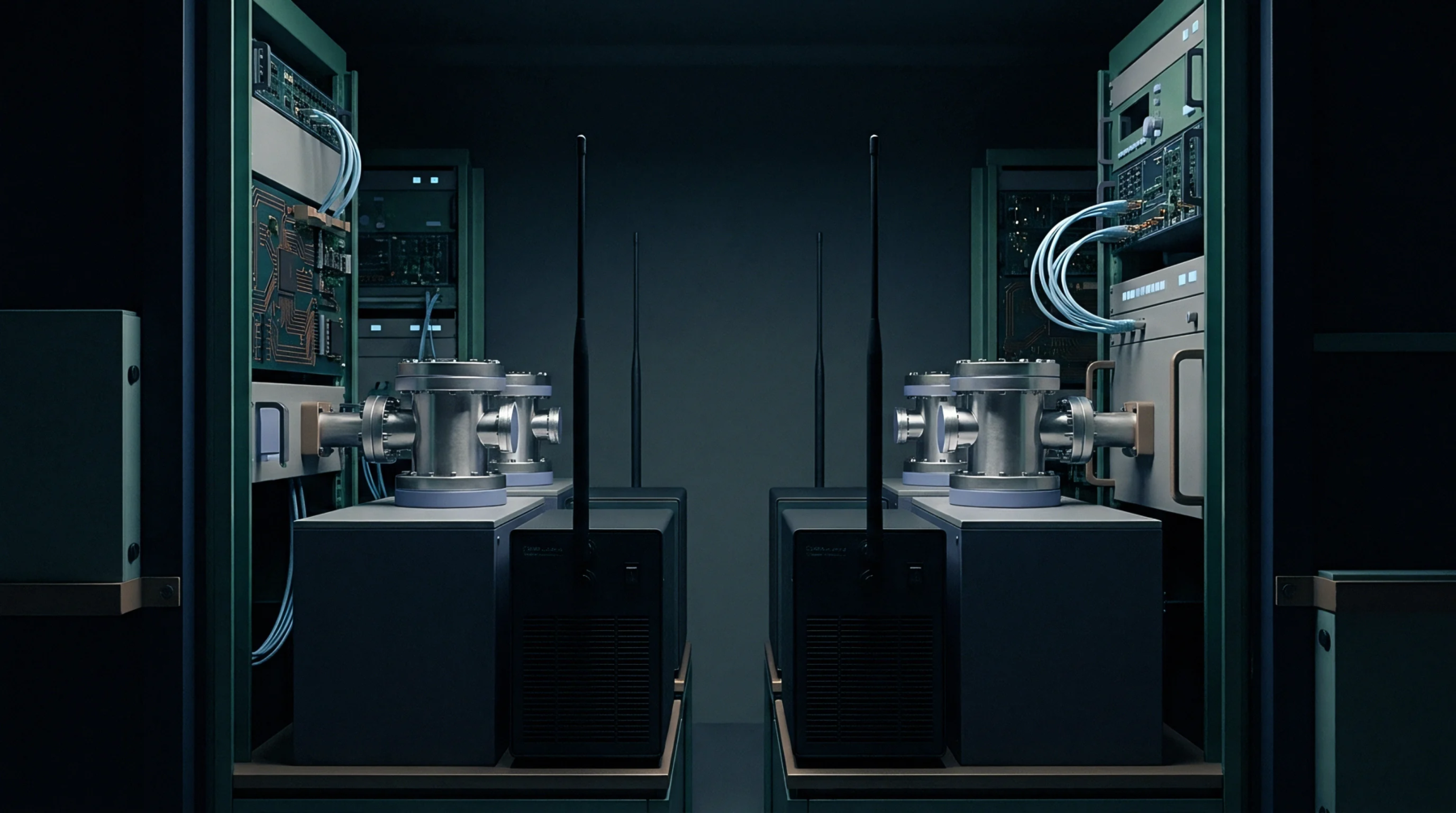
Proper sub-GHz crystal layout minimizes stray capacitance and thermal drift, preserving narrow-band receiver sensitivity and regulatory channel mask compliance.
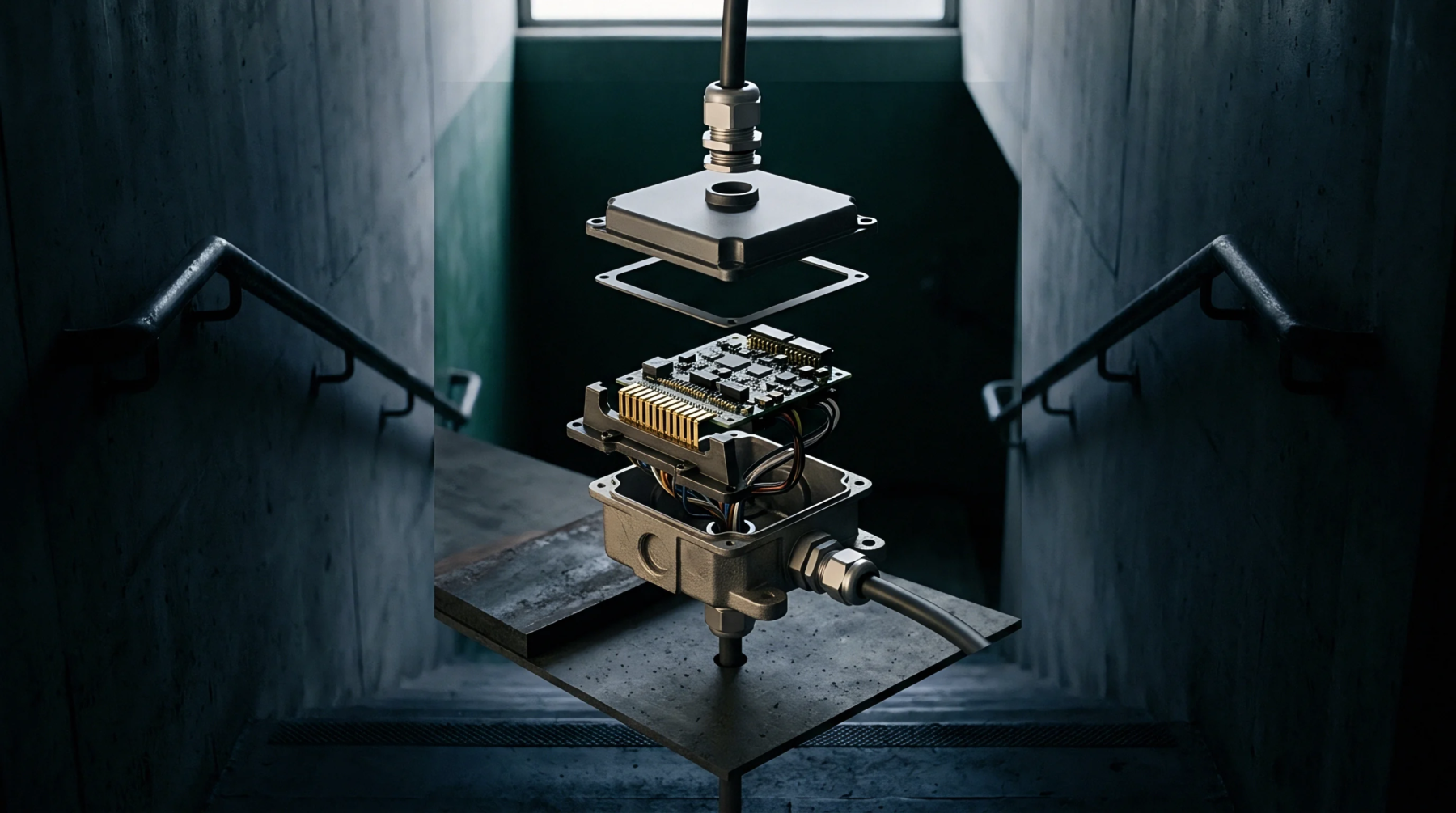
Tightening receiver guardbands to match crystal drift reduces receiver wake time, extending sub-GHz mesh battery life without degrading link reliability.

Sub-GHz slotted network synchronization relies on hardware SFD timestamping and guard window sizing to offset crystal drift within duty cycle limits.
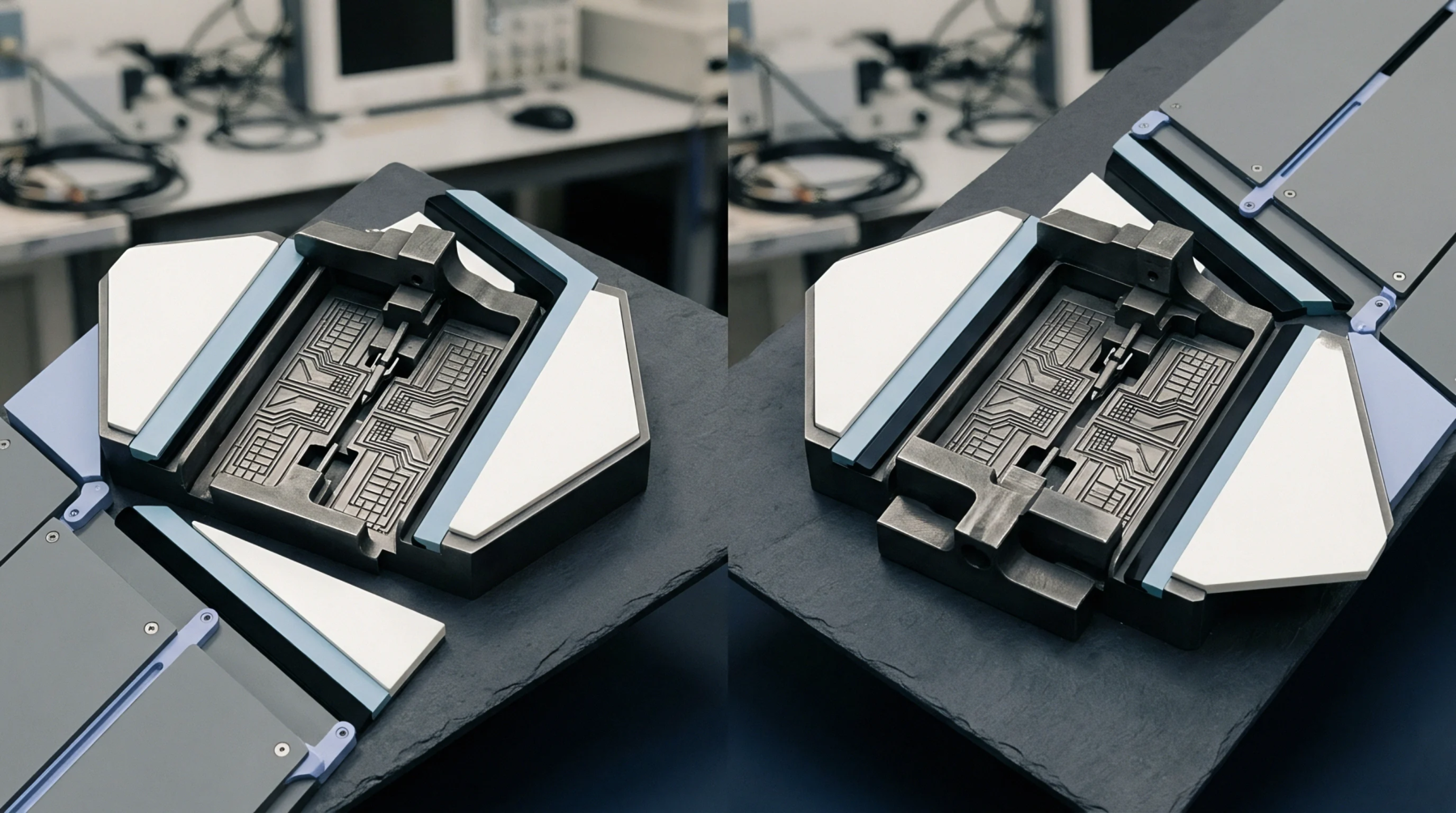
Adaptive temperature polling in sub-GHz radios is constrained by regulatory airtime ceilings, crystal frequency drift, and battery voltage droop under thermal transients.

Fixed-point Horner polynomial evaluation compensates 32.768 kHz crystal parabolic drift, preserving microamp sleep budgets and tight radio wake guard bands.

Subterranean radio links require sub-GHz carriers and massive fade margins to overcome decibel-per-meter soil absorption, boundary refraction, and antenna detuning.
Stateful backoff algorithms preserve battery capacity and prevent SIM blocking by persisting retry counters across reboots and enforcing dynamic timer scaling.
Thermal gradients from RF transmit bursts cause RTC crystal frequency drift, requiring copper plane isolation slots to maintain LPWAN sleep-wake timing precision.

Sub-GHz guard windows must equal twice the joint crystal thermal error multiplied by sleep interval plus preamble acquisition time to prevent packet loss.

Thermal crystal drift forces receiver window widening and carrier offset compensation, driving trade-offs between TCXO unit cost and battery capacity.
Dynamic thermal gradients cause rapid sleep timer drift in sub-GHz transceivers, requiring adaptive polynomial or pulse-counting calibration to prevent energy-draining receive window expansion.
Dynamic digital trimming and pulse swallowing counter quartz parabolic thermal drift, preventing expanded radio listening windows and premature battery drain.
Modifying a radio enclosure demands pre-scan emission checks to classify changes correctly and avoid costly international shipping holds.
Infrastructure sync schedules bound receiver guard windows, balancing crystal-less oscillator drift against battery consumption.
Impulsive industrial noise elevates effective receiver noise floors up to twenty decibels, demanding measured amplitude probability distributions over Gaussian margins.
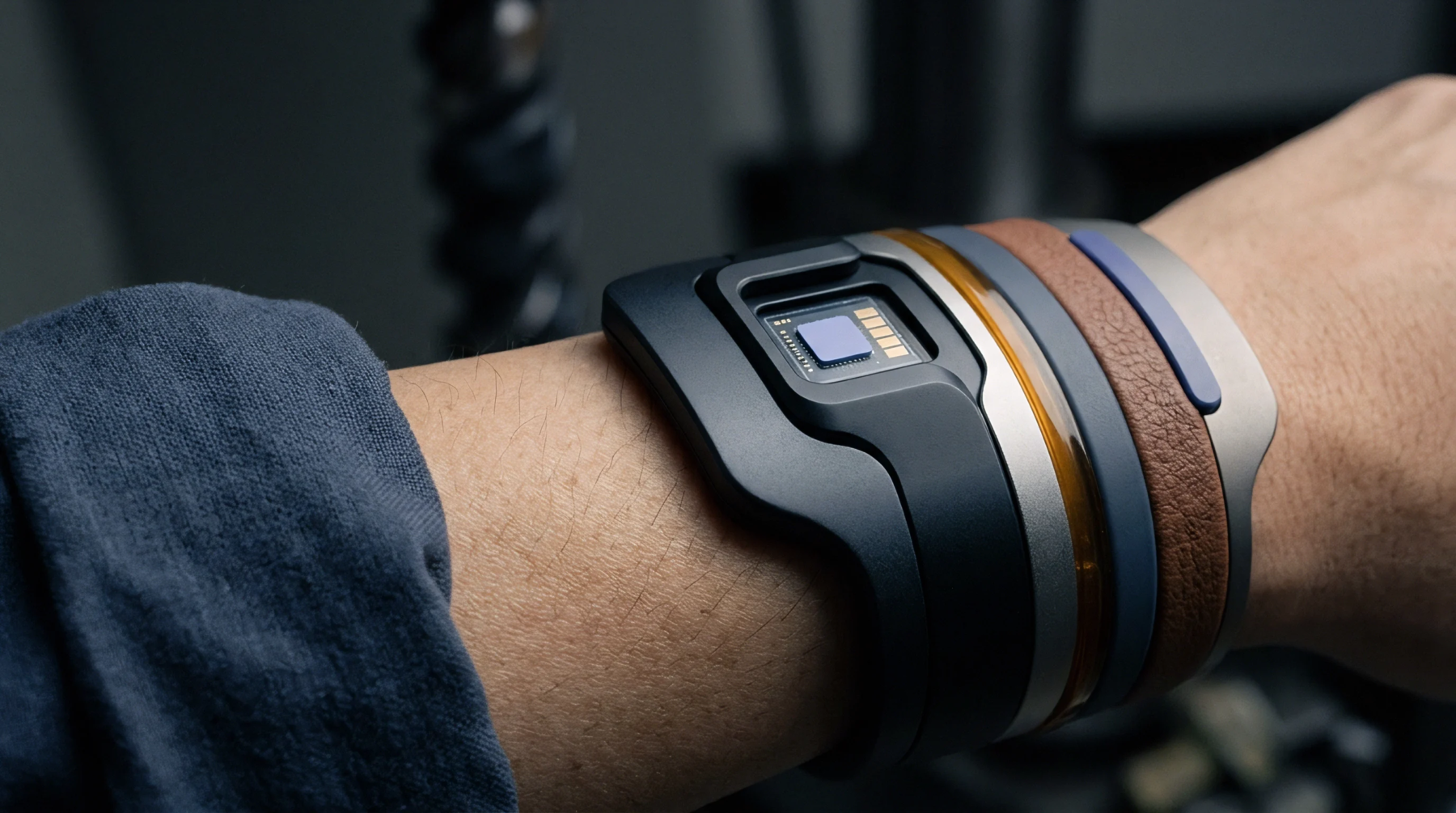
Hardware interlocks and erase-suspend routines decouple high-power sub-GHz RF bursts from flash scrubbing to prevent supply rail collapse and bit flips.
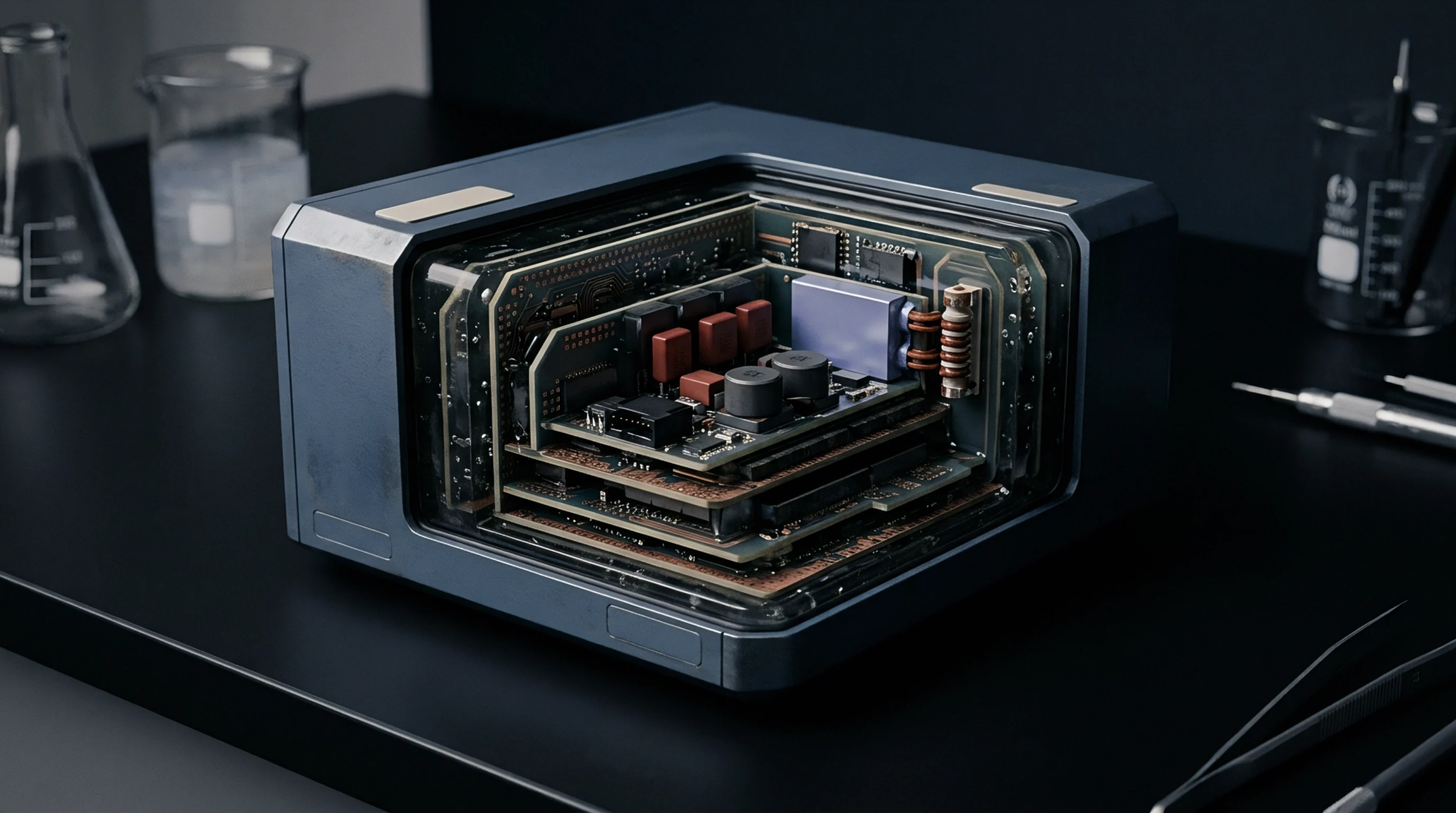
Short range wireless device conformity requires matched test reports, accredited filings, clear modular boundaries, and precise housing labeling across target jurisdictions.
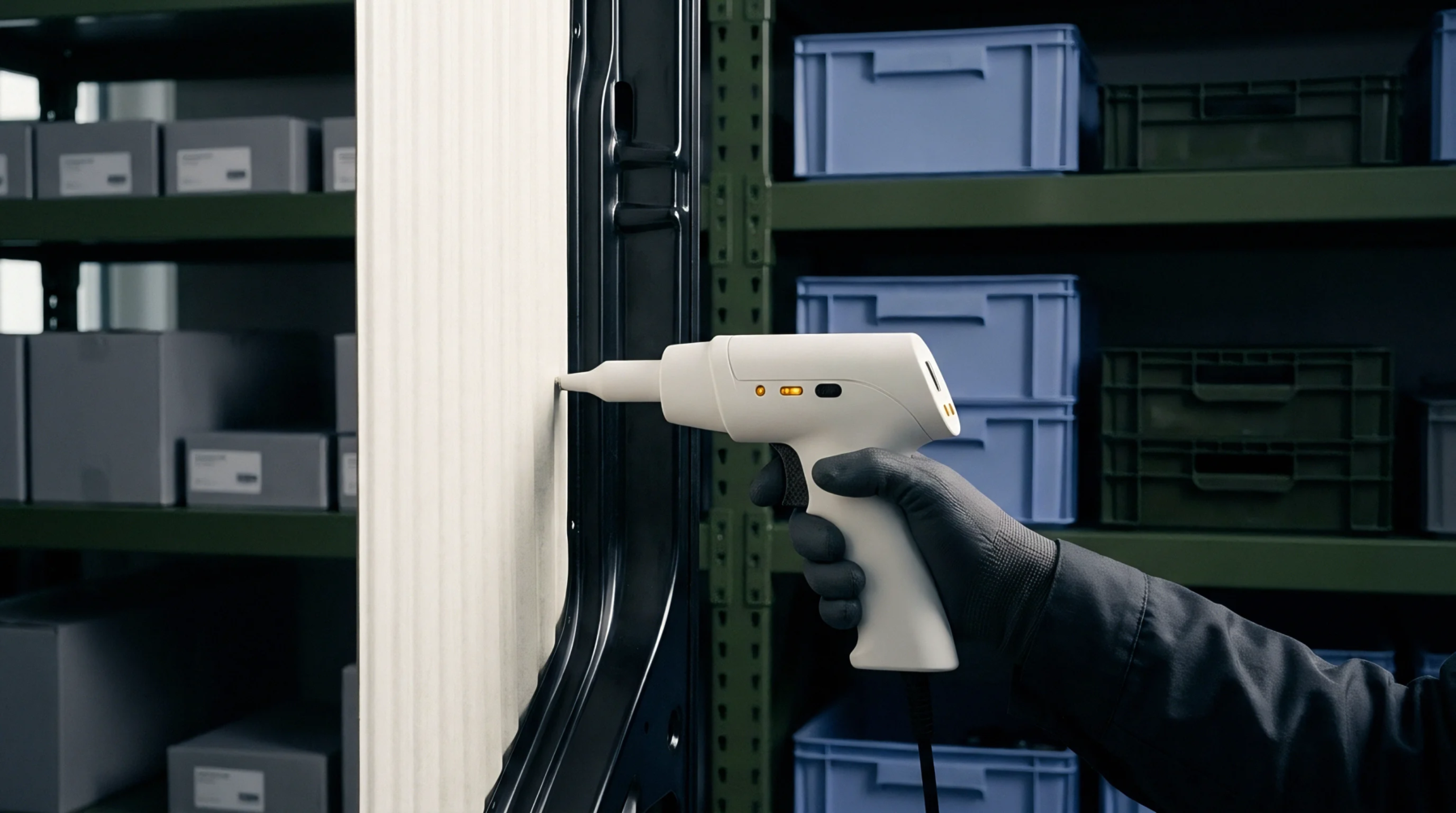
Dynamic recalibration and memory error correction prevent wireless SoC calibration loss from degrading RF link budgets across extreme operating temperatures.
Supercapacitor ESR growth under thermal cycling causes severe pulse voltage sag, triggering transceiver brownout resets unless derated for cold end-of-life limits.
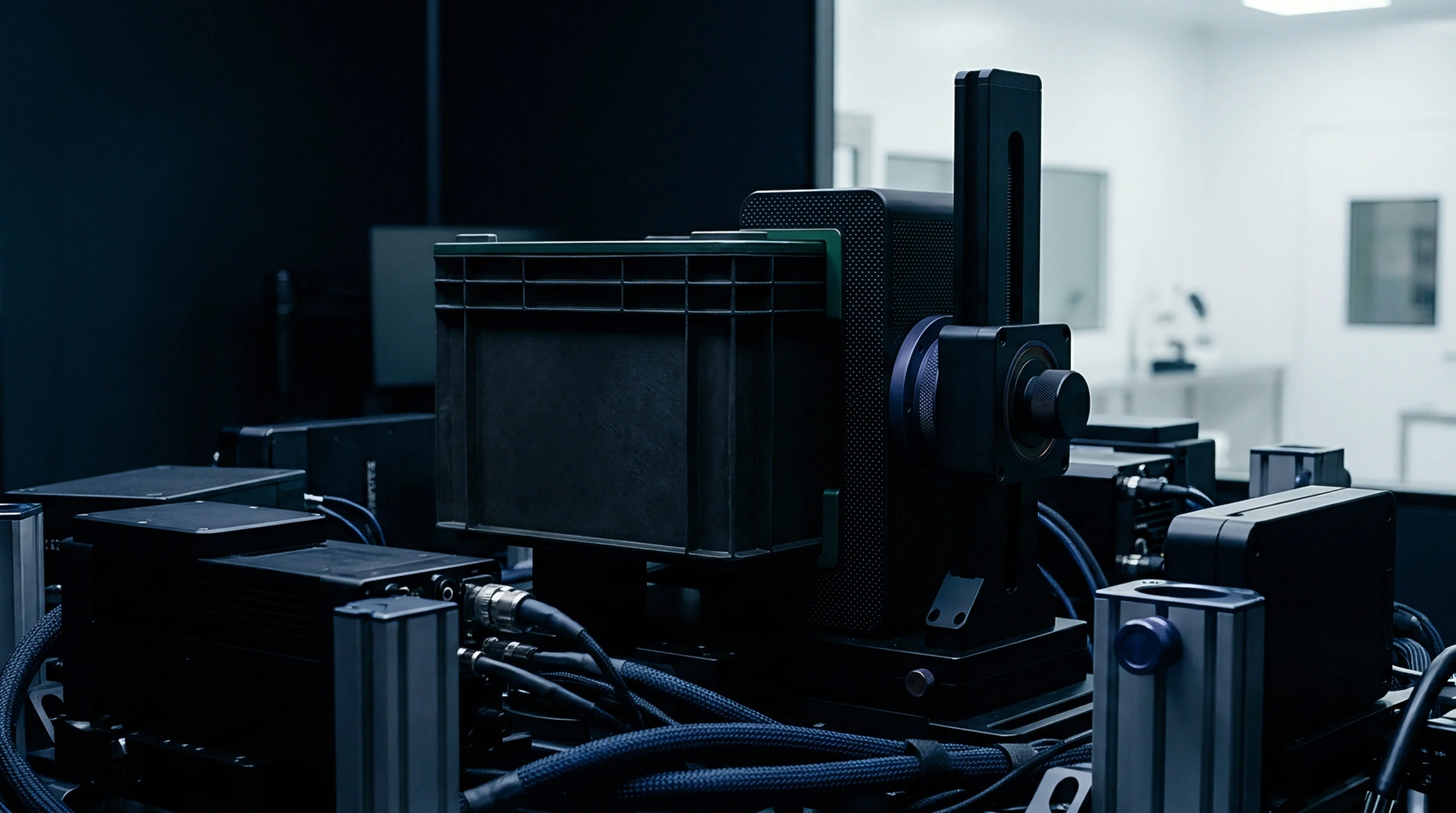
Mitigate sub-GHz radio power transients during flash page writes using split supply rails, DC-bias derated capacitors, and firmware program-suspend arbitration.
Expertise is a utility, not a secret. sentiention™ publishes its working knowledge as open reference: intelligence layer covering the materials it sources, the markets it enters, and the reference that serves both.