
Evaluating Multi IMSI Applet Power Penalties in Roaming Telemetry Hardware
Multi-IMSI applet polling introduces background current floors that halve telemetry battery life without optimized baseband power-saving mode configurations.
Multi-IMSI applet polling introduces background current floors that halve telemetry battery life without optimized baseband power-saving mode configurations.

Optimize SGP.32 execution timers by capping handshakes to 35s on LTE-M and 75s on NB-IoT while enforcing immediate baseband deep sleep after transmission faults.
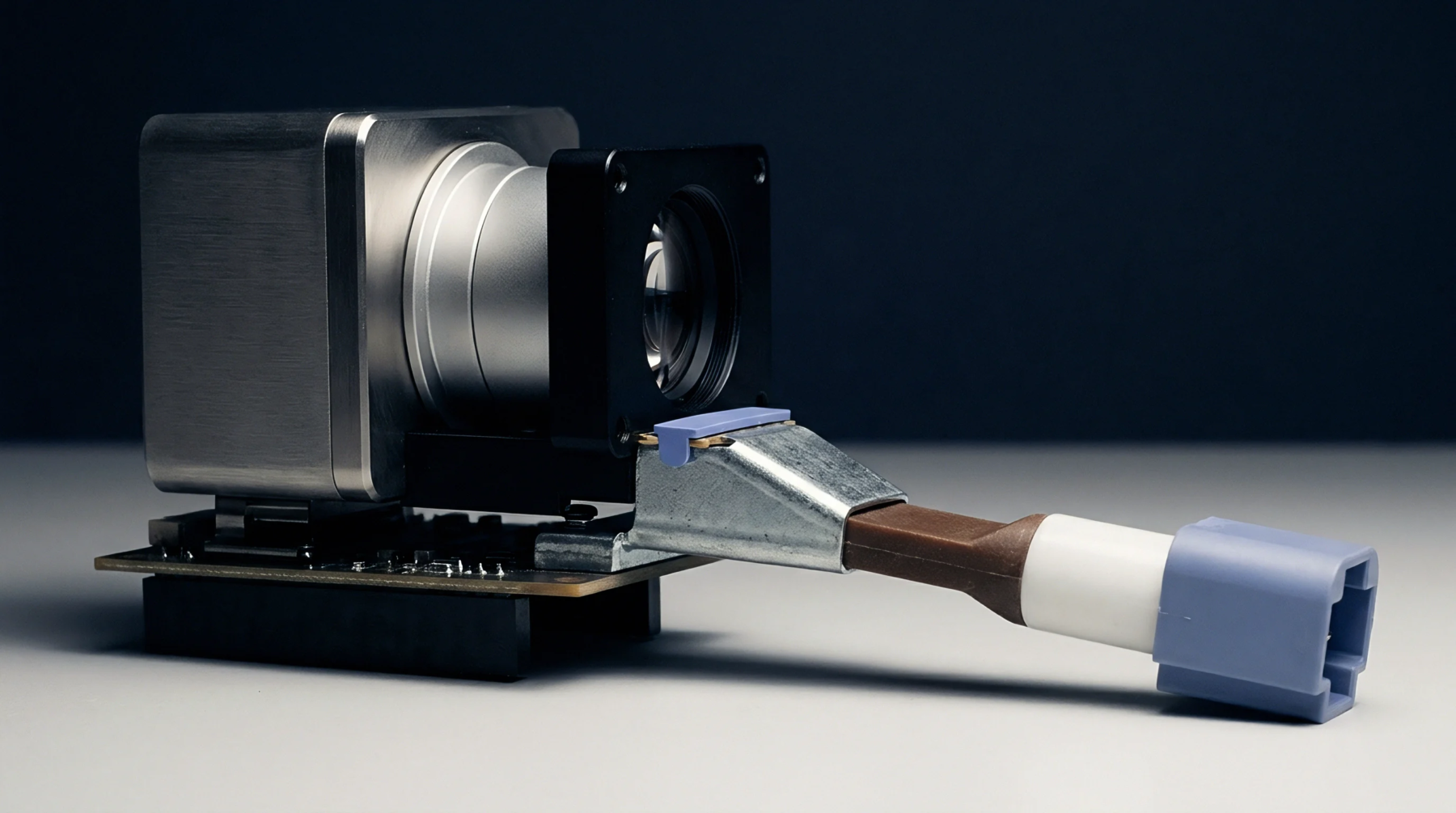
Mathematical modeling of sensor fleets integrates Poisson queuing, lognormal link margin decay, and battery discharge dynamics to prevent fleet brownouts.
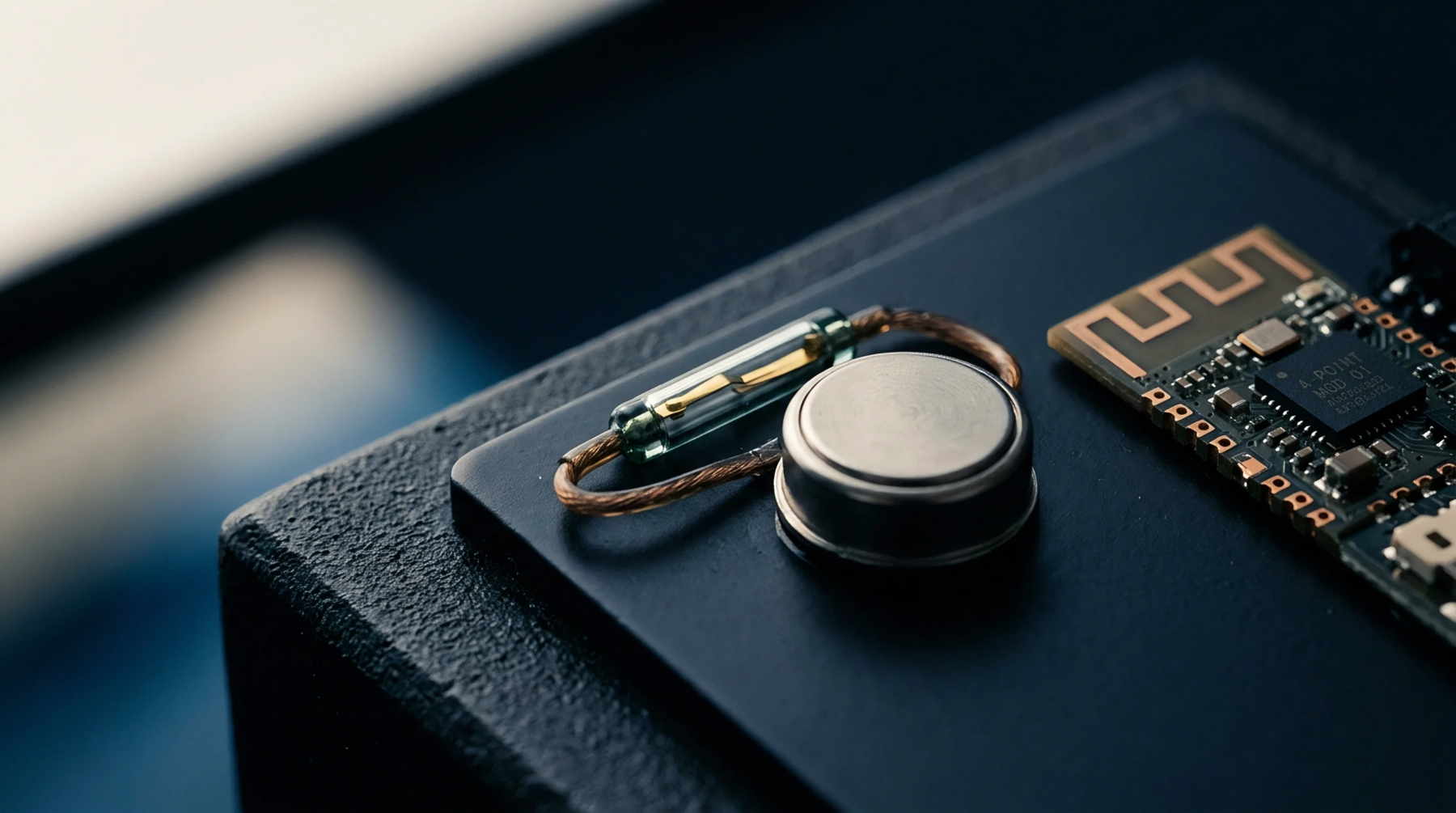
Dynamic carrier steering roaming scans pull continuous multi-hundred milliamp current bursts that prematurely exhaust battery reserves without backoff tuning.

Modem attach retries at peak RF output drain battery packs rapidly; firmware must enforce exponential backoff and PSM sleep to preserve battery life.

Optimizing unattached transceiver backoff timers prevents severe passivation voltage dips and extends primary lithium battery service life past ten years.
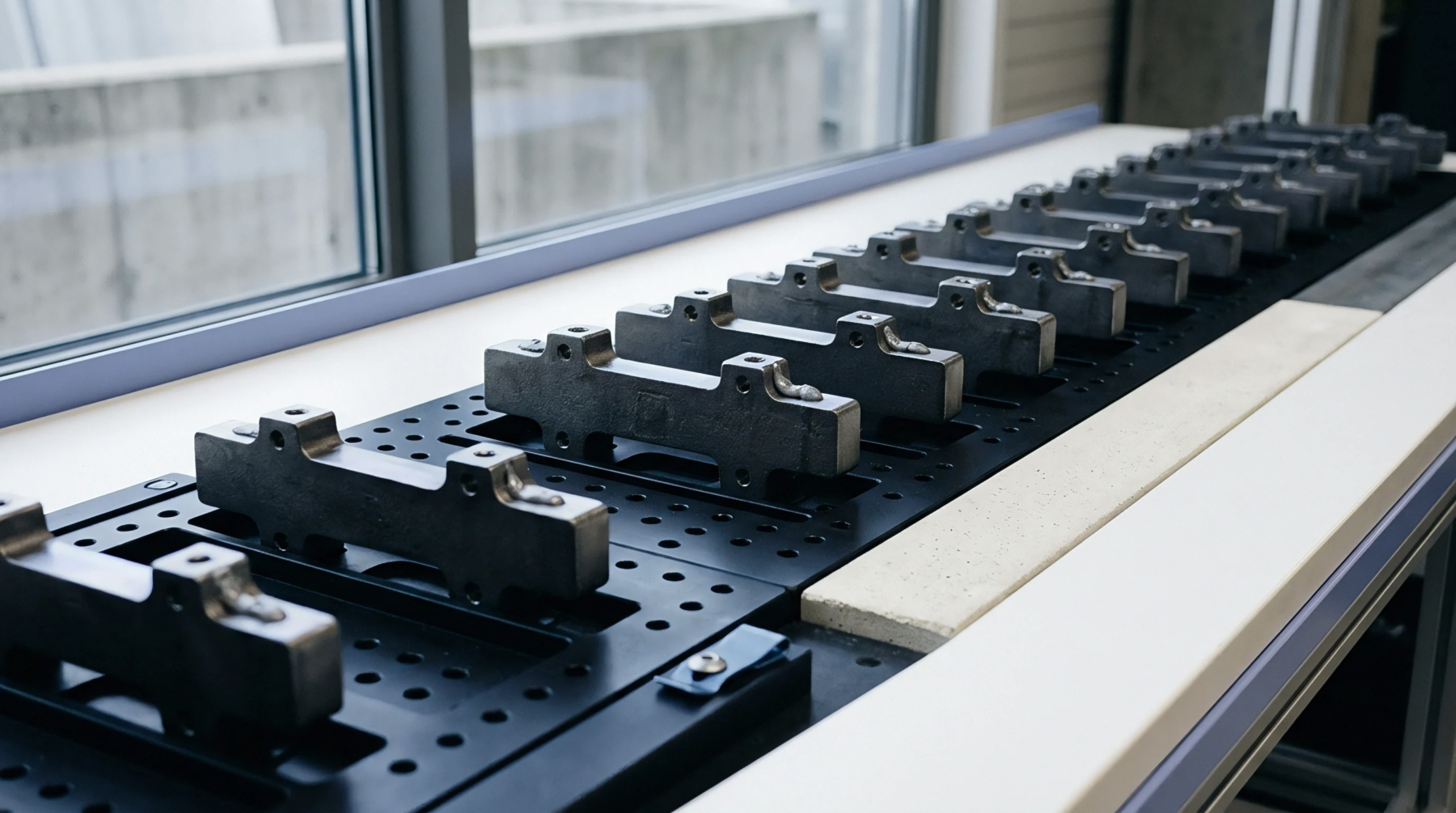
Cellular attachment current drops significantly when restricted band scanning and extended PSM timers prevent full-spectrum RF searches during initial registration.
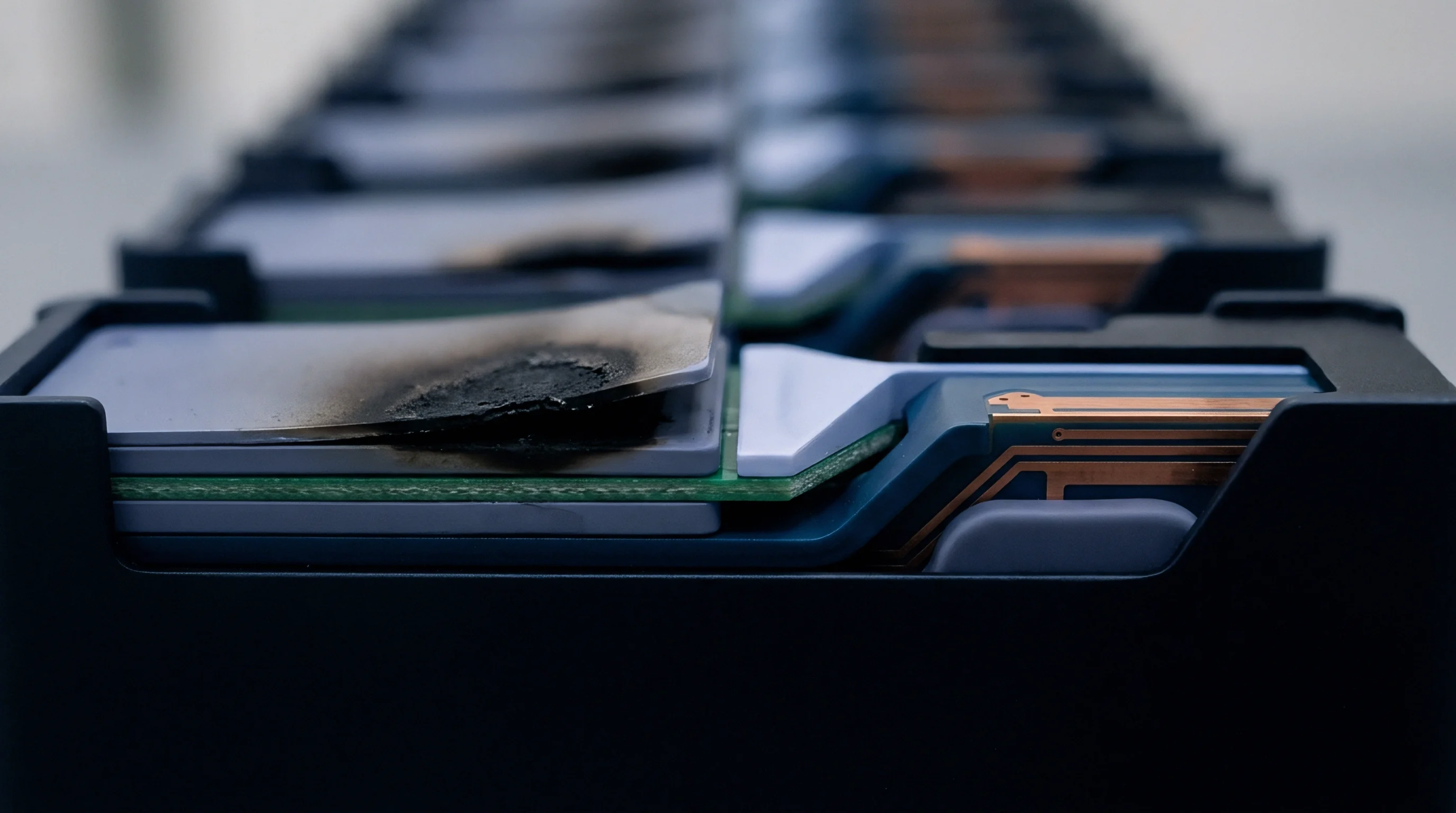
Dynamic rejoining loops drain primary lithium cells via passivation failure and brownout cycles; firmware must enforce passive orphan sleep and backoff limits.

Exceeding sub-GHz statutory duty cycles requires hybrid dual-radio architectures that trigger high-speed cellular or Wi-Fi offloads for high-frequency telemetry.
Subterranean cellular attachment triggers extreme 3GPP repetition modes that expand signaling duration from milliseconds to seconds, causing massive battery drain.
Expertise is a utility, not a secret. sentiention™ publishes its working knowledge as open reference: intelligence layer covering the materials it sources, the markets it enters, and the reference that serves both.