Dynamic Firmware Clock Calibration Strategies for High Temperature Gradient Wireless Nodes
Dynamic firmware clock calibration uses active cross-oscillator pulse counting and temperature derivative estimates to prevent RX guardband power exhaustion.
Dynamic firmware clock calibration uses active cross-oscillator pulse counting and temperature derivative estimates to prevent RX guardband power exhaustion.
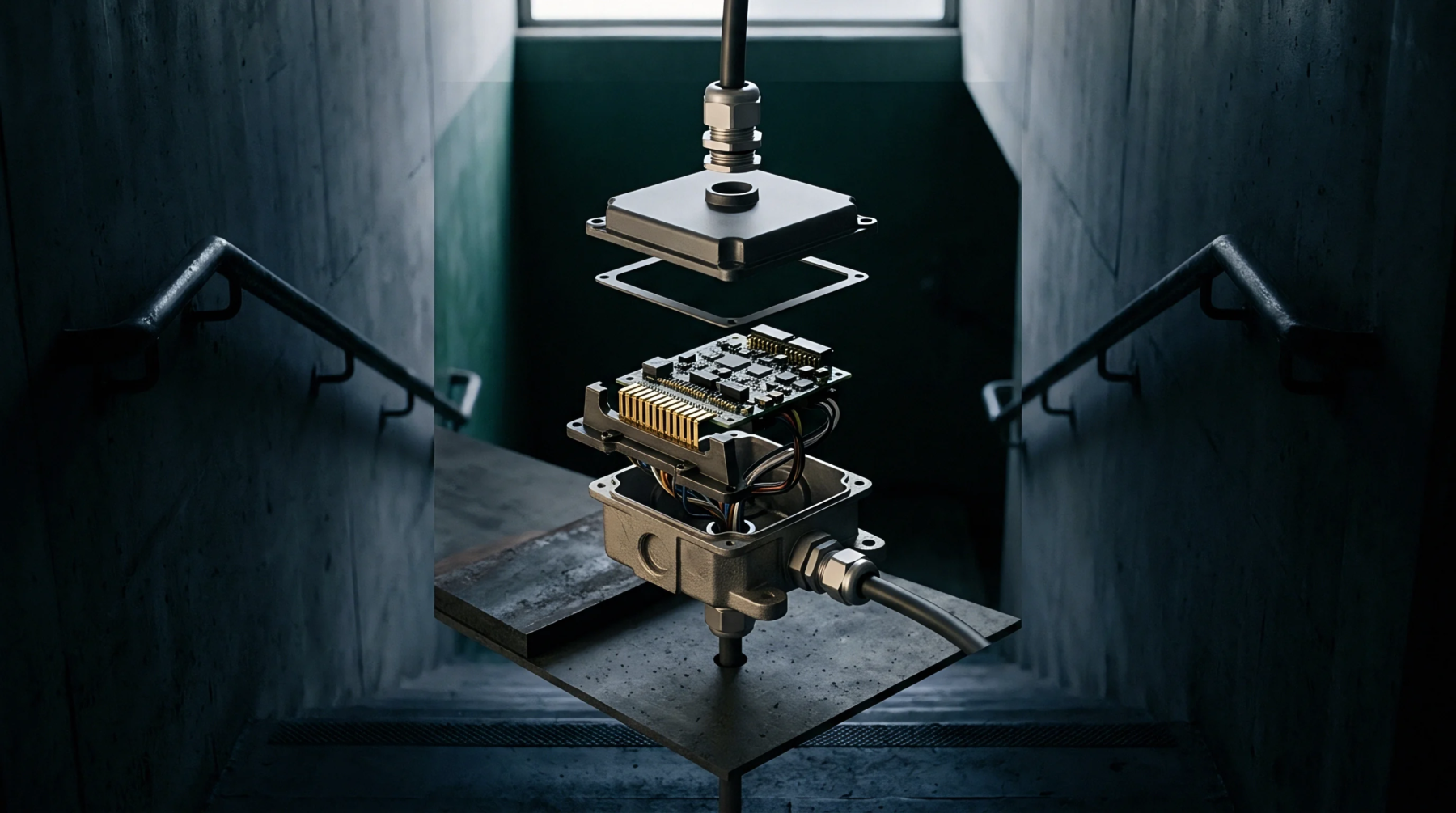
Tightening receiver guardbands to match crystal drift reduces receiver wake time, extending sub-GHz mesh battery life without degrading link reliability.
Uncompensated quartz drift expands active receive guard windows, quadrupling listening power; software thermal lookup tables eliminate this energy penalty.
Sizing receiver guardbands to worst-case crystal thermal drift prevents slot collisions and preserves battery endurance in dense sub-gigahertz networks.
Thermal drift in crystal resonators forces wider MAC guardband windows, multiplying receiver active listen times and accelerating battery depletion.
Expertise is a utility, not a secret. sentiention™ publishes its working knowledge as open reference: intelligence layer covering the materials it sources, the markets it enters, and the reference that serves both.