
LoRa Duty Cycle Ceilings That Decide Payload Frequency
LoRa duty cycle ceilings restrict packet frequency by limiting hourly transmission airtime, forcing trade-offs between spreading factor, payload size, and battery life.
LoRa duty cycle ceilings restrict packet frequency by limiting hourly transmission airtime, forcing trade-offs between spreading factor, payload size, and battery life.

Non-volatile duty cycle accumulators preserve airtime state across power cycles, preventing illegal spectrum over-transmission in unlicensed sub-GHz hardware.

Wireless protocol selection fixes physical range, payload boundaries, power draw profiles, regulatory approvals, and landed hardware costs across target markets.
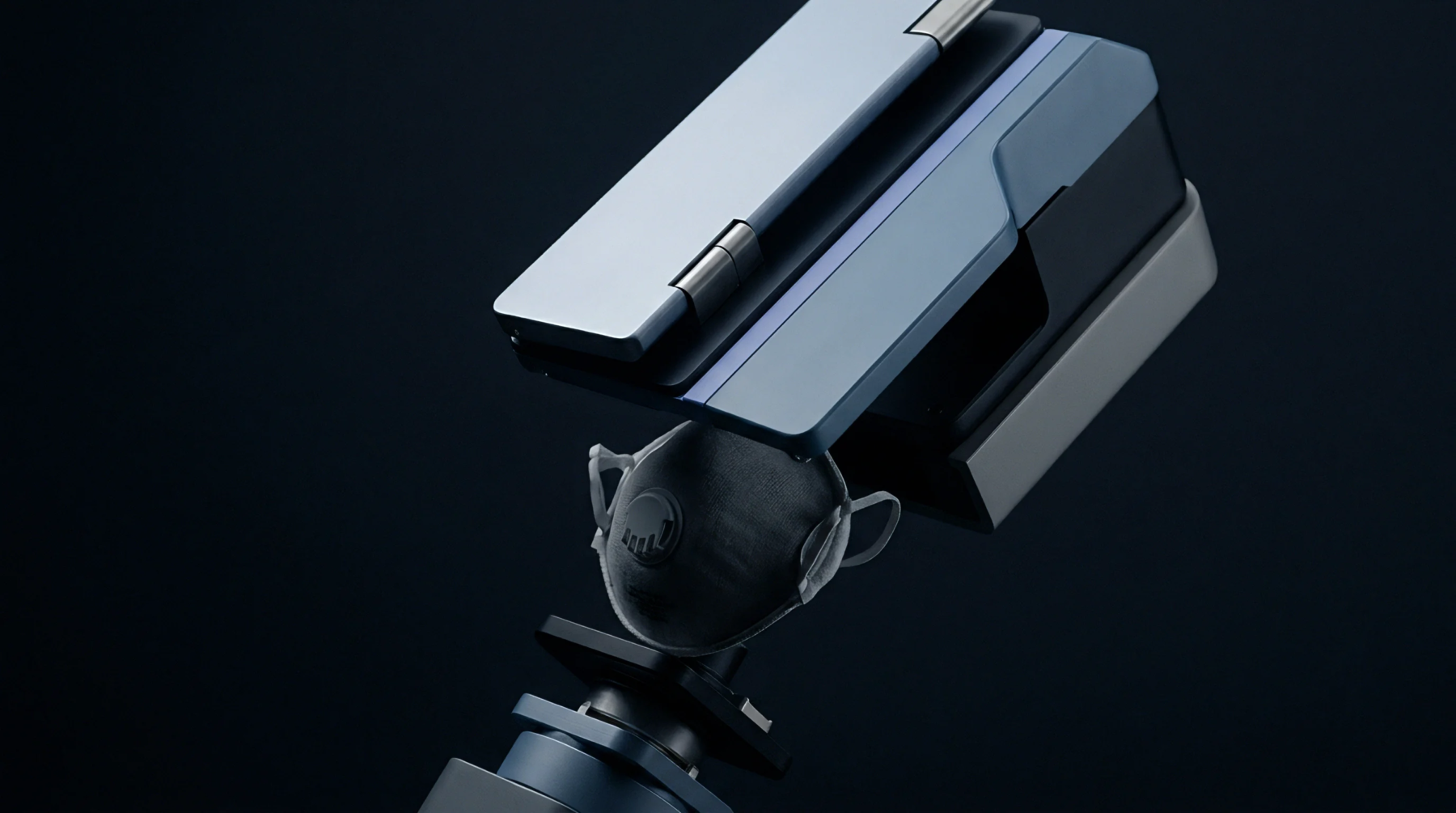
Regional spectrum rules force sub-GHz IoT hardware into three distinct SKU builds to optimize front-end matching, maintain link budget, and pass certification.
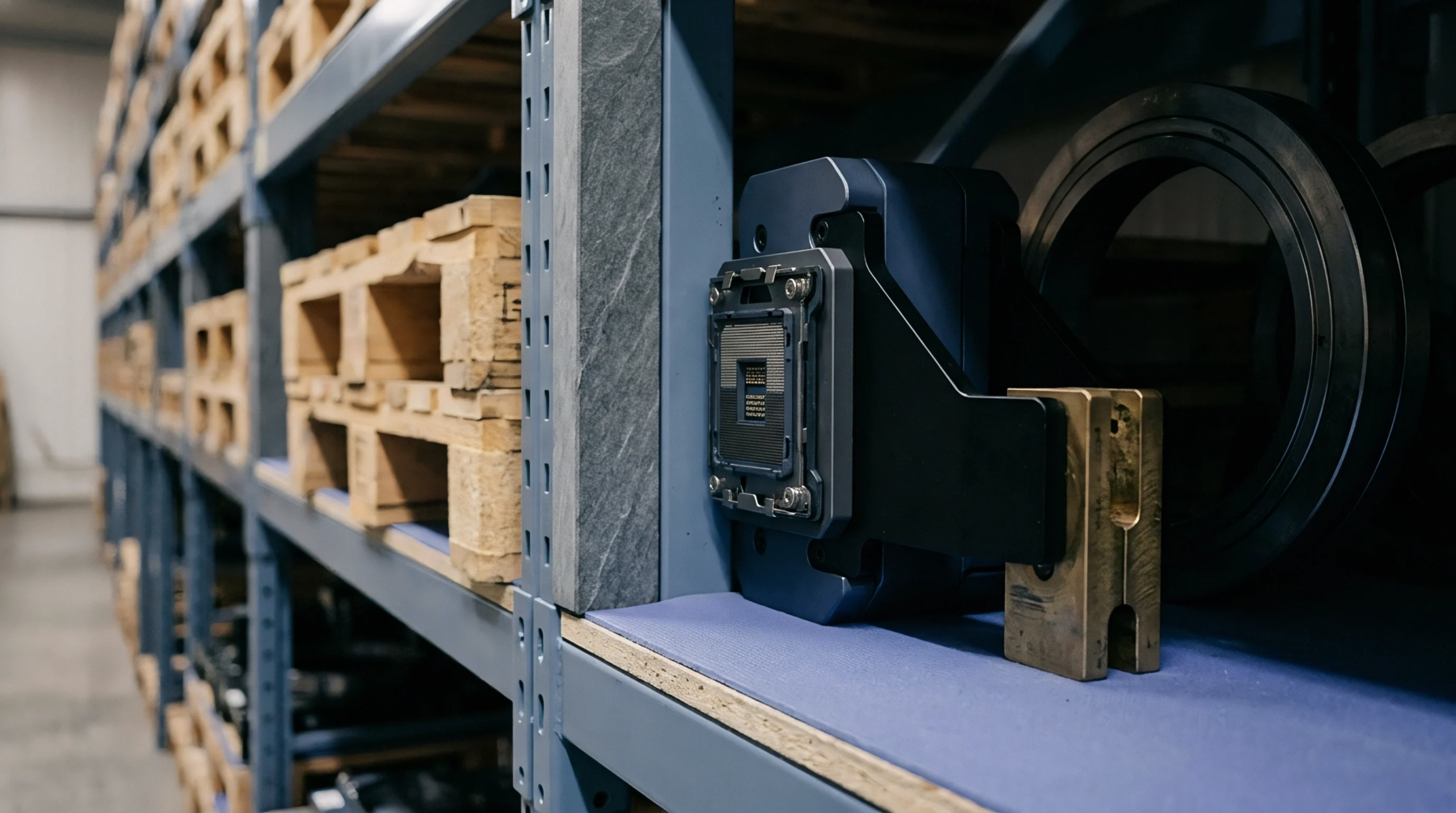
Verify crystal-less sleep synchronization by combining dynamic polynomial thermal compensation with scaled receiver guard windows to maintain sliding time buckets safely.
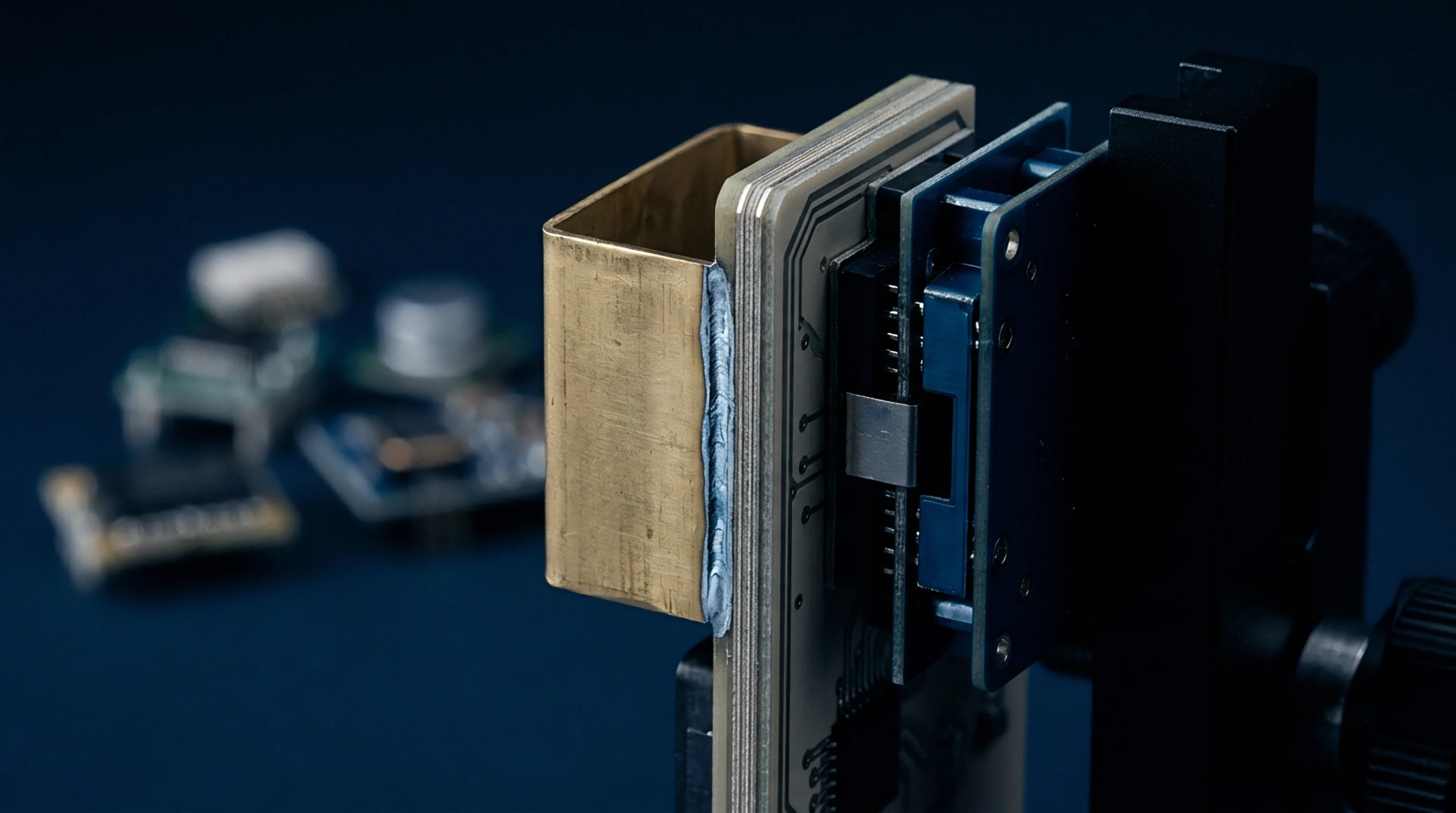
Evaluating supplier test reports against EU radio standards requires verifying ISO/IEC 17025 scopes, standard versions, and host power settings.

Dynamic guard window sizing calculates clock offset history to shrink receiver listen windows and extend low-power sub-GHz battery life

Dynamic impedance matching mitigates RF power amplifier reflection losses, preserving battery voltage stability and operational lifespan in wideband radios.

Adding potting compound to an unpotted RF module demands Class II permissive change re-testing if dielectric loading increases radiated spurious emissions.
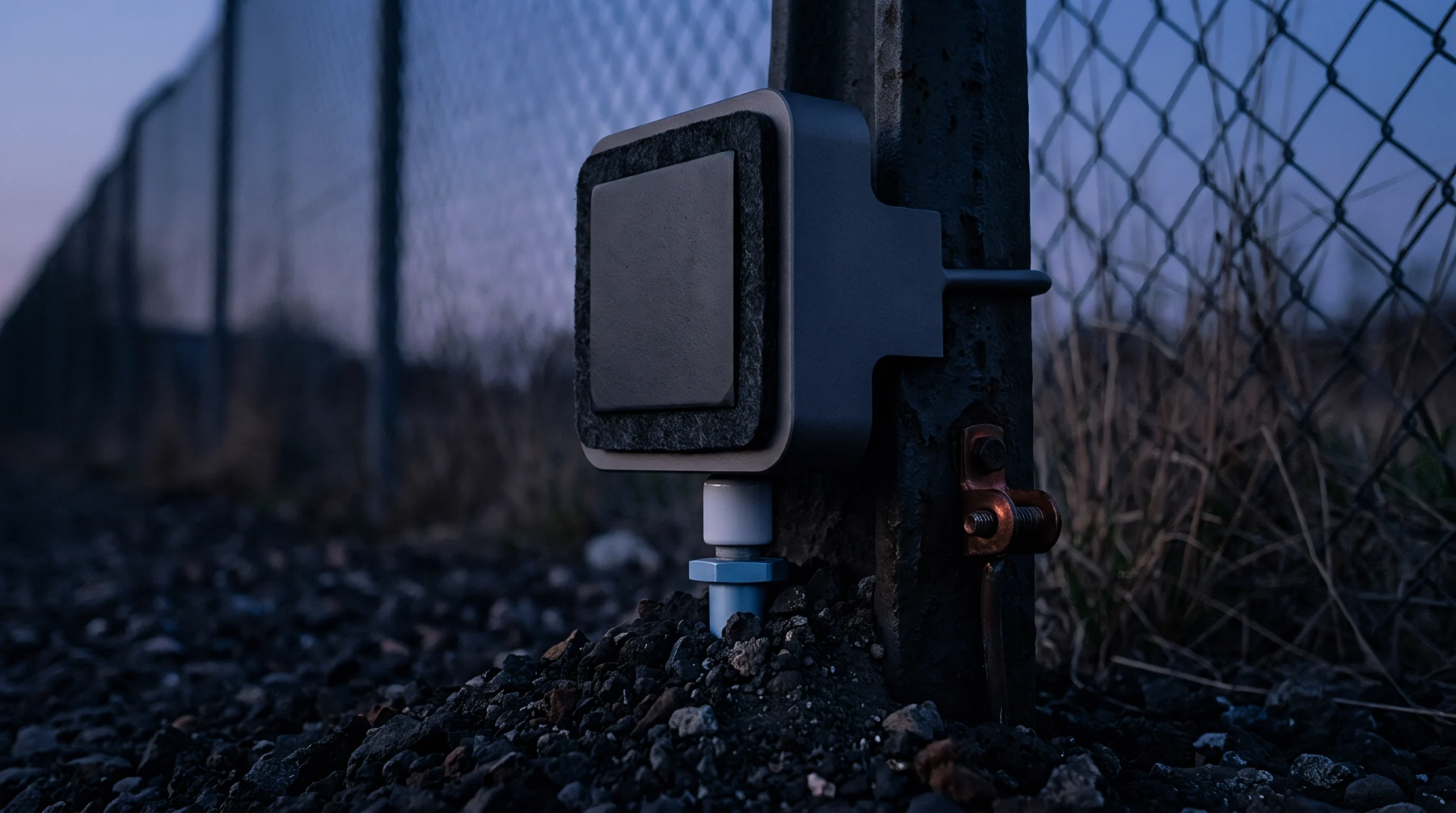
Exceeding sub-GHz statutory duty cycles requires hybrid dual-radio architectures that trigger high-speed cellular or Wi-Fi offloads for high-frequency telemetry.

Dynamic preamble tracking and thermal mass matched hardware RTC compensation recover 6 dB sensitivity and align sleep windows under extreme thermal shock.

Antenna detuning alters PA load impedance, degrading efficiency and thermal headroom across wideband transceivers during high-VSWR operational shifts.

Standardizing RF front-end pad layouts allows single-PCB hardware deployments across distinct regional sub-GHz band plans without board respins.
Sub-GHz protocols penetrate structural walls with 10 to 20 dB less attenuation than 2.4 GHz radios, securing long-range low-power indoor links.
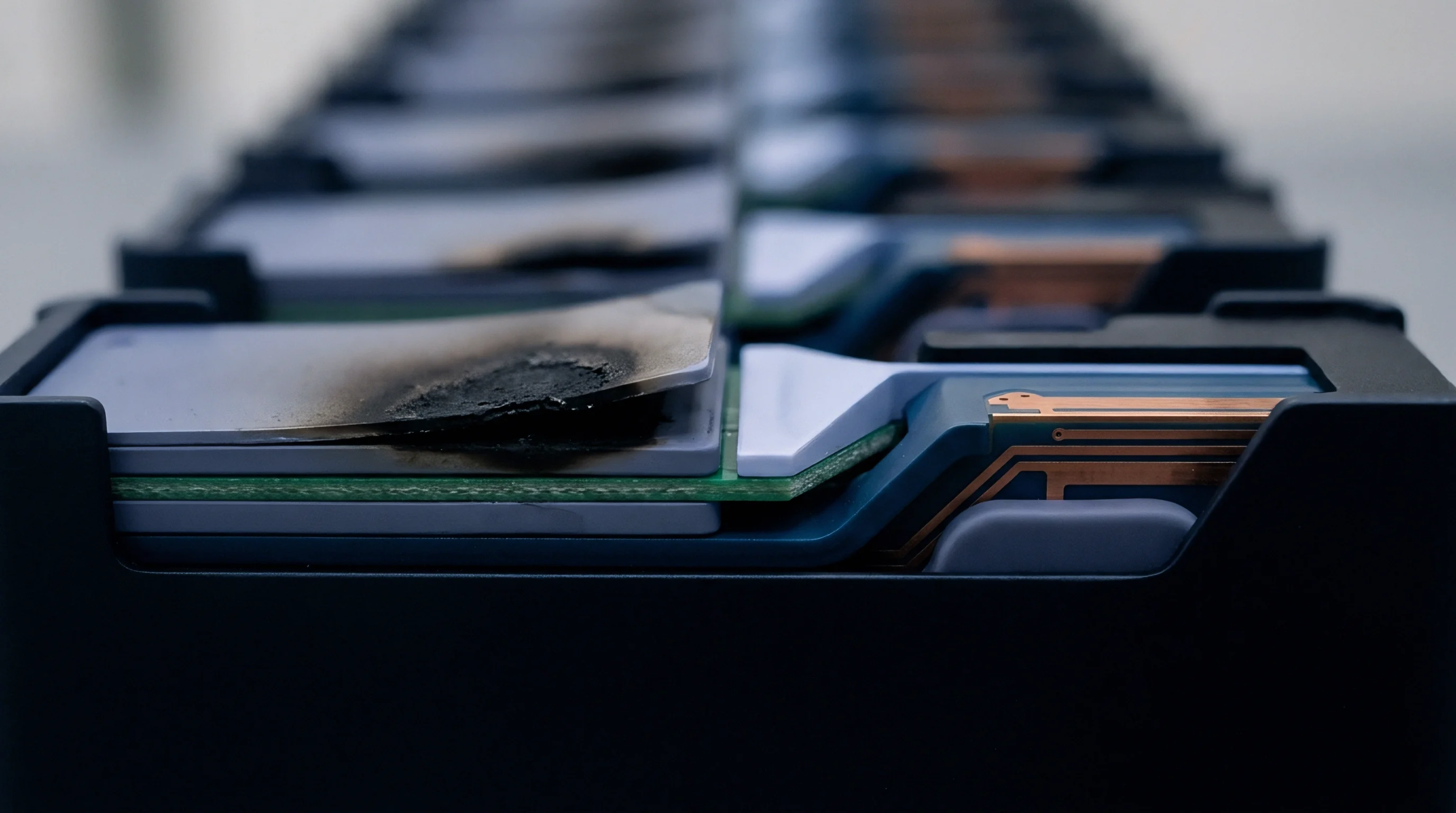
Dynamic rejoining loops drain primary lithium cells via passivation failure and brownout cycles; firmware must enforce passive orphan sleep and backoff limits.
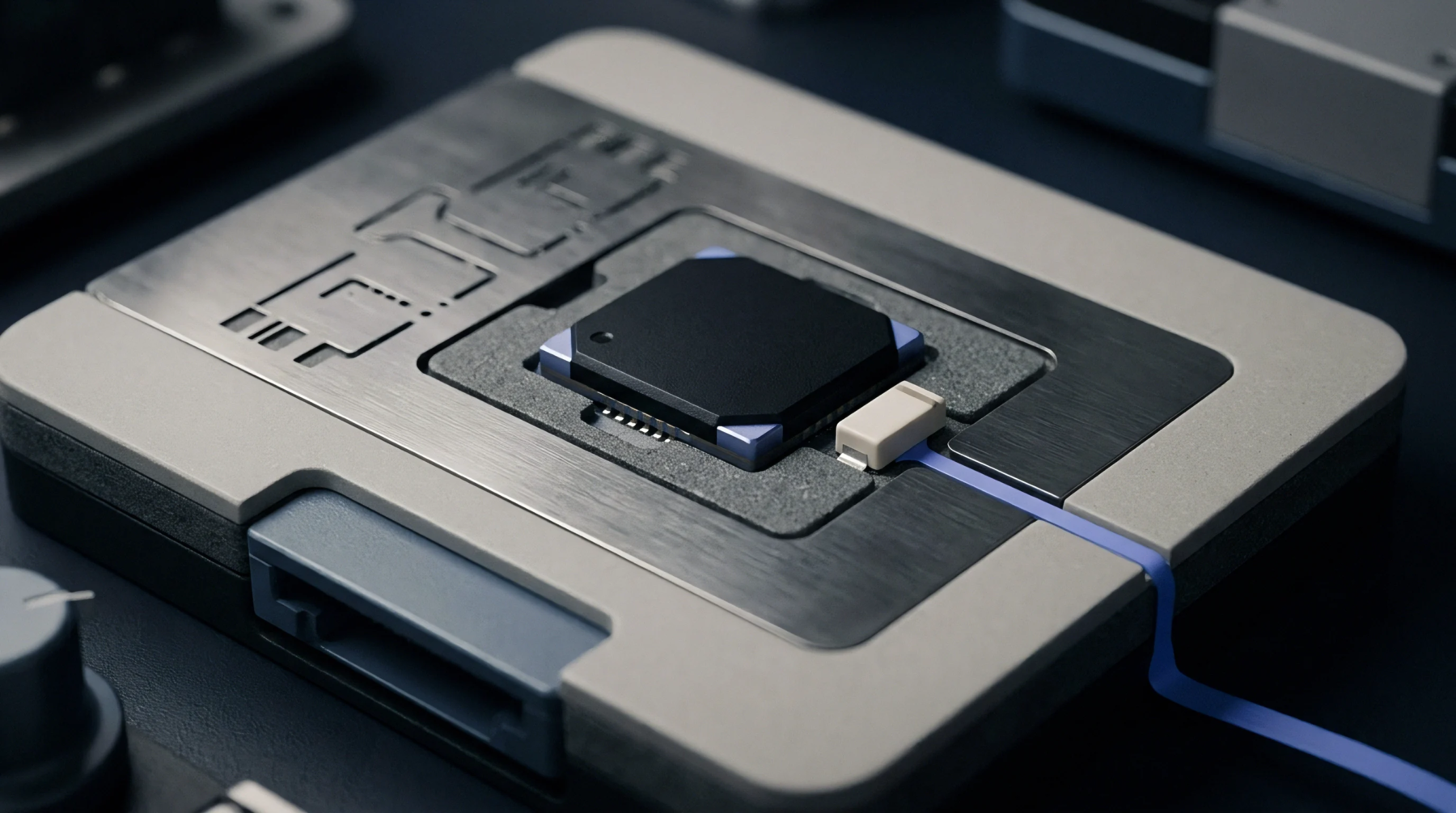
Regional sub-GHz regulatory splits force strict hardware tradeoffs between single wideband BOMs and optimized regional RF front-end variants.

Hardware brownout comparators for sub-GHz transceivers demand sub-microsecond response times and precise trip levels to prevent power amplifier voltage sags.
Persisting polynomial thermal compensations in non-volatile registers maintains multi-year radio synchronization without exceeding low-power current limits.
Autonomous flash scrubbing telemetry prevents thermal bit flips in field radios by scheduling background memory rewrites during radio sleep windows.

Eliminating external crystals reduces hardware costs but expands receiver guard windows, requiring tight thermal calibration loops to protect battery life.
Predictive thermal state-space feedforward models compensate for rapid power amplifier self-heating, keeping crystal-less cellular RC oscillators within 3GPP frequency limits.

Integrating instantaneous frequency offset polynomials over sleep intervals expands receiver guard windows accurately without wasting battery capacity in low power nodes.
Uncompensated 32kHz tuning-fork crystal thermal drift expands sub-GHz node receive guard windows, consuming battery capacity during sleeping cycles.

Optimizing unattached transceiver backoff timers prevents severe passivation voltage dips and extends primary lithium battery service life past ten years.
Radio compliance transition management requires tracking Official Journal withdrawal dates, auditing inventory placement, and securing gap retesting before presumption lapses.
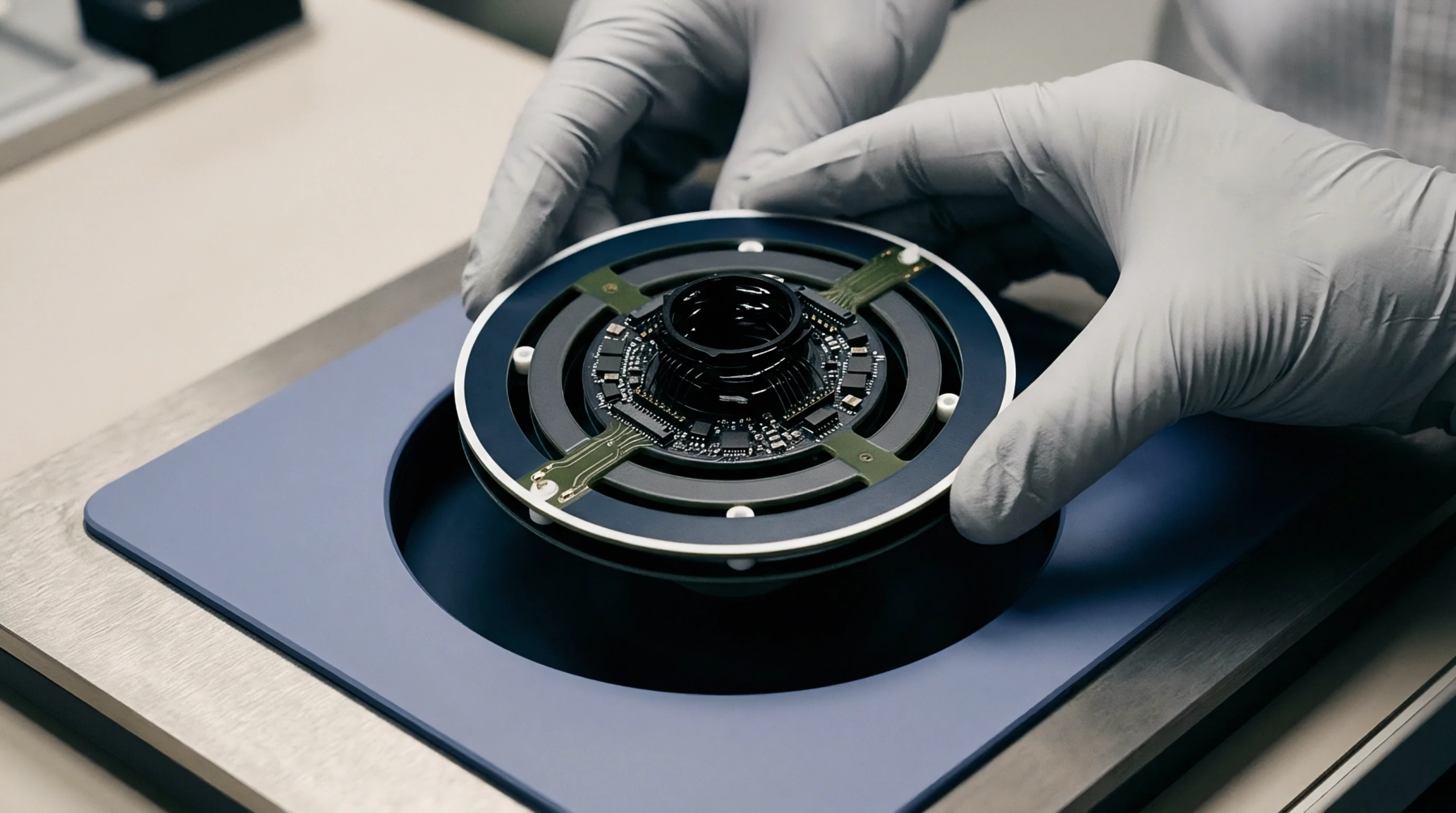
Polynomial compensation reduces sub-GHz receiver preamble listen windows by converting crystal thermal drift into predictable fixed-point timer corrections.

Sub-GHz PA power bursts generate micro-Kelvin crystal thermal gradients that shift carrier frequency, demanding thermal isolation and tight TCXO specification.
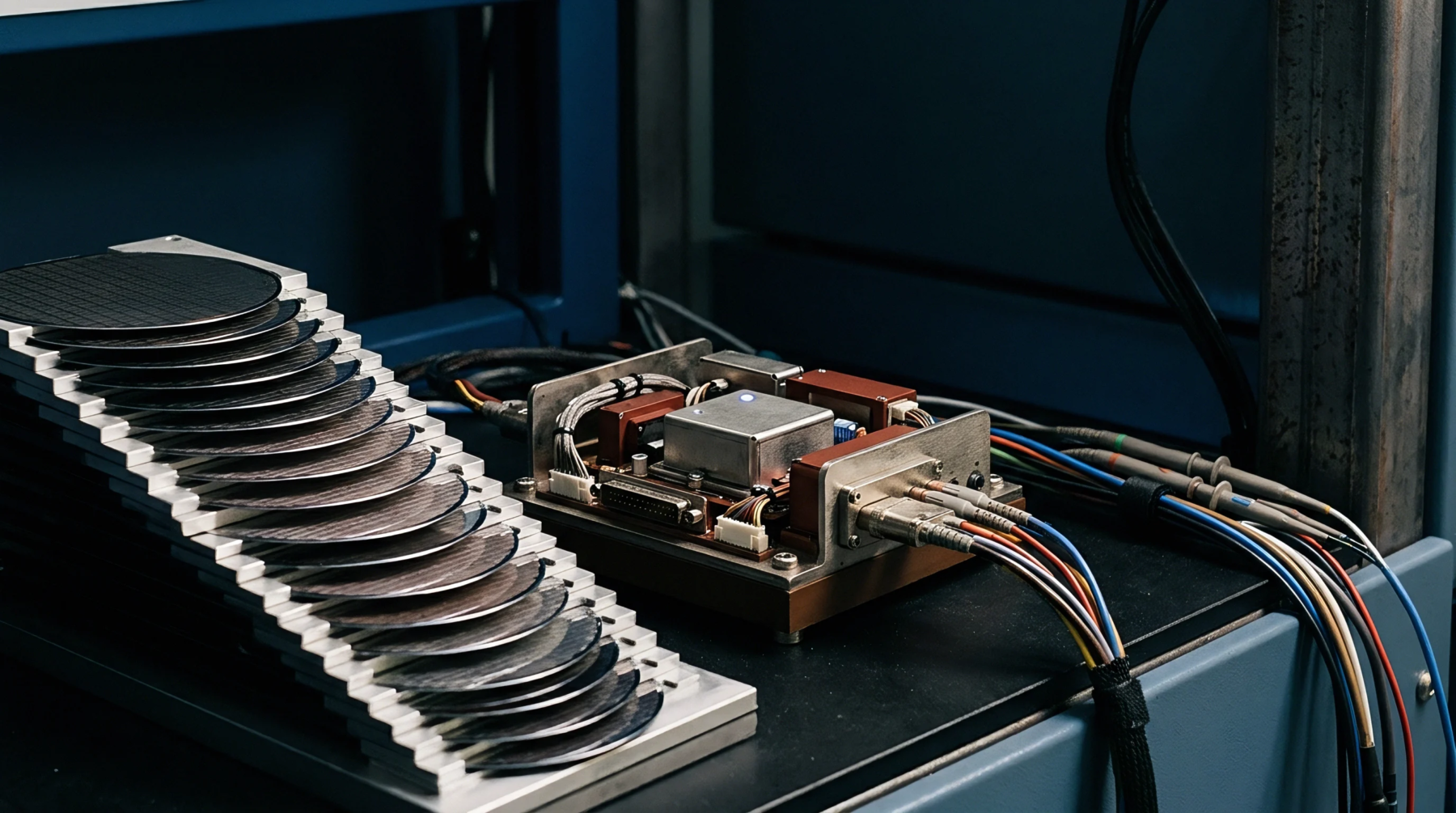
Dynamic impedance matching stabilizes RF power amplifier load lines during battery voltage droop to prevent signal distortion and premature device shutdown.

Offline transponder signature validation relies on compact elliptic curve keys, efficient memory framing, and compliant reader radio power limits.
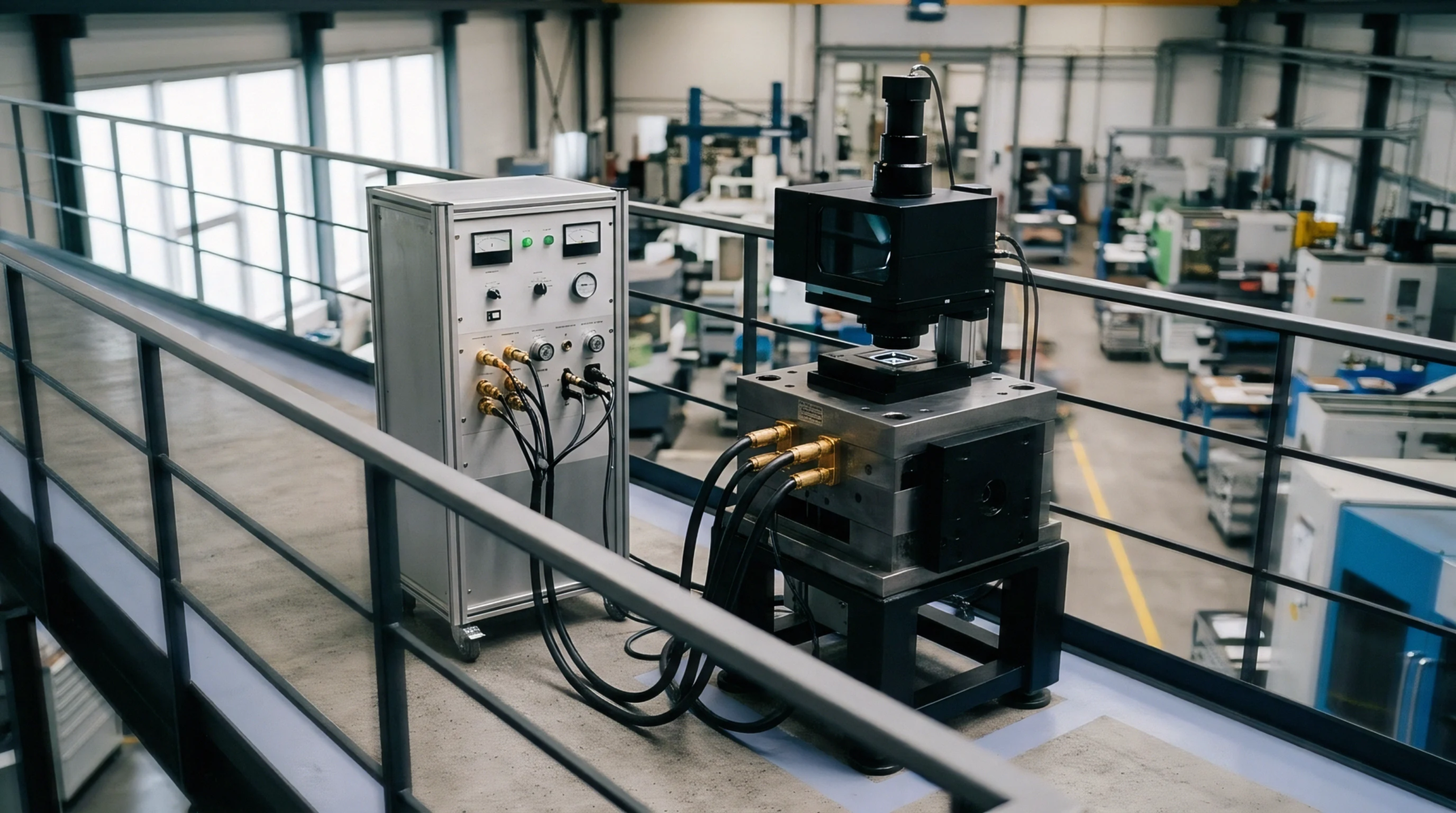
Securing global port radio approvals for off-grid cryptographic seals requires matching regional sub-GHz power ceilings before final host integration.
Expertise is a utility, not a secret. sentiention™ publishes its working knowledge as open reference: intelligence layer covering the materials it sources, the markets it enters, and the reference that serves both.