
Suppression Techniques for Spurious Radiated Emissions in High Density Connected Devices
Suppressing high-density radiated spurs demands continuous return planes, sub-millimeter shield apertures, and early far-field pre-scans before certification.
Suppressing high-density radiated spurs demands continuous return planes, sub-millimeter shield apertures, and early far-field pre-scans before certification.
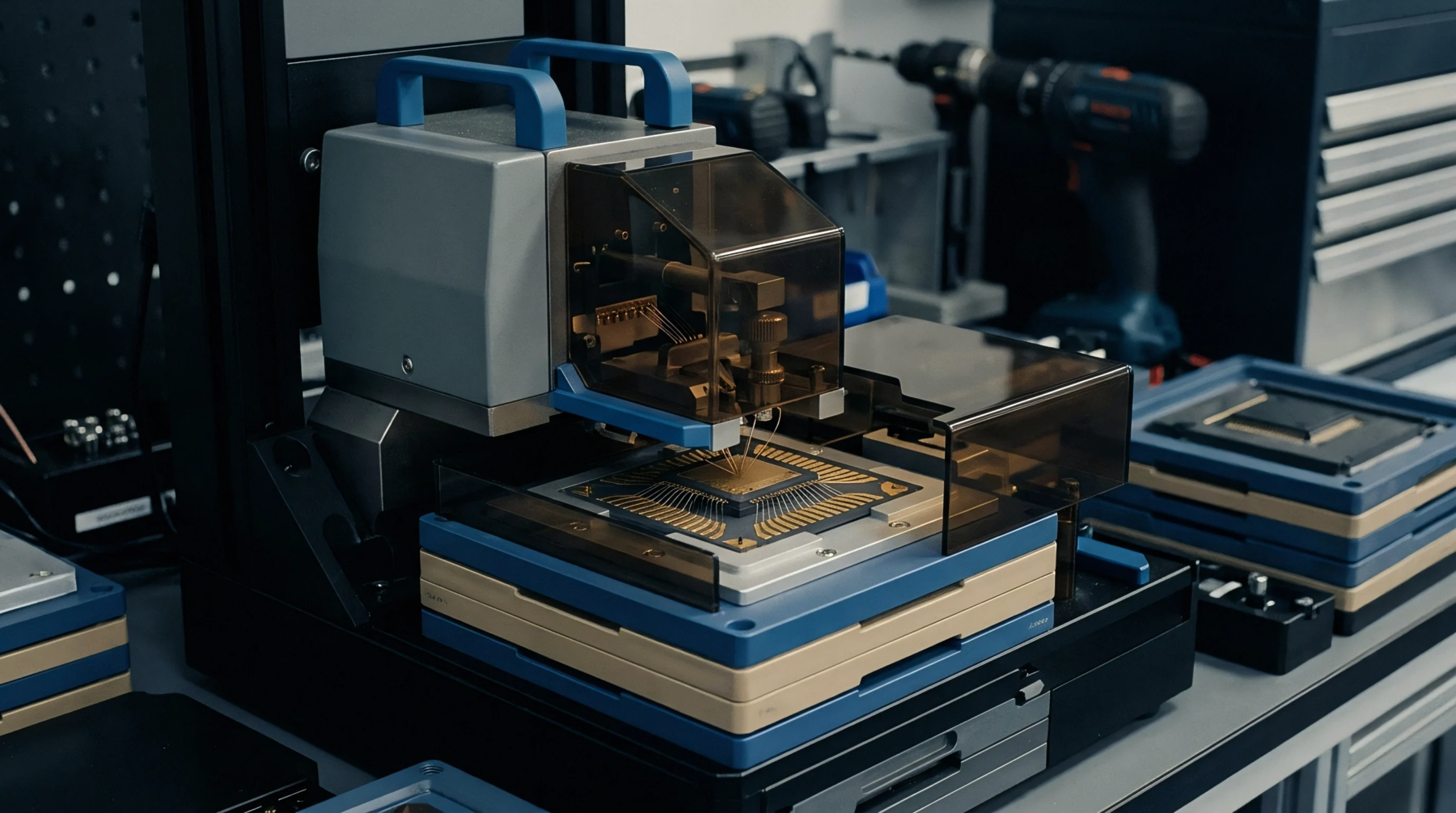
Metallic host enclosures induce cavity resonances and seam slot leakage, requiring pre-scans and host-level radiated testing despite modular pre-grants.

Switched lumped-element matching circuits reconcile regional sub-gigahertz allocations while maintaining link margins within two decibels across target bands.

Integrating approved radio modules into custom host enclosures alters radiated spurious emissions, demanding targeted spot checks to preserve market compliance.

Standardizing RF front-end pad layouts allows single-PCB hardware deployments across distinct regional sub-GHz band plans without board respins.

Radiated harmonic scans mandate notch filtering, spatial maximization, and rigorous cable loss compensation to prevent front-end receiver saturation and false failures.
Expertise is a utility, not a secret. sentiention™ publishes its working knowledge as open reference: intelligence layer covering the materials it sources, the markets it enters, and the reference that serves both.