Meaning
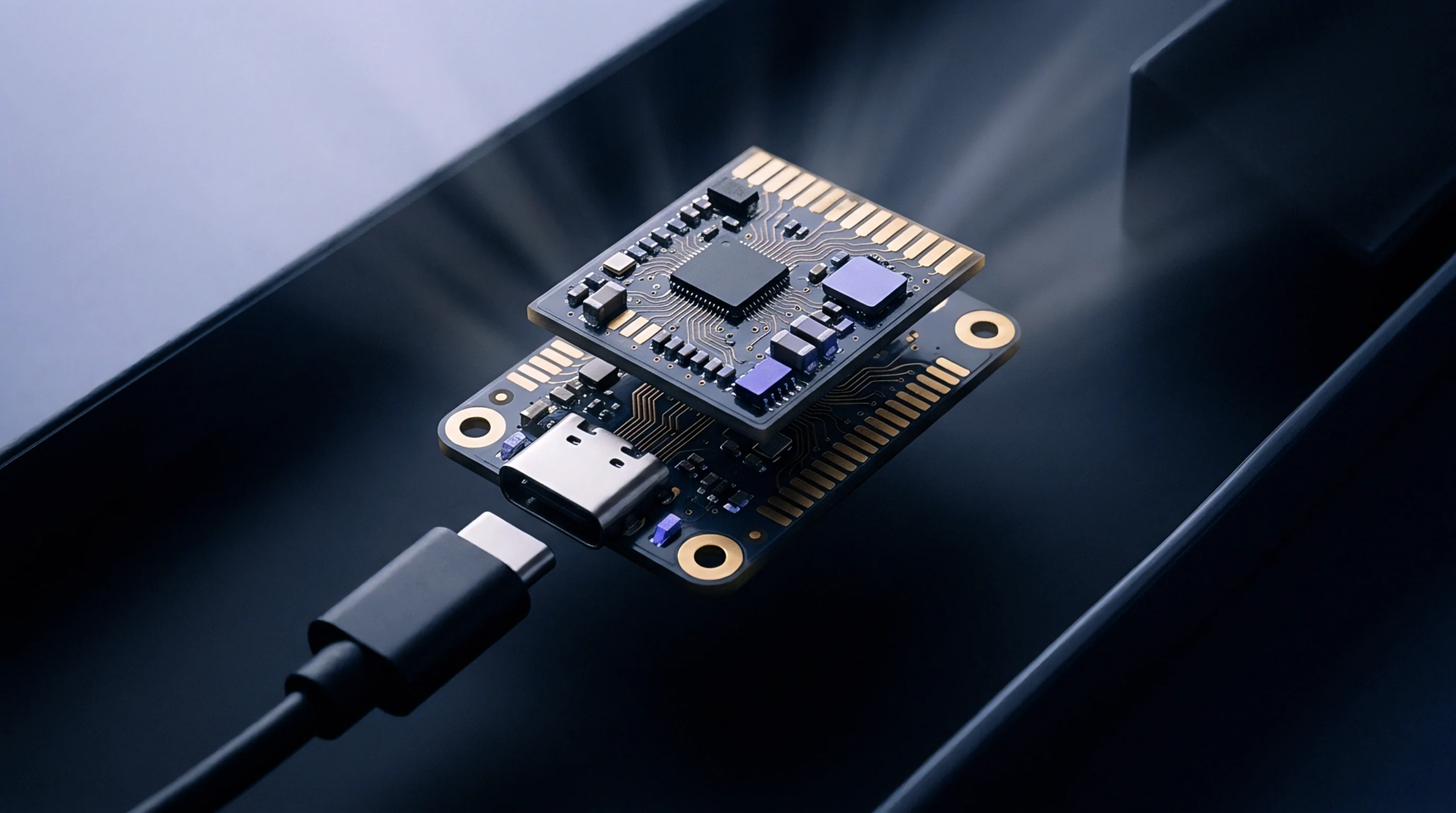
Subsystem regulation of electrical consumption in a hardware device to balance processing activity with thermal and battery life limitations. Implementations of power management rely on a combination of hardware controllers and low-level firmware. This process monitors voltage levels and puts inactive components into low-power states to reduce overall current draw.
It prevents overheating and extends the operational lifetime of mobile and embedded systems.
Architectural Method
Engineers organize the design into distinct power domains that can be shut down independently. By utilizing specialized integrated circuits, the system dynamically scales the supplied voltage and clock frequencies based on the current workload. Modern systems deploy dedicated microcontrollers to coordinate these transitions without interrupting critical system services.
This partition keeps the user-facing hardware responsive while the underlying processing cores remain asleep.
Hardware Enforcement
State transitions rely on hardware registers that control internal switch networks and regulators. When the software initiates a sleep command, the power management unit sequences the disabling of clock lines and voltage rails. This sequence must be executed in a precise order to prevent backpowering or latch-up conditions in adjacent silicon blocks.
Performance Budget
Measuring current draw across different operating modes allows developers to verify that the device meets its specified battery life. High-precision source-measure units capture the microampere-level spikes during sleep transitions.