Meaning
Gradual variations in the operating frequency of a radio transmitter from its nominal target frequency can result in degraded communication performance or out-of-band emissions. This frequency drift typically arises from temperature variations and component aging in the local oscillator circuitry. It determines the minimum required width of the receiver guard bands in wireless networks.
Primary Causes
Thermal changes are the most common driver of oscillator frequency instability in outdoor or high-power wireless nodes. As the internal temperature of the product climbs during continuous transmission, the quartz crystal experiences a minute physical change that alters its resonant frequency. This frequency drift can cause the transmitted signal to fall outside the passband of the receiving antenna or filter.
To combat this, high-reliability designs often use temperature-compensated crystal oscillators that adjust their capacitance dynamically.
Measurement and Testing
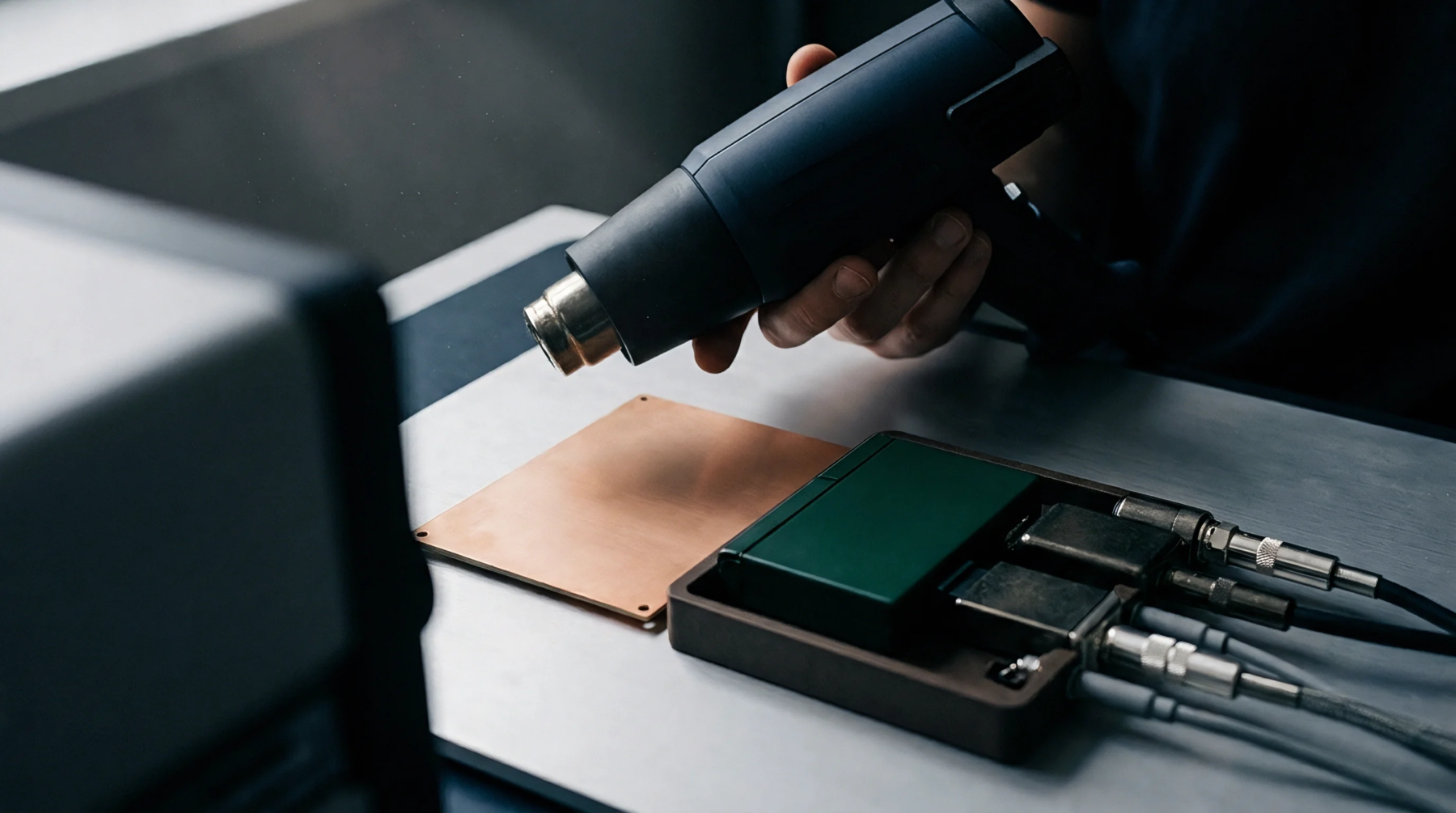
Evaluating this deviation requires a continuous measurement of the carrier signal using a calibrated frequency counter or spectrum analyzer inside an environmental chamber. During the test sequence, the product is exposed to its full operating temperature range to map the drift curve. This profiling ensures that the frequency drift remains within the limits allowed by regulatory bodies like the FCC and ETSI.
If the drift exceeds these limits, the device will fail certification and cannot be sold.
Mitigation Method
Firmware-based compensation algorithms can adjust the synthesizer settings based on real-time temperature readings from an onboard sensor. This method helps maintain frequency stability without using expensive, high-precision hardware.