
Managing Class II Permissive Changes for Co-Located Host Radios
Co-located radio Class II Permissive Changes demand radiated intermodulation scans and exposure summation when transmitter antennas sit within 20 cm.
Co-located radio Class II Permissive Changes demand radiated intermodulation scans and exposure summation when transmitter antennas sit within 20 cm.
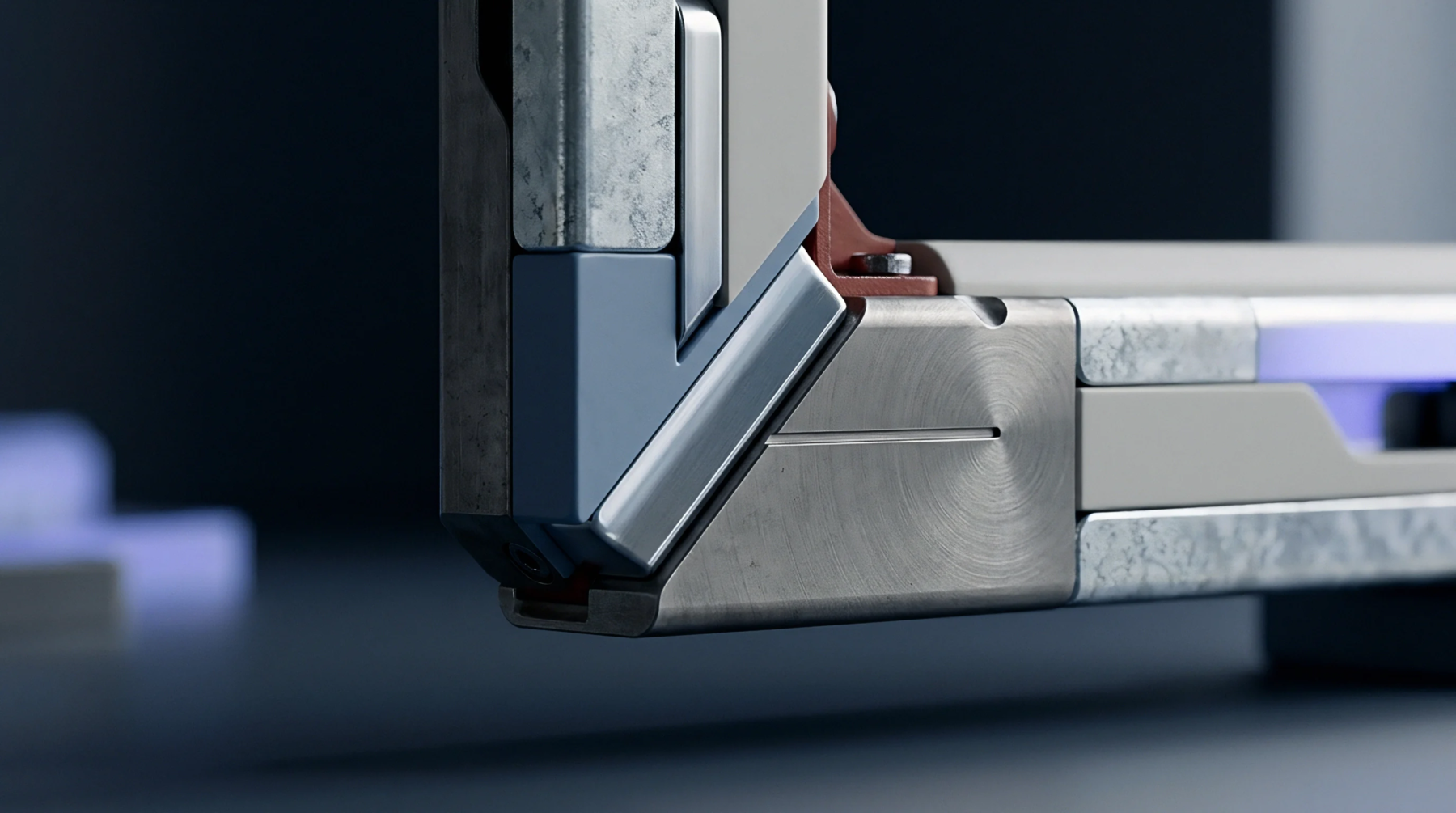
Modular grant pass-through rights terminate when host enclosure proximity or antenna modifications alter tested RF safety separation boundaries.
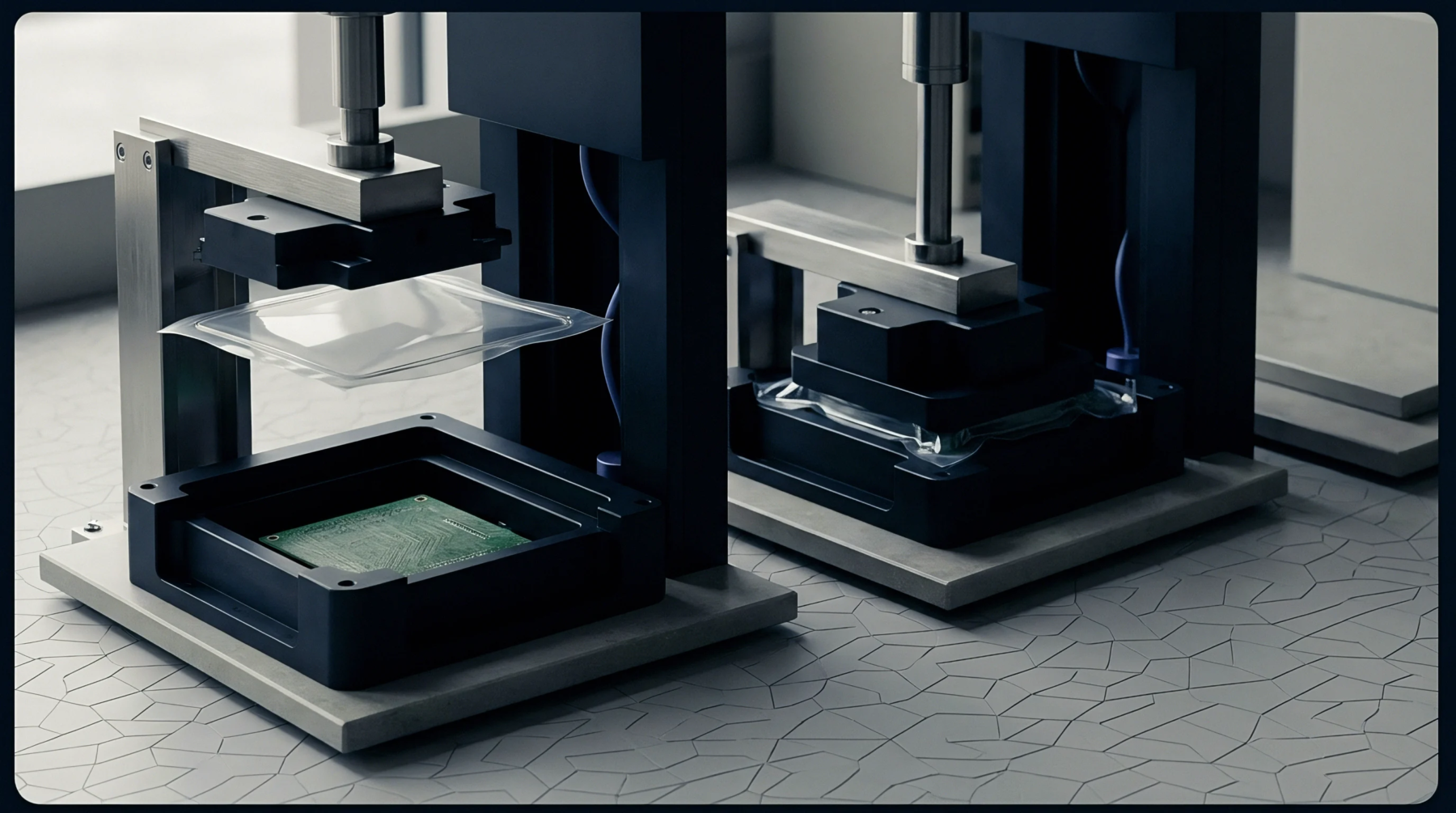
Substituted host antennas qualify for Class II Permissive Changes only when peak gain stays below certified limits and radiative physical structure remains identical.
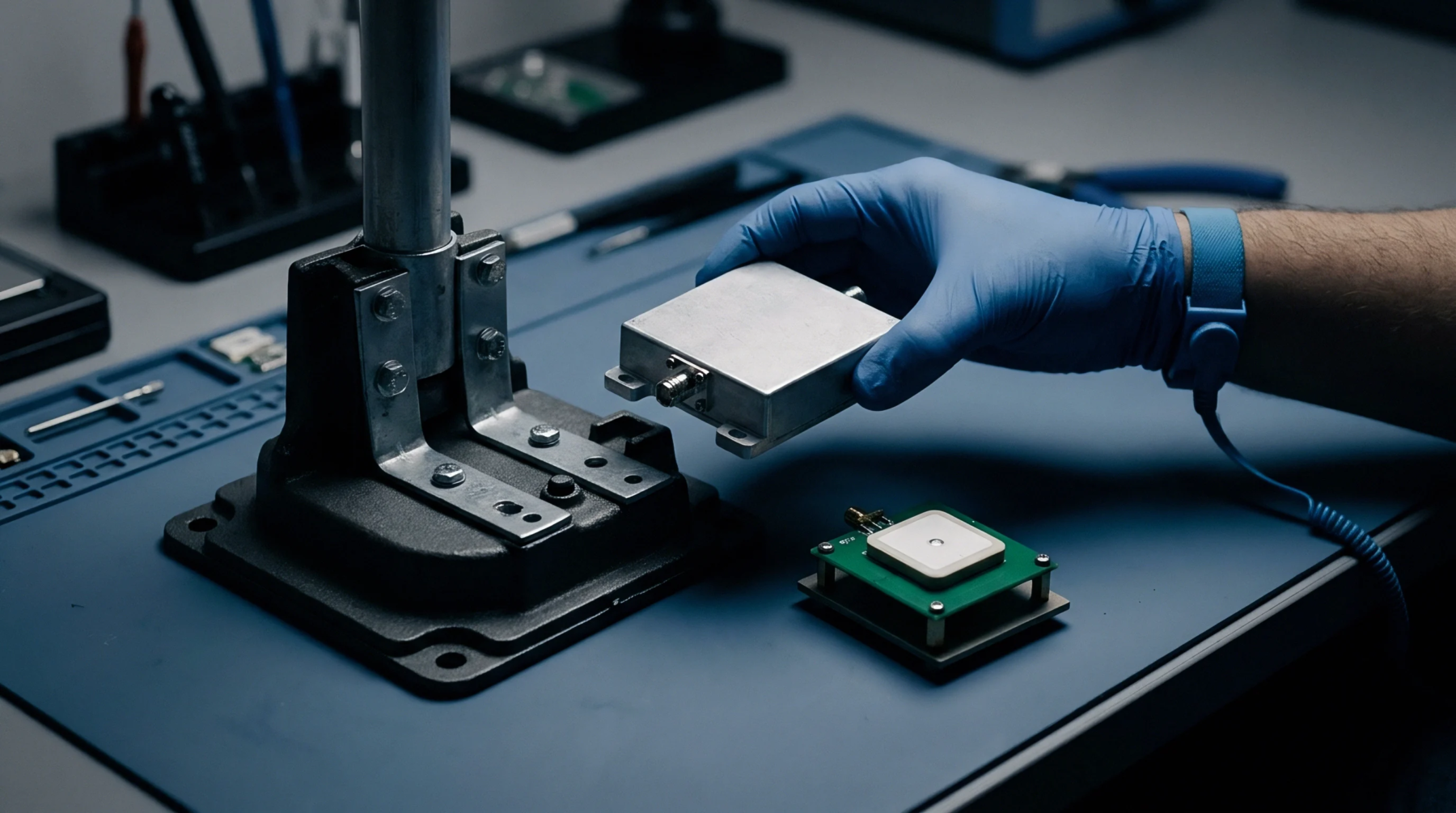
Section 2933 filings transfer FCC equipment authorization to a new grantee code without retesting, provided hardware and circuitry remain unchanged.
Host hardware vendors retain ultimate legal liability for combined device compliance, requiring host verification despite module pre-certification.

Coordinating multi-radio permissive changes requires early intermodulation scanning, proactive grant transfers, and simultaneous SAR sum calculations before filing.

Co-located portable host radios require simultaneous SAR ratio summation or dynamic backoff validation when separation distance drops below twenty centimeters.
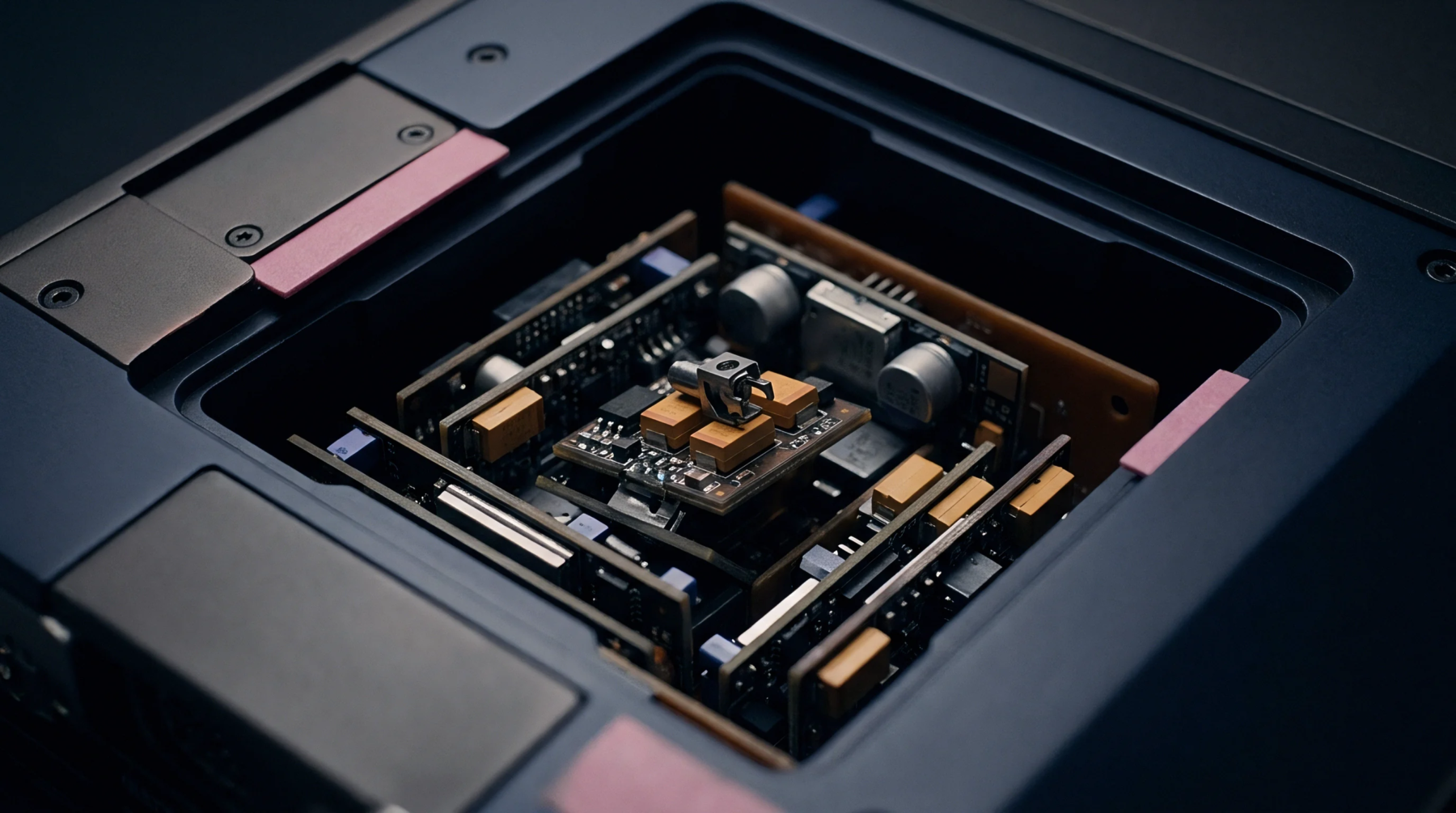
Unlicensed commercial radio access requires precise chamber testing, strict host integration boundaries, and regional type approval filings to prevent customs rejections.
Expertise is a utility, not a secret. sentiention™ publishes its working knowledge as open reference: intelligence layer covering the materials it sources, the markets it enters, and the reference that serves both.