Meaning
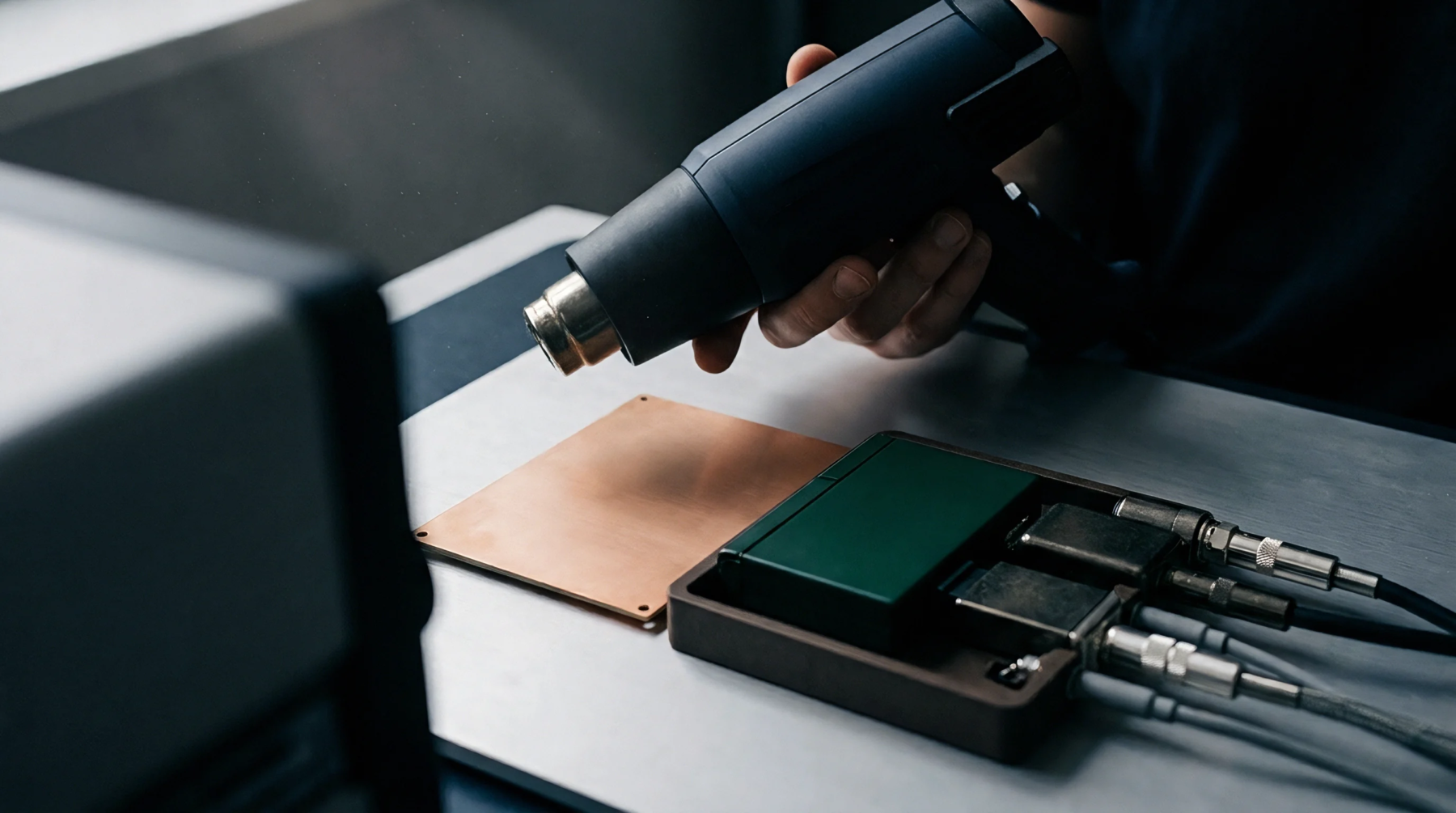
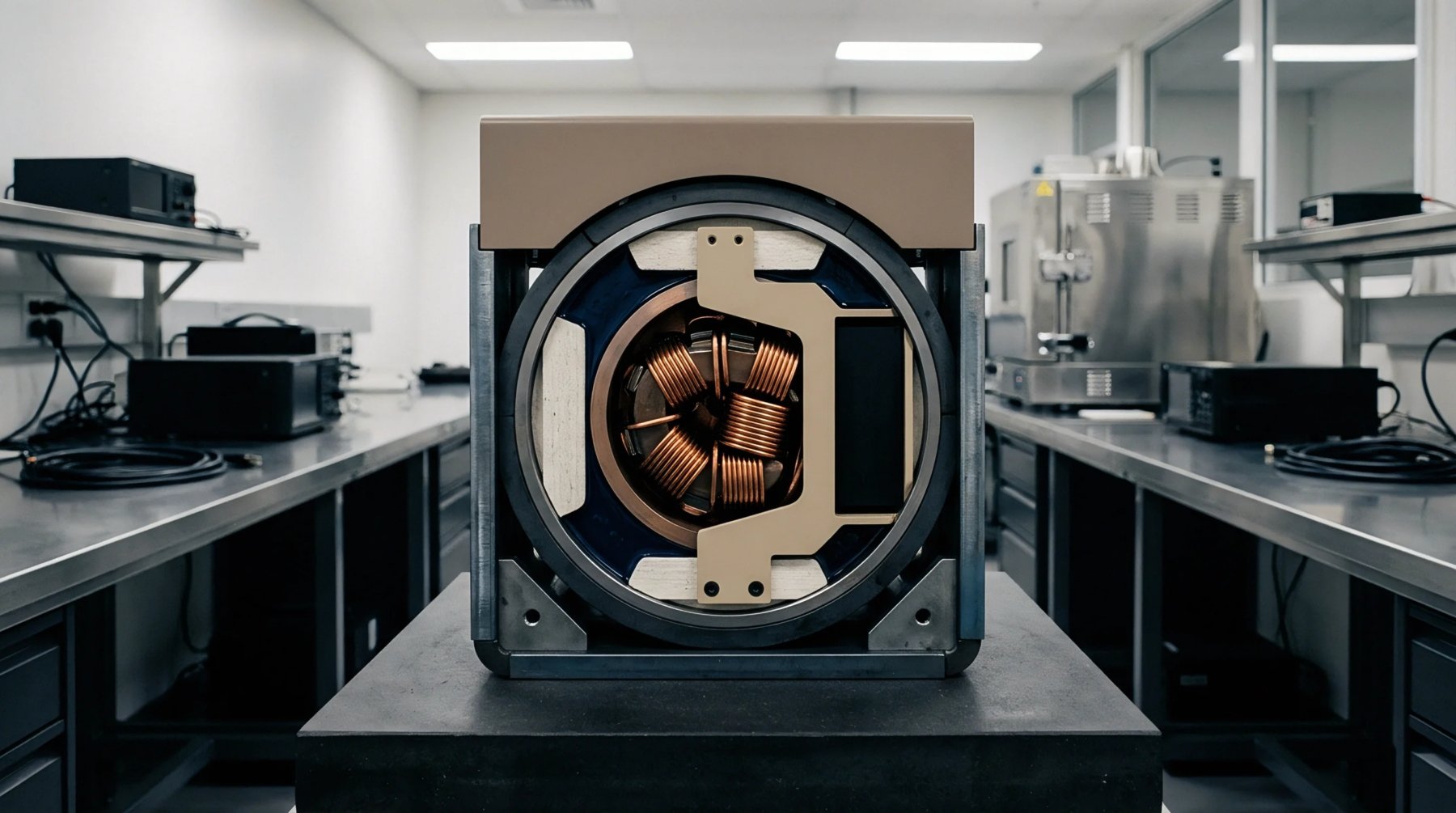
Shielded environments provide the necessary isolation for measuring electromagnetic emissions and susceptibility without interference from external radio signals. In the context of chamber testing, a device sits inside a room lined with conductive materials that block incoming and outgoing electromagnetic energy. This setup allows for accurate characterization of the radio performance of a component or system.
Engineers rely on this controlled space to verify that a product meets global regulatory limits.
Signal Isolation
The effectiveness of the shield determines the noise floor of the measurement environment. High levels of attenuation in chamber testing prevent ambient signals from cellular networks or local radio broadcasts from corrupting the test results. Without this barrier, distinguishing between the emissions of the device and background noise is impossible.
The integrity of the shield is verified through periodic attenuation checks.
Measurement Fidelity
Specialized absorbent materials lining the walls minimize signal reflections that would otherwise create standing waves or multipath interference. During chamber testing, these cones convert electromagnetic energy into heat to simulate an open area test site without the logistical challenges of outdoor weather or spectrum congestion. This approach creates a stable field for measuring antenna gain and total radiated power.
Technicians use automated positioning systems to rotate the unit under test across multiple axes. Systematic rotation ensures that the peak emission levels are captured regardless of the orientation of the device.
Anechoic Calibration
Routine verification of the chamber quiet zone ensures that the spatial distribution of the electromagnetic field remains uniform. Performance of chamber testing relies on these calibration constants to adjust the raw data for cable losses and antenna factors. Results from a calibrated chamber are repeatable across different laboratories and equipment batches.
Proper maintenance of the absorbing material is required to prevent degradation of the measurement accuracy over time.