
Evaluating Class Two Permissive Change Triggers for Encapsulated Modules
Class Two Permissive Changes are triggered when physical, antenna, or firmware modifications alter RF emissions or RF exposure without exceeding original grant limits.
Class Two Permissive Changes are triggered when physical, antenna, or firmware modifications alter RF emissions or RF exposure without exceeding original grant limits.

Volumetric spatial SAR overlap evaluation prevents non-compliant hotspot aggregation in multi-transmitter assemblies through antenna spacing or power backoff.
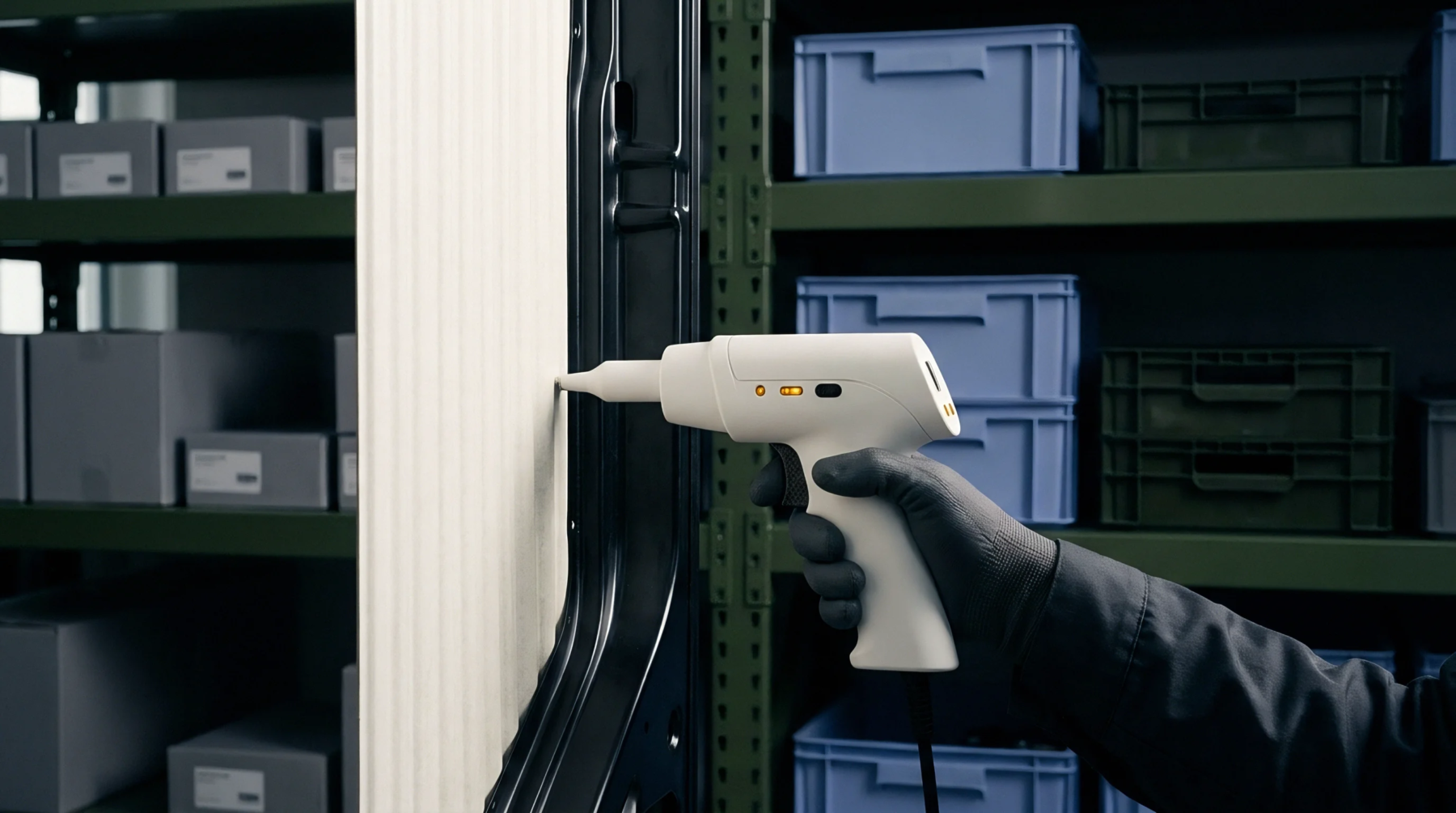
Diagnosing parasitic radiated emissions requires tracing clock harmonic return loops, suppressing cavity resonance, and validating simultaneous transmission grants.

Resolve multi-band simultaneous SAR by calculating exposure ratios and SPLSR to avoid volumetric testing or implement firmware power back-off controls.

Portable transmitter SAR evaluation exemptions depend on frequency, separation distance, and tune-up power to bypass costly physical chamber testing.

Evaluating modular wireless approvals requires verifying host PCB layout, co-location limits, permissive change filings, and regional certification timelines.

Modular host integration triggers a Class II Permissive Change whenever trace redesigns, antenna swaps, or co-location alter SAR or radiated emissions profile.

Host integrators assume full regulatory liability for non-compliant RF exposure and spurious emissions whenever physical host enclosure coupling, antenna substitutions, or co-located radios deviate from original modular grant conditions.

Simultaneous transmission SAR evaluation demands spatial ratio summation, proximity sensor backoff calibration, and time-averaged power tracking across radios.

Intermediate host integration requires Class II Permissive Changes when antenna gain, trace layout, or RF exposure separation distances change from original grant conditions.

Modular grant validity depends on maintaining strict antenna gain, separation distance, and trace impedance bounds within host product enclosures.

Co-located modular SAR permissive change compliance depends on distance, combined transmit power, and SPLSR calculations to avoid Class II testing.

Coordinating multi-radio permissive changes requires early intermodulation scanning, proactive grant transfers, and simultaneous SAR sum calculations before filing.

Limited modular approvals legally bind host PCB layout, enclosure shielding, and power regulation to the exact conditions stated in the grantee's filing notes.

Host level re-testing for multi-transmitter industrial embedded devices requires evaluating simultaneous transmission intermodulation products inside a semi-anechoic chamber whenever antenna separation drops below 20 cm.

FCC rule changes governing modular radios demand precise classification of trace, antenna, and proximity shifts to prevent illegal radiated emissions.
Modular radio approvals transfer strict radiated compliance obligations to host builders, requiring rigorous change classification and trace stackup control.

Multijurisdictional co-location SAR evaluation requires host-level total exposure ratio analysis and spatial decoupling to ensure global market clearance.
Expertise is a utility, not a secret. sentiention™ publishes its working knowledge as open reference: intelligence layer covering the materials it sources, the markets it enters, and the reference that serves both.