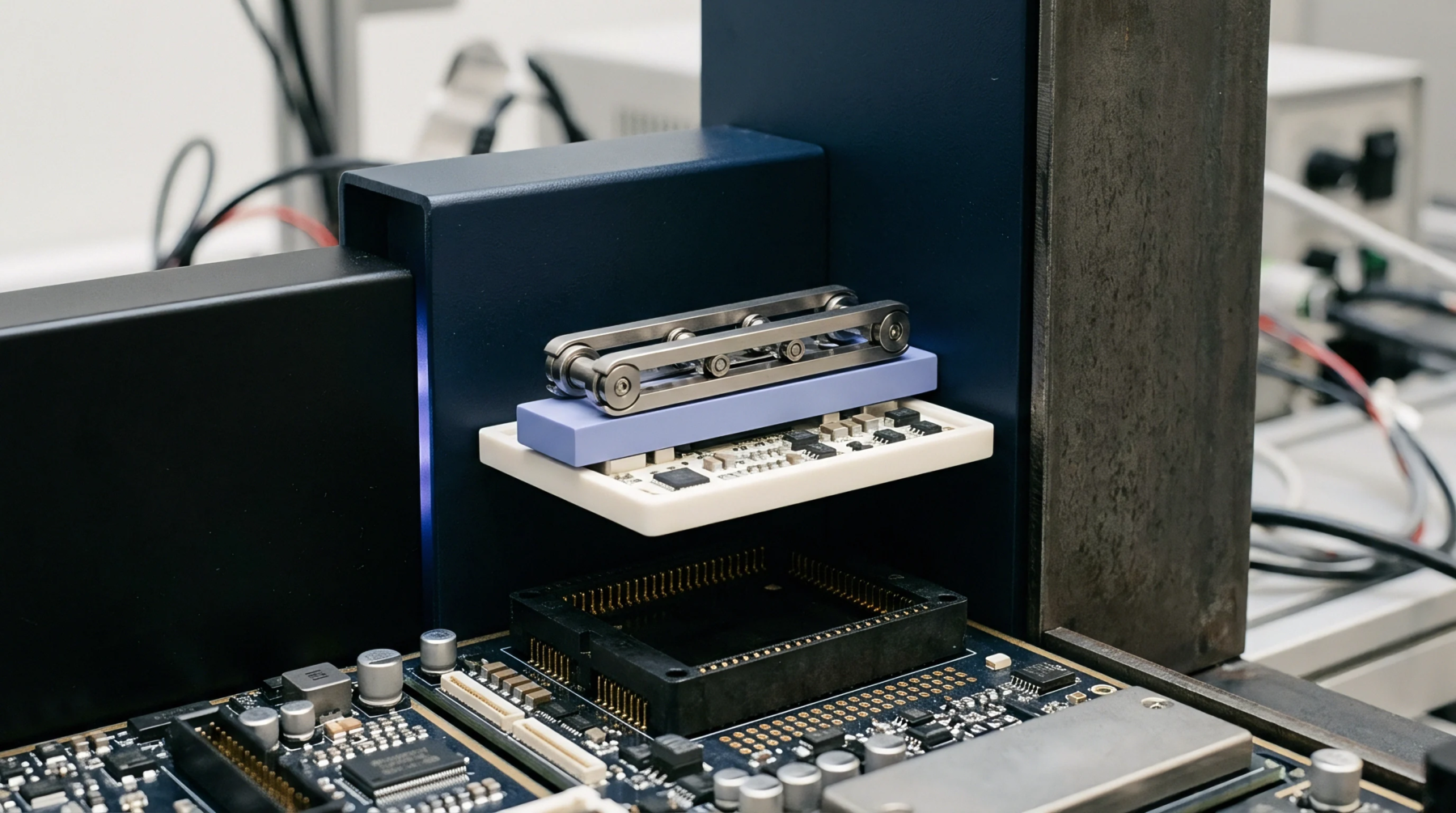
Permissive Change Filing Timelines for Software Defined Radio Receiver Parameters
Software changes to SDR receiver parameters alter local oscillator emissions and blocking, dictating 3-to-12-week permissive change filing lead times.
Software changes to SDR receiver parameters alter local oscillator emissions and blocking, dictating 3-to-12-week permissive change filing lead times.
Class Three Permissive Changes demand prior SDR classification and an airtight KDB 594280 declaration proving signed code isolates RF operational parameters.

Class One permissive changes for transceiver firmware require internal verification testing that proves output power, bandwidth, and emissions remain within original grant limits.

Maintain Class II authority over closed-source modules by executing a Change in ID to secure an independent grant, then filing host test data directly.
Host chassis material or layout changes require radiated spot-checks and a formal Class II Permissive Change filing whenever spurious harmonic levels degrade.
Altering modular radio host enclosures requires Class Two Permissive Changes when material shifts detune antennas or elevate radiated spurious emissions.
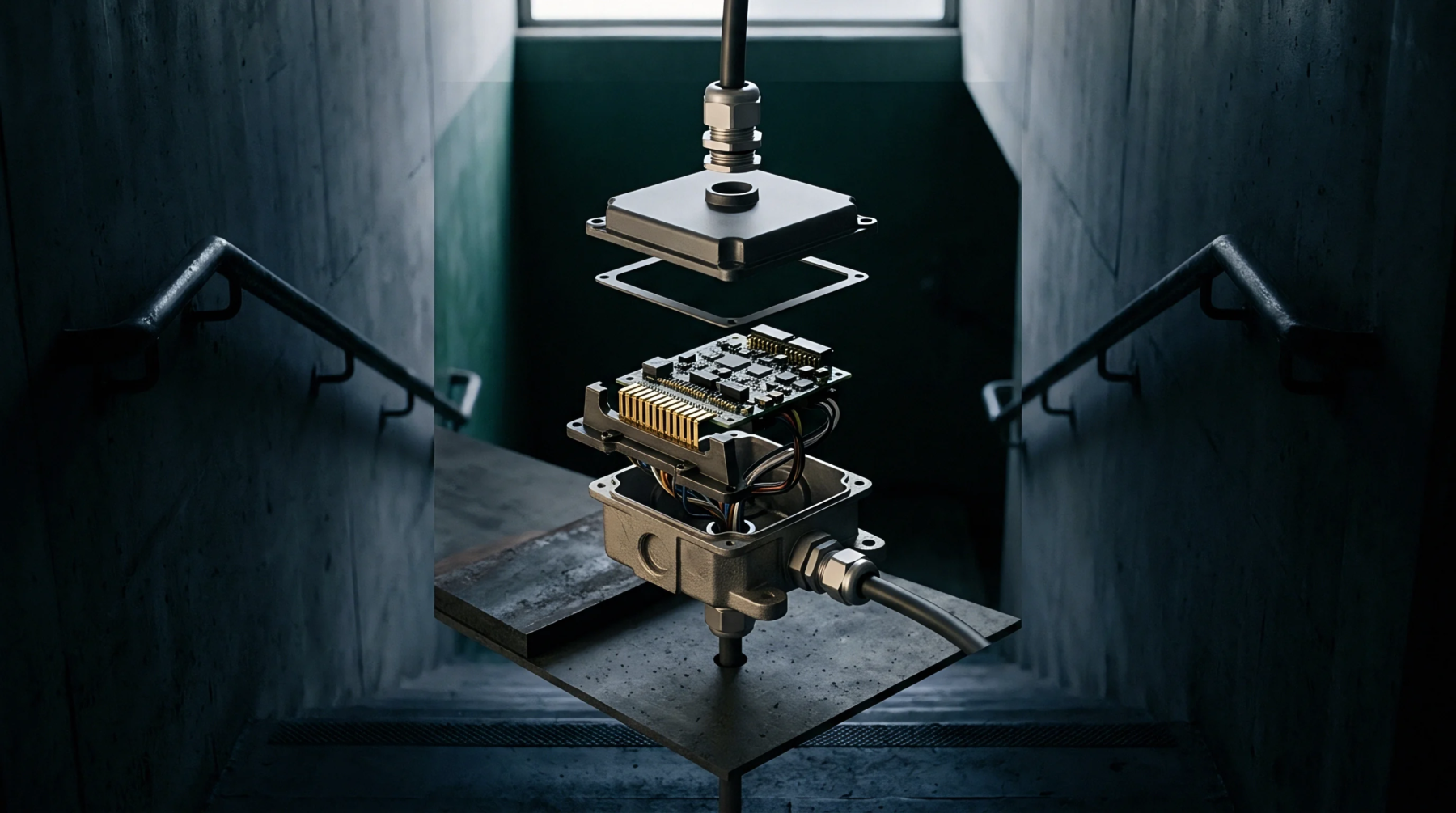
Encapsulating dual band antennas requires pre-tuning trace geometry to offset lower band and upper band dielectric loading shifts before molding.

Software updates altering RF output power, occupied bandwidth, duty cycle, or band limits exceed Class I limits and demand Class II or Class III filings.

Modular grant validity depends on maintaining strict antenna gain, separation distance, and trace impedance bounds within host product enclosures.
Adding potting compound to an unpotted RF module demands Class II permissive change re-testing if dielectric loading increases radiated spurious emissions.
Expertise is a utility, not a secret. sentiention™ publishes its working knowledge as open reference: intelligence layer covering the materials it sources, the markets it enters, and the reference that serves both.