Meaning
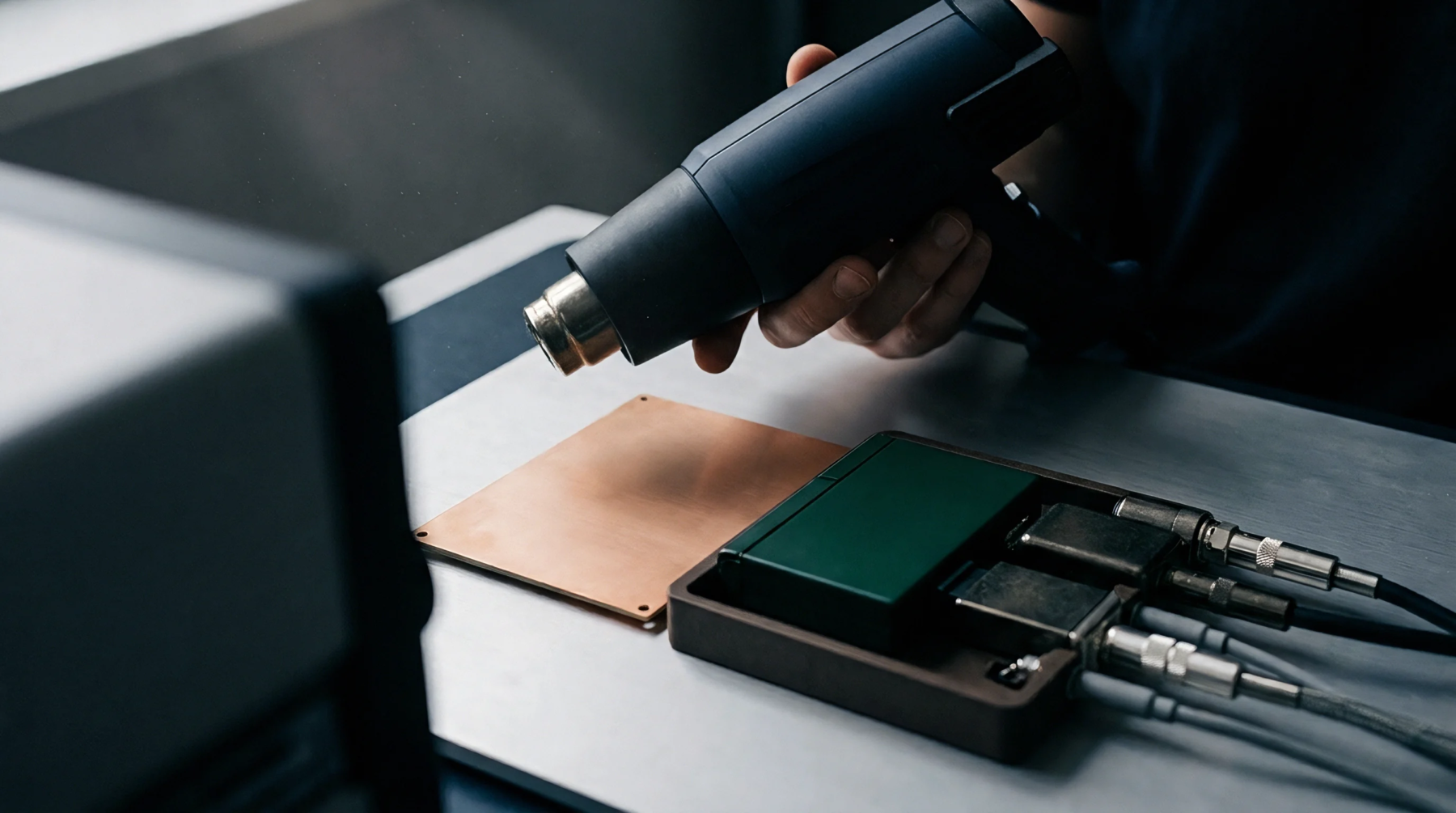
Synthetic material formulated to mimic the electrical and thermal properties of human tissue enables the accurate measurement of specific absorption rate during wireless safety testing. Using a tissue phantom allows engineers to simulate how radio frequency energy is absorbed by the human body when a mobile device is held close to the user. This simulation is required to verify that the device meets safety limits before it receives market authorization.
Material Composition
Mixtures of water, salt, and gelling agents are adjusted to achieve the target permittivity and conductivity at specific radio frequencies. The tissue phantom must be formulated differently for each frequency band to accurately reflect the electrical characteristics of muscle or brain tissue. These mixtures are regularly analyzed using coaxial probes to verify that their dielectric properties remain within standard tolerances.
Measurement Setup
Enclosures shaped like a human head or torso are filled with the formulated liquid to create the test setup for the robotic scanner. The device under test is placed against the outer surface of the tissue phantom while an automated e-field probe scans the interior of the liquid to map the absorbed energy. This automated process generates the specific absorption rate value used for compliance reports.
Sustained Performance
Evaporation of water from the liquid mixture alters the dielectric properties and invalidates subsequent test runs. Storing the tissue phantom in sealed containers and verifying its composition before each test sequence ensures the repeatability of the safety measurements. This rigorous control is essential for the laboratory to maintain its testing accreditation.