
Radiated Spurious Emissions Mitigation in Multi Radio System Design
Radiated spurious emissions in multi-radio designs demand aggressive board-level isolation and predictive intermodulation filtering to secure market approvals.
Radiated spurious emissions in multi-radio designs demand aggressive board-level isolation and predictive intermodulation filtering to secure market approvals.
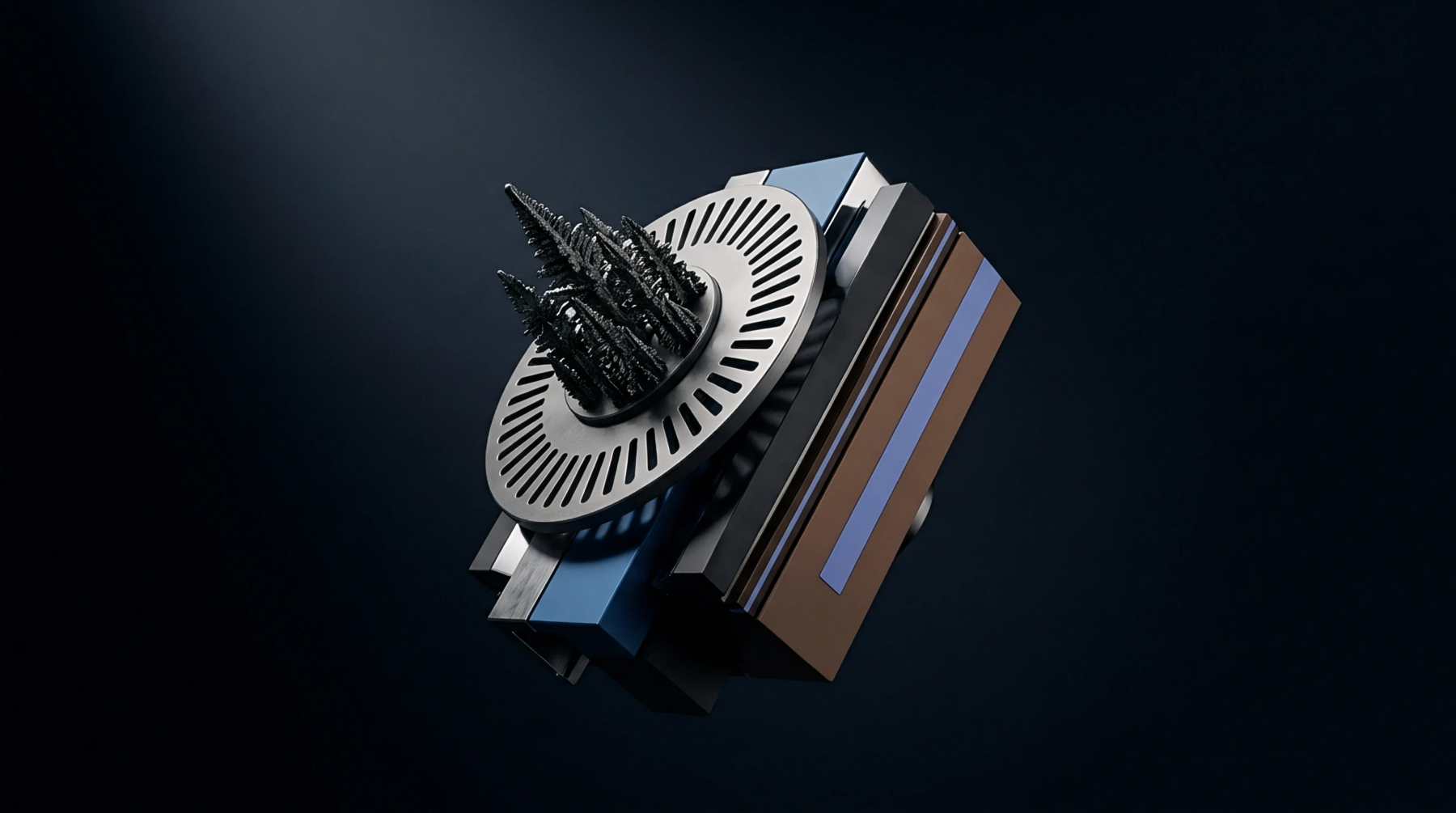
Plastic deformation at 100 GHz contact asperities expands effective skin depth and adds up to 1.8 dB flange loss, collapsing sub-THz radio link margins.
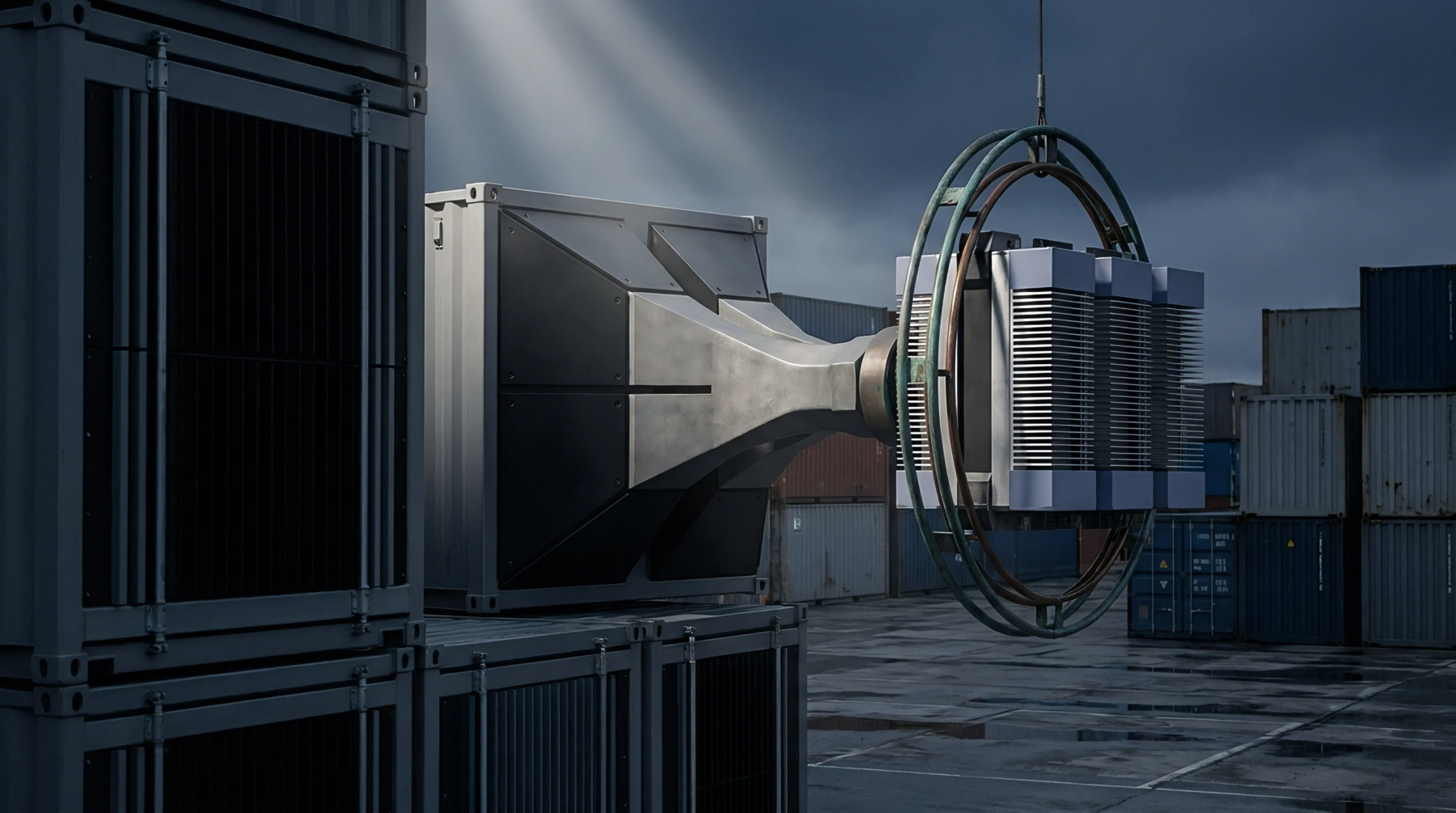
Surface roughness forces high-frequency current through isolated micro-asperities, increasing contact resistance and insertion loss as skin depth shrinks.
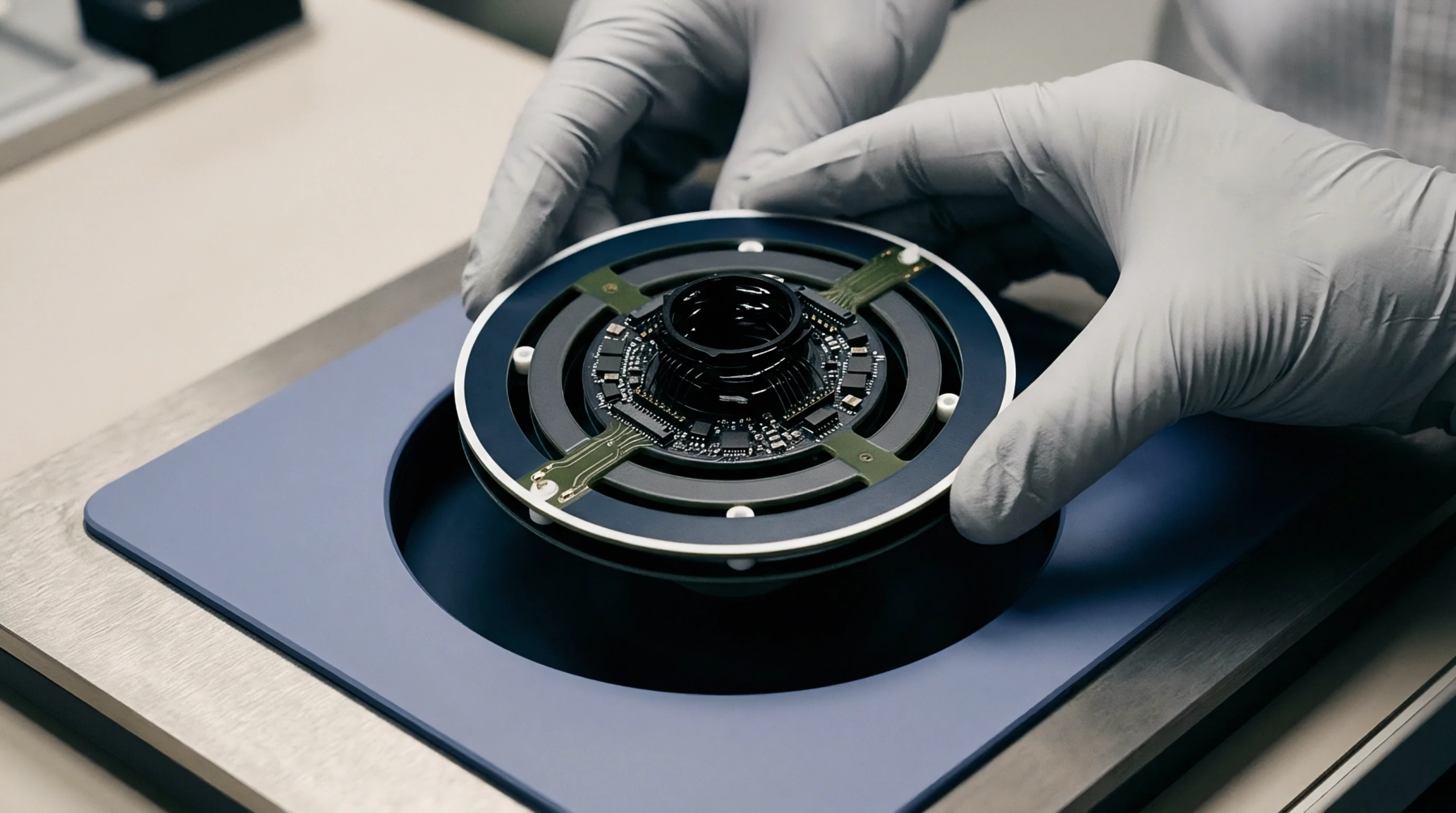
Minimum antenna separation depends on transmitter power, receiver blocking thresholds, intermodulation mixing products, and regulatory simultaneous exposure ratios.
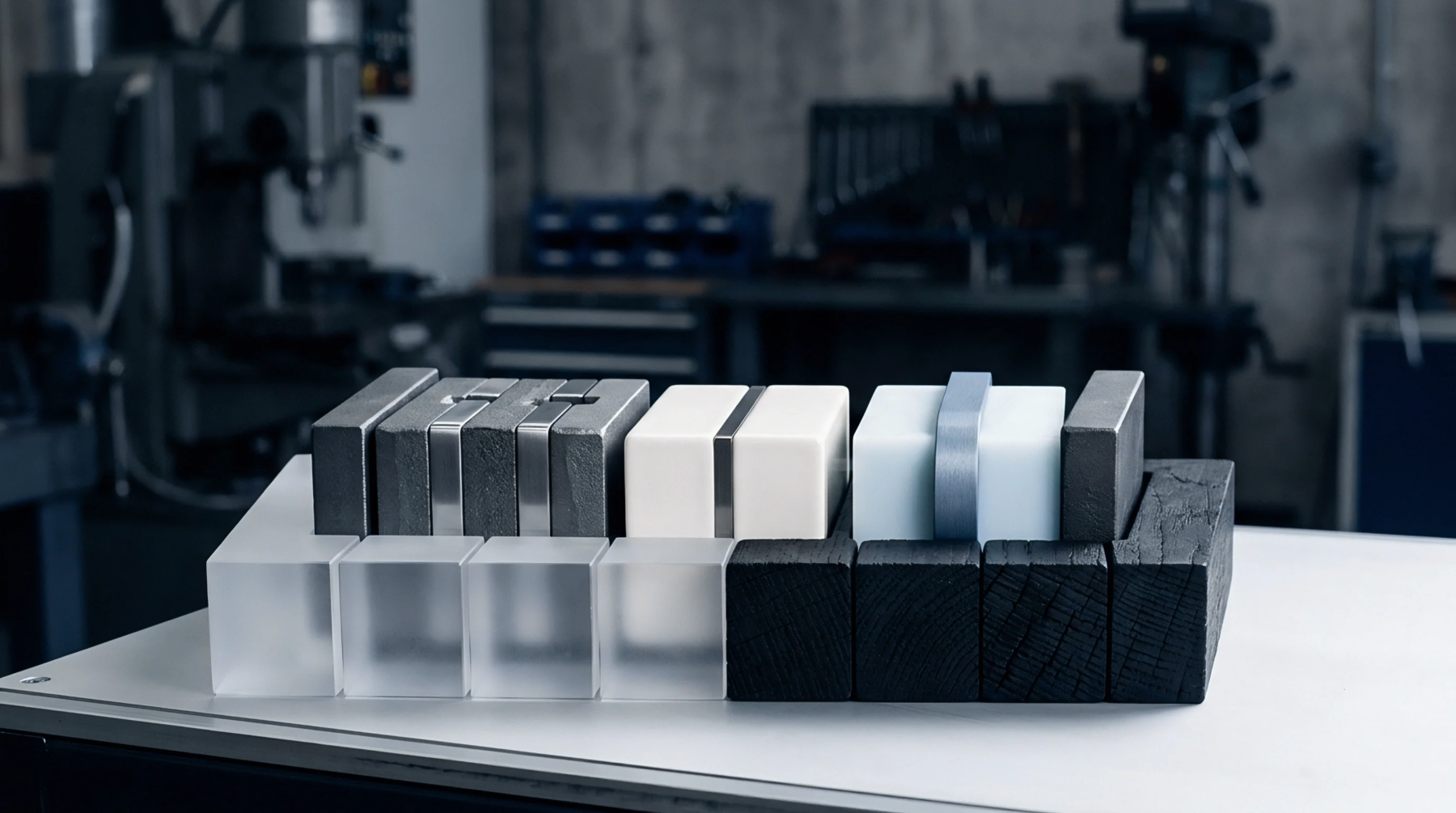
Suppress colocation intermodulation spurious emissions in tight metallic enclosures by combining high-rejection PA filters with lossy magnetic cavity absorbing sheets.
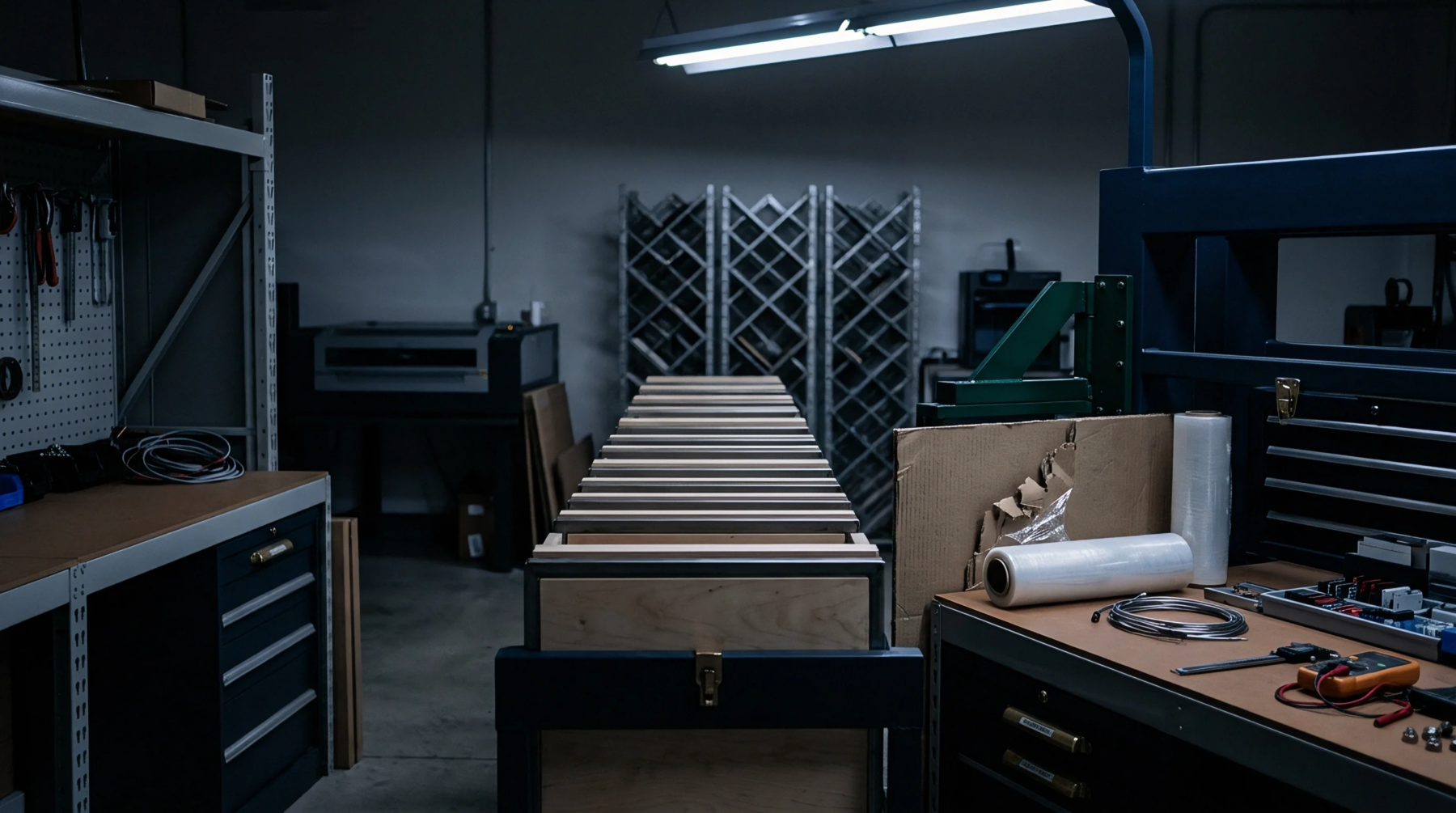
Co-located radio Class II Permissive Changes demand radiated intermodulation scans and exposure summation when transmitter antennas sit within 20 cm.
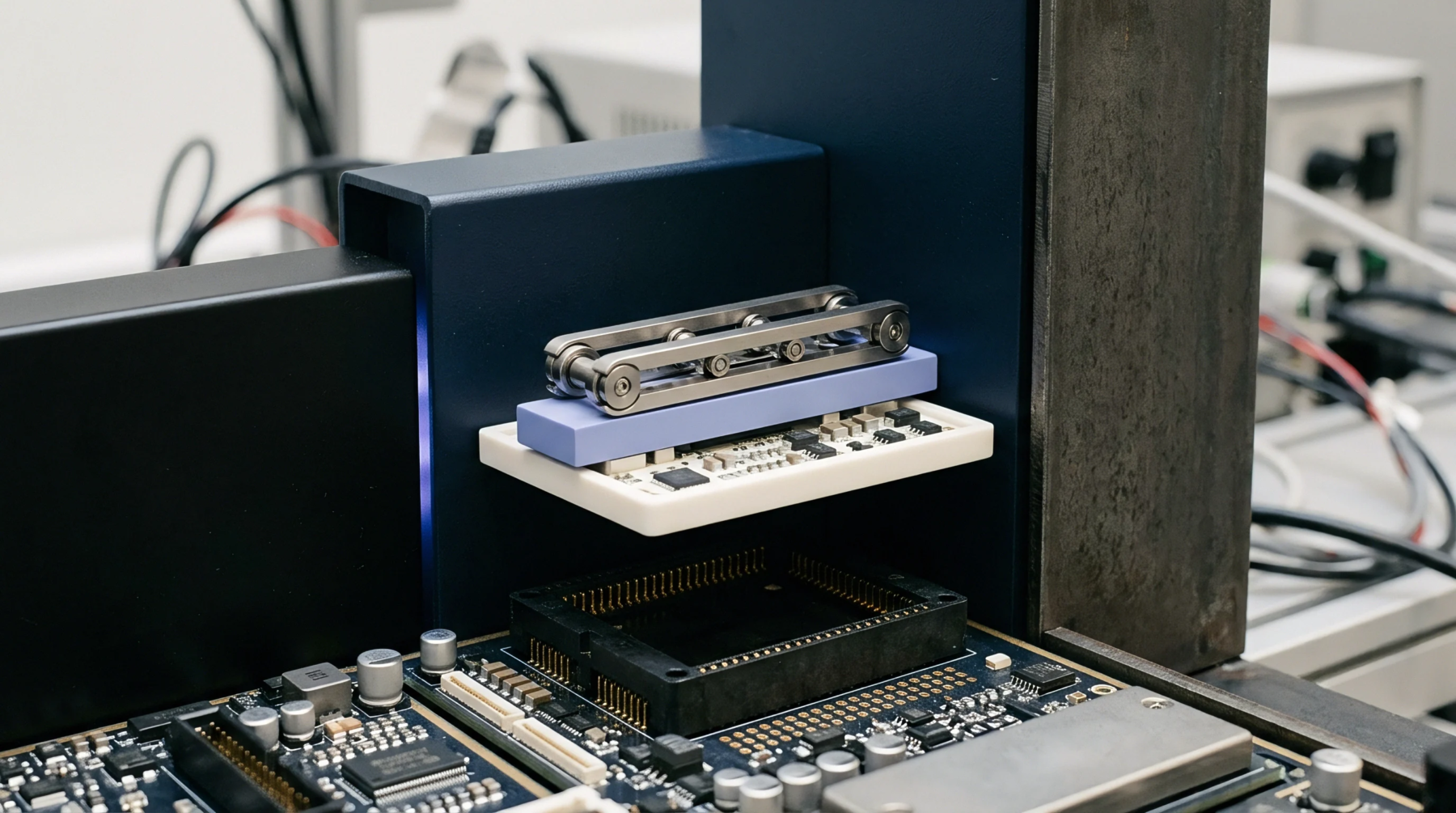
Contact oxide growth adds up to 3 dB insertion loss in RF interconnects, degrading link margin and driving retransmissions unless wiping force exceeds 0.3 N.

Resolving multi-radio intermodulation spur failures requires board-level filtering, 20 dB antenna isolation, and verified Class II permissive change filings.
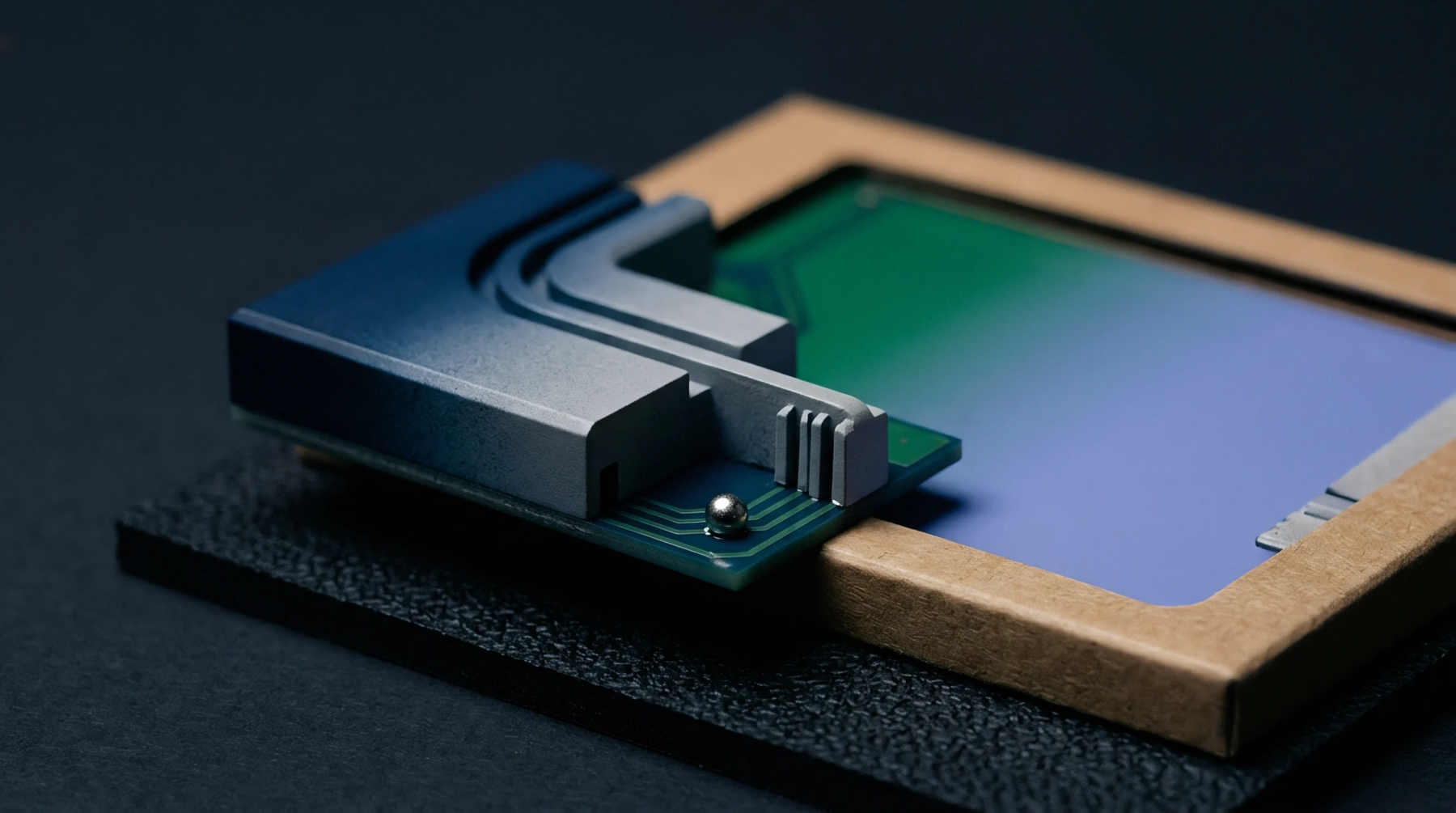
Interfacial native oxides create non-linear quantum tunneling barriers across RF contacts, generating passive intermodulation that degrades receiver sensitivity.
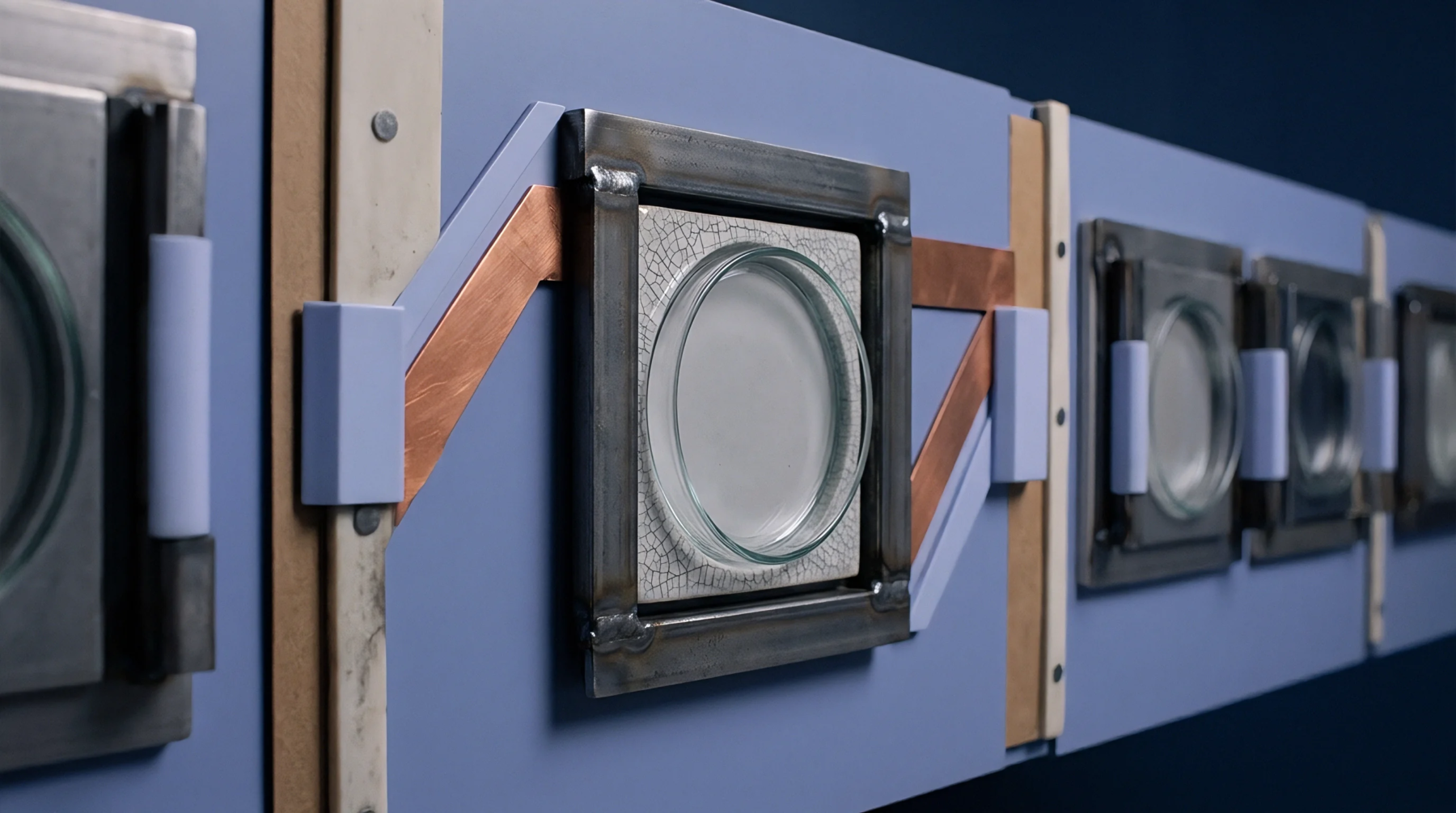
Dense multi transmitter hosts require mathematical modeling and chamber isolation of intermodulation products to prevent compliance rejections across global regulatory filings.

Resolving host-integrated radiated spurious discrepancies requires systematic decoupling, strict ground continuity, and precise co-location testing.

Micro-asperity tunneling across oxide barriers drives dynamic intermodulation shifts in millimeter-wave test sockets, demanding strict scrub and force control.
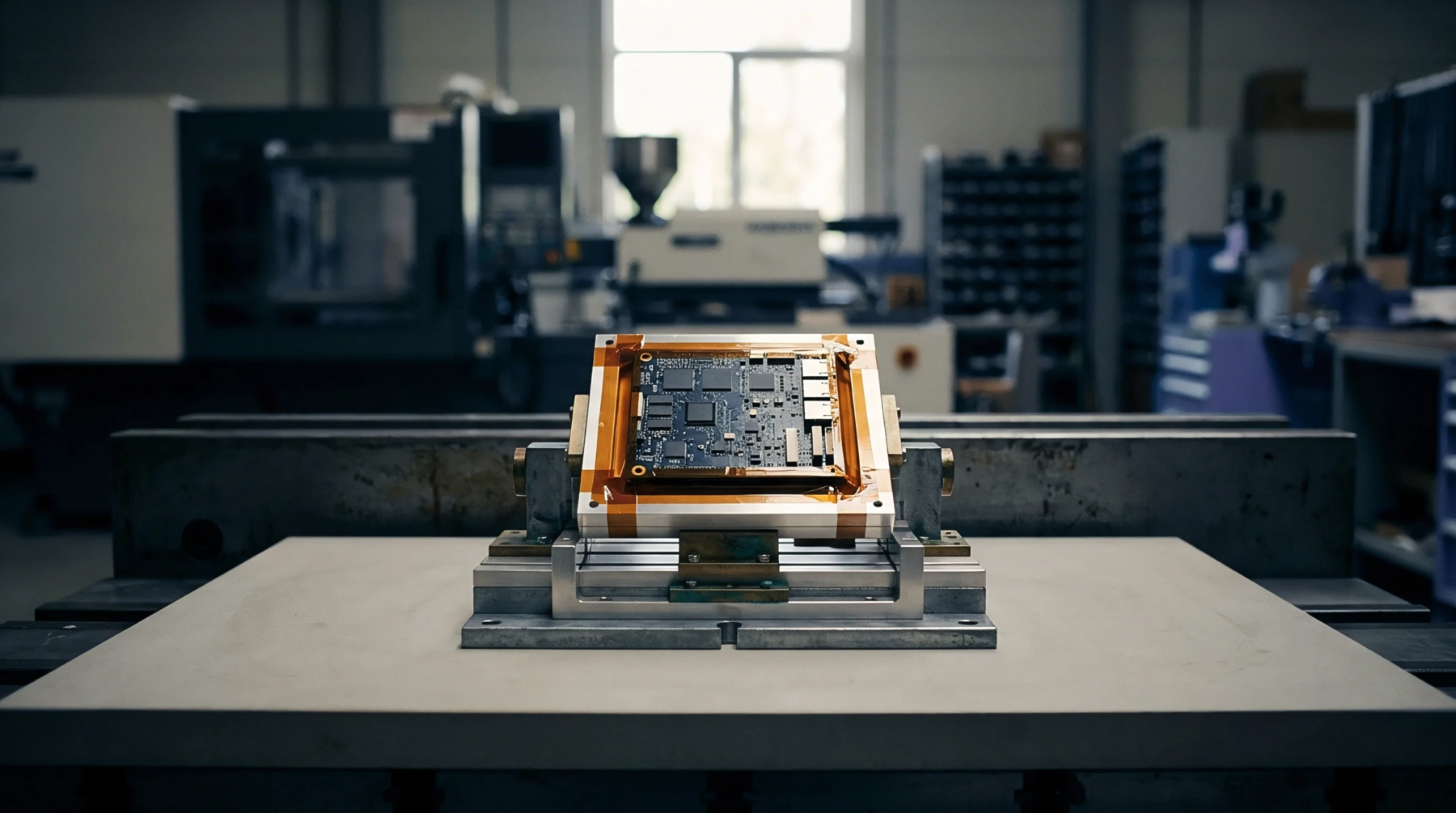
Host level re-testing for multi-transmitter industrial embedded devices requires evaluating simultaneous transmission intermodulation products inside a semi-anechoic chamber whenever antenna separation drops below 20 cm.
Expertise is a utility, not a secret. sentiention™ publishes its working knowledge as open reference: intelligence layer covering the materials it sources, the markets it enters, and the reference that serves both.