Meaning
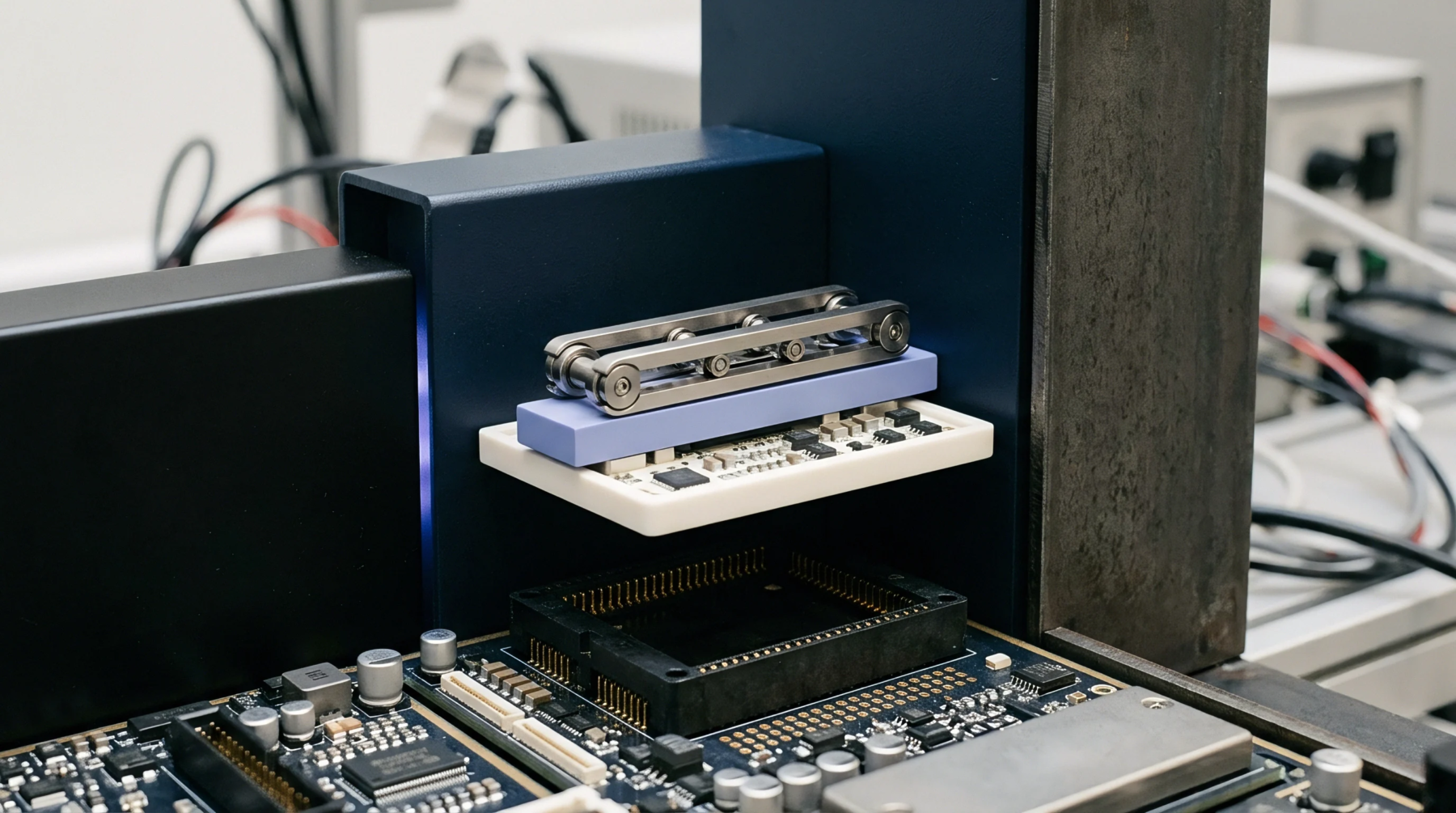
Signal attenuation in radio frequency connectivity modules occurs when transmission power drops across a junction because part of the energy reflects backward or dissipates as heat. Power ratio calculations in decibels determine this property during the factory qualification test sequence before any antenna board leaves the production line. Radio frequency engineers establish these baseline measurements on a vector network analyzer during the component design validation phase to verify that maximum power transfers through the feedline into the radiating element without thermal overload.
Thermal Budget
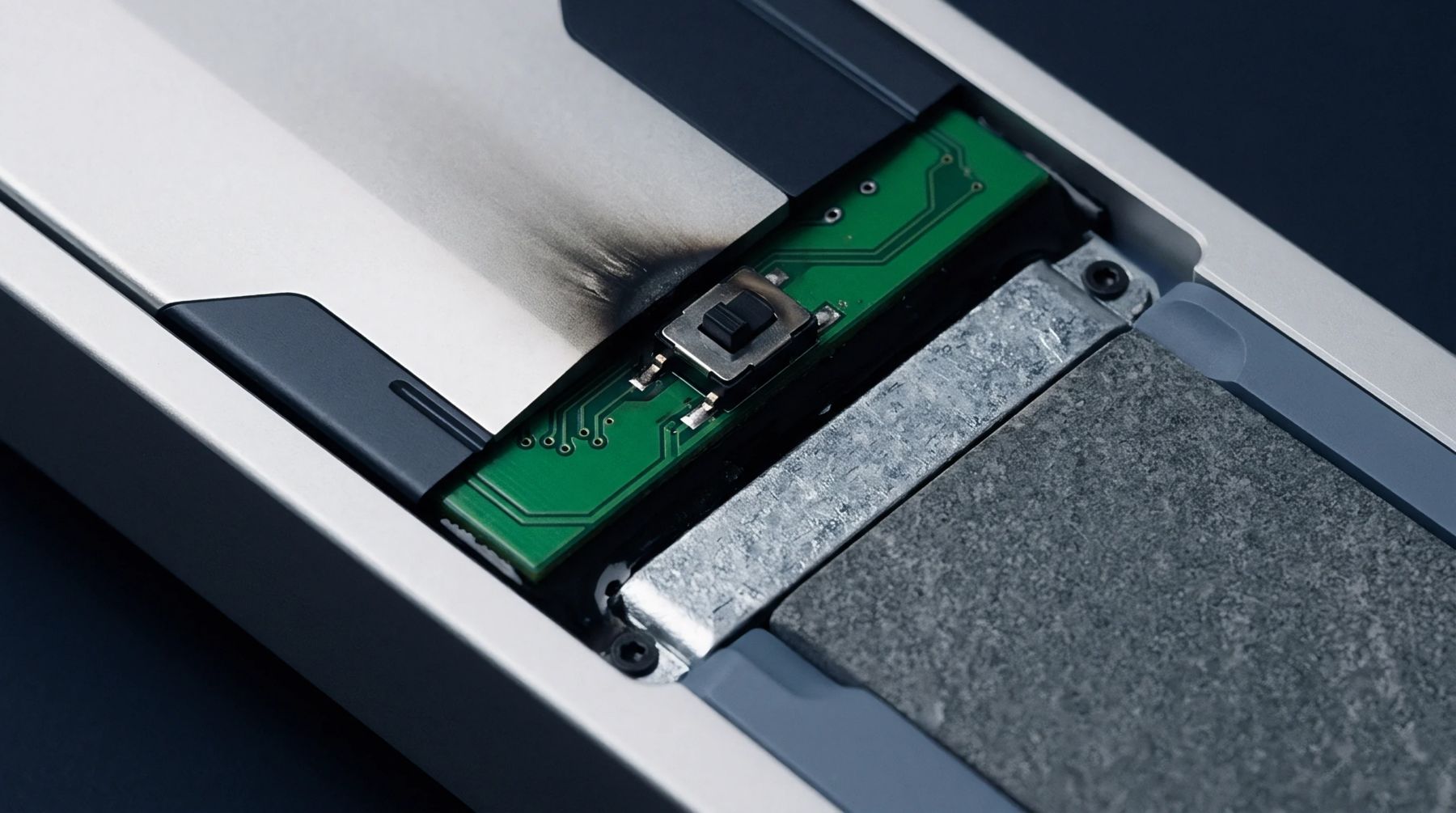
Heat dissipation inside tightly sealed transceiver enclosures links directly to the dB loss generated at the connector interface. High radio frequencies concentrate energy near conductor surfaces, causing localized temperature spikes that alter the dielectric constant of the circuit board material. Operating currents flow through metallic traces, and excessive resistance at the mechanical joint converts electrical energy into thermal stress.
Component ratings guarantee performance up to specific wattages, but system thermal limits demand lower loss margins to prevent premature degradation of surrounding solder joints.
Interface Tolerance
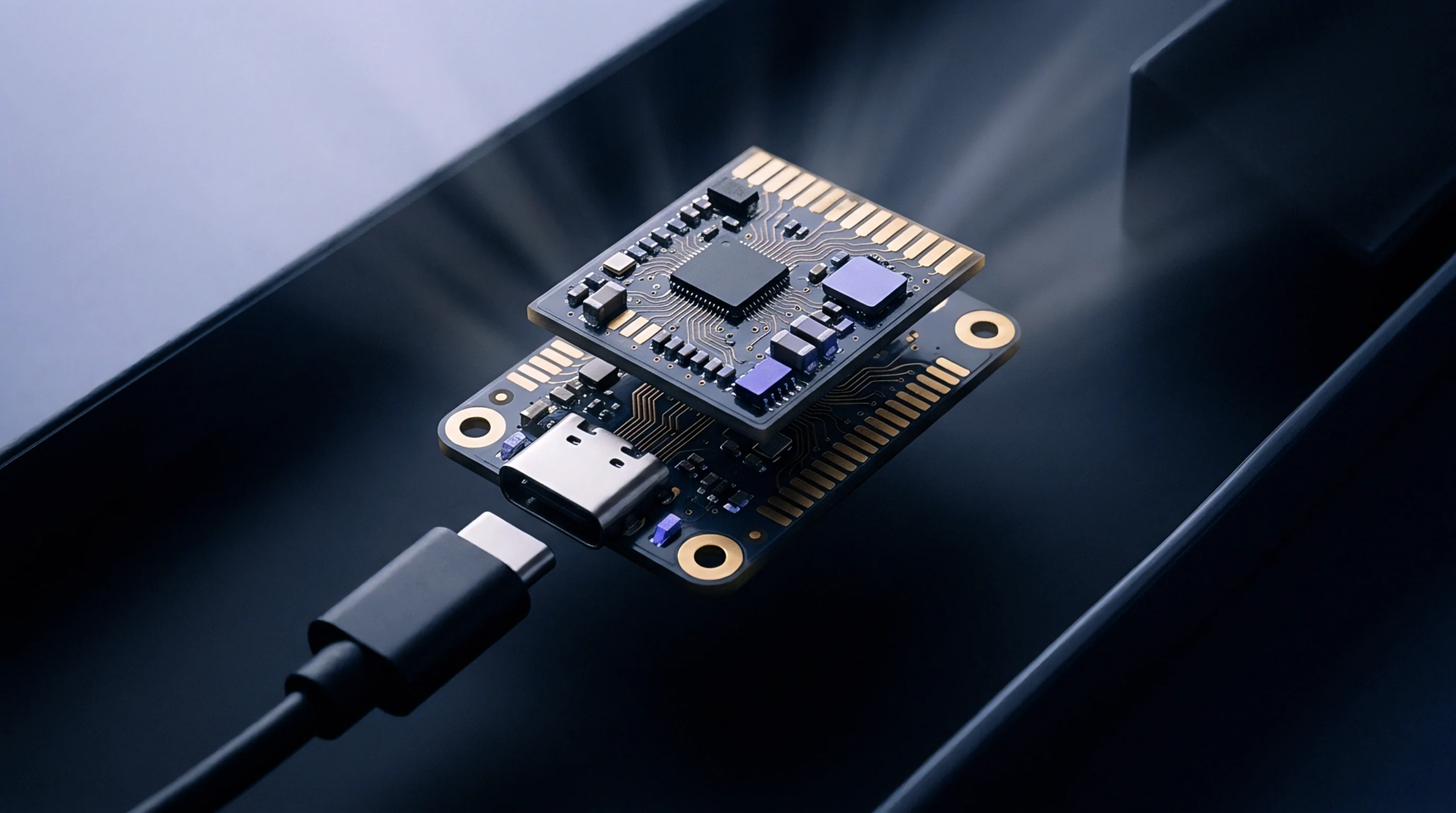
Mechanical mismatch between mating coaxial pins introduces air gaps that interrupt current flow and degrade high frequency performance. Manufacturing variances in thread depth or pin diameter alter the contact pressure inside the mated housing, creating parasitic impedance anomalies. Buyers verify supplier compliance certificates against incoming physical inspection records to ensure dimensional consistency across every production lot.
Assembly qualification proceeds only after connector alignment passes mechanical gauge tests confirming uniform contact across the mating surface.
Production Verification
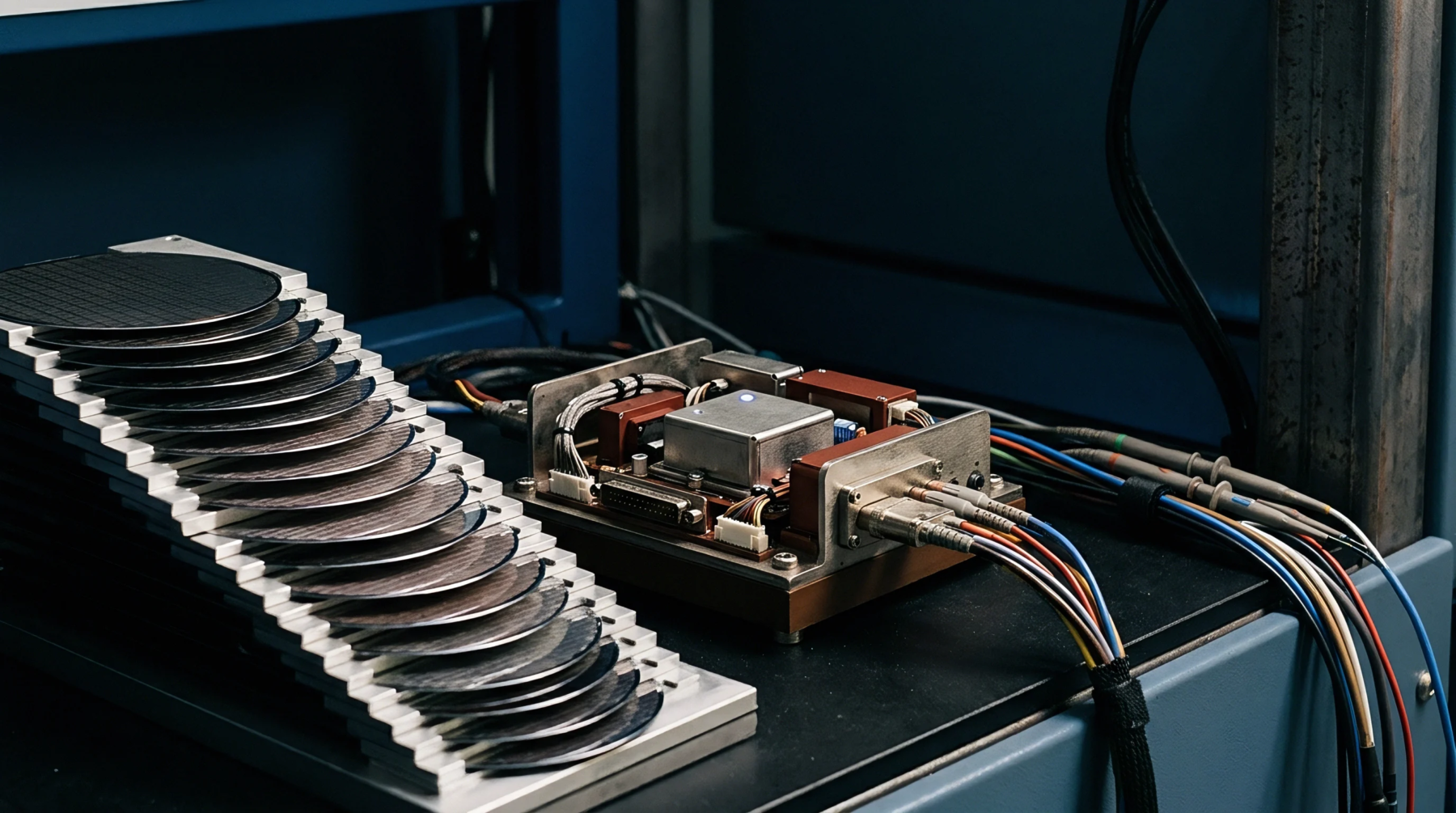
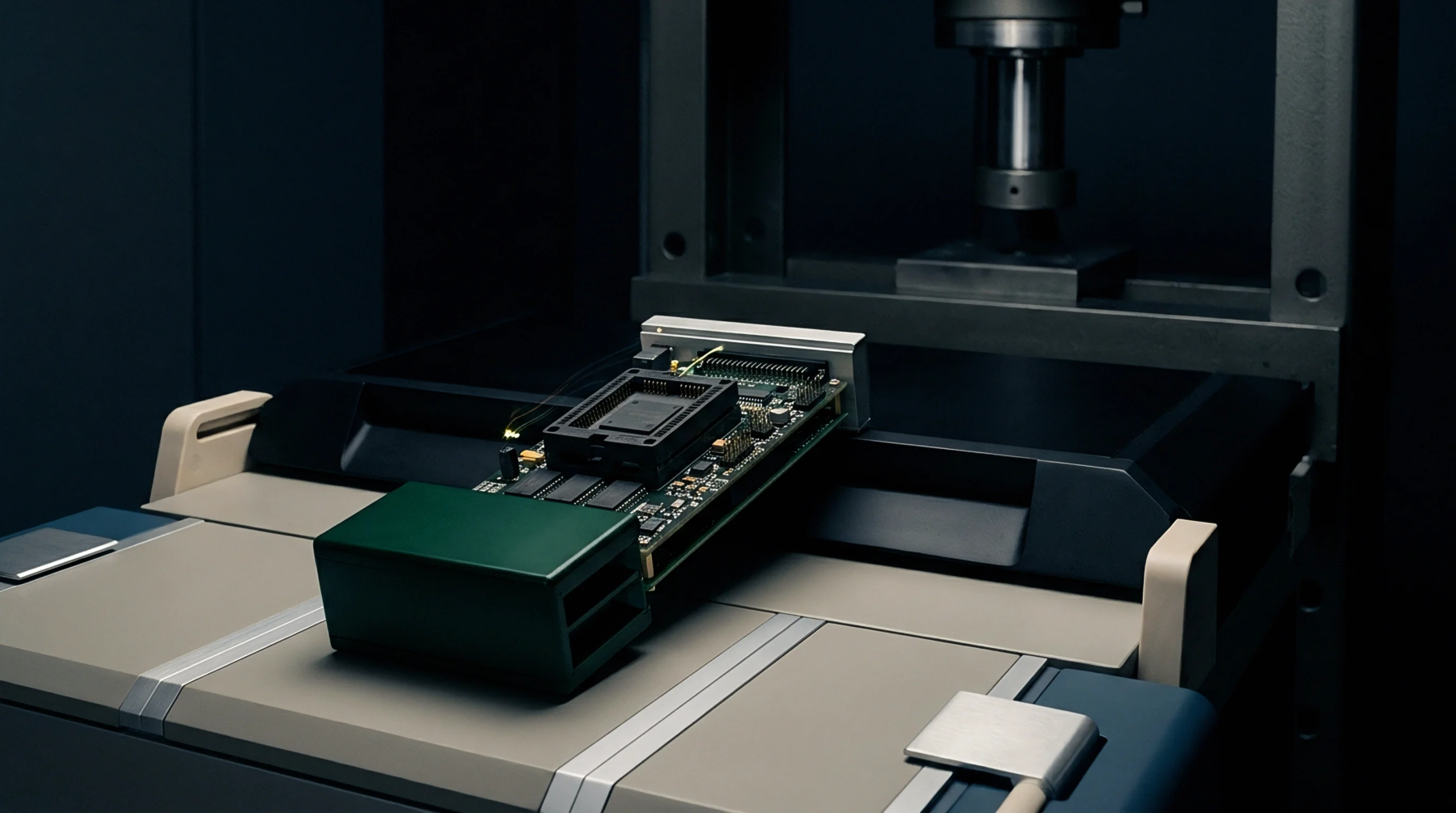
Vector network analyzer sweeps executed at the end of the manufacturing line confirm that every assembled radio module meets the predefined attenuation ceiling before packaging. Test operators compare measured decibel values against the engineering specification sheet, rejecting any batch that exceeds the maximum allowable threshold. Final inspection documentation records these exact performance metrics to satisfy customer quality audits and guarantee compliance with radio frequency emission standards.