
Asperity Contact Resistance Decay in High Volume Automated Module Sockets
Asperity degradation increases socket contact resistance, driving false test failures during power bursts and RF calibration on automated module assembly lines.
Asperity degradation increases socket contact resistance, driving false test failures during power bursts and RF calibration on automated module assembly lines.

Surface roughness elevates RF contact impedance by shrinking real metal contact area and forcing current paths over microscopic peaks exceeding skin depth.
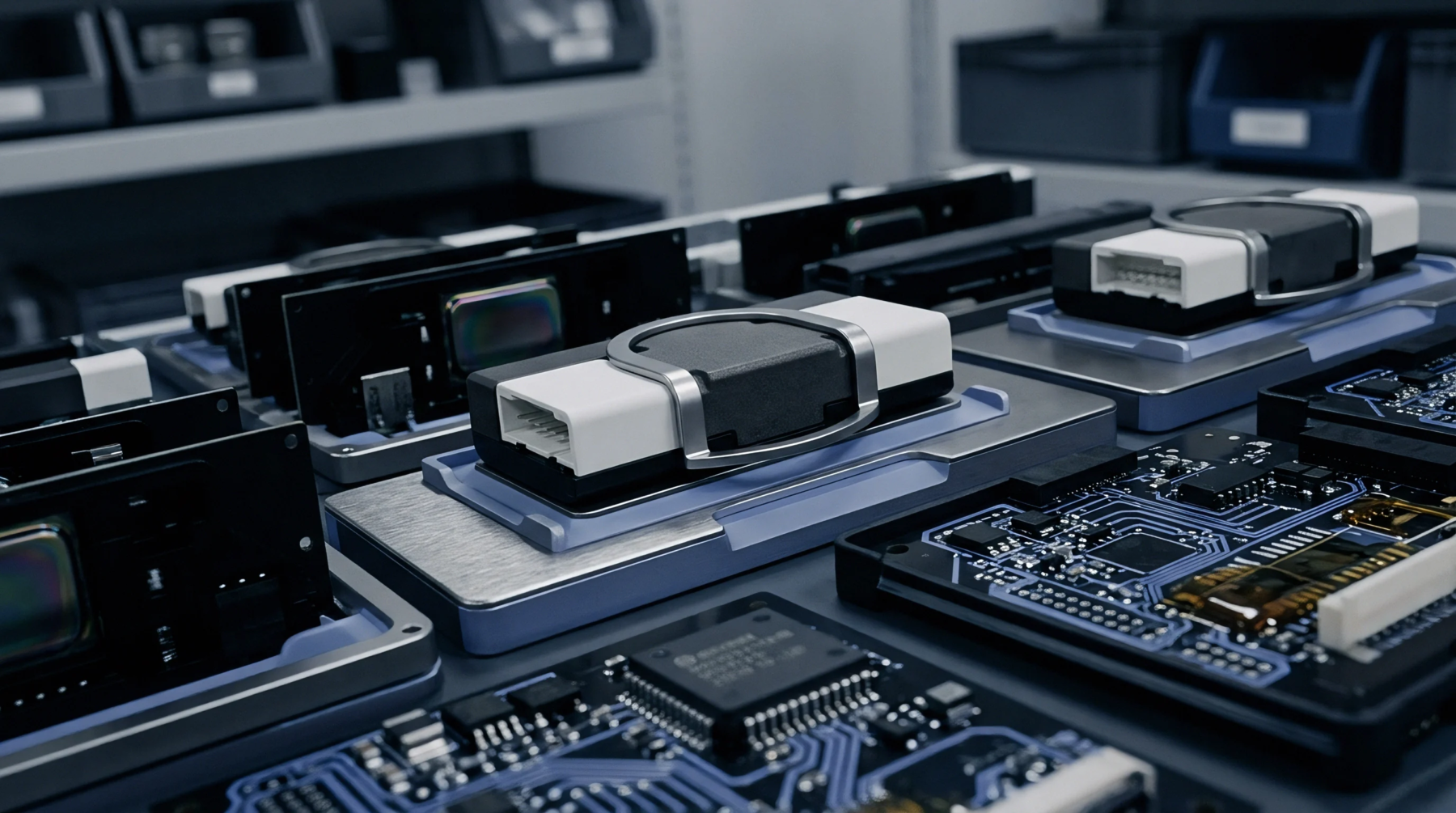
Managing cross-fabricator high-frequency stack-up equivalence requires controlling copper surface roughness, glass weave pitch, and press cured height tolerances.

Dynamic hand loading increases tuner insertion loss and circulating current, converting power amplifier output into heat under severe mismatch states.
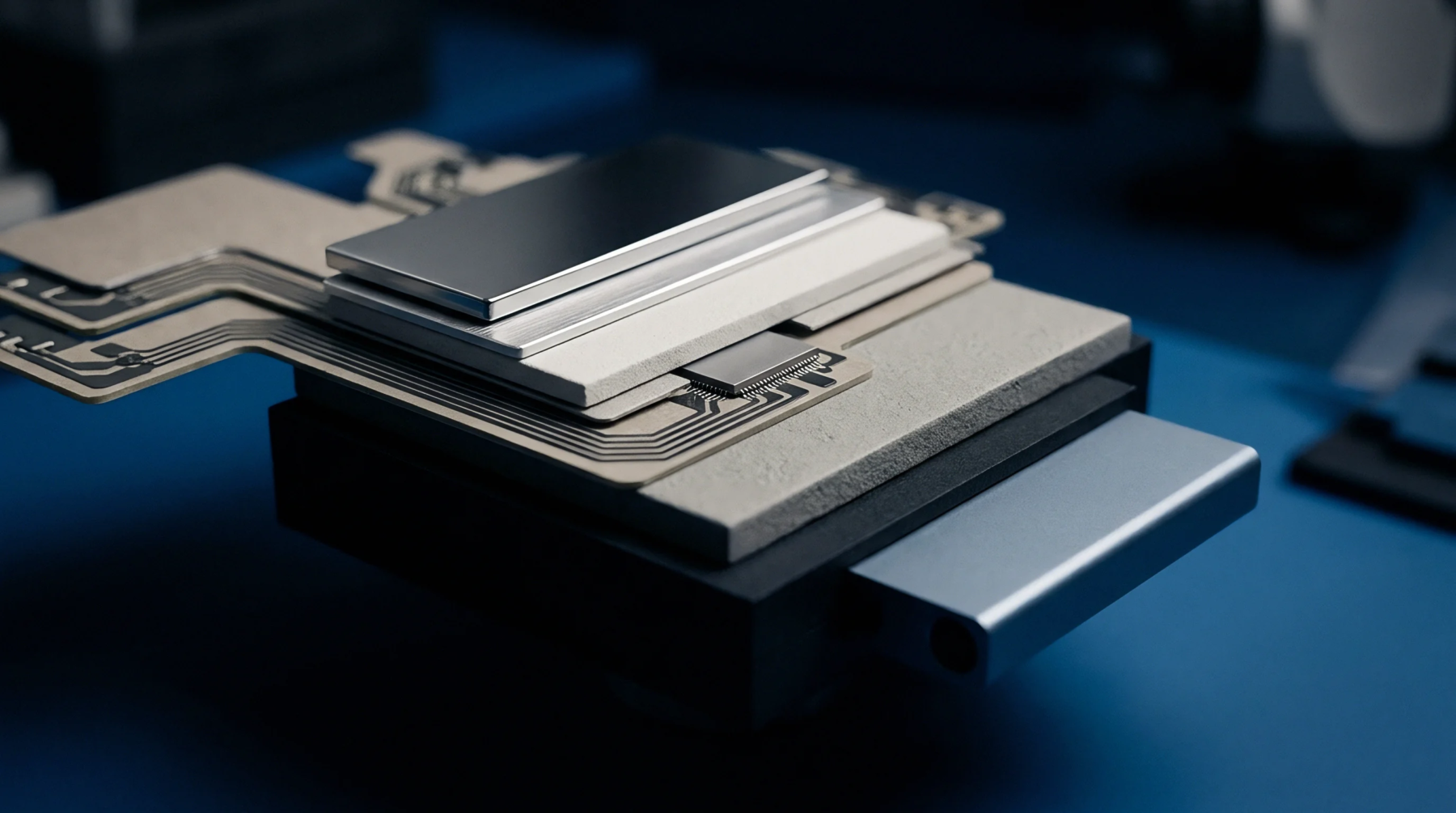
Sub-GHz adaptive antenna matching insertion loss scales with tuning element series resistance and network Q factor, requiring load-pull budget optimization.

Antenna detuning shifts impedance away from fifty ohms, forcing power amplifiers to pull excess drain current and reducing battery lifespan during packet transmission.
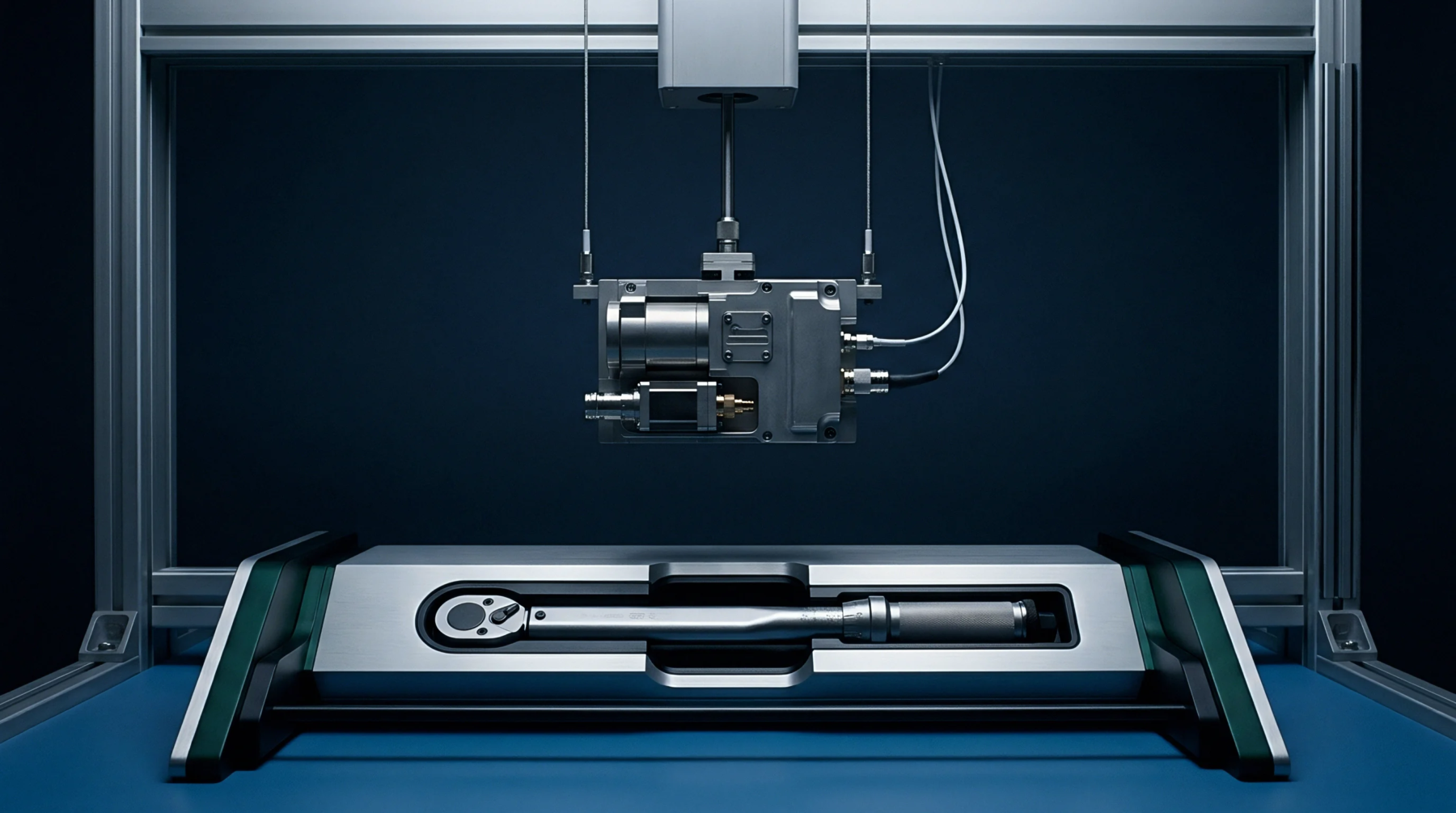
De-embedding high-frequency S-parameters on production lines requires IEEE 370 2x-thru calibration, automated fixture removal, and continuous contact wear tracking.

Reconciling multi-vendor laminate inventories requires automated extraction of glass weave pitch and resin content to adjust routing angles and prevent skew failure.

Embedding secondary laminate substitution matrices inside IPC 2581 files prevents unapproved shop floor material swaps and protects high-speed signal integrity.

Structure supply agreements to assign all qualification labor, tooling, and recertification costs to suppliers for unforced process modifications.

Closed-loop digitally tunable capacitor networks restore power amplifier load matching, preventing voltage collapse and extending degraded battery life.

Neutral file transfers in high-frequency board designs require IPC-2581 or ODB++ schemas to retain stackup, arc geometry, and netlist integrity.

Mitigating thermal and RF discontinuities in high-density module packages requires non-solder-mask landing geometries, strict voiding caps, and audited IPC-2581 data.

Controlled impedance stackup verification requires explicit material callouts, coupon TDR testing, and IPC-compliant drawing notes to hold 50-ohm traces.

Atomic layer deposition films quench dangling bonds and establish field-effect charges, lowering interface trap density to preserve sub-GHz RF sensitivity.
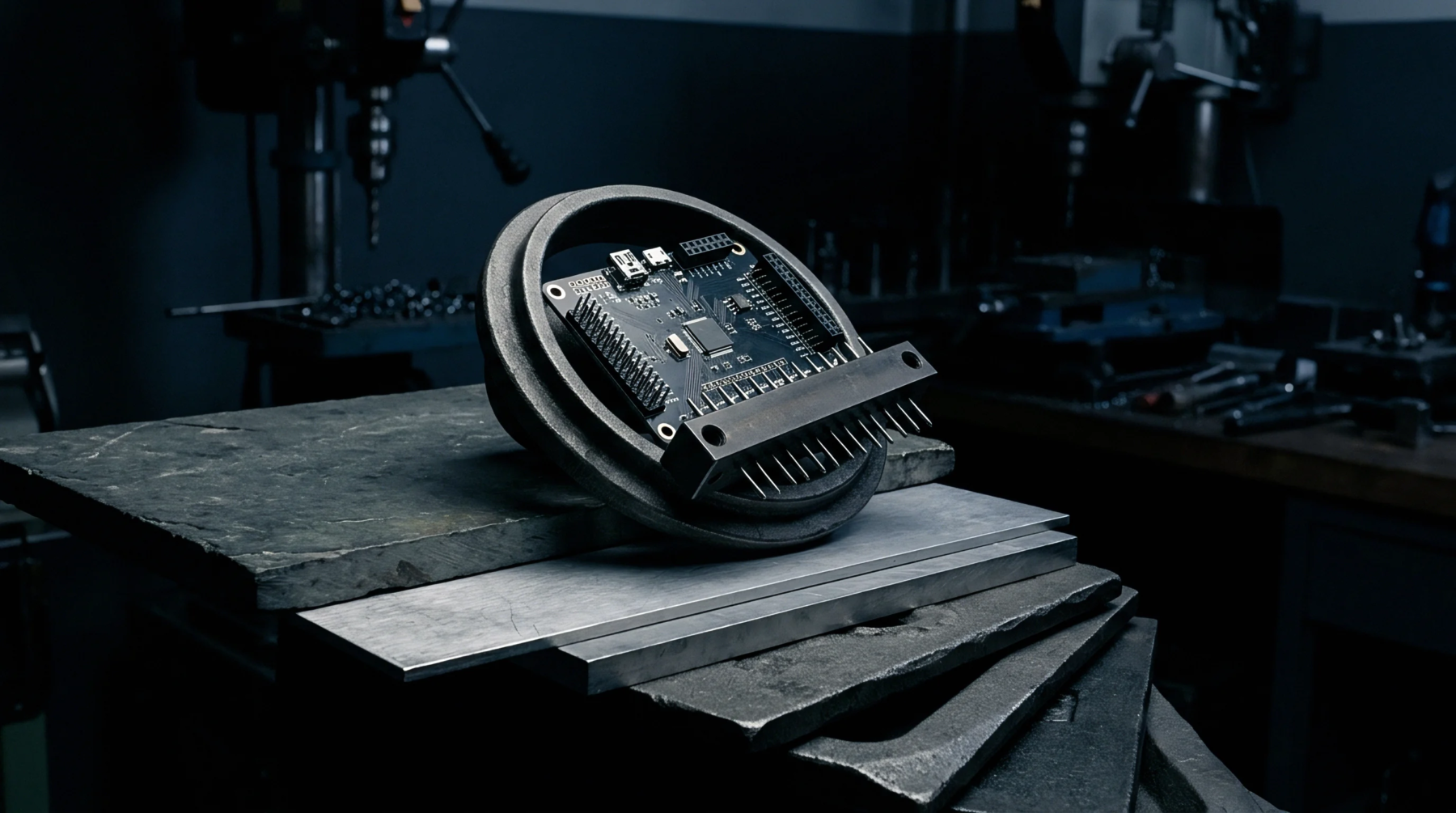
Thermal budgets over 1000 C destroy polysilicon trap layers in RF SOI, collapsing resistivity to 100 ohm-cm and elevating antenna switch harmonic emissions by 20 dB.
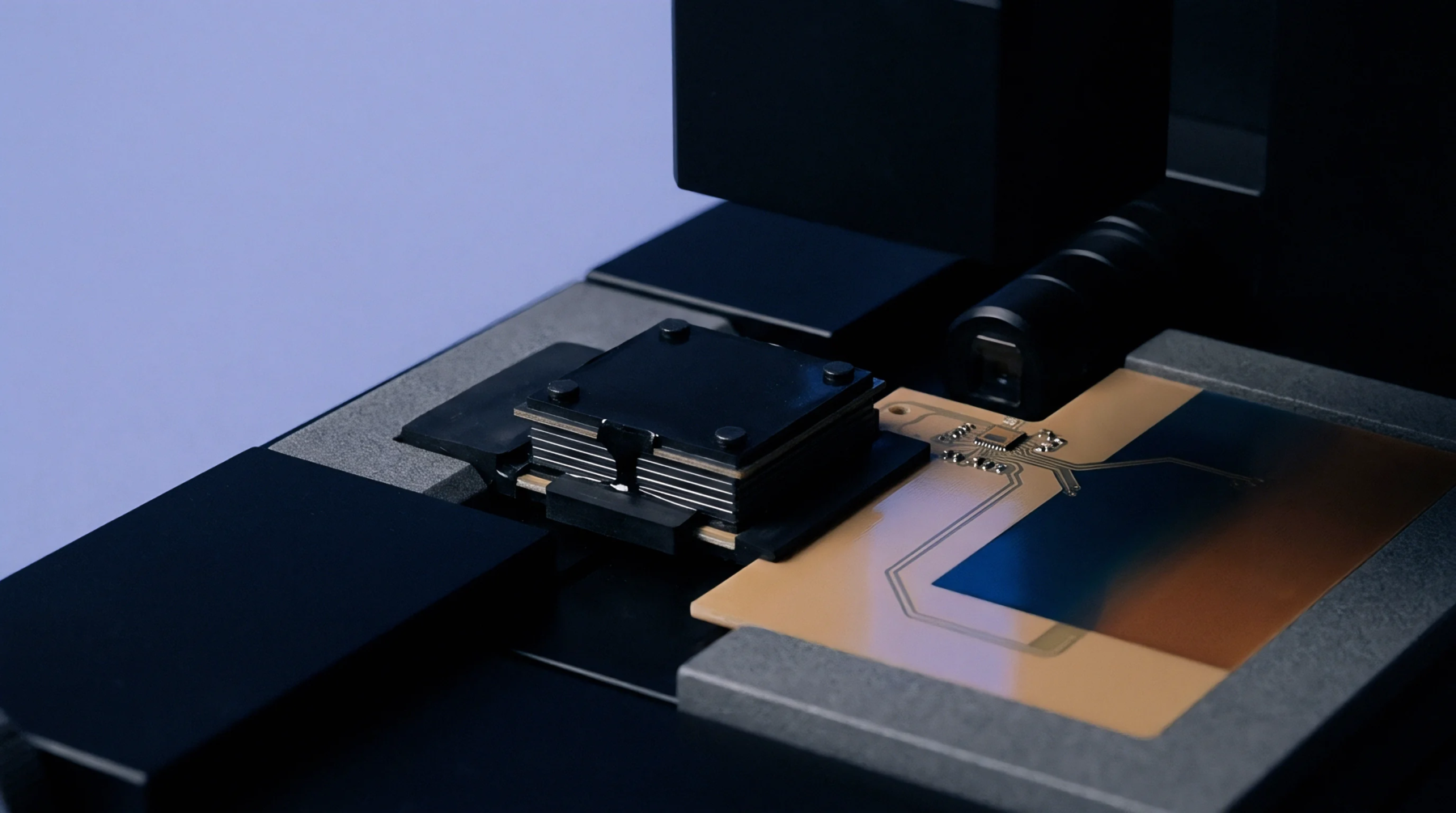
Kinematic drift in multi-axis test stations stems from thermal gradients and contact fretting, demanding hardened seats and active vision recalibration.

Substrate surface inversion layers degrade high-resistivity silicon RF linearity and switch isolation unless trapped charges pin the interfacial Fermi level.

Thin contact oxides introduce parallel capacitive bypass paths over constriction resistance, creating steep frequency-dependent loss shifts at gigahertz bands.

Mechanical fatigue in test contactor plungers diverts high-frequency currents into internal springs, inflating parasitic inductance and triggering false scrap.
Intermetallic growth at high frequency pin interfaces increases surface resistance and insertion loss, degrading RF link margin across multi-gigahertz modules.

Initial contact resistance verification isolates test socket wear to prevent false radio parametric failures and secure accurate module production yields.

Unannounced frequency decrees turn compliant transceivers into unlawful contraband, causing compounding losses through inventory scrap, demurrage, and retesting.
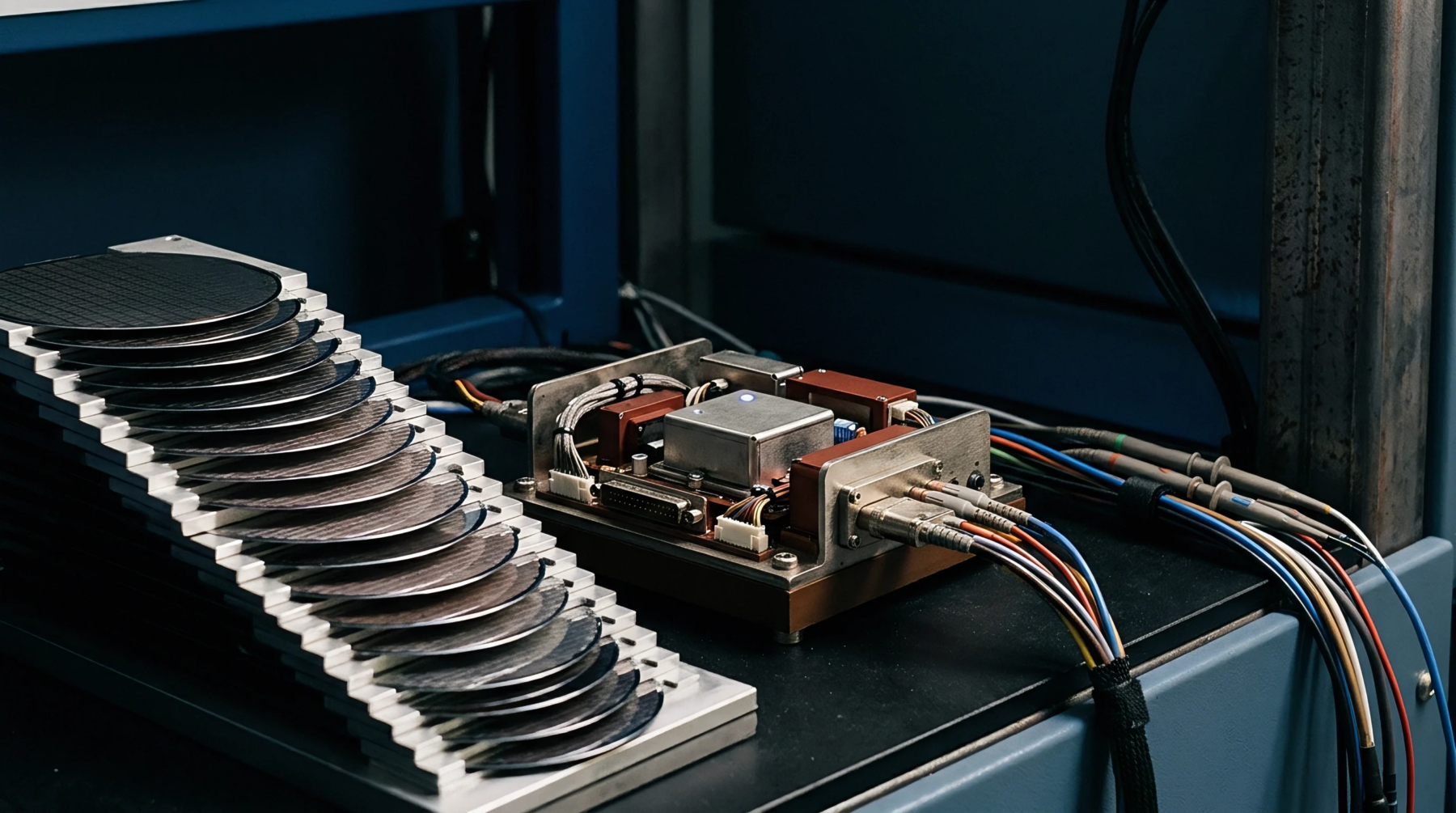
Trap-rich layers eliminate parasitic surface conduction in high-resistivity silicon, suppressing harmonic distortion and insertion loss in RF front-end modules.

Hydrolytic absorption increases dielectric permittivity and dissipation factor, stripping link margins via progressive microstrip attenuation.

Select low-loss hydrocarbon or hybrid substrates to prevent front-end attenuation, antenna detuning, and regulatory harmonic failures in sub-6 GHz modules.

High power radio transmitter harmonic suppression combines active stage symmetry, reactive notch traps, and absorptive diplexers to clear regulatory emission limits.
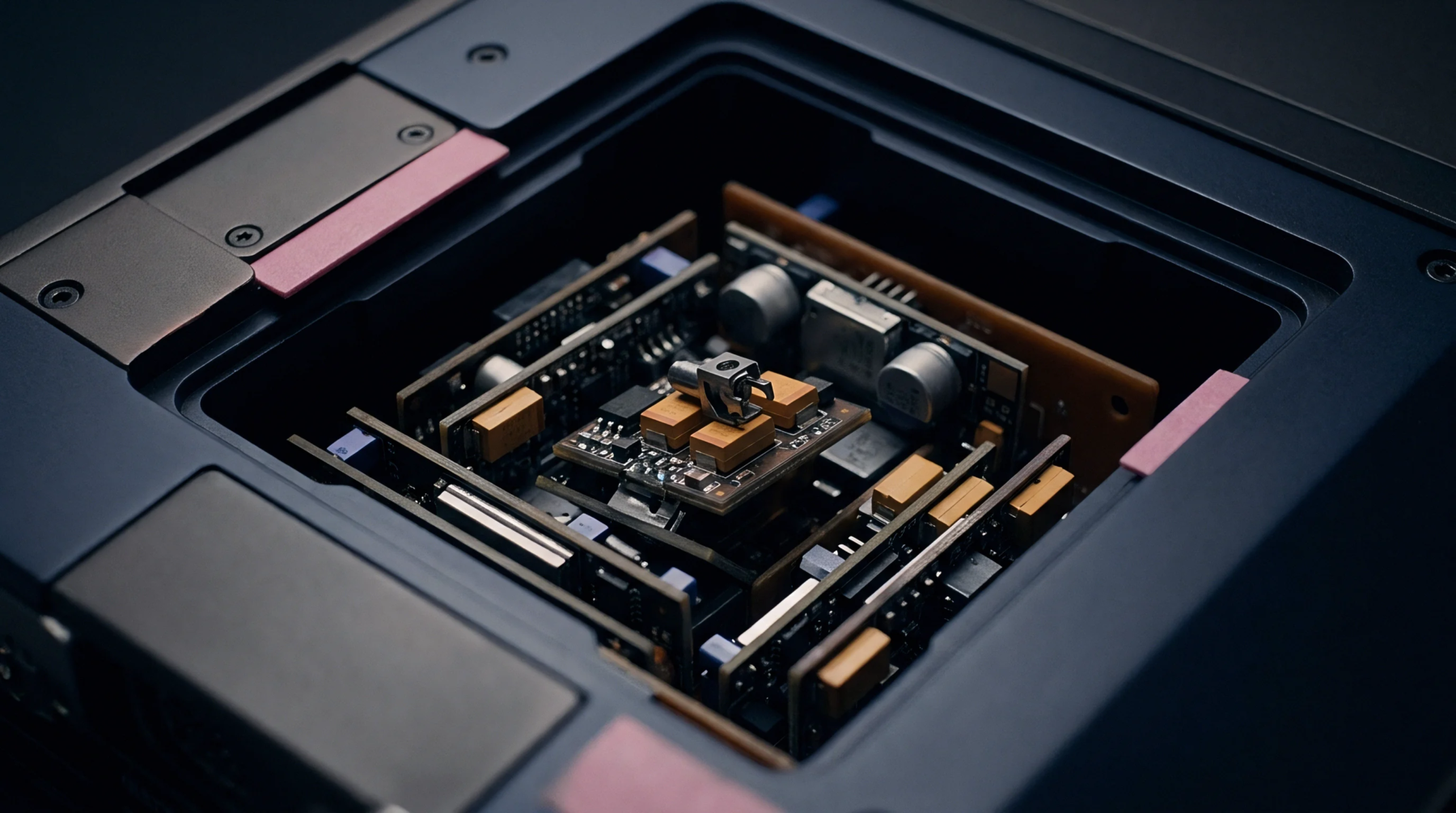
Regional sub-GHz power ceilings require harmonic filters balancing up to 71.2 dB rejection against insertion loss to preserve battery life and link margin.
Verify multilayer RF microstrip impedance using calibrated on-board TDR probing to reveal hidden etch and resin shifts that margin coupons routinely mask.

Sub-gigahertz selection pairs high link budgets with regional duty limits to pierce reinforced slabs without sacrificing multi-year battery lifespans.
Expertise is a utility, not a secret. sentiention™ publishes its working knowledge as open reference: intelligence layer covering the materials it sources, the markets it enters, and the reference that serves both.