Meaning
Radio frequency energy detection serves as the physical layer foundation for collision avoidance in half duplex wireless networks by allowing nodes to assess the medium before transmission. Carrier sense functions by monitoring the incoming signal power on a specific frequency band to determine if another transmitter currently occupies the shared bandwidth. Hardware components integrate this measurement into the medium access control logic to pause frames when the sensed energy exceeds a predefined noise floor or threshold.
Active monitoring prevents packet collisions during the transmission window, as the logic enforces silence until the channel returns to an idle state. Boundary conditions exist where hidden nodes remain undetected despite the active scan, leading to packet loss and degraded throughput in dense radio deployments.
Signal Evaluation
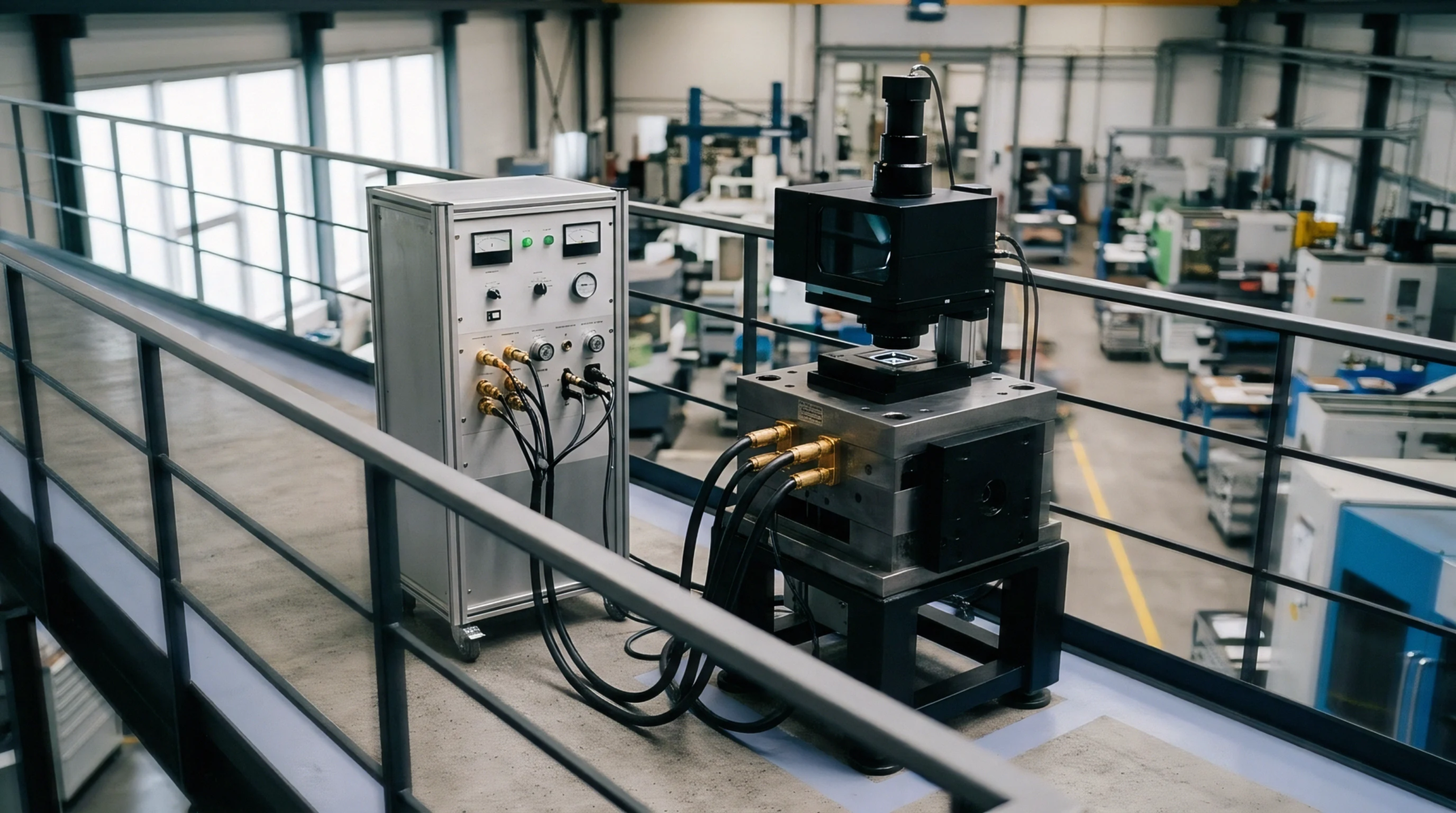
Engineers characterize this detection capability during the radio qualification stage of device production. A measurement system compares the incoming power levels against a calibration reference to ensure the radio hardware reacts accurately to the presence of external energy. If the detection threshold shifts due to thermal drift or component aging, the radio might falsely report a busy channel or fail to pause during genuine traffic.
Accurate calibration protects the total link budget from self inflicted interference caused by overlapping packet streams within the same coverage area. Designers define the sensitivity levels to align with regional regulatory standards that dictate maximum output power and duty cycle constraints. Testing confirms the radio sensitivity limits match the requirements for the intended operational environment without introducing latency into the communication handshake.
Collision Mitigation
Medium access protocols rely on this energy detection to manage traffic flow across multiple connected modules. Each station performs the scan before initiating any data broadcast to determine if the local link provides enough clear air time for the outgoing frame. If the scan returns a positive detection, the station waits for a random period to avoid synchronized retransmission attempts that create persistent network contention.
This mechanism ensures that high traffic periods remain organized rather than chaotic, as each node yields to the stronger local signal. Effective management of these wait periods directly influences the latency of control signals and the reliability of time sensitive data packets.
Performance Constraint
Radio hardware limitations define the efficiency of the channel sensing process in real world deployments. Integrated circuits provide a finite response time for the detector to toggle between energy detection states and logic operations. A slow response introduces a blind spot during the gap between the end of a transmission and the subsequent start of a new frame.
Systems compensate for these propagation delays by inserting inter frame spacing requirements that guarantee a minimum period of silence before any station starts a fresh transmission. High processing speed ensures that the detection mechanism remains responsive enough to track rapid bursts of traffic. Stable detection circuitry maintains consistent link throughput by preventing the premature termination of transmission attempts.