Meaning
Quartz plate orientation defines the oscillation frequency of electronic components by angling the slice precisely thirty five degrees and fifteen minutes from the vertical axis of the natural crystal lattice. This specific at-cut crystal geometry minimizes frequency drift across temperature fluctuations. Stability characterizes the output, which provides the reference signal for high frequency timing circuits and radio communication systems.
Thermal Stability
Linear frequency deviation over wide temperature ranges allows engineers to calibrate oscillator circuits without complex compensation loops. An at-cut crystal maintains its resonant properties through physical thickness shear vibration modes. Designers select these components for frequency control where environmental shifts occur frequently.
Performance stability decreases significantly if ambient temperatures exceed the specified operating range of the quartz material itself.
Mechanical Construction
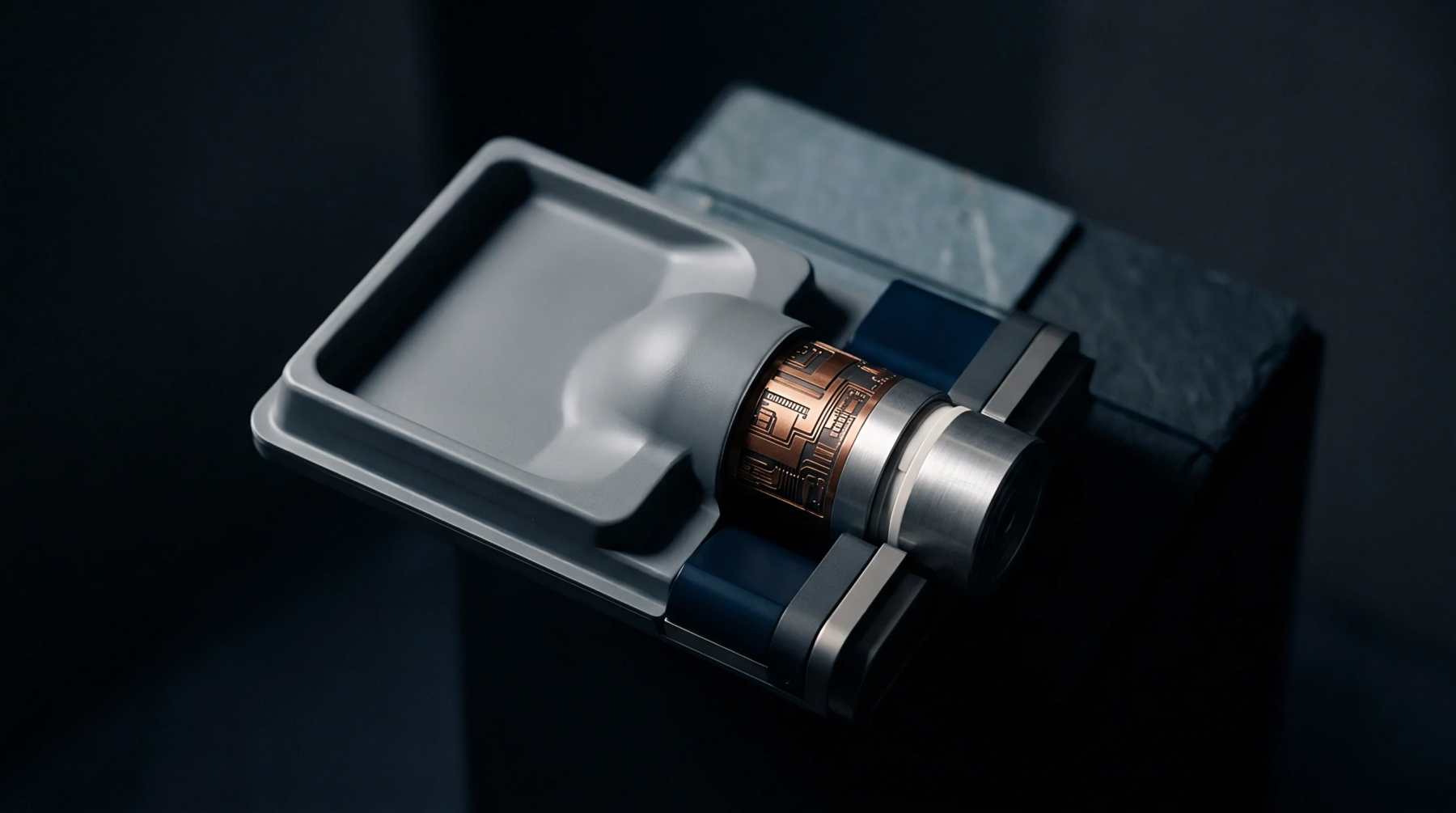
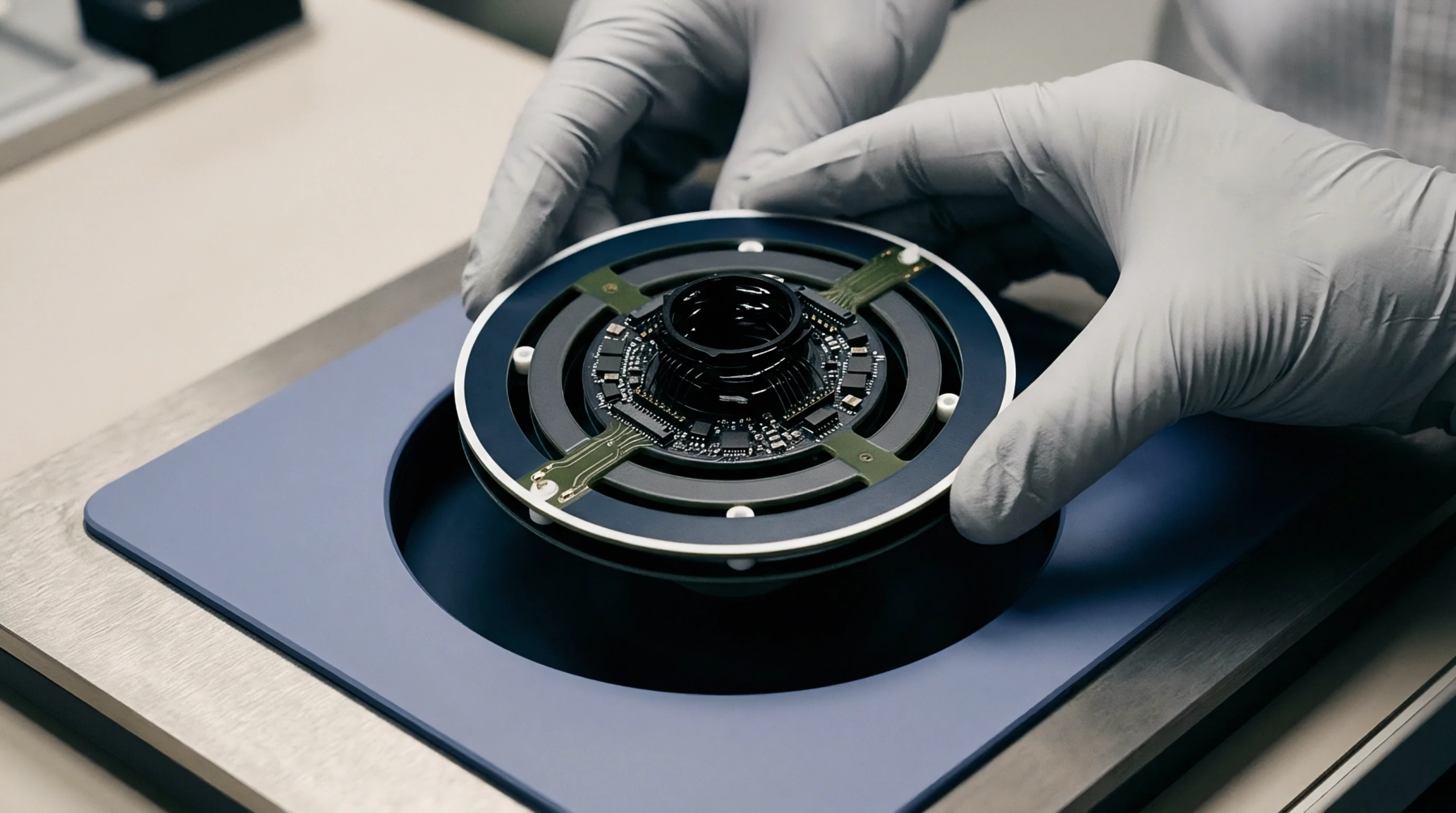
Mounting an at-cut crystal inside a metal or ceramic enclosure protects the delicate quartz wafer from external pressure and humidity. Manufacturers secure the blank with conductive adhesives or spring clips that provide both electrical contact and structural support. This housing assembly manages the energy distribution from the excitation voltage to the crystal edges.
Proper vacuum sealing prevents air damping of the oscillating faces.
Integration Constraint
Verification of the final circuit board depends on matching the load capacitance of the oscillator drive stage with the specifications of the at-cut crystal. Incompatibility between the drive level and the quartz resonance characteristics leads to start up failures or excessive aging of the component. Signal integrity engineers analyze these parameters during the prototyping phase to prevent frequency offsets that disrupt downstream timing logic.
Precision timing performance requires accurate impedance matching between the quartz device and the controlling integrated circuit.