Primary Cell Selection for Long Range Cellular Internet of Things Transmitters
Matching primary cell pulse discharge capabilities with hybrid capacitor buffers prevents cellular IoT modem brownout and maximizes field operating life.

Passivation
Lithium thionyl chloride chemistry delivers high nominal output potentials alongside energy densities exceeding six hundred watt-hours per kilogram. Industrial transmitters deployed in remote locations rely on bobbin-type primary lithium cells to sustain operational lifetimes exceeding ten years. The chemical system maintains extremely low self-discharge rates, often dropping below one percent per year under ambient storage conditions.
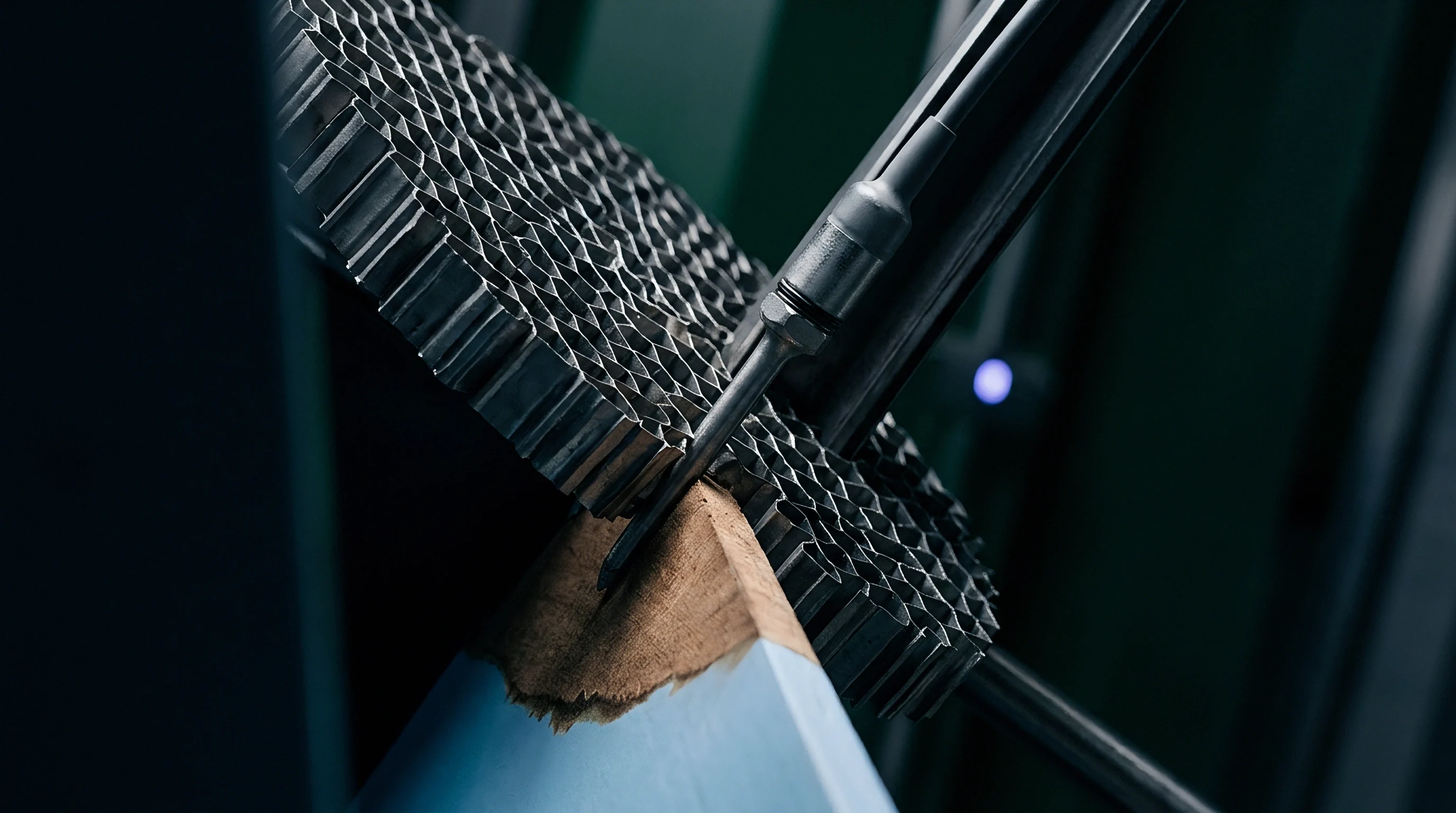
Lithium Anode Crystalline Film Growth Mechanics
An insulating oxidation layer forms spontaneously on the active metal surface during prolonged inactivity. Lithium reaction with thionyl chloride produces a dense passivation film of lithium chloride crystals directly over the metallic anode, protecting the cell from continuous chemical degradation and enabling decade-long shelf life. However, this film presents high electrical impedance during the initial milliseconds of discharge when cellular transmitters demand brief ampere peaks.
When an LTE-M or NB-IoT modem initiates transmission, current consumption jumps from microamperes in power-saving mode to several hundred milliamperes. As the sudden load forces passivation layers to break down, terminal voltage drops rapidly before ionic transport across the lithium chloride boundary re-establishes steady-state reaction rates. This transient voltage drop frequently dips below the lower operating threshold of cellular baseband processors, causing immediate modem brownout during initial network registration.
- Transient Voltage Collapse ~ The initial pulse from an LTE-M transmitter causes terminal potential to drop below the 2.8-volt cutoff threshold before ionic current pierces the crystalline film.
- Extended Network Join Delays ~ Unplanned modem brownouts force repeated cell registration sequences, consuming significant energy and accelerating anode oxidation.
- Self Depassivation Failure ~ Low transmit duty cycles allow film thickness to exceed levels that internal discharge pulses can breach within milliseconds.
- Elevated Quiescent Drain ~ Uncontrolled depassivation routines artificially increase background current consumption, shortening field operating life.
Managing surface oxidation requires deliberate pulse discharge strategies or physical chemical modifications, as internal impedance rises during storage. Integrating active pulse management routines into device firmware helps maintain thin surface films and prevents the modem brownouts that trigger repeated network joins.
A primary battery specified for decade-long operation without pulse buffer support risks immediate brownout during its initial winter transmission cycle.
Vendor field documentation routinely attributes premature modem reset events to transient temperature fluctuations rather than internal cell surface film buildup.


Reservoir
High-power wireless protocols demand temporary current spikes exceeding two amperes during transmission events. Standard bobbin LiSOCl2 cells feature restricted continuous discharge ratings, typically constrained to fifty milliamperes for C-size hardware. Exceeding these current boundaries induces severe polarization losses, drastically reducing effective cell output capacity.
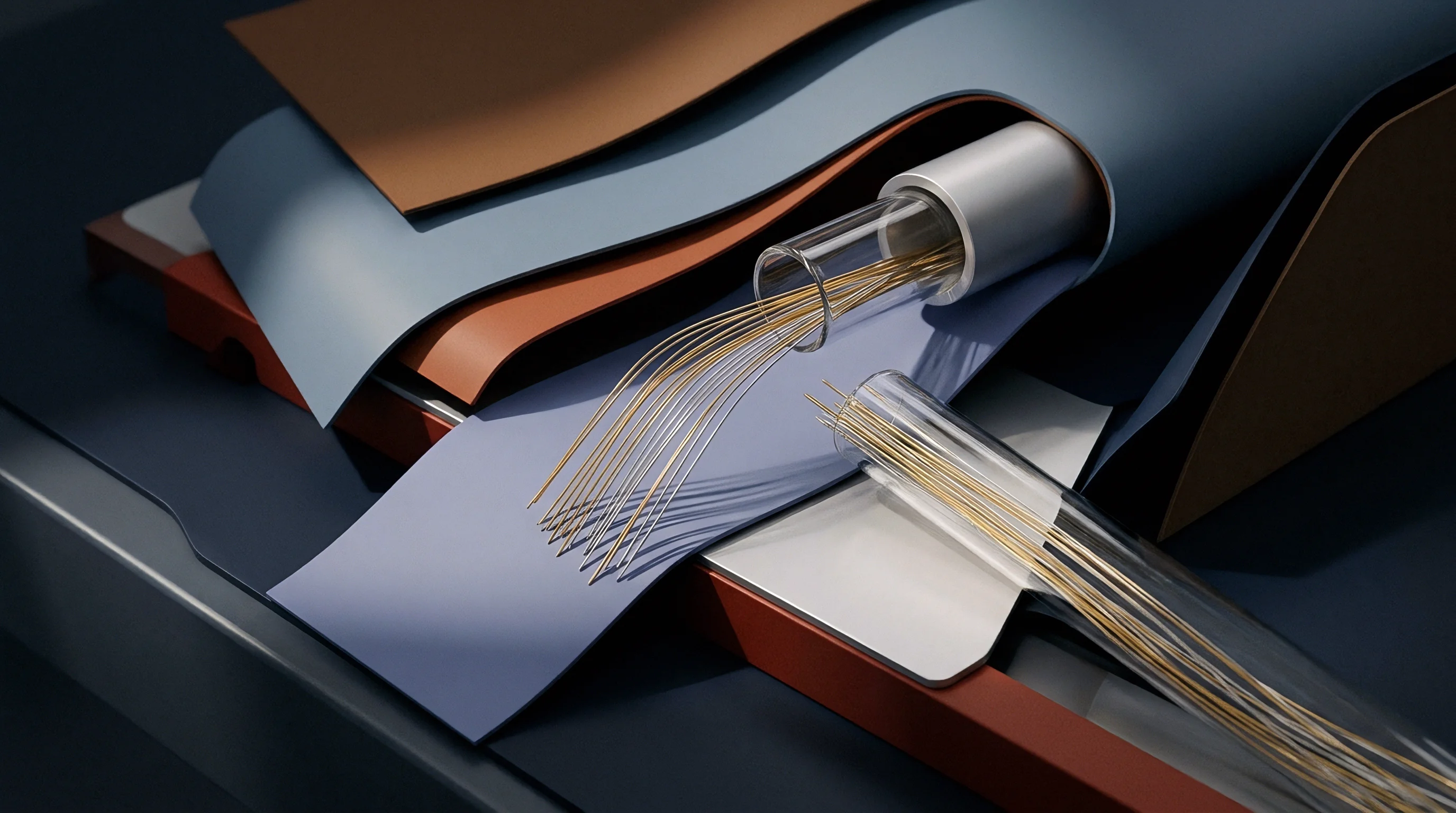
Pulse Capacitor Configurations for Cellular Transmitters
Parallel storage architectures buffer transient energy requirements, shielding primary chemical cells from sharp current draw. Combining a low-rate primary cell with a high-rate electrochemical pulse buffer provides steady energy delivery while absorbing high-amplitude current surges. Hybrid layer capacitors utilize specialized lithium-ion intercalation electrodes to offer multi-ampere pulse capabilities alongside low equivalent series resistance.
Traditional double-layer supercapacitors display leakage currents reaching tens of microamperes, draining primary battery reserves over extended operating windows. By contrast, hybrid layer capacitors hold leakage currents below two microamperes at ambient temperatures, preserving primary cell energy across multi-year deployments. Selecting appropriate capacitor geometry requires evaluating operational voltage ranges and maximum transmit burst durations.
| Architecture Type | Nominal Voltage | Continuous Current Rating | Peak Pulse Capability | Self-Discharge Rate |
|---|---|---|---|---|
| Bobbin LiSOCl2 | 3.6 V | 50 mA | 100 mA | < 1% per year |
| Spiral LiSOCl2 | 3.6 V | 1000 mA | 2000 mA | 3% to 5% per year |
| LiMnO2 Coin/Cylindrical | 3.0 V | 400 mA | 1000 mA | 1% to 2% per year |
| Bobbin LiSOCl2 plus HLC Buffer | 3.6 V | 50 mA continuous cell / 2000 mA buffer pulse | 3000 mA | 1% to 1.5% per year |
Transmitter output power setting governs energy requirements during active time slots. When cellular modems operate under poor coverage conditions, such as a Maximum Coupling Loss of 164 decibels, transmit power increases to plus twenty-three decibel-milliwatts. Extended preamble repetitions in NB-IoT networks prolong transmission durations from milliseconds to several seconds, requiring hybrid capacitors to buffer high current transients.
Exceeding the maximum continuous discharge current specification invalidates standard vendor energy delivery warranties across industrial operating ranges.
Selecting an unbuffered bobbin cell for maximum power class transmissions causes unexpected modem brownouts during initial cell attachment and triggers permanent battery passivation lockup.


Trajectory
Discharge curves recorded under heavy intermittent loads diverge from continuous microampere drain profiles. Battery datasheets state total capacity under nominal conditions, usually measured at room temperature with continuous low-current discharge down to two volts. Cellular IoT transmitters operate under extreme pulsed load profiles, where actual usable amp-hour capacity depends heavily on pulse frequency, burst length, and cutoff voltage limits.

Which Battery Configuration Prevents Voltage Slump below Cutoff?
Pairing a high-density primary cell with a low-impedance storage element maintains supply voltage above three volts throughout extended transmit frames. Without auxiliary current support, primary cell terminal voltage slumps under high load due to internal cell resistance, and varying pulse durations alter usable cell capacity. If cell voltage falls below the modem drop-out floor, unextracted chemical capacity remaining in the primary cell becomes unusable.
Evaluating long-term energy delivery involves systematic bench measurement protocols across simulated operational profiles. Testing must reflect real-world link parameters, factoring in RF power consumption during full subframe transmissions.
- Measure baseline sleep current draw using a precision current transducer across five complete power-saving mode cycles.
- Simulate maximum coupling loss conditions by configuring the test transmitter to send twenty-three dBm pulses at maximum payload length.
- Capture terminal potential waveforms during initial network registration to record the deepest transient voltage drop.
- Subject the power supply unit to thermal conditioning at minus twenty degrees Celsius for twenty-four hours before pulse evaluation.
- Calculate remaining operational margin by comparing the measured minimum pulse potential against the modem power management cutoff specification.
Duty cycle variations dramatically change total delivered energy over ten years. Transmitting once per day allows pulse capacitors sufficient time to recharge slowly from the primary cell without causing continuous chemical stress. Increasing report frequencies to once every five minutes maintains elevated average drain rates, accelerating internal degradation and reducing overall chemical efficiency.
Section 4.2 of the ETSI EN 301 908-13 compliance specification establishes strict spectral mask boundaries during frame bursts, forcing hardware designs to enforce supply rail stability above 3.1 volts.
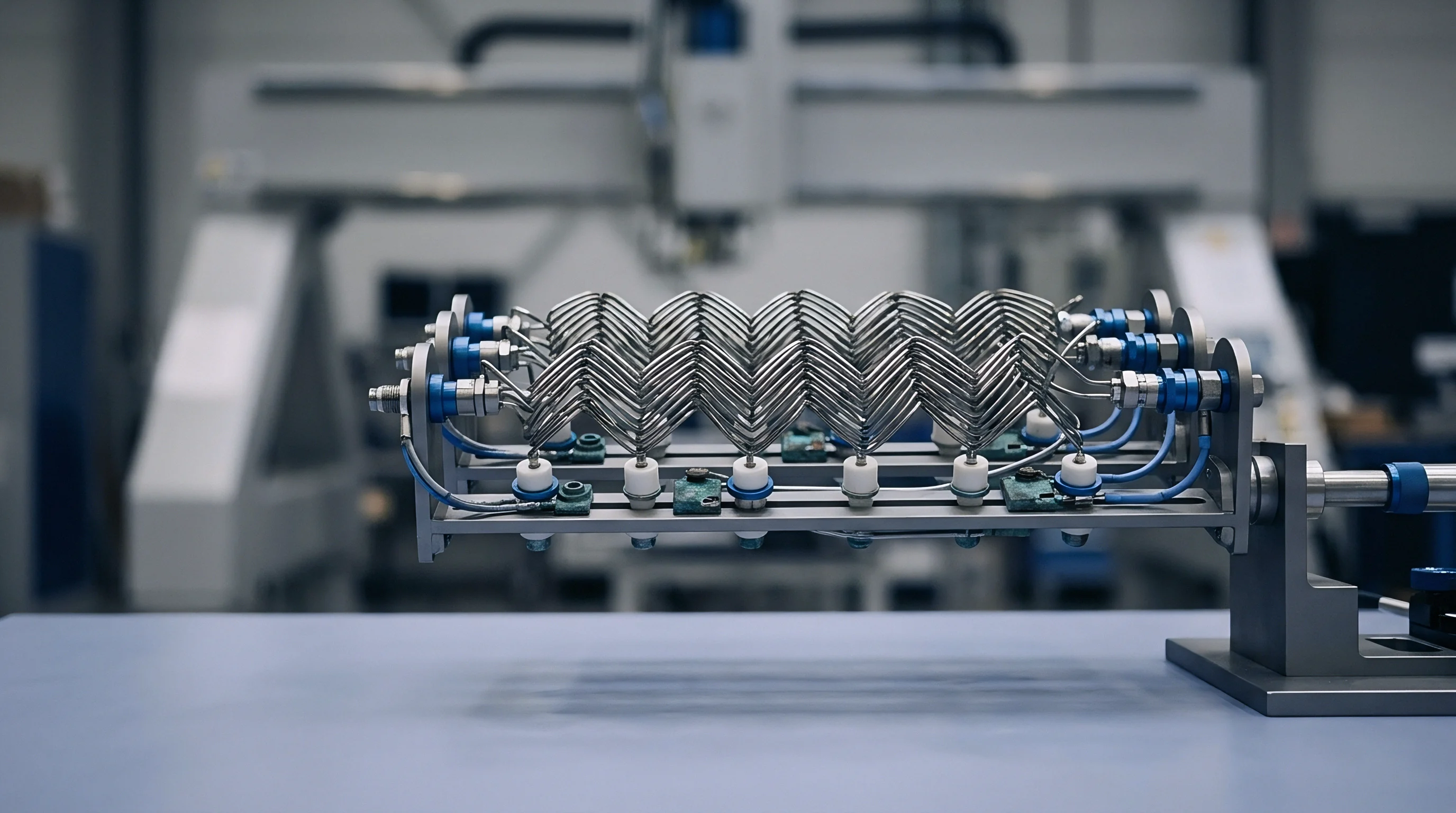
Cold
Sub-zero thermal environments restrict ionic mobility within non-aqueous electrolyte formulations. Electrolyte conductivity falls dramatically when ambient temperatures shift from twenty-five degrees Celsius down to negative forty degrees Celsius, raising internal resistance and lowering active discharge voltage ceilings.

Sub-Zero Equivalent Series Resistance Growth Mechanics
Internal cell impedance increases exponentially as operating temperatures drop toward negative forty degrees Celsius, pulling down operating terminal voltage. Higher internal resistance creates significant ohmic losses inside the battery during active current pulses, reducing net voltage delivered to modem power management integrated circuits.
Elevated ambient temperatures create opposite operational hazards. Storage at temperatures above sixty degrees Celsius accelerates internal self-discharge reactions, expediting lithium loss and swelling passivation film thickness. Designing outdoor field units requires balancing low-temperature voltage performance against high-temperature shelf life stability, especially since network registration draws substantial current spikes.
- Thermal Envelope Screening ~ Verify cell performance metrics across the entire intended deployment environment from minus forty to plus eighty-five degrees Celsius.
- Pulse Current Derating ~ Reduce assumed peak burst capability by fifty percent when operating below freezing to account for increased electrolyte viscosity.
- Capacity Adjustment Factor ~ Apply a thirty percent reduction to nominal rated amp-hour capacity for applications remaining below zero degrees Celsius continuously.
- Capacitor Leakage Auditing ~ Select pulse buffer units exhibiting sub-microampere self-discharge rates at peak ambient operating temperatures.
Self-discharge accelerates at elevated temperatures, where heat exposure degrades separator membranes and promotes chemical side reactions within thionyl chloride solutions. Selecting battery assemblies for unconditioned outdoor enclosures demands calculating thermal exposure averages over seasonal cycles.
At minus twenty degrees Celsius, the internal resistance of a standard bobbin primary cell increases by over three hundred percent compared to its room-temperature baseline.
Operating primary lithium systems near their lowest temperature boundary demands evaluating minimum operational voltage during active transmission rather than checking open-circuit potential.

Valuation
Procurement decisions for industrial power supplies incorporate long-term field replacement risks alongside initial purchasing costs. Primary cell choices fix battery replacement cycles across thousands of deployed remote assets. The true economic metric for cellular IoT transmitters is landed energy cost per delivered message over a ten-to-fifteen-year service lifespan.

Total Cost Calculations across Field Lifetimes
Accounting for power source energy delivery requires analyzing landed module pricing against long-range field service intervals. Industrial Bobbin LiSOCl2 cells present higher upfront purchase prices compared to standard alkaline or lithium iron disulfide batteries. However, superior energy density and low self-discharge rates reduce field maintenance truck rolls, which routinely exceed the initial hardware bill-of-materials cost by orders of magnitude.
| Power Architecture | Initial Unit BOM Cost | Usable Energy Capacity | Cost Per 1000 Transmits | Ten-Year Service Reliability |
|---|---|---|---|---|
| Dual Alkaline AA Cells | $0.80 | 2500 mAh (High Self-Discharge) | $0.12 | Low (2-3 Year Replacement Required) |
| LiFeS2 Cylindrical AA Pair | $3.50 | 3000 mAh | $0.05 | Moderate (High Cold Resistance) |
| Bobbin LiSOCl2 (C-Size) | $6.50 | 8500 mAh | $0.02 | Low without Pulse Buffer / High with Buffer |
| Bobbin LiSOCl2 plus HLC Hybrid System | $12.00 | 8500 mAh | $0.015 | High (10-15 Year Operation Guaranteed) |
System designers evaluate total cost of ownership by balancing cell capacity against transmission profiles. Low message frequency combined with optimized power-saving mode current draw maximizes chemical utility. Oversizing battery capacity provides safety margins for poor RF environments where extended signal retransmissions drain supplemental reserves.
Whether emerging hybrid cell chemistries can maintain sub-microampere self-discharge rates after fifteen years of continuous thermal cycling remains an open question for long-life industrial deployments.