Derating Primary Cell Usable Energy under Industrial Thermal Shock Environments
Thermal shock increases primary cell internal resistance, requiring output power derating to prevent immediate cutoff voltage collapse during radio pulses.
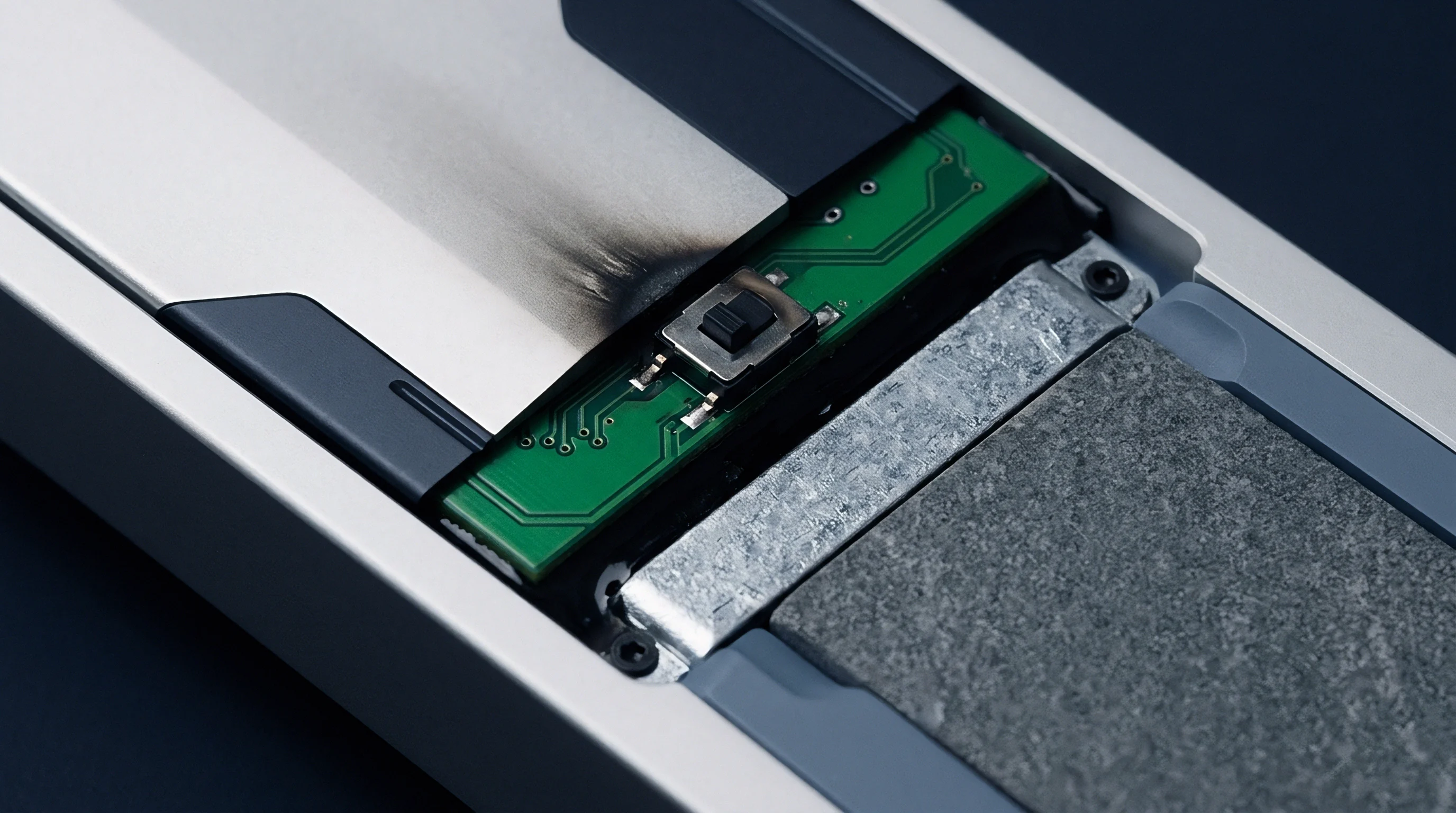

Shock
Sudden atmospheric temperature swings upset the electrochemistry inside primary lithium cells before chemical equilibrium can catch up. In unheated enclosures exposed to desert day-night shifts or pipeline monitoring routes, ambient readings can swing by sixty degrees Celsius in under thirty minutes. Lithium Thionyl Chloride (LiSOCl2) and Lithium Manganese Dioxide (LiMnO2) chemistries endure direct mechanical stress across internal current collectors during these sharp drops.
Differential thermal expansion between the metallic lithium anode, porous carbon cathode, and polymeric separator shifts internal physical clearances. At the same time, electrolyte viscosity spikes as temperatures sink toward negative forty degrees Celsius, choking off ionic mobility right as radio modems pull peak current pulses.
Internal resistance can jump by up to two orders of magnitude during a sudden cold snap. When a cellular modem initiates an LTE-M or NB-IoT network attachment, it pulls pulse currents exceeding two amperes for several milliseconds. If that burst hits during a negative thermal transient, the IR drop across the cell drags terminal voltage straight below the microcontroller reset threshold.
Most of the energy remains stored inside the cell, but restricted transport kinetics keep it trapped, causing field hardware to trip its brownout detectors.
Lithium Thionyl Chloride cells exposed to negative forty degrees Celsius lose up to fifty-five percent of nominal rated discharge capacity when pulsed at two hundred milliamperes.
Thermal shifts also speed up interfacial degradation at the electrode. A thin lithium chloride passivation film naturally covers the lithium anode, keeping the cell from self-discharging on the shelf. Rapid thermal cycling cracks this crystalline barrier and exposes raw lithium to the liquid electrolyte.
As the film reforms, it grows thicker, ratcheting up static cell impedance. After hundreds of cycles, this heavy passivation film demands sustained pulse current just to break down, introducing long voltage dips at the start of every transmission.
Operating primary cells in fluctuating thermal environments alters several fundamental physical mechanisms within the casing:
- Electrolyte Viscosity Surge increases ion transport resistance, suppressing peak pulse current capability at sub-zero temperatures.
- Passivation Layer Thickenings elevate initial internal cell resistance, causing severe voltage dips during early packet preamble bursts.
- Differential Material Contraction introduces localized micro-cracks inside the cathode matrix, permanently raising static internal impedance.
- Anode Surface Micro-Pitting reduces effective reactive surface area, restricting instantaneous electrochemical conversion rates under heavy current loads.
Ignoring thermal shock derating guarantees premature field failures long before calculated battery life runs out.
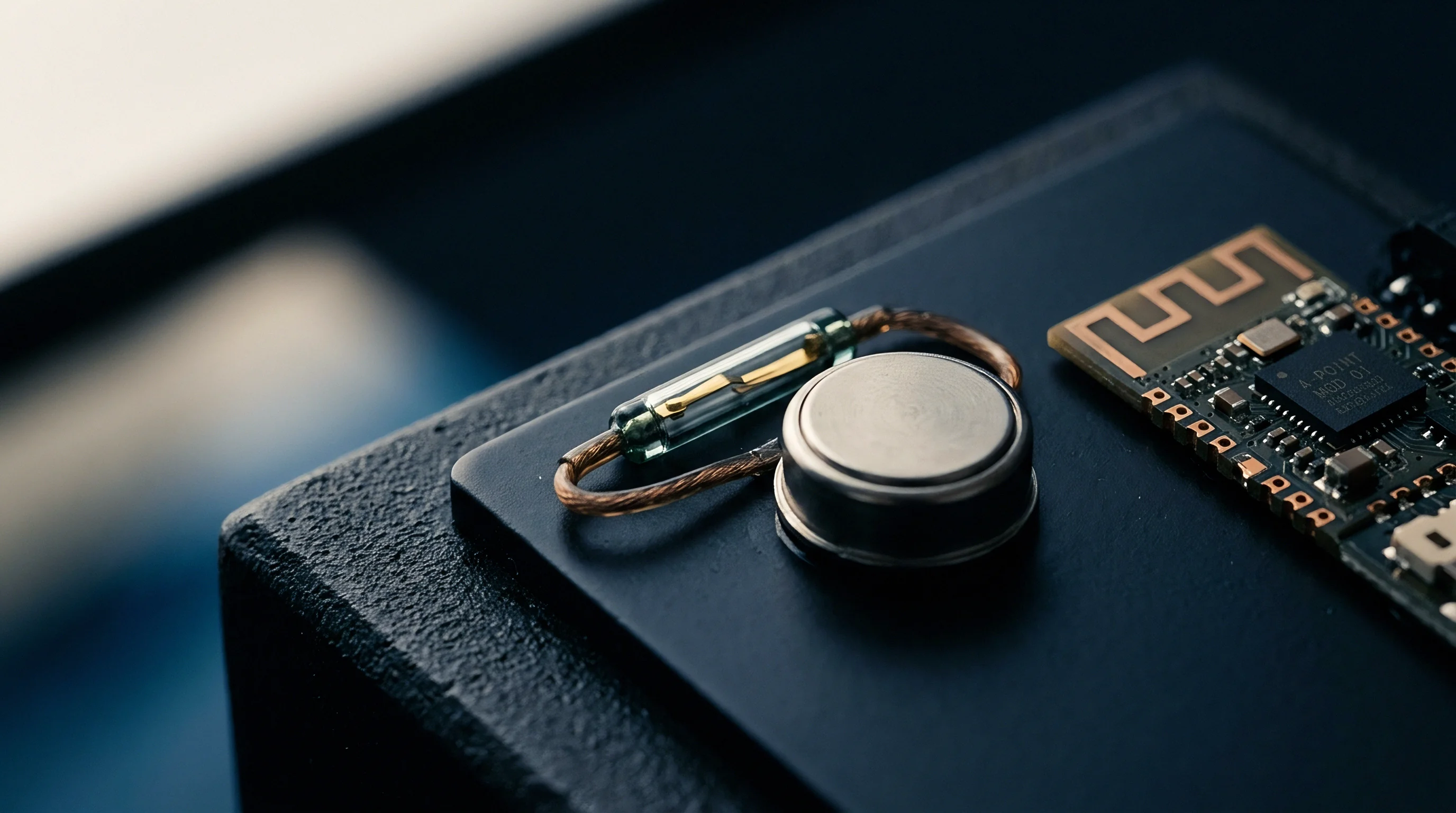
Dip
Suppressing voltage transients calls for dedicated buffering when primary cells drive wide-area transmitters. Sub-GHz transceivers running LoRaWAN at +20 dBm draw peaks around one hundred twenty milliamperes, while 3GPP cellular radios routinely spike over one ampere. If a thermal shock plunges cell temperature to negative thirty degrees Celsius, loaded terminal voltage drops from three point six volts to under two point seven volts almost instantly.
Power management ICs read that transient drop as a dead cell and trigger a shutdown, even when ninety percent of the battery’s chemical capacity sits untouched.
Placing a low-equivalent-series-resistance buffer in parallel with the primary cell helps mitigate the drop. Hybrid Layer Capacitors (HLC) or Electrochemical Double-Layer Capacitors (EDLC) supply the instantaneous current burst while the cell trickle-charges them at quiescent levels. The buffer keeps bus voltage above reset thresholds during the first critical milliseconds, giving the cell’s passivation layer time to clear electrochemically.
Choosing the right component means balancing low-temperature capacitance retention against high-temperature parasitic leakage.
Capacitance drops off steeply in deep cold. A supercapacitor rated for two farads at room temperature yields less than eight hundred millifarads at negative forty degrees Celsius, while its equivalent series resistance climbs from tens of milliohms up to several ohms. Sizing the pulse buffer requires designing around these worst-case cold metrics rather than typical room-temperature ratings.
| Cell Chemistry | Continuous Quiescent Load | Peak Pulse Current | Unbuffered Minimum Voltage | HLC-Buffered Minimum Voltage |
|---|---|---|---|---|
| LiSOCl2 (Spiraled) | 15 microamps | 1000 milliamps | 2.10 Volts | 3.15 Volts |
| LiSOCl2 (Bobbin) | 12 microamps | 1000 milliamps | 1.65 Volts | 2.95 Volts |
| LiMnO2 (Coin/Cylindrical) | 8 microamps | 500 milliamps | 2.25 Volts | 2.85 Volts |
| Li-FeS2 (Cylindrical) | 5 microamps | 200 milliamps | 2.40 Volts | 3.05 Volts |
Bobbin-type LiSOCl2 cells deliver exceptional energy density and negligible self-discharge, but suffer severe dips under cold pulse loads because of their low active surface area. Wound spiral construction offers much more surface area, cutting internal resistance and stabilizing cold performance at the expense of slightly higher annual self-discharge. Aligning cell geometry with the burst duration of the selected radio protocol keeps the rail from collapsing during sudden drops.
Unbuffered primary bobbin cells cannot sustain high power cellular transmit pulses below negative twenty degrees Celsius without crashing system voltage.
Selecting secondary energy storage components involves evaluated tradeoffs across operating profiles:
- Hybrid Layer Capacitor Integration provides low equivalent series resistance and minimal self-discharge across wide temperature bands.
- Supercapacitor Bank Sizing handles heavy radio current pulses but leaks substantial quiescent current during high-temperature peaks.
- Direct Parallel Diode Isolation prevents the secondary capacitor from discharging back into the cell when ambient temperatures plunge.
- Firmware Dynamic Power Derating scales transmit power down whenever onboard ADC readings drop below zero.
Sustained leakage through parallel capacitors often drains primary battery reserves faster than cold exposure degrades chemistry.
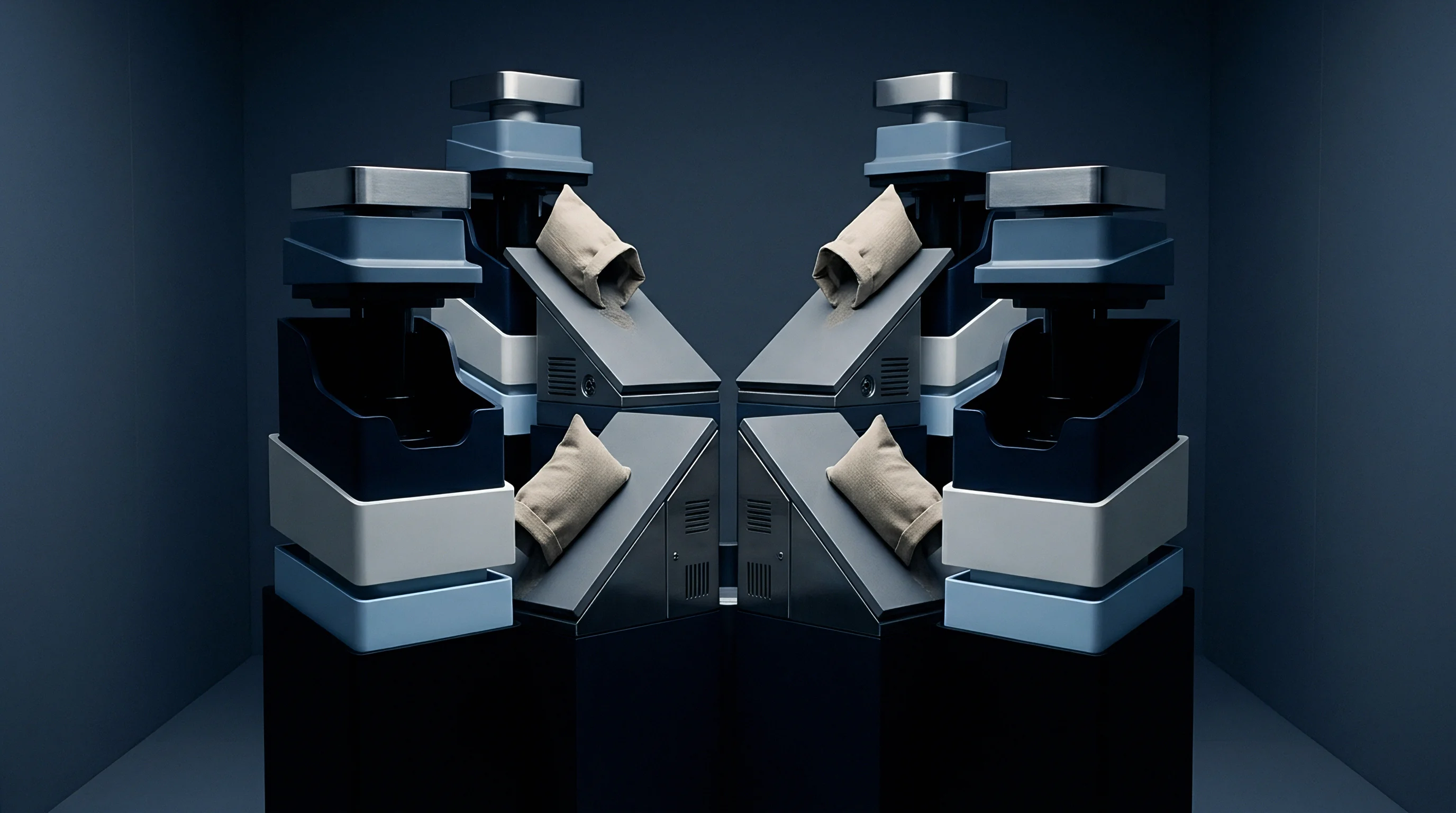
Cell
Nominal datasheet ratings are largely useless when sizing primary cells for industrial thermal shock. A cell rated for eight point five ampere-hours only yields that capacity under benign twenty-five degrees Celsius conditions at loads below ten milliamperes. Introduce fifty-degree thermal swings and radio pulses of several hundred milliamperes, and that discharge budget shrinks dramatically.
Usable capacity is better modeled as a moving threshold driven by instantaneous temperature, thermal slew rate, pulse interval, and discharge depth.
Thermal derating relies on empirical scaling factors applied to nominal capacity. Temperature cycling degrades available energy through two separate channels: sluggish ionic transport at the cold end, and accelerated self-discharge during hot excursions. Operating across repeated swings between negative forty degrees Celsius and positive eighty-five degrees Celsius requires compounding these derating factors aggressively.
| Operating Temperature Profile | Pulse Current Regime | Ionic Capacity Retention | Passivation Overhead Loss | Net Usable Energy Fraction |
|---|---|---|---|---|
| Static 25 degrees Celsius | 10 mA continuous | 98 percent | 1 percent | 97 percent |
| Static -30 degrees Celsius | 100 mA pulsed | 62 percent | 8 percent | 54 percent |
| Thermal Shock -40 to +60 C | 250 mA pulsed | 48 percent | 14 percent | 34 percent |
| Thermal Shock -40 to +85 C | 1000 mA pulsed | 31 percent | 22 percent | 9 percent |
Exposed to severe swings between negative forty and positive eighty-five degrees Celsius alongside one-ampere cellular pulses, usable capacity falls to nine percent of the stamped nominal figure. The power system must be sized around this remnant. For devices that idle at microamp levels and transmit in periodic bursts, usable pack life falls off sharply as the frequency of thermal cycles increases.
Consider an outdoor asset tracker reporting hourly over LTE-M with a targeted ten-year operating life. At room temperature, the device draws thirty microamperes quiescent, with two-second transmit pulses peaking at two amperes. Under bench conditions, the device consumes roughly four hundred milliamp-hours each year, making a standard four ampere-hour cell seem sufficient for ten years.
Subject that same cell to harsh thermal shock cycles, however, and deliverable capacity falls below one point four ampere-hours. Without parallel cells or substantial cuts to airtime, the unit browns out before year three.
Standard master supply contracts must mandate cell derating qualification across full industrial thermal shock profiles prior to production batch signoff.
Engineering documentation submitted during component procurement must explicitly define cold thermal shock energy limits:
- Minimum Closed Circuit Voltage (MCCV) limits must be guaranteed under maximum pulse load across negative forty to positive eighty-five degrees Celsius transitions.
- Maximum Internal Resistance (ESR) growth ceilings must be specified following five hundred complete thermal shock cycles.
- Passivation Delay Duration limits must define maximum allowable milliseconds elapsed before cell output recovers above three point zero volts under load.
- Hermetic Seal Integrity Standards must mandate zero mass loss or electrolyte leakage under helium leak detection tests following thermal cycling.
Section 4.2 of standard industrial battery procurement agreements enforces rejection of entire cell lots failing low-temperature pulse voltage criteria.
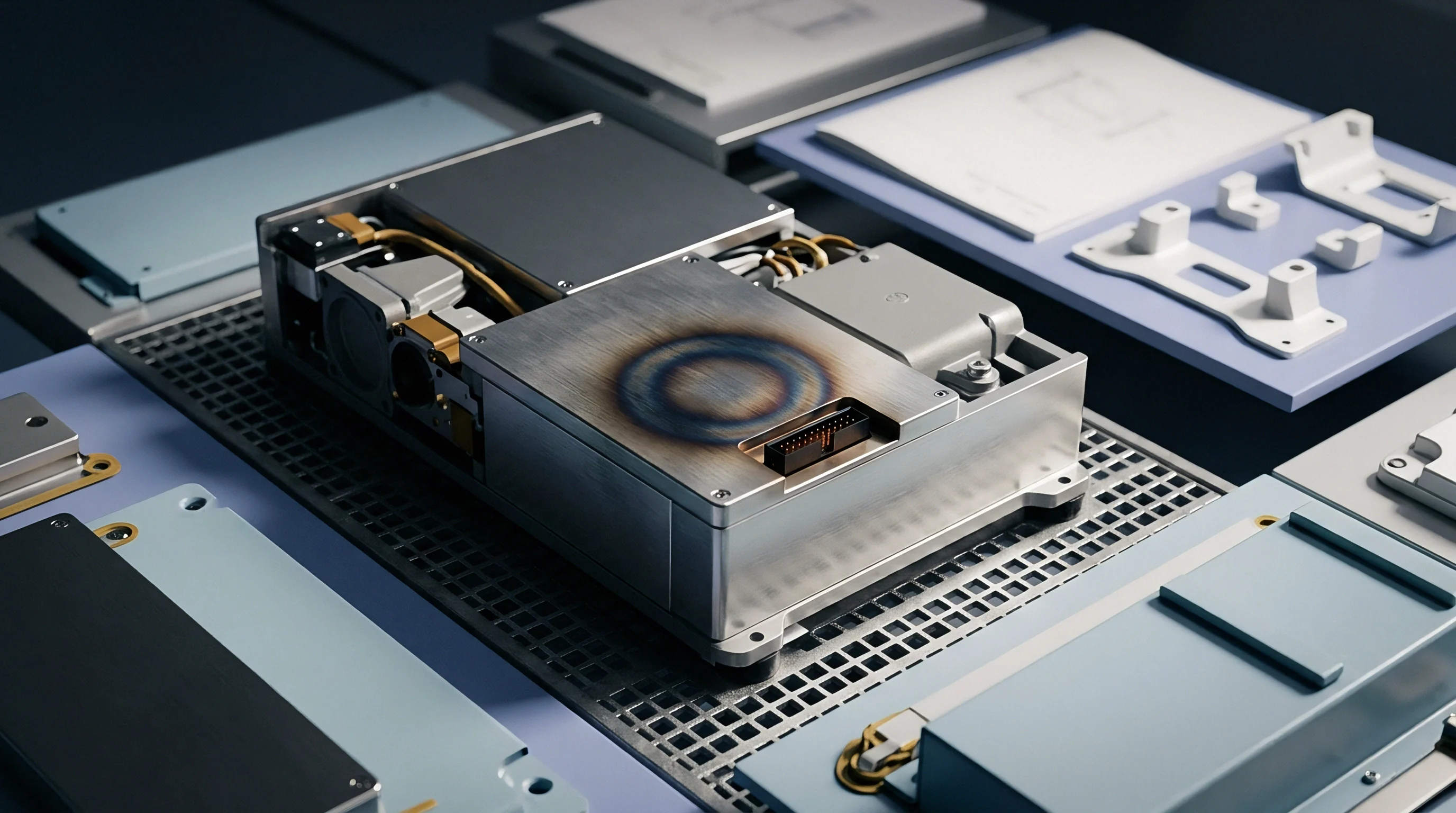
Chamber
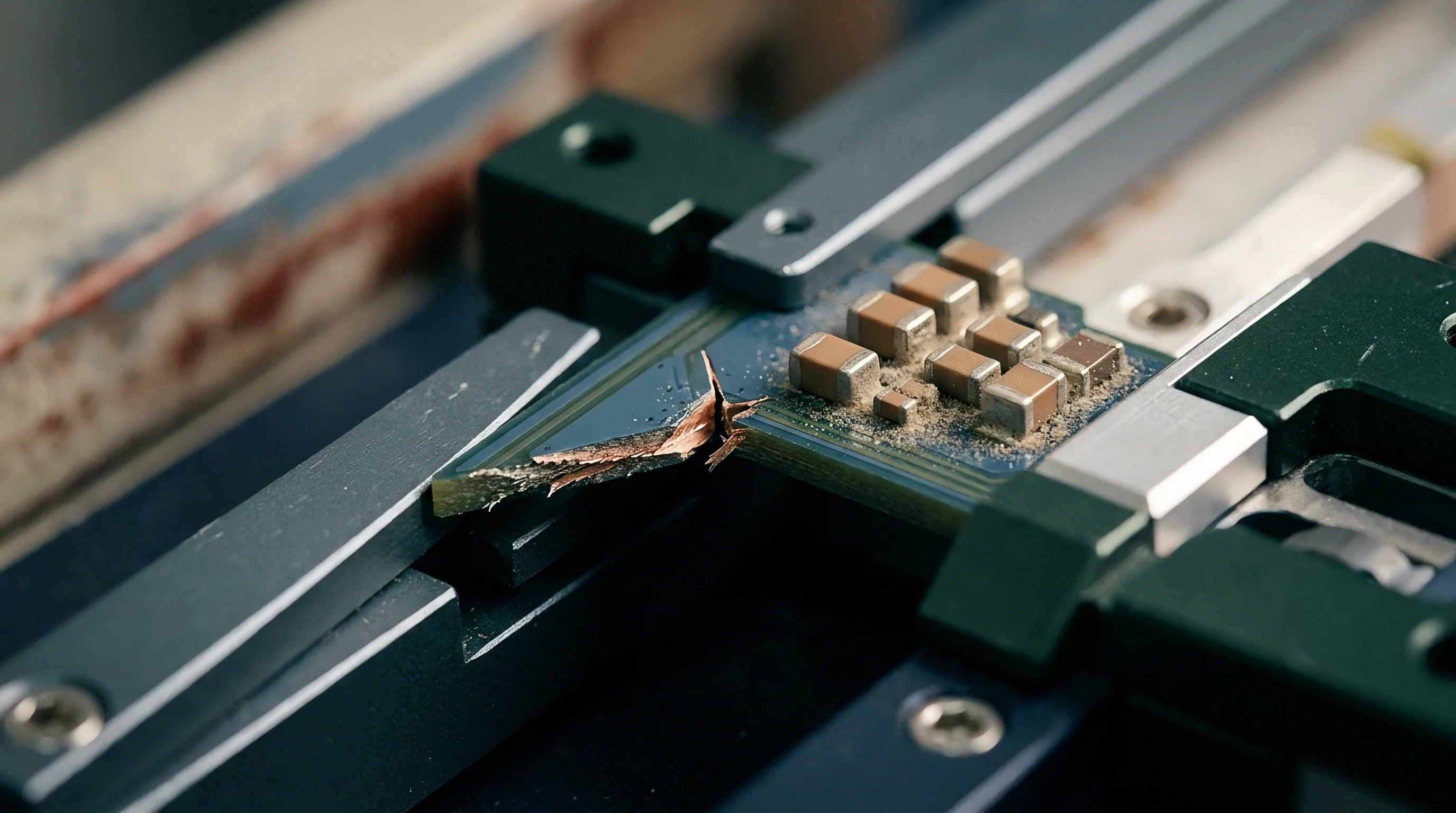
Verifying derating models requires environmental shock chambers rather than standard climate chambers. Gradual thermal ramps fail to generate the internal shear stresses and electrolyte stratification caused by abrupt shifts. Dual-chamber setups using pneumatic basket transfers move cells between temperature extremes in seconds.
Standards like IEC 60068-2-14 Test Na prescribe soak intervals long enough to reach internal thermal equilibrium, linked by transfer intervals under ten seconds.
Validation benches capture high-frequency voltage and current traces throughout each cycle. Oscilloscopes paired with current probes capture the transient drop the millisecond a simulated transmission fires. Bench multimeters sample far too slowly to catch these sub-millisecond dips, frequently missing the transient events that force microcontroller resets.
When Does Thermal Stress Exceed Passivation Breakdown Capacity?
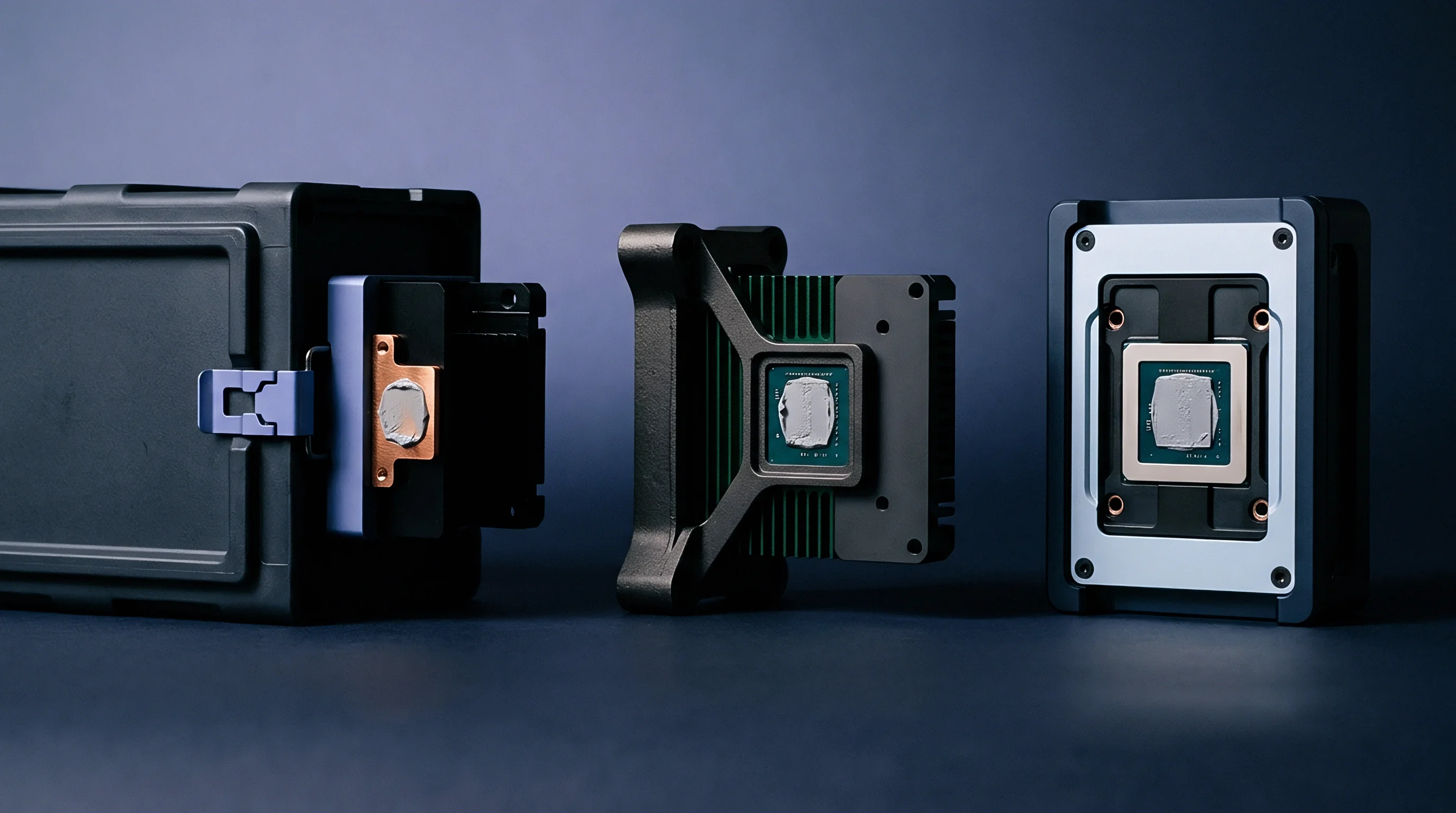
Breakdown mechanics depend on the rate of thermal change relative to pulse amplitude. When a cell drops rapidly from positive eighty-five degrees Celsius to sub-zero temperatures, the core cools while mechanical gradients still stress the assembly. Passivation layers thicken unevenly across the lithium interface.
If a high-current transmission fires during this non-equilibrium phase, current concentrates across thinner sections of the film, inducing rapid polarization and pulling terminal voltage down.
An operational bench verification profile follows a strict sequence:
- Mount sample cells inside the thermal shock chamber fixture using low-thermal-mass mechanical clamps.
- Connect four-wire Kelvin sensing leads from each cell terminal directly to external automated load profiles.
- Soak cells at positive eighty-five degrees Celsius for two hours to establish steady-state thermal and chemical baseline readings.
- Actuate automated pneumatic transfer mechanism to plunge cells into negative forty degrees Celsius chamber within five seconds.
- Trigger simulated radio transmit pulse profile immediately upon basket arrival in cold chamber.
- Record real-time terminal voltage drop and dynamic equivalent series resistance throughout the initial thirty-second cold soak period.
Cold voltage collapse can stem from unoptimized firmware pulsing or from inherent electrochemical degradation inside the cell.
Budget
Balancing power consumption against battery derating dictates both protocol choice and RF output levels. Industrial transceivers typically allow output tuning between plus thirteen dBm and plus twenty-three dBm. Bumping transmitter output by six dB to double range requires nearly quadruple the electrical power from the cell.
In sub-zero shock conditions, that extra draw drops cell voltage and resets the node, wiping out any expected link-budget benefit.
Airtime directly governs cell longevity. Cellular standards like LTE-M involve preamble synchronization and network handshakes that keep transmitters keyed for several seconds. LoRaWAN devices handling small payloads finish their transmissions in under one hundred milliseconds.
Shorter bursts reduce internal heating cycles and mitigate passivation stress during severe cold snaps.
| Wireless Radio Protocol | Configured Transmit Power | Peak Current Draw | Typical Airtime Per Payload | Minimum Battery Operating Voltage |
|---|---|---|---|---|
| LTE-M (3GPP Band 8) | +23 dBm | 1200 mA | 2500 milliseconds | 3.20 Volts |
| LTE-M (3GPP Band 8) | +14 dBm | 280 mA | 2200 milliseconds | 2.80 Volts |
| LoRaWAN (EU868) | +14 dBm | 45 mA | 120 milliseconds | 2.40 Volts |
| LoRaWAN (US915) | +20 dBm | 125 mA | 180 milliseconds | 2.55 Volts |
Dialing LTE-M power back from plus twenty-three dBm to plus fourteen dBm reduces peak pulse currents from twelve hundred milliamperes to under three hundred milliamperes. This lower burden allows hybrid primary cell setups to ride out severe cold shocks without dropping below reset thresholds, though maintaining coverage requires denser gateway infrastructure to offset the lost link margin.
Dropping RF transmit power by nine decibels extends usable primary cell lifetime by over three hundred percent under extreme thermal shock conditions.
Commercial deployments require accounting for the full operational cost per message across device life. Sizing primary cells strictly for room-temperature operation creates substantial warranty exposure when units fail prematurely in outdoor installations. Adding capacitor buffers or increasing cell volume raises upfront unit costs, but eliminates expensive field maintenance and premature hardware replacements.
Outdoor installations require power architectures engineered around thermal realities. Trimming RF transmit power sacrifices link margin to keep terminal voltage above reset thresholds during deep cold transients. Similarly, opting for sub-GHz protocols with brief on-air durations shields primary chemistry far more effectively than relying on high-current cellular modems.
What long-term degradation mechanisms manifest inside hybrid layer capacitors after tens of thousands of thermal shock cycles in high-humidity outdoor field deployments?