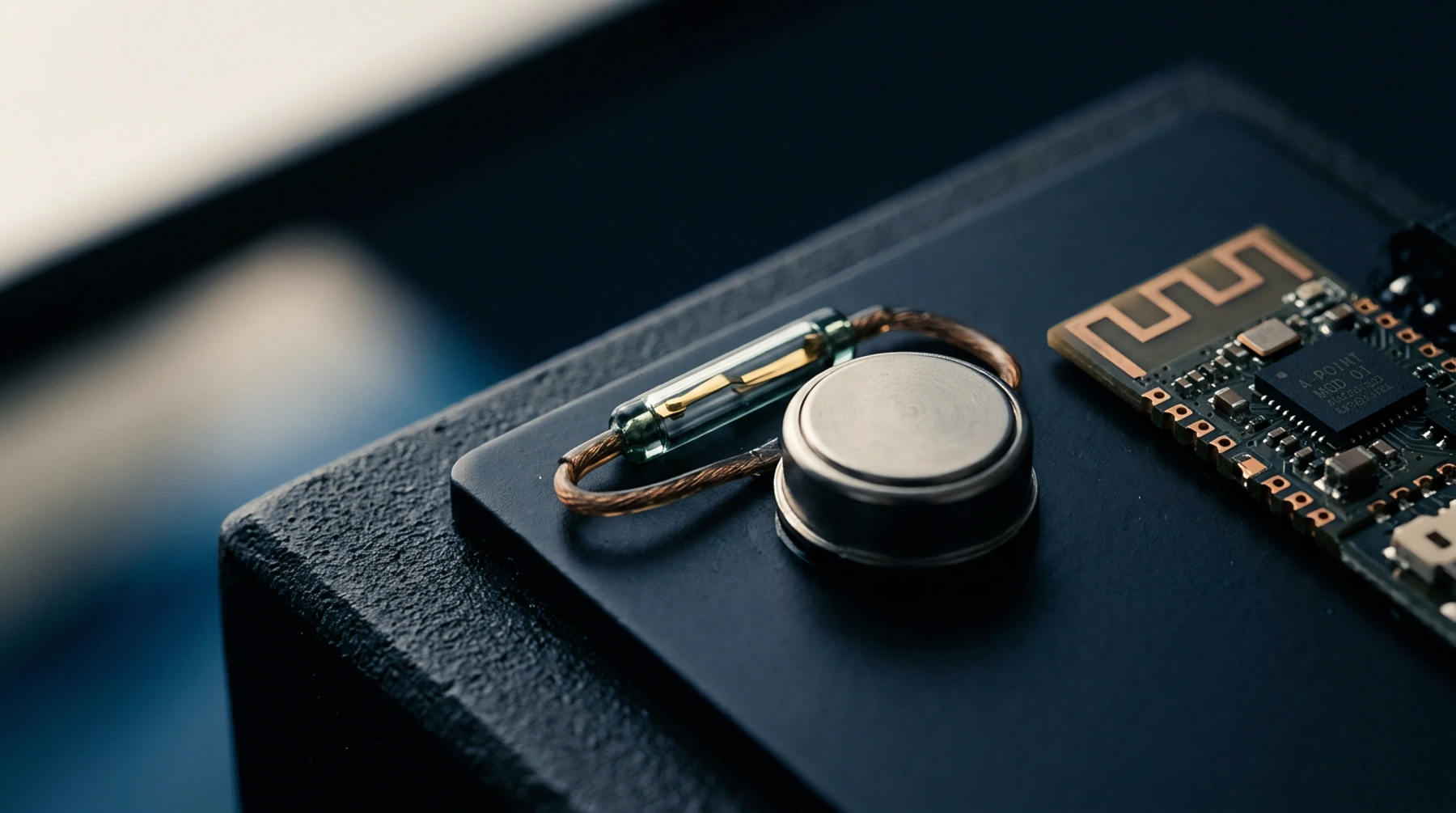
Meaning
Energy storage elements are placed in parallel with batteries to supply the high currents demanded by wireless transmitters. A pulse buffer stores charge during low-current sleep cycles and releases it rapidly when the transmitter activates. It prevents the battery voltage from dropping below the minimum operating threshold of the module.
This component is essential for devices powered by chemistries that exhibit low peak current ratings.
Capacitor Selection
Polarized supercapacitors and tantalum capacitors are commonly selected to act as the primary energy reservoir. The pulse buffer must possess low equivalent series resistance to minimize voltage drops under load. This selection process balances physical size against the maximum expected current pulse duration.
Passivation Mitigation
Lithium batteries often experience voltage drops when first loaded after long periods of inactivity. Integrating a pulse buffer ensures that the system chip remains powered during this initial passivation period. This mechanism protects the microcontroller from accidental under-voltage resets.
Leakage Current
Supercapacitors exhibit parallel internal resistance that slowly drains the primary battery over time. If the pulse buffer has high leakage current, the total operating lifetime of the device is shortened. This trade-off requires careful component characterization under realistic ambient temperatures before finalizing the circuit design.