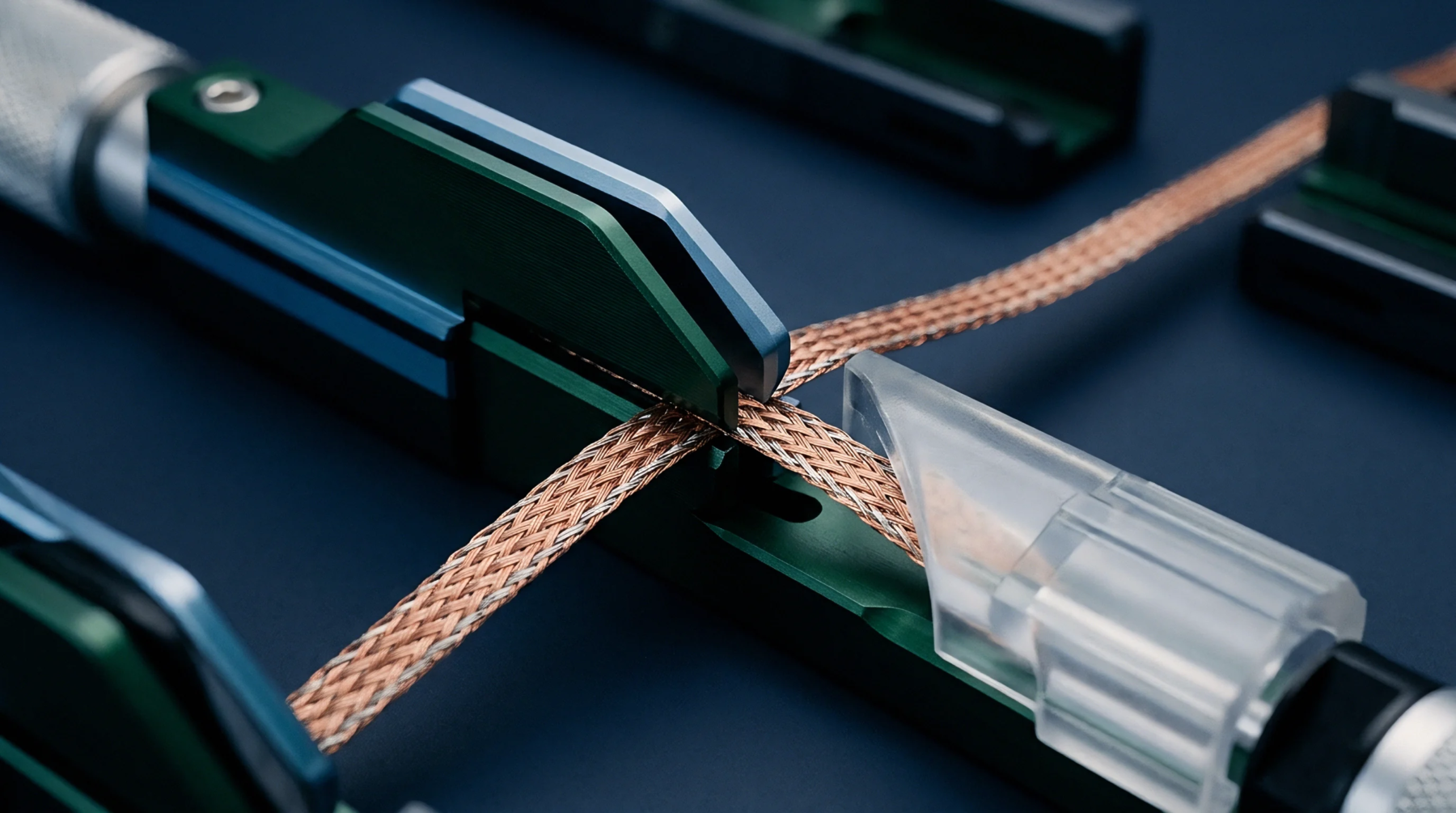
Pulsed Battery Drain Profiles under Sub-GHz Mismatched RF Loads
Sub-GHz antenna detuning increases transmit current over eighty percent, triggering severe battery voltage droop that demands hybrid capacitor buffering.
Sub-GHz antenna detuning increases transmit current over eighty percent, triggering severe battery voltage droop that demands hybrid capacitor buffering.
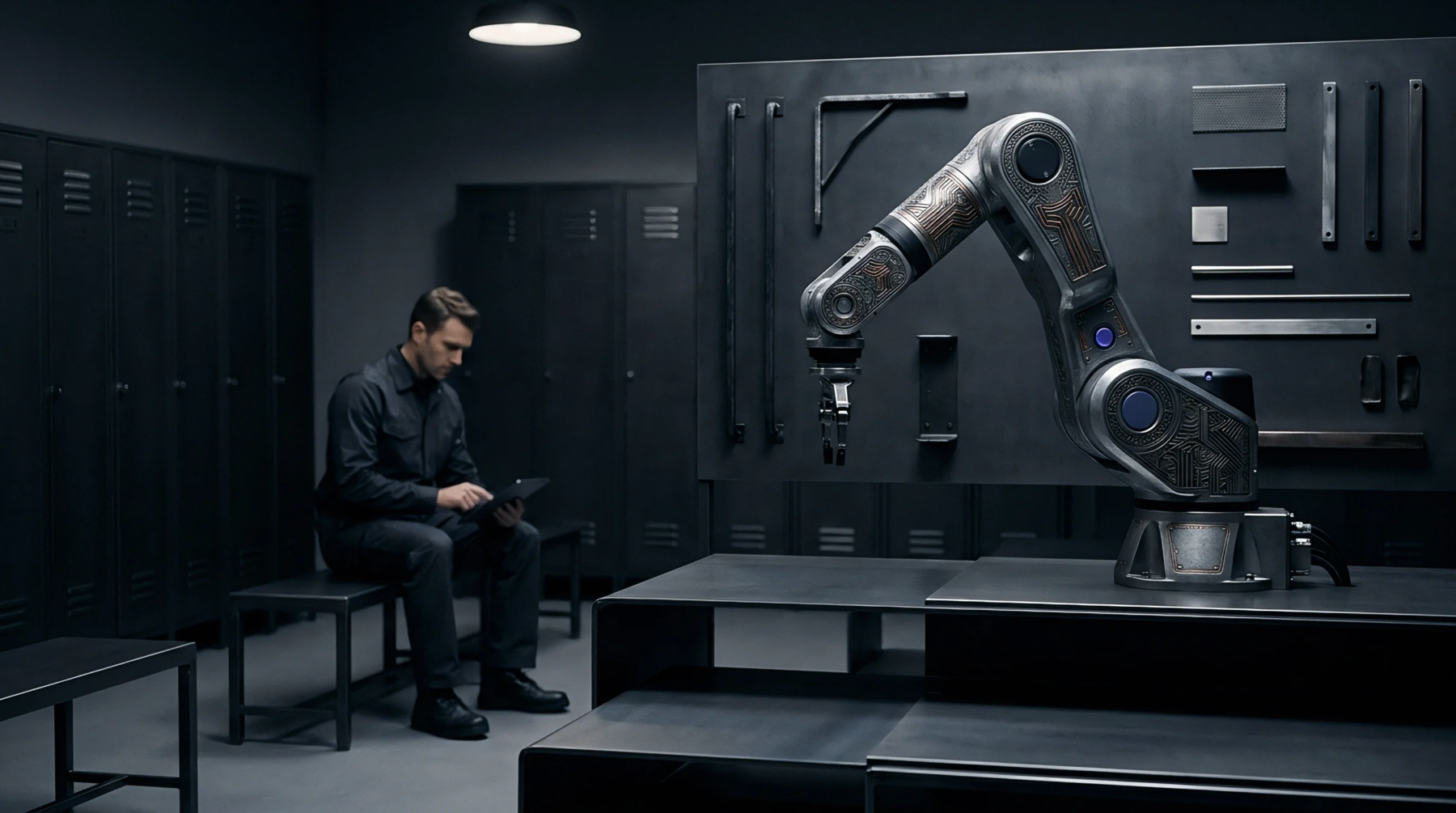
Antenna detuning shifts transmitter power amplifier load impedance away from nominal conjugate match, slashing power added efficiency and draining battery reserves.
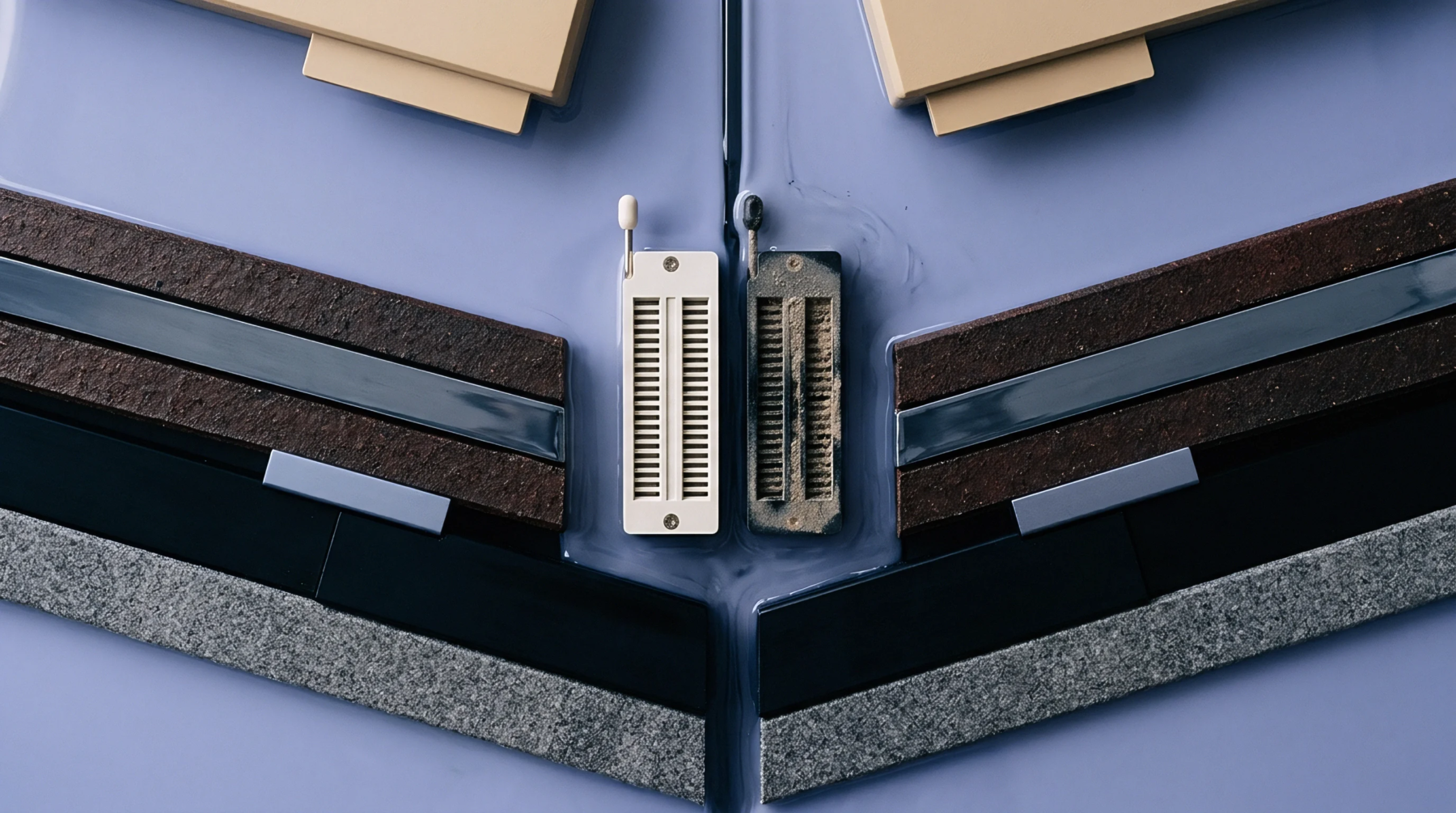
Sub-GHz protocols penetrate structural walls with 10 to 20 dB less attenuation than 2.4 GHz radios, securing long-range low-power indoor links.
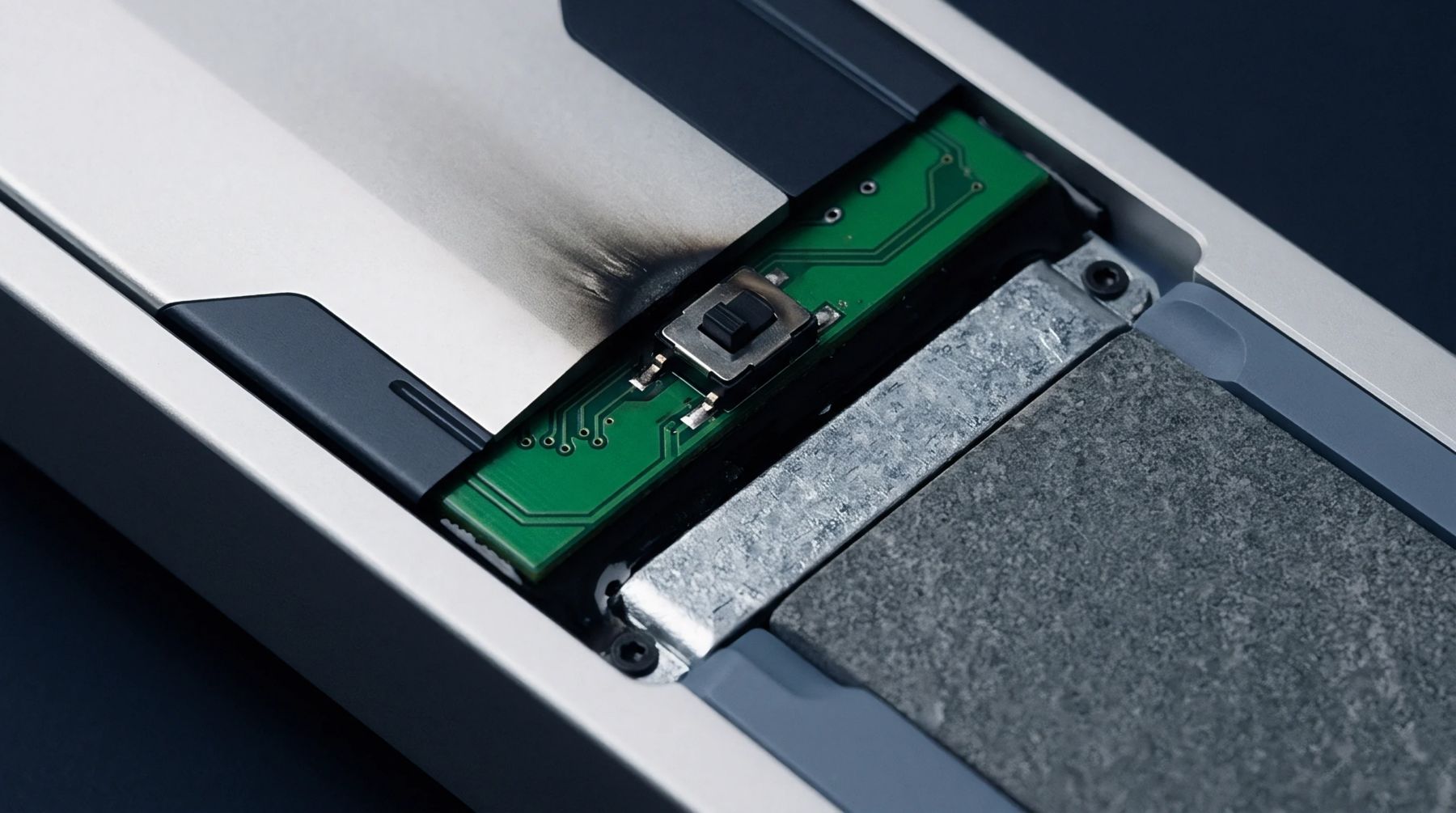
Dynamic impedance matching losses double RF current draw and accelerate battery internal resistance growth, cutting endpoint service life by over fifty percent.
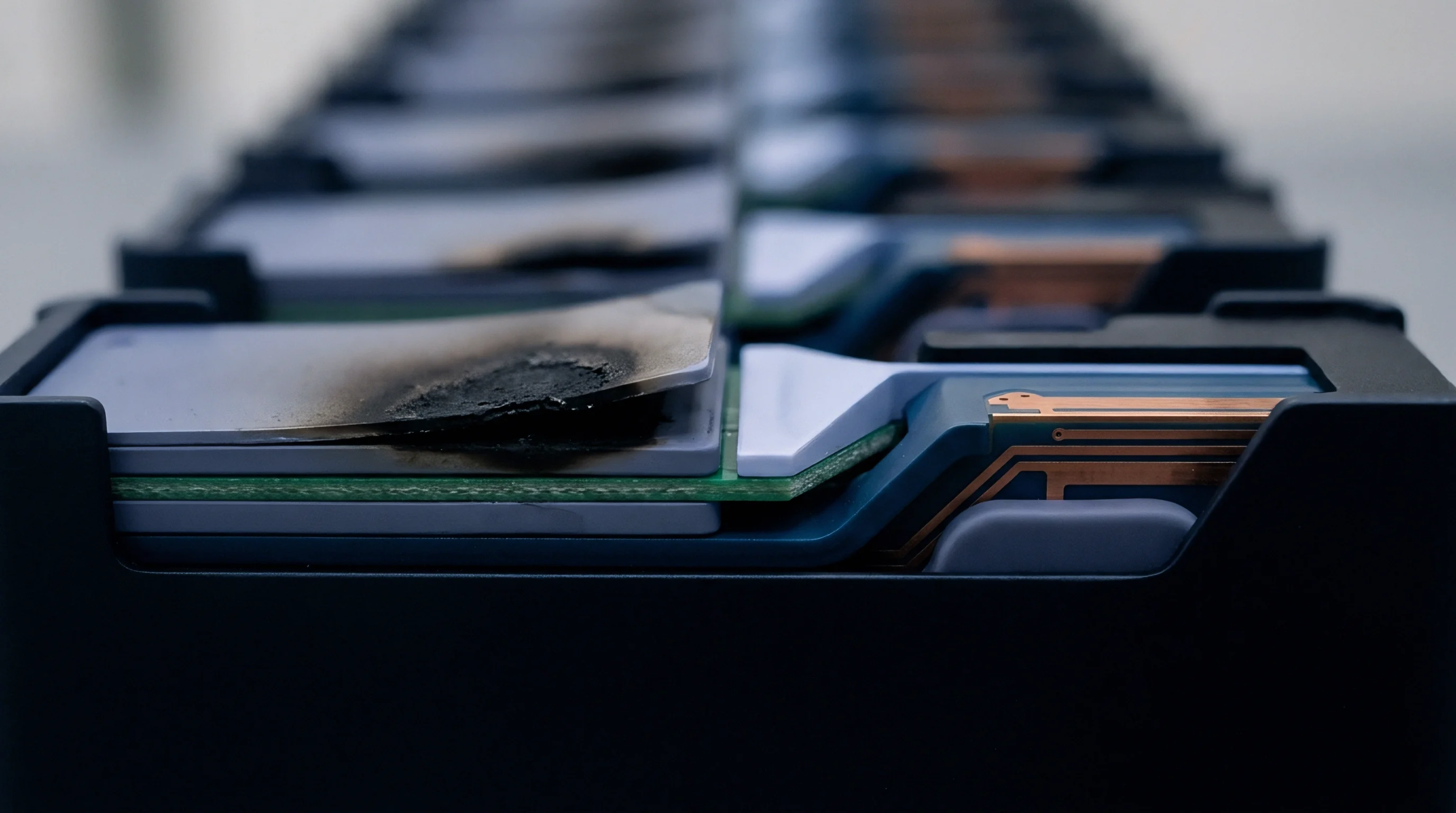
Resolving cellular hardware radiated margin loss requires isolating internal digital board noise and stabilizing multi-band antenna matching under real deployment conditions.
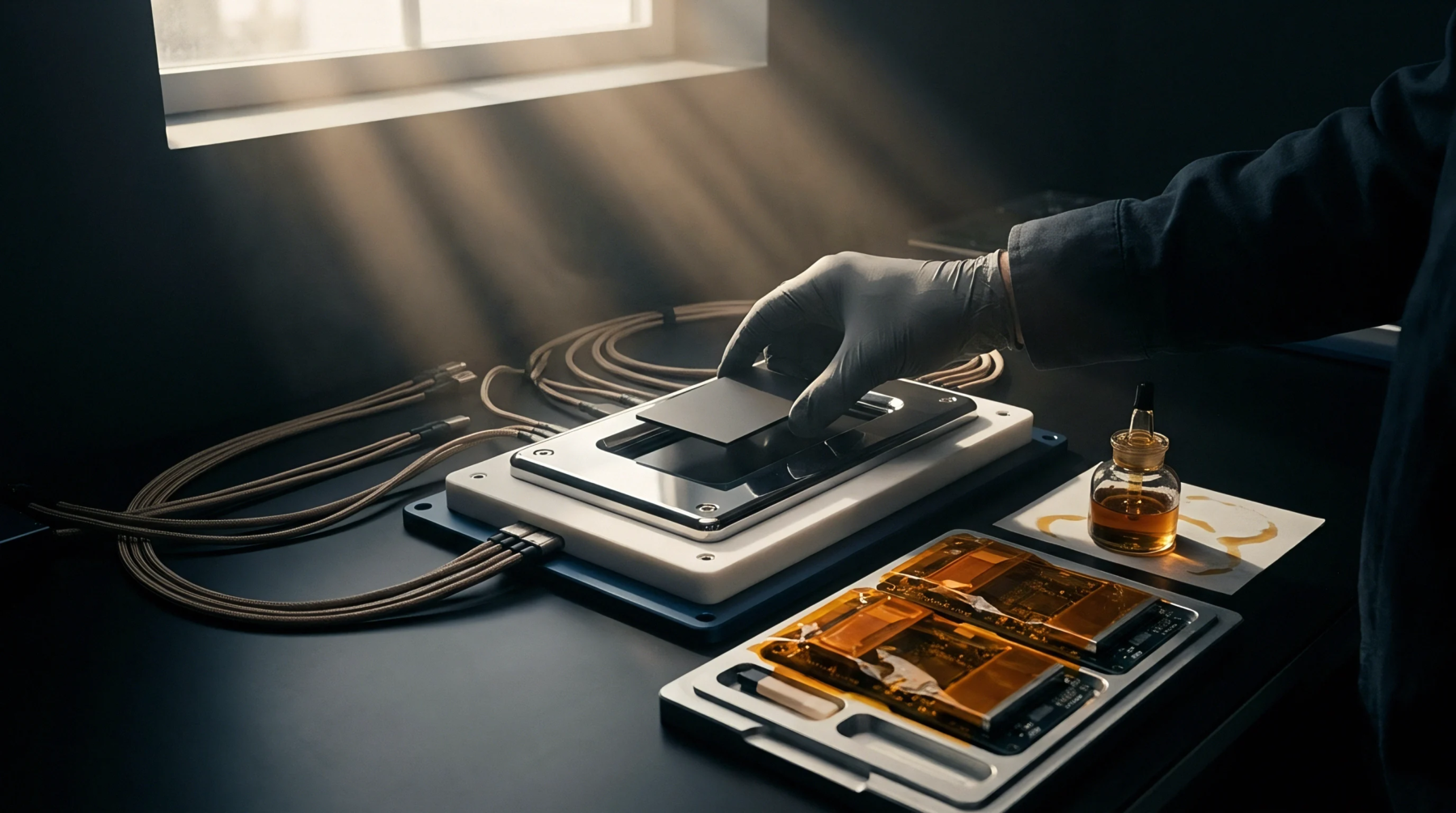
Trap-rich polysilicon passivation pins interface charges on high-resistivity silicon, suppressing surface conduction and harmonic spur spikes across RF switches.
Expertise is a utility, not a secret. sentiention™ publishes its working knowledge as open reference: intelligence layer covering the materials it sources, the markets it enters, and the reference that serves both.