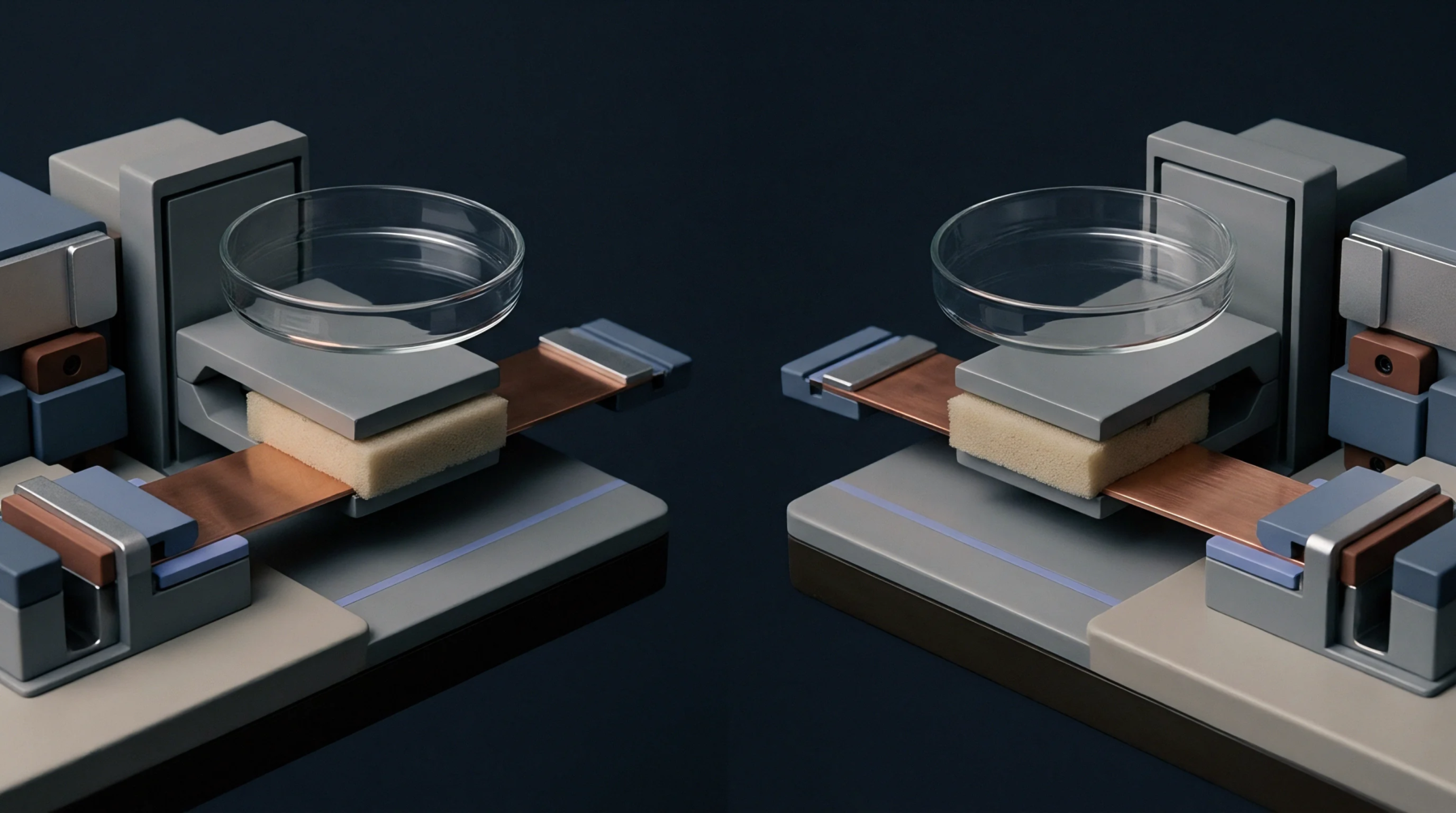
Quantifying Polymer Dielectric Loss at Millimeter Wave Radar Frequencies
Dielectric loss quantification at 77 GHz demands Fabry-Perot resonator testing to prevent radome signal attenuation and regulatory EIRP filing failures.
Dielectric loss quantification at 77 GHz demands Fabry-Perot resonator testing to prevent radome signal attenuation and regulatory EIRP filing failures.

Quasi-optical free-space calibration extracts complex permittivity by focused Gaussian beam measurements to qualify mmWave materials for regulatory filing.

Spatial thermal gradients across radar radomes cause Snellian refraction beam squint that risks radiated EIRP mask violations during type approval testing.
Thermal gradients across 77 GHz radar arrays cause substrate permittivity drift and phase skew, squinting beams and threatening regional EIRP compliance.
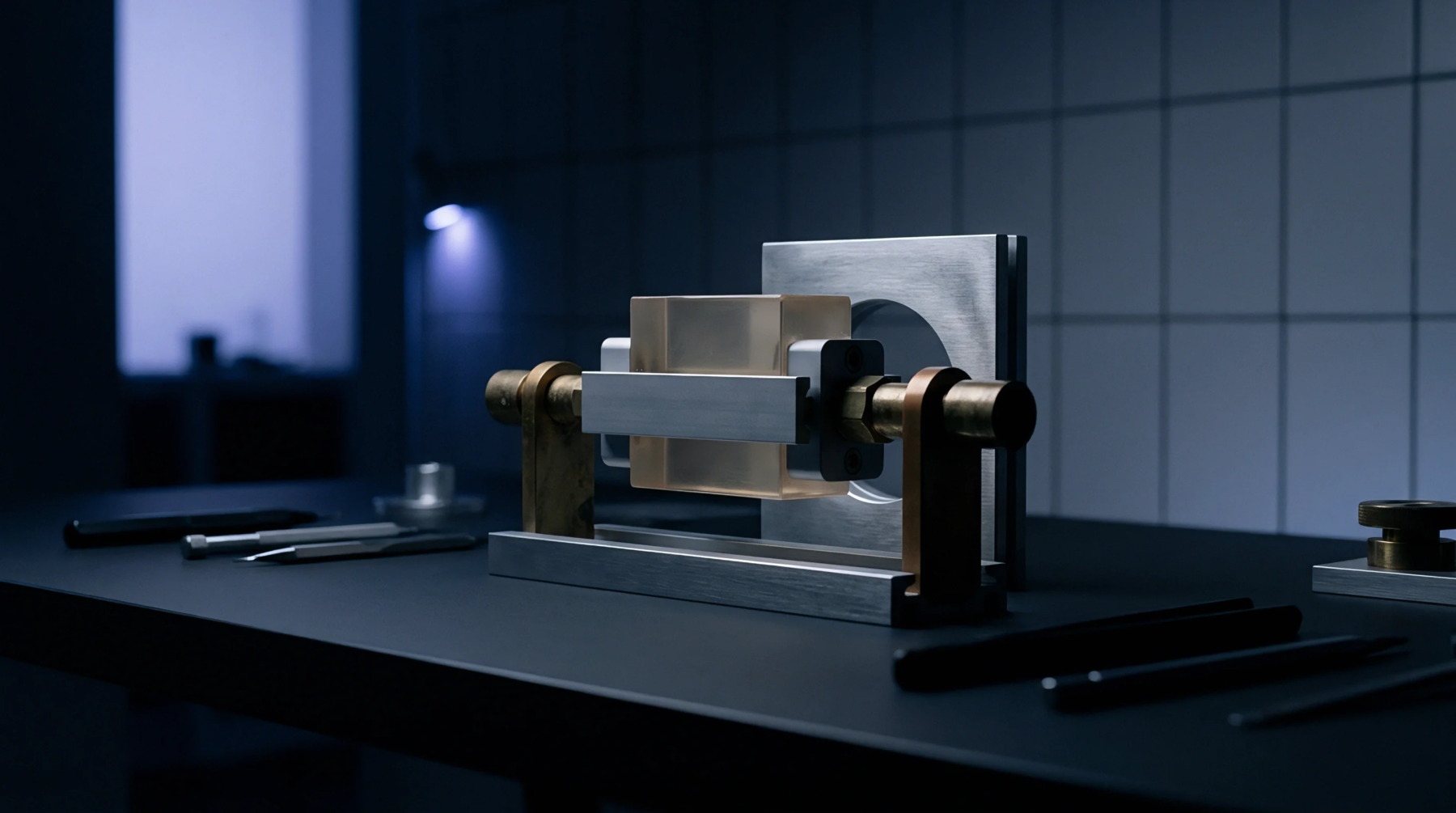
Precise W-band dielectric characterization suppresses radome reflection, preventing boresight errors and eliminating costly regulatory recertification cycles.
Substrate dielectric drift at 77 GHz alters antenna phase and EIRP, requiring strict raw material controls to prevent regulatory non-compliance and re-filings.
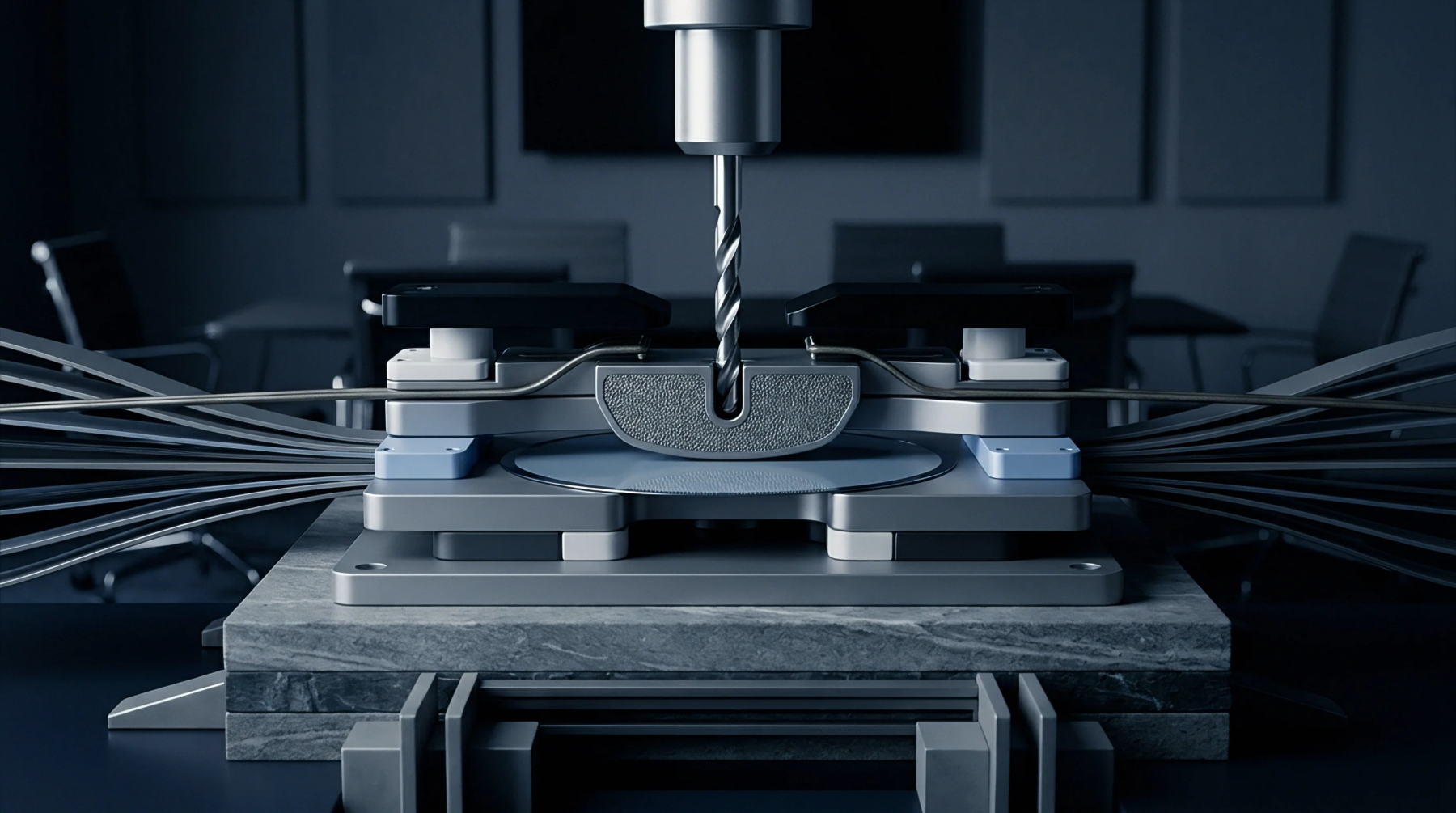
Polymer radome transmission loss at mmWave frequencies depends on dielectric loss tangent and wall thickness precision to maintain regulatory EIRP compliance.
Temperature variations alter substrate dielectric constant at 77 GHz, causing phase velocity shifts, mainlobe beam squint, and spatial target dislocations.

Precision W-band free-space extraction of polymer permittivity prevents radar boresight shift and avoids costly Class II Permissive Change re-testing delays.
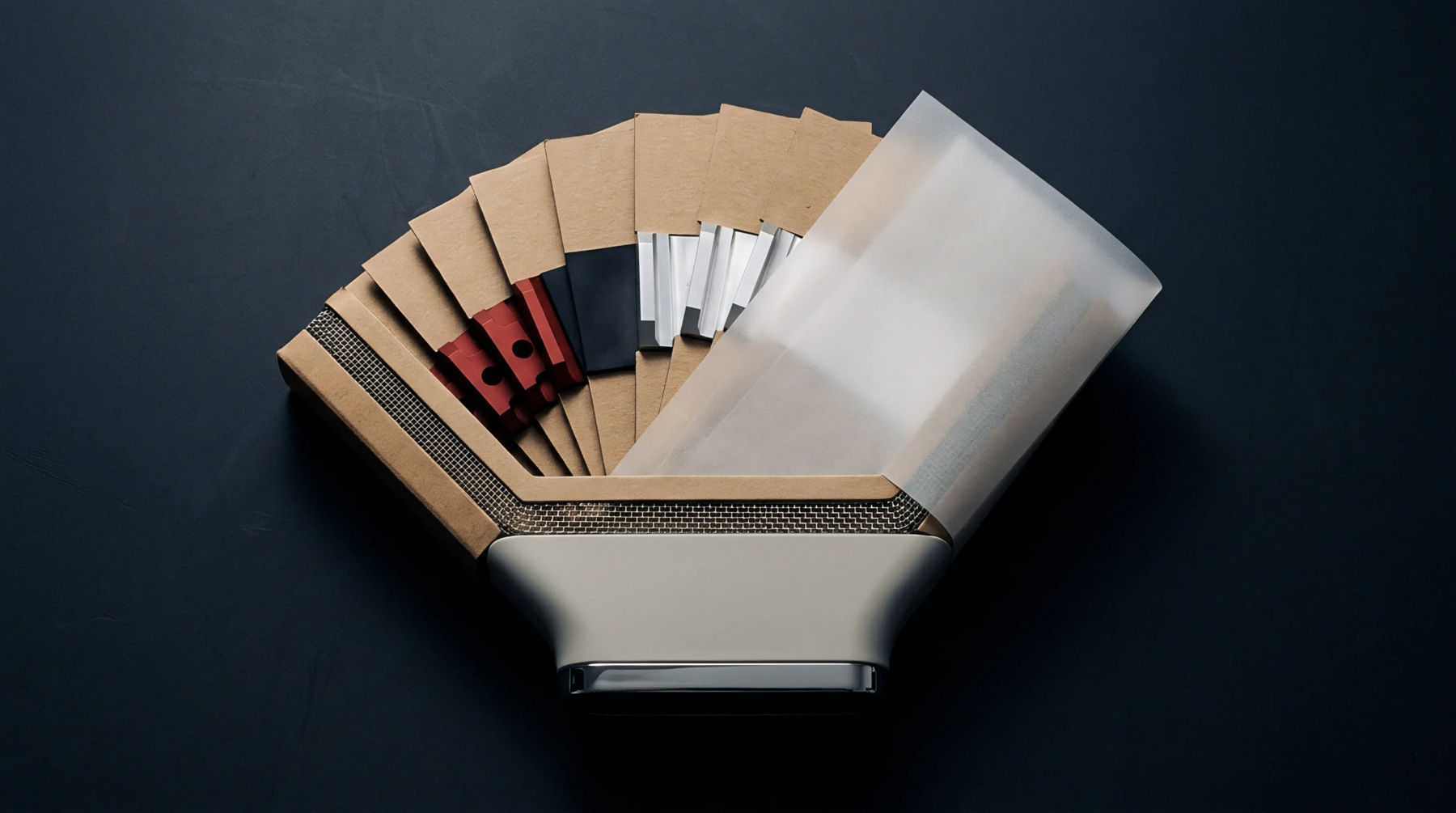
Characterizing polymer permittivity and loss tangent under free-space conditions ensures radar enclosure attenuation remains within strict type-approval limits.
Expertise is a utility, not a secret. sentiention™ publishes its working knowledge as open reference: intelligence layer covering the materials it sources, the markets it enters, and the reference that serves both.